

 Peržiūrėti realaus dydžio版
 Pasidalinti
 Dalintis
 Išsamiau
 Vadovas

 Atsisiųsti
 Panašūs eksponatai
 Rentgeno spindulių nuotrauka
 Automatinė diorama
 Q&A
Q&A Statistika
Cottages


Experience Vincent van Gogh's 'Cottages,' a serene depiction of rural life brimming with vibrant colors and Post-Impressionist charm. A hand-painted reproduction captures the beauty of Dutch countryside.
 Skaityti daugiau
Vincentas van Goghas (1853–1890): Tyrinėkite olandų postįspūdžio meistro, kūrėjo „Žvaigždėtąją naktį“ ir „Saulėgėles“, gyvenimą bei meną. Atraskite jo drąsų stilių ir ilgalaikę įtaką moderniam menui.
Gaukite spausdinimui paruoštą failą, kurio kokybė gerokai viršija internetinę peržiūrą. Kiekvienas mūsų parduodamas skaitmeninis vaizdas yra ištrauktas iš aukštos raiškos pagrindinio failo mūsų duomenų bazėje — paprastai jis siekia nuo 5 000 iki 15 000 pikselių plotio — todėl galite drąsiai spausdinti didelius formatus, apkirpti vaizdą ar reprodukcija užtikrins visas smulkias detales.
Mūsų studijoje nė viena kopija nelieka neapdorota. Skaitmeninio vaizdo ekspertas, lygiu su originaliu paveikslu, patikrina spalvas ir, jei reikia, jas koreguoja, o tada profesionaliais retušavimo įrankiais padidina aiškumą bei detales — visada išlaikydamas ištikimybę autoriaus teptuko traukoms ir stiliui. Rezultatas – vaizdas, kuris atrodo kaip tikras paveikslas, o ne kaip su filtrais apdorotas skenavimas.
Patvirtinate prieš užsakymo pabaigą: mūsų ekspertas per 72 valandas el. laišku atsiųsta vaizdą jūsų peržiūrai. Nepasitenkinate rezultatu? Paprašykite patobulinimų ar pataisymų arba prašykite pinigų grąžinimo, jei kokybė neatitinka jūsų lūkesčių.
Ši kokybė yra patikima leidybos įstaigoms, dizaino studijoms, galerijoms ir spaudos įmonėms.
Skaitmeninis vaizdas
Atsisiųskite didelės raiškos failą asmeniniam naudojimui, spausdinimui ir kūrybiniams projektams. ( Perjungti į spausdinamus版作品 Pirkti rankų darbo tapybą)
Kiekvieną skaitinio vaizdo užsakymą papildė
Profesionalus skaitmeninis vaizdų pristatymas, garantuotas
Pasirinkę TopImpressionists.com, jūs ne tik gaunate paveikslėlį – jūs gaunate profesionaliai patobudintą skaitmeninį kūrinį, sukurtą itin tikniai ir užtikrinantį pasitenkinimą. Štai viską, kas automatiškai pritékia jūsų užsakymui:

Greitas pristatymas el. paštu
Jūsų aukštos raiškos skaitmeninis vaizdo failas bus išsiųstas el. paštu per 72 valandas nuo užsakymo – jis bus paruoštas naudoti be jokių papildomų veiksmų.

Dirbtiniu intelektu tobulintas skaitmeninis failas
Jūsų meno kūrinys profesionaliai optimizuojamas naudojant pažangius dirbtinio intelekto įrankius ir rankinį redagavimą, užtikrinant maksimalią detalę, aiškumą ir spalvų tikslumą.

Nemokamas visam laikui pakartotinis siuntimas
Atsitiktinai ištrytikote ar praradote savo failą? Nebijokite – bet kuriuo metu atsiųsime jį jums vėl nemokamai.

Jokio importo mokesčio – niekada
Mėgaukitės savo meno kūrynu be jokių muitinės mokesčių, įkainų ar pristatymo išlaidų – skaitiniai failai visada yra neapmokestinami.

Spalvų tikslumo garantija
Naudodami profesionalią įrangą ir spalvų valdymo sistemas, užtikriname, kad jūsų skaitmeninis vaizdas kuo tiksliau atspindėtų originalias spalvas.

100 dienų patikimumo garantija
Jei nebuvosite patenkinti įsigyto skaitmeninio vaizdo, mes jį tališkai koreguosime arba grąžinsime 100% sumą per 100 dienų – be jokių klausimų.

100% pinigų grąžinimo garantija
Nesitenkinate? Gaukite visą sumokėtą sumą per 100 dienų nuo skaitmeninio failo gavimo – be jokių papildomų klausimų.

Nuolaidos dideliems užsakymams
Pirkti 3 nuotraukas – 10% nuolaida – Pirkti 5 – 15% nuolaida – Pirkti 10 ir daugiau – 20% nuolaida. Puikiai tinka kūrybiniams projektams, galerijoms bei agentūroms.
Cottages: A Window into Post-Impressionist Tranquility
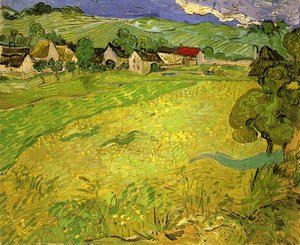
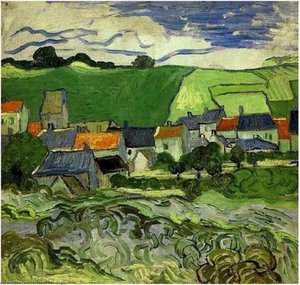
Vincent van Gogh’s “Cottages,” painted in 1883, isn't merely a depiction of a rural village; it’s an immersive experience—a carefully constructed tableau designed to evoke a profound sense of peace and nostalgia. This oil on canvas, residing within the broader series exploring peasant life, offers a glimpse into Van Gogh’s evolving artistic vision during a pivotal period in his career. The scene unfolds with a quiet dignity: humble cottages, their thatched roofs blending seamlessly with the surrounding greenery, nestled beneath a serene sky. It's a landscape imbued with a palpable sense of warmth and community, yet simultaneously tinged with a subtle melancholy—a characteristic hallmark of Van Gogh’s mature style.
The painting’s genesis lies within the burgeoning Post-Impressionist movement, an era defined by artists seeking to move beyond the fleeting impressions of light and color favored by their predecessors. Post-Impressionism wasn't a rigid school but rather a diverse collection of artists—including Van Gogh himself, Paul Cézanne, Paul Gauguin, and Georges Seurat—who experimented with subjective expression, symbolic content, and emotional depth. Van Gogh’s “Cottages” exemplifies this shift; he abandons the purely observational approach of earlier Impressionists, instead layering his own feelings and interpretations onto the scene. The vibrant yellows dominating the cottages aren't simply a representation of color but rather convey warmth, light, and perhaps even a hint of optimism—a deliberate choice to imbue the humble dwellings with an aura of comfort and security.
The Language of Color and Texture
Van Gogh’s distinctive technique is immediately apparent. He employs thick, impasto brushstrokes – literally building up layers of paint directly onto the canvas – creating a tactile surface that invites close inspection. The individual strokes are visible, contributing to the painting's dynamism and energy. Notice how he uses short, broken lines to depict the thatched roofs, suggesting their texture and movement in the breeze. The greens and blues of the landscape aren’t blended smoothly; instead, they’re applied with a sense of urgency, conveying a feeling of vitality and growth. This deliberate manipulation of color and texture is central to Van Gogh's expressive style—a means of communicating not just what he *saw*, but how he *felt* about what he saw.
The composition itself is carefully considered. The cottages are arranged in a loose, asymmetrical grouping, creating a sense of visual interest and preventing the scene from feeling static. A few figures—likely peasants engaged in daily tasks—are scattered throughout the landscape, adding to the painting’s narrative quality. These figures aren't idealized or romanticized; they appear as ordinary people going about their lives, contributing to the overall sense of authenticity and realism.
Symbolism and Emotional Resonance
Beyond its visual appeal, “Cottages” is rich in symbolism. The humble cottages represent a connection to rural life, a theme that was increasingly important to Van Gogh during this period. He saw in these simple dwellings a sense of stability and community—a stark contrast to the alienation and uncertainty he often experienced in urban environments. The sky, painted in shades of blue and grey, suggests both tranquility and melancholy – reflecting the artist’s own complex emotional state. The presence of animals, likely dogs, adds another layer of meaning, symbolizing loyalty, companionship, and a connection to nature.
Van Gogh's fascination with rural life stemmed from his desire to understand the lives of ordinary people—particularly the working class. He believed that art should serve as a means of social commentary, offering insights into the experiences of those often overlooked by society. “Cottages” is therefore not just a pretty picture; it’s a poignant meditation on themes of poverty, community, and the beauty of the natural world.
Bringing "Cottages" Home: A Hand-Painted Reproduction
At TopImpressionists.com, we are proud to offer meticulously hand-painted oil reproductions of Van Gogh's “Cottages,” capturing the essence of this iconic artwork with unparalleled detail and authenticity. Our skilled artists utilize only the finest materials—traditional oil paints on archival canvas—to faithfully recreate every brushstroke, color nuance, and textural element of the original. Each reproduction is a testament to our commitment to preserving Van Gogh’s legacy and making his art accessible to collectors and admirers worldwide.
Whether you're an avid art collector, an interior designer seeking to add a touch of Post-Impressionist charm to your home, or simply someone who appreciates the beauty of Van Gogh’s work, our hand-painted reproduction of “Cottages” offers a unique opportunity to own a piece of art history. Explore our collection and discover how you can bring this timeless masterpiece into your life today. Special offer on oil paintings.
Klausimai ir atsakymai
Ar „Cottages“ – Vincentas Van Gogas vaizdą galima laisvai reprodukcijaoti?
Autorių teisių statusas kūriniui „Cottages“ – Vincentas Van Gogas: kūrinys priklauso yra viešosios erdvės dalis – jo autorinė teisė pasibaigusi. Tai nulemia, ar galima laisvai reprodukciuoti šį vaizdą.
Kokio išdėstymo formatas tinka kūriniui „Cottages“ – Vincentas Van Gogas?
„Cottages“ – Vincentas Van Gogas formatas Landscape rekomenduojamas Living Room erdvėje. Formatas ir erdvė kartu padeda tinkamai išdėsti reprodukciją.
Kiek šviesos, kaip atrodo, atspindi „Cottages“ spalvos?
Įrašytas kūrinio „Cottages“ – Vincentas Van Gogas šviesumas yra Soft Shadow.
panašūs kūriniai





Autoriaus biografija
Vincentas van Gogas: Ugnies ir Šviesos Simfonija
Vincentas Wilhelmas van Gogas – vardas, tapęs sinonimu ryškioms spalvoms ir žaismingai emocijai. Jo gyvenimas, nuo sumišusio jaunuolio ieškančio savo vietos iki meniškai vizionieriaus, yra gili istorija apie atsidavimą, kovą ir galutinį palikimą. Nors per savo gyvybę pasiekė nedidelį komercinį pripažinimą – pardavęs tik vieną paveikalą, *Raudonąją vynuogyną*, prieš mirtį – Van Gogo įtaka moderniam menui yra neįtikėtinai didelė. Jis atidarė kelią ekspresionizmui ir įkvėpė daugybę menininkų, kurie sekė jo pėdomis. Jo istorija nėra tik apie teptukus ir drobę; tai liudijimas žmogaus išraiškos galiai susiduriant su sunkumais. Van Gogo ankstyvieji metai buvo pažymėti neįvykusiais siekiais. Jis bandė save įvairiuose darbuose – meno prekiautojas, mokytojas ir netgi misionierius – prieš galiausiai pasišventęs tapybai gana vėlyvoje amžiuje, būdamas 27 metų. Šie ankstyvieji patyrimai giliai paveikė jo pasaikožią ir atsispindėjo jo mene. Ankstyvieji darbai, vaizduojantys valstiečių gyvenimą Belgijos kaimuose, atspindi gilų susižinojimo su darbo žmonėmis ir niūrų paletę, atspindintį jų vargus. Įkvėptas tokių menininkų kaip Žanas Fransua Milė, Van Gogas siekė užfiksuoti šių asmenų orumą ir atsigręžimą per griežtą realizmą. Tačiau jo persikraustymas į Paryžių 1886 metais pasirodė esantis transformuojantis. Ten jis susipažino su impresionizmu ir postimpresionizmu, įsisavindamas meistrų, tokių kaip Monė, Renoras ir Pisaro, techniką. Šis patyrimas išplėtė jo meninius horizontus, paskatino eksperimentuoti su ryškesnėmis spalvomis ir laisvesniu teptukų darbu, nors ir išlaikant aiškų emocinį intensyvumą, kurio nepastebima daugelyje jo to laikmečio kolegų darbų. Jo brolis Teo, meno prekiautojas, atliko svarbų vaidmenį šiuo periodu, suteikdamas finansinę paramą ir veikdamas kaip gyvybės ryšys su Paryžiaus meno pasauliu. Jų platus korespondencijos siūlo neįkainojamus įžvalgų apie Van Gogo meninį vystymąsi ir asmenines kovas.Provanso Šviesa ir Spėjimo Kreatyvumas
Ieškodamas ryškesnės gamtos ir atsinaujinimo pojūčio, Van Gogas 1888 metais persikėlė į Arlį pietų Prancūzijoje. Tai pažymėjo intensyvaus kūrybos periodo pradžią, pasižyminčią spalvų sprogu ir išskirtine impasto technika – dažais tirštai uždedant ant drobės, sukuriant tekstūruotą paviršių, kuris atrodo pulsuojantis energija. Būtent čia jis sukūrė kai kuriuos savo žinomiausius darbus: *Saulėgėlės*, *Naktinis kavinukas* ir *Žvaigždynas*. Provanso intensyvi šviesa atrodė įžiebianti jo vaizduotę, paskatindamas vaizduoti kraštovaizdžius ir natūrmortus beprecedenčiu ryškumu. Jo noras meninės kolaboracijos vedė jį pakviesti Paulį Gauginą prisijungti prie jo Arlyje, vilties nustatyti utopinį menininkų koloniją. Tačiau jų santykiai pasirodė nestabilūs, baigiantis dramatišku susidūrimu, dėl kurio Van Gogas sužalojo savo ausį. Šis įvykis pabrėžė jo psichikos būsenos trapumą ir pažymėjo institucionalizacijos ir didėjančio psichologinio vargo periodo pradžią.Vėlesni Metai ir Nuolatinis Palikimas
Po sutrikimo Van Gogas savanoriškai įstojo į prieglaudą Sent Remi, kur jis toliau tapė gausiai, vaizduodamas aplinkos kraštovaizdžius su grobiu ir sumaidymu. Tokie darbai kaip *Žvaigždynas*, sukurtas tuo metu, yra įkvėpti kosminio stebėjimo jausmu ir giliu emociniu gilumu. Vėliau jis persikėlė į Ovrą prie Senos gydytojo Poliaus Gacheto rūpimais, tačiau jo kovos tęsiasi. Liepos 29 dieną, 1890 metais, Van Gogas mirė būdamas 37 metų amžiaus dėl savadarbo šūvio žaizdos. Nors per savo gyvybę pasiekė nedidelį pripažinimą, jo darbai po mirties pradėjo gauti vis didesnę pagarbą daugiausia dėka jo sesers-in-law Johanos van Gog-Bonger pastangų, kuri paveldėjo jo turto ir skyrė save reklamuojant jo meną. Šiandien Van Gogo paveikslai yra šveniami visame pasaulyje dėl savo emocinio intensyvumo, novatoriškų technikų ir nuolatinio grožio. Jo palikimas tęsiasi toli už drobės; jis tapo meno aistros, atkaklumo susiduriant su nesėkmėmis ir meno galios simboliu išreikšti giliausias žmogaus emocijas.Pagrindiniai Įtakos ir Meninis Vystymasis
- Ankstyvasis realizmas: Žano Fransua Milė vaizdavimas valstiečių gyvenimo įtakojo Van Gogo ankstyvuosius darbus.
- Impresionizmas ir postimpresionizmas: Paryžiuje susipažinimas su Monė, Renoru, Pisaru ir kitais išplėtė jo paletę ir techniką.
- Japonų spauda: Van Gogas buvo giliai paveiktas japonų medžio raižinių, kuriuos jis entuziastingai rinko. Jų drąsios kompozicijos ir plokštumos spalvų įtakoja jo stilių.
- Emocinis išreiškimas: Visų pirma Van Gogas siekė perteikti emocijas per savo meną, prioritetą suteikdamas subjektyviai patirčiai prieš objektyvią reprezentaciją. Šis dėmesys emociniam intensyvumui tapo jo darbo atpažinimo ženklu ir pavedė kelią ekspresionizmui.

Vincentas Van Gogas
1853 - 1890 , Nyderlandai
Trumpa informacija
- Gimimo Data: 1853 m. kovo 30 d.
- Gimimo Vieta (Miestas Ir Šalis): Zundertas, Nyderlandai
- Menininkai Ar Judėjimo, Paveikti Šio Menininko:
- Ekspresionizmas
- Fovizmas
- Menininkai, Paveikę Menininko Kūrybą:
- Rembrandas van Rėnas
- Žanas Fransua Milė
- Meninis Stilius: Post-Impressionizmas
- Mirties Data: 1890 m. liepos 29 d.
- Pilnas Vardas: Vincentas Vilhelmas van Gogas
- Tautybė: Olandas
- Žymiausi Kūriniai:
- Saulėgaisčių serija
- Gliesiantis naktinis dangus
- Kartolės valgytojai
- Naktinis kavinės vaizdas