


 Peržiūrėti realaus dydžio版
 Siųsti
 Dalintis
 Išsamiau
 Vadovas

 Atsisiųsti
 Panašūs eksponatai
 Rentgeno spindulių nuotrauka
 Diaporama
 Statistika
Weaver Facing Left


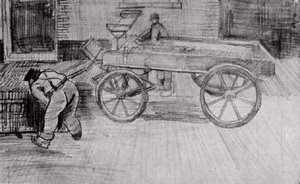
Vincent van Gogh’s ‘Weaver Facing Left,’ a poignant black and white drawing captures a moment of musical intimacy with benches and a distant boat. This evocative piece from 1884 showcases Van Gogh's expressive style, perfect for art lovers.
 Rodyti daugiau
Vincentas van Goghas (1853–1890): Tyrinėkite olandų postįspūdžio meistro, kūrėjo „Žvaigždėtąją naktį“ ir „Saulėgėles“, gyvenimą bei meną. Atraskite jo drąsų stilių ir ilgalaikę įtaką moderniam menui.
Rankų darbo aliejinės reprodukcijos
Rankiniu būdu tapytas aliejus ant droblio jūsų pageidaujamame dydį ir rėmuose – mūsų menininkų darbas pagal užsakymą. ( Perjungti į spausdinimą Perejti prie skaitmeninių vaizdų)




P118B €10

P118H €10

P118W €10

P438Z €10

P508JH €12

P508YH €12

P805H €10

P805Z €10

P919BZ €10

P919G €10

P919XJ €10

P959ZH €10

P968JZ €12

W106C €8

W218G €10

W218JH €8

W218Y €10

W307PJ €10

W316G €10

W316PJ €8

W316Y €10

W398PJ €8

W4111J €10

W500HY €15

W500JH €15

W692G €12

W849H €8

W940BG €15

W953PJ €8




Standartinis
individualaus dydžio
CM
INCH
Pasirinkite iš mūsų nustatytų dydžių, atitinkančių originalaus meno kūrinio proporcijas.
Loading sizes...

plotis
aukštis
Įveskite jums reikiamą plotį ir aukštį, kad paveikslas atitiktų jūsų rėmą ar sieną. Kadangi šis darbas yra rankinio darbo, siekiant išgauti kitokio formos dydį, paveikslas gali būti šiek tiek didesnis (nuo kraštų bus palikta daugiau erdvės) arba mažesnis – pasirinkite jums patogiausią variantą. Prieš pradedant tapyti, atsiųsime jums skaitmeninį maketą patvirtinimui. Šioje puslapio nuotraukoje matomas vaizdas nėra galutinis rezultatas – jį parodys tik sukurtas maketas.
Ką galima pakeisti (pavyzdžiai): Pakeisti veidą į kliento nuotrauką; Pridėti augintinį (pvz., pakeisti katę šunimi); Įtraukti paslėptą žinutę fone; Pakeisti fono kraštovaizdį ar elementus.
Gavus užsakymą, TopImpressionists.com komanda susisieks su klientu el. paštu dėl instrukcijų ir pateiks maketo pavyzdį
Gavus užsakymą, TopImpressionists.com komanda susisieks su klientu el. paštu dėl instrukcijų ir pateiks maketo pavyzdį
Pristatymas visame pasaulyje () per 3–4 savaites, o ne įprastai – per 5 savaites. (25 spalis). Kokybė lieka nepakeičiama.

Nemokamas greitasis pristatymas visame pasaulyje

Aukštos kokybės lininis drobė

Pilnas siuntimo draudimas

Muitinės mokesčių grąžinimo garantija

Tikro spalvų atitikimo garantija

100 dienų grąžinimo politika (tik esant įtaigoms)

100% pinigų grąžinimo garantija

Nuolaida dideliems užsakymams
 Stiklo variantas prieinamas tik pasirinkus dydį iki 110 cm

Weaver Facing Left
Reprodukcijos technika
Reprodukcijos dydis
-


Visų pasirinktų variantų kaina
€ 236
A Portrait of Melancholy and Musician
Vincent van Gogh’s “Weaver Facing Left,” painted in 1884, offers a poignant glimpse into the artist's evolving exploration of human emotion and form. This seemingly simple depiction – a man seated before a piano with another figure observing – is layered with complexities that resonate deeply within Van Gogh’s oeuvre. The stark black and white drawing, likely created as a preparatory study for a larger work, immediately draws the viewer into a world of quiet contemplation and subtle unease. It's a moment frozen in time, capturing not just an image but a feeling – a sense of isolation, perhaps even melancholy, that would become a hallmark of Van Gogh’s artistic vision.
Style and Technique: A Precursor to Expressionism
- Impressionistic Roots: While firmly rooted in the Impressionist movement's emphasis on capturing fleeting moments of light and color, “Weaver Facing Left” demonstrates a crucial shift towards Van Gogh’s later, more emotionally charged style. The loose brushwork and flattened perspective are characteristic of his early work, but they serve as a foundation for the expressive distortions that would define his mature paintings.
- Emphasis on Form: Notice the deliberate rendering of the man's posture – slumped slightly, head bowed – conveying a sense of weariness or introspection. Van Gogh’s meticulous attention to detail in depicting the folds of clothing and the texture of the piano keys highlights his fascination with form as a means of expressing inner states.
- Monochromatic Palette: The use of black and white amplifies the emotional impact, stripping away any distractions of color and focusing solely on the subject’s expression and the interplay of light and shadow. This technique was frequently employed by Van Gogh to intensify the psychological weight of his scenes.
Historical Context: The Artist's Early Years in Paris
Created during Van Gogh’s time in Paris (1886-1888), “Weaver Facing Left” reflects the influence of Impressionism and Post-Impressionism circulating within the city’s vibrant art scene. He was surrounded by artists like Émile Bernard and Paul Gauguin, who challenged traditional academic styles and experimented with new ways of representing reality. This period marked a crucial turning point in Van Gogh's artistic development, as he began to synthesize these diverse influences into his own unique voice.
Symbolism and Emotional Impact
The presence of the piano immediately evokes associations with music, memory, and perhaps even lost dreams. The figure’s posture suggests a moment of reflection or introspection, inviting the viewer to contemplate the complexities of human experience. The boat in the background adds an element of distance and isolation, further emphasizing the subject's solitude. This artwork is not merely a depiction of a man playing the piano; it’s a powerful meditation on loneliness, vulnerability, and the search for meaning – themes that would become central to Van Gogh’s artistic legacy. The raw emotion conveyed through this seemingly simple image continues to captivate audiences today, solidifying its place as a key work in the artist's oeuvre.
问答 (or more naturally for a website heading): Klausimai ir atsakymai
Kas yra „Weaver Facing Left“?
„Weaver Facing Left“, autorius – Vincentas Van Gogas temos apima piano player, black and white, man seated, boat scene, van gogh artwork, interior composition, dutch painter. Kartu jie apibendrina šio kūrinio tematiką.
Kokią Vincentas Van Gogas kūrybos etapą atitinka „Weaver Facing Left“ data, nurodyta kaip 1884?
Atsižvelgiant į 1884 datą, kūrinys „Weaver Facing Left“ priskiriamas Vincentas Van Gogas Late Period laikotarpiui.
Kokią vietą meno istorijoje užima „Weaver Facing Left“, autorius – Vincentas Van Gogas?
„Weaver Facing Left“, autorius – Vincentas Van Gogas priklauso Post-Impressionist Expressionism stiliui, 19th Century laikotarpiui. Kartu jie suteikia šiam kūriniui vietą meno istorijoje.
Susiję kūriniai




Autoriaus biografija
Vincentas van Gogas: Ugnies ir Šviesos Simfonija
Vincentas Wilhelmas van Gogas – vardas, tapęs sinonimu ryškioms spalvoms ir žaismingai emocijai. Jo gyvenimas, nuo sumišusio jaunuolio ieškančio savo vietos iki meniškai vizionieriaus, yra gili istorija apie atsidavimą, kovą ir galutinį palikimą. Nors per savo gyvybę pasiekė nedidelį komercinį pripažinimą – pardavęs tik vieną paveikalą, *Raudonąją vynuogyną*, prieš mirtį – Van Gogo įtaka moderniam menui yra neįtikėtinai didelė. Jis atidarė kelią ekspresionizmui ir įkvėpė daugybę menininkų, kurie sekė jo pėdomis. Jo istorija nėra tik apie teptukus ir drobę; tai liudijimas žmogaus išraiškos galiai susiduriant su sunkumais. Van Gogo ankstyvieji metai buvo pažymėti neįvykusiais siekiais. Jis bandė save įvairiuose darbuose – meno prekiautojas, mokytojas ir netgi misionierius – prieš galiausiai pasišventęs tapybai gana vėlyvoje amžiuje, būdamas 27 metų. Šie ankstyvieji patyrimai giliai paveikė jo pasaikožią ir atsispindėjo jo mene. Ankstyvieji darbai, vaizduojantys valstiečių gyvenimą Belgijos kaimuose, atspindi gilų susižinojimo su darbo žmonėmis ir niūrų paletę, atspindintį jų vargus. Įkvėptas tokių menininkų kaip Žanas Fransua Milė, Van Gogas siekė užfiksuoti šių asmenų orumą ir atsigręžimą per griežtą realizmą. Tačiau jo persikraustymas į Paryžių 1886 metais pasirodė esantis transformuojantis. Ten jis susipažino su impresionizmu ir postimpresionizmu, įsisavindamas meistrų, tokių kaip Monė, Renoras ir Pisaro, techniką. Šis patyrimas išplėtė jo meninius horizontus, paskatino eksperimentuoti su ryškesnėmis spalvomis ir laisvesniu teptukų darbu, nors ir išlaikant aiškų emocinį intensyvumą, kurio nepastebima daugelyje jo to laikmečio kolegų darbų. Jo brolis Teo, meno prekiautojas, atliko svarbų vaidmenį šiuo periodu, suteikdamas finansinę paramą ir veikdamas kaip gyvybės ryšys su Paryžiaus meno pasauliu. Jų platus korespondencijos siūlo neįkainojamus įžvalgų apie Van Gogo meninį vystymąsi ir asmenines kovas.Provanso Šviesa ir Spėjimo Kreatyvumas
Ieškodamas ryškesnės gamtos ir atsinaujinimo pojūčio, Van Gogas 1888 metais persikėlė į Arlį pietų Prancūzijoje. Tai pažymėjo intensyvaus kūrybos periodo pradžią, pasižyminčią spalvų sprogu ir išskirtine impasto technika – dažais tirštai uždedant ant drobės, sukuriant tekstūruotą paviršių, kuris atrodo pulsuojantis energija. Būtent čia jis sukūrė kai kuriuos savo žinomiausius darbus: *Saulėgėlės*, *Naktinis kavinukas* ir *Žvaigždynas*. Provanso intensyvi šviesa atrodė įžiebianti jo vaizduotę, paskatindamas vaizduoti kraštovaizdžius ir natūrmortus beprecedenčiu ryškumu. Jo noras meninės kolaboracijos vedė jį pakviesti Paulį Gauginą prisijungti prie jo Arlyje, vilties nustatyti utopinį menininkų koloniją. Tačiau jų santykiai pasirodė nestabilūs, baigiantis dramatišku susidūrimu, dėl kurio Van Gogas sužalojo savo ausį. Šis įvykis pabrėžė jo psichikos būsenos trapumą ir pažymėjo institucionalizacijos ir didėjančio psichologinio vargo periodo pradžią.Vėlesni Metai ir Nuolatinis Palikimas
Po sutrikimo Van Gogas savanoriškai įstojo į prieglaudą Sent Remi, kur jis toliau tapė gausiai, vaizduodamas aplinkos kraštovaizdžius su grobiu ir sumaidymu. Tokie darbai kaip *Žvaigždynas*, sukurtas tuo metu, yra įkvėpti kosminio stebėjimo jausmu ir giliu emociniu gilumu. Vėliau jis persikėlė į Ovrą prie Senos gydytojo Poliaus Gacheto rūpimais, tačiau jo kovos tęsiasi. Liepos 29 dieną, 1890 metais, Van Gogas mirė būdamas 37 metų amžiaus dėl savadarbo šūvio žaizdos. Nors per savo gyvybę pasiekė nedidelį pripažinimą, jo darbai po mirties pradėjo gauti vis didesnę pagarbą daugiausia dėka jo sesers-in-law Johanos van Gog-Bonger pastangų, kuri paveldėjo jo turto ir skyrė save reklamuojant jo meną. Šiandien Van Gogo paveikslai yra šveniami visame pasaulyje dėl savo emocinio intensyvumo, novatoriškų technikų ir nuolatinio grožio. Jo palikimas tęsiasi toli už drobės; jis tapo meno aistros, atkaklumo susiduriant su nesėkmėmis ir meno galios simboliu išreikšti giliausias žmogaus emocijas.Pagrindiniai Įtakos ir Meninis Vystymasis
- Ankstyvasis realizmas: Žano Fransua Milė vaizdavimas valstiečių gyvenimo įtakojo Van Gogo ankstyvuosius darbus.
- Impresionizmas ir postimpresionizmas: Paryžiuje susipažinimas su Monė, Renoru, Pisaru ir kitais išplėtė jo paletę ir techniką.
- Japonų spauda: Van Gogas buvo giliai paveiktas japonų medžio raižinių, kuriuos jis entuziastingai rinko. Jų drąsios kompozicijos ir plokštumos spalvų įtakoja jo stilių.
- Emocinis išreiškimas: Visų pirma Van Gogas siekė perteikti emocijas per savo meną, prioritetą suteikdamas subjektyviai patirčiai prieš objektyvią reprezentaciją. Šis dėmesys emociniam intensyvumui tapo jo darbo atpažinimo ženklu ir pavedė kelią ekspresionizmui.

Vincentas Van Gogas
1853 - 1890 , Nyderlandai
Trumpa informacija apie kūrėją
- Gimimo Data: 1853 m. kovo 30 d.
- Gimimo Vieta (Miestas Ir Šalis): Zundertas, Nyderlandai
- Menininkai Ar Judėjimo, Paveikti Šio Menininko:
- Ekspresionizmas
- Fovizmas
- Menininkai, Paveikę Menininko Kūrybą:
- Rembrandas van Rėnas
- Žanas Fransua Milė
- Meninis Stilius: Post-Impressionizmas
- Mirties Data: 1890 m. liepos 29 d.
- Pilnas Vardas: Vincentas Vilhelmas van Gogas
- Tautybė: Olandas
- Žymiausi Kūriniai:
- Saulėgaisčių serija
- Gliesiantis naktinis dangus
- Kartolės valgytojai
- Naktinis kavinės vaizdas
Susiję straipsniai

The Soul of the Brushstroke: Decoding Van Gogh's Emotional Impasto
Explore the profound emotional depth of Van Gogh's impasto technique. Discover how his sculptural brushstrokes and textured oil layers define Post-Impressionism through an expert art-historical lens, perfect for discerning collectors and fine art enthusiasts.
Tyrinėkite meno kūrinius, suskirstytus pagal temas, stilius ir savybes.


