

Paveikslėlyje: · Su rėmu:
 Peržiūrėti

 Pasidalinti
 Dalintis
 Išsamiau
 Informacinė lLapelė


 Atsisiųsti
 Panašūs eksponatai
 Rentgeno spindulių nuotrauka
 Automatinė diorama
 Klausimai ir atsakymai

 Statistika
Washington Monument (Viljamas Henris Bartletas)


Plagių ir kuriasi meno spausdinimai nuo €45 (dydis 38 x 26 cm)
Ranku tapyta aliejaus reprodukcija – nuo €292
- Nemokamas pristatymas visame pasaulyje per 3–4 weeks
- Siuurti spausdininiai pristatomi per 3–4 weeks
- 100 dienų grąžinimo garantija ir pinigų grąžinimas
- ArtShopReviews.com vartotojų įvertinimas: 4.9/5 (remdamasi 241 apžvelgimais)
€ 69
Giclée / Meno spausdinimas
Muziejų lygio „giclée“ arba drobos spausdinimas: greita gamyba ir lankstios apdailos parinktys. ( Impressionistų aliejus Pirkti skaitmeninę kopiją
)
Mediumas
 Skaityti daugiau
Mūsų biudžetinė spausdinimo versija: ta pačia nuotrauka, tik atspausdinta ant 260 g/m² poliesterinės drobennės vietoj medienos, pristatyoma sulenkiama į vamzdį reguliarios paštos nei 3–4 weeks. Tik sulenkiama (be rėmų ir tvirtinimo) ir be skubios gamybos, dydžiams, kurių bent viena pusė yra ne ilgesnė kaip 80 cm. Apie 30% pigiau nei drobennio spausdinimas.
Šis variantas nepasiekiamas šiam dydžiui: viena pusė turi būti ne ilgesnė kaip 80 cm.
Tik sulenkta: kad pasirinktumėte šį spausdinimą, rinkitės plėtį lenktą į vamzdį.
Galima paseninti dydžiais, kurių abiejų pusės length yra ne ilgesnė kaip 110 cm. Didesnių dydžių spausdinimas vykdomas ant matinio medienos pluošto drobios.
Matinis archyvinis platinas šiam dydžiui yra neprieinamas: abiejų pusės turi būti ne ilgesnės už 110 cm. Jūsų spausdinys bus atliktas ant matinio medienos platinio.
Stiklo variantas prieinamas tik pasirinkus dydį iki 110 cm
Dydis
·Pasirinkite iš mūsų nustatytų dydžių, atitinkančių originalaus meno kūrinio proporcijas.
Kraunami dydžiai...

plotis
aukštis
Įveskite jums reikiamą plotį ir aukštį, kad atvaizdas derėtų prie jūsų rėmo ar sienos. Spausdiną galima tik sumažinti, bet nepadidinti virš originalaus paveikslėlio dydžio, todėl keičiant proporcijas, dalis vaizdo prarandama. Prieš spausdinimą atsiųsime jums skaitmeninį maketą patvirtinimui. Šioje puslapio nuotraukoje matomas pjūvis nėra tikslus – jį rodo tik maketas.
Standartinis dydis
pagal užsakymą
CM
COLI
Baigiamasis etapas
·
Baltas apasutojimas €1

Išblėstantis šonas €1

Išplėstinis €1

P118B €10

P118H €10

P118W €10

P438Z €10

P508JH €12

P508YH €12

P805H €10

P805Z €10

P919BZ €10

P919G €10

P919XJ €10

P959ZH €10

P968JZ €12

W106C €8

W218G €10

W218JH €8

W218Y €10

W307PJ €10

W316G €10

W316PJ €8

W316Y €10

W398PJ €8

W4111J €10

W500HY €15

W500JH €15

W692G €12

W849H €8

W940BG €15

W953PJ €8
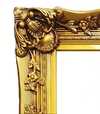
H24-GOLD €30
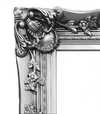
H24-SILVER €30
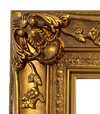
H36-GOLD €70
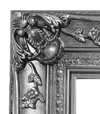
H36-SILVER €70
Siunčiama saugiame vamzdelyje, paruošta patys sukomentuoti jūsų rėmeliais.
Virš 105 cm rėmas siunčiamas kaip rinkinys profesionaliam rėmininkui — skaitykite detales.
Papildomos paslaugos
nebūtinaKą apima papildomos paslaugos?
Pristatymas visame pasaulyje () per 2 weeks, o ne įprastas 4/5 savaičių laikotarpis. (27 gruodis)
Pasirinkus „Economy“ poliesterio drobės spausdinimą, skubus gamybos procesas ir ekspreso kurjerio pristatymas nepasiekiami, nes siuntimas vykdomas paprastu paštu.
Apsauginis lakas
Pavadinimo lentelė
Išgraviruotos bronzinės plokštelės detalės
Ši elegantiška plokštelė su gražiai išgraviruotu kūrinio pavadinimu ir autoriaus vardu suteikia nepriekaištingą, perlaikinį vaizdą.
Pagamininta iš bronzos su rafinuotu, elegantišku apdailymu. Tekstas yra tiksliai išgraviruotas lazeriu, todėl yra aiškus ir neišblukstantis. Plaketoje, kurios dydis yra 9x2 cm, tekstas yra kompaktiškas, tačiau lengvai skaitomas. Ji yra patvaraus paveikslėlio ir atspari įraišams, todėl užtikrina profesionalų, muziejinį estetiškumą. Montavimas paprastas, dėkingas pridedamai lipniai apatinei daliai.
Skaidrios akrilo plokštelės informacija
Plokštėje yra išgraviruoti esminiai duomenys: meno kūrinio autoriaus vardas ir pavardė, kūrinio pavadinimas, kūrimo data, naudojama technika (pavyzdžiui, ezinė dažstai ant pluošto ar akvarelis), trumpas kūrinio aprašas bei QR kodas, vedantis į išsamią informaciją apie meno kūrinį.
Ji pagaminta iš skaidriaus akrilo, todėl pasižymi elegantišku ir moderniu išvaizda. Juodas tekstas yra išgražintas UV spindulių pagalba, todėl užtikrinamas didelis vizualinis kontrastas. 10x15 cm dydžio plokštelė užtikrina optimalų skaitomumą. Ji komplektuojama dvi metalinėmis kabėlėmis saugiam tvirtinimui ant sienos. Plokštelė yra atskaidžiari aplinkos poveikiui, todėl tinka skirtingoms erdvėms, bei turi interaktyvių funkcijų, kurios sklandžiai veikia nuskanavus išmanųjį telefoną.
Juodos akrilo plokštelės informacija
Ši elegantiška plokštelė apima išgraviruotą informaciją: autoriaus vardą, kūrinio pavadinimą, kūrimo datą, naudojamą techniką (pavyzdžiui, ezinę ant pluošto ar akvarelį), trumpą kūrinio aprašymą bei QR kodą, leidžiantį greitai gauti daugiau informacijos.
Plakė paglintinta iš aukščiausios kokybės juodo akrilo su elegantišku paviršiaus apdailymu. Tekstas išgraviruojamas balta spalva, todėl jis yra itin kontrastingas ir lengvai skaitomas. Plakės dydis yra 10x15 cm, todėl informacija yra aiškiai matoma. Komplekte yra du metaliniai kabeliai profesionaliam montavimui. Dizainas yra minimalistinis ir tinka bet kokiam interjero stiliui. Plakė yra atskaidži bei patvari, taip pat turi integruotą skaitmeninę integraciją mobiliajam suderinamumui.
Stiklo variantas prieinamas tik pasirinkus dydį iki 110 cm
 Stiklo variantas prieinamas tik pasirinkus dydį iki 110 cm
- Nemokamas pristatymas visame pasaulyje per 3–4 weeks
- Aukštos kokybės lininis drobė
- Pilnas siuntimo draudimas
- Muitinės mokesčių grąžinimo garantija
- Tikro spalvų atitikimo garantija
- 100 dienų grąžinimo garantija ir pinigų grąžinimas
- 100% pinigų grąžinimo garantija
- Nuolaida dideliems užsakymams


Washington Monument: Viljamas Henris Bartletas ir Romanticism era
A towering obelisk rises against a stormy sky in this detailed steel engraving, where fine lines define the stone and surrounding foliage.
Viljamas Henris Bartletas: biografija
Atraskite britų dailininko Williamo Henry Bartlett (1809-1854) detalius kraštovaizdžius ir architektūrą! Žymios graviūros iš Britanijos, Amerikos ir Artimųjų Rytų – vizualinė kelionė per istoriją. Išsamią XIX a. topografinę dailę.
Apie kūrinį
The Depiction of Washington Monument by William Henry Bartlett
In this monochrome depiction, William Henry Bartlett presents the Washington Monument, a significant national landmark. The towering obelisk dominates the scene, rising sharply against a stormy sky. To the left of the central structure, a building is partially obscured by foliage, providing a sense of architectural context to the landscape. The artist uses a central perspective to ensure the monument remains the primary focal point of the entire composition.
To provide a sense of scale against the massive stone structure, Bartlett includes figures in the foreground. These individuals are arranged in a loose group, grounding the monumental setting within a human presence. The surrounding landscape is rendered with a level of detail that suggests the texture of the stone and the organic forms of the nearby trees. This approach allows the viewer to grasp the sheer height of the obelisk through its relationship to the people and the buildings below.
Composition and Visual Elements of the Work
The composition is anchored by a central perspective, positioning the towering obelisk as the undeniable focal point. This verticality is emphasized by the monument's immense height as it rises sharply against a stormy sky. The sheer scale of the structure is balanced by a building situated to the left, which adds a layer of architectural complexity to the scene. This placement prevents the composition from feeling purely symmetrical, offering instead a more naturalistic arrangement of the landscape.
In the foreground, a loose group of figures is arranged to establish a sense of depth. These human elements provide a necessary sense of scale, allowing the viewer to grasp the true magnitude of the stone structure. The arrangement leads the eye from the detailed foreground through the midground, toward the monument itself. Through this careful layering, the work achieves a structured sense of space, guiding the viewer's gaze upward toward the dramatic intersection of stone and sky.
Technique and Artistic Style of the Artist
The work is a refined example of 19th-century topographical art, a style dedicated to the precise documentation of landscapes and architectural landmarks. This particular piece appears to be an engraving or a lithograph, rendered with a meticulous hand that prioritizes accuracy. Through the use of fine lines, the artist defines the intricate details of the monument's masonry and the organic textures of the surrounding foliage. It is a quiet, disciplined approach to representation.
To achieve a sense of three-dimensional form, the artist employs sophisticated hatching and cross-hatching techniques. These methods allow for subtle shading and modeling, giving weight to the stone structure and depth to the sky. The technique relies on a careful arrangement of lines and shading to suggest texture, from the smooth surfaces of the obelisk to the more irregular, rougher elements of the landscape. This method ensures that the viewer perceives the physical presence of the monument through tonal variation rather than color.
Visual Characteristics and Use of Light
The work relies on a grayscale palette, moving through a deliberate range from deep blacks to the lightest whites. This tonal variation is essential to the piece, as the lighting appears dramatic, creating strong contrasts between light and shadow. Such intensity suggests the atmosphere of an overcast or stormy day, casting the monument in a light that feels both heavy and significant. Through these shifts in value, the artist manages to define the sheer scale of the obelisk against the sky.
Depth is achieved through a careful application of perspective. Linear perspective guides the eye into the scene, while atmospheric perspective is employed to soften the distant elements. As the landscape recedes, details become less defined, allowing the foreground figures to remain sharply delineated. This technique provides a sense of immense space, placing the viewer within a specific, tangible environment.
Texture is suggested through meticulous line work. Fine lines define the smooth, stone surface of the monument, while other marks convey the rough bark of the trees and the flowing fabric of the clothing worn by the figures in the foreground. This attention to detail allows the viewer to perceive the different materials present in the scene, from the geometric rigidity of the architecture to the organic forms of the surrounding nature.
Klausimai ir atsakymai
Ar ši Washington Monument reprodukcija yra rankiškai dažyta ar atspausdinta?
Spausdinimas: Washington Monument yra atspausdintas giclée technika ant medžioje pagrįsto medinio drobilo arba „Epson“ archyvinio drobilo popieriaus.
Kokį dydį turėčiau pasirinkti darbui Washington Monument?
Dydviai svyra nuo 38.0 x 26.3 cm (€45) iki 245.4 x 169.7 cm (€365); šioje pusėje pateiktoje lentelėje nurodyti galimi variantai ir jų kainos.
Kiek trunka pristatymas?
Spausdinys, įlenktas į vamzdikį, pristatomas nemokamai reguliaru paštu per 3–4 weeks; drobkalnį užtraukus arba įrėmintas spausdinys pristatomas per 4–5 weeks. Ekspreso kurjeriu pristatymas pasiekiamas tik paslaugos „Ekspreso pristatymas“, kurią galite įsigyti šioje puslapyje. Prekę galite grąžinti per 100 dienų ir gauti visą sumą atlaikytą, nepriklausomai nuo priežasties.
Kokia technika buvo naudojama kūriniui Washington Monument autoriu Viljamas Henris Bartletas?
Engraving
Trumpos faktinės datos ir meno viktorina
Apie Viljamas Henris Bartletas

Viljamas Henris Bartletas
1809 - 1854, Jungtinė Karalystė
Apie Viljamas Henris Bartletas: gyvenimas, kūriniai ir biografija
Trumpa informacija apie Viljamas Henris Bartletas
- Gimimo Data: 1809 m. kovo 26 d.
- Gimimo Vieta: Londonas, Jungtinė Karalystė
- Meninis Stilius: Topografinė tapyba
- Mirties Data: 1854 m. rugsėjo 13 d.
- Pilietybė: Britų
- Pilnas Vardas: William Henry Bartlett
- Turėjo Įtakos: ['John Britton']
- Žymiausi Darbai:
- Amerikietiškos kraštovaizdžiai
- Kanadietiški kraštovaizdžiai
- Jeruzalės kelionės
- Pilgrimų tėvai

Viljamas Henris Bartletas
Washington Monument
() ·
Su rėmu: ·
Bendra suma