

 Peržiūrėti realaus dydžio版
 Siųsti
 Dalintis
 Išsamiau
 Gidas
Gidas

 Atsisiųsti
 Panašūs eksponatai
 Rentgeno spindulių nuotrauka
 Diaporama
 Statistika
Kanono takas


Išmaniu meta aprašymu optimizuotas SEO, įtraukiamas pagrindinė informacija apie kūrinį ir jo vietą. Kanono takas, Winslow Homer, Metropoliteno muziejus.
 Rodyti daugiau
Vinslou Homeris (1836–1910) – ikoninis amerikiečių realistų dailininkas, žinomas dėl jūrų peizažų, kraštovaizdžių ir XIX a. gyvenimo paveikslų. Ištykite tokius šedevrus kaip „Gulf Stream“ ir „Breezing Up“, atspindintys amerikiečių dvasios galią.
Rankų darbo aliejinės reprodukcijos
Rankiniu būdu tapytas aliejus ant droblio jūsų pageidaujamame dydį ir rėmuose – mūsų menininkų darbas pagal užsakymą. ( Perjungti į spausdinimą Perejti prie skaitmeninių vaizdų)




P118B $10

P118H $10

P118W $10

P438Z $10

P508JH $12

P508YH $12

P805H $10

P805Z $10

P919BZ $10

P919G $10

P919XJ $10

P959ZH $10

P968JZ $12

W106C $8

W218G $10

W218JH $8

W218Y $10

W307PJ $10

W316G $10

W316PJ $8

W316Y $10

W398PJ $8

W4111J $10

W500HY $15

W500JH $15

W692G $12

W849H $8

W940BG $15

W953PJ $8




Standartinis
individualaus dydžio
CM
INCH
Pasirinkite iš mūsų nustatytų dydžių, atitinkančių originalaus meno kūrinio proporcijas.
Loading sizes...

plotis
aukštis
Galite įvesti savo matmenis, kad jie atitiktų konkretų rėmą ar erdvę. Jei pasirinktas dydis neatitinka originalaus paveikslėlio proporcijų, mes arba apkropsime meno kūrinį, arba papildysime tapybą rankomis dažytい elementais. Prieš pradėdami gamybą, jūsų patvirtinimui atsiųsime skaitmeninį maketą.
Atkreipkite dėmesį, kad ekrane rodomas vaizdas neatspindi tikrojo apkarpymo ar papildymo. Tik maketas tiksliai parodys galutinę kompoziciją.
Nors galima rinktis ir individualius dydžius, rekomenduojame pasirinkti matmenis iš nustatytos sąrašo, kad būtų išlaikytos originalios proporcijos.
Ką galima pakeisti (pavyzdžiai): Pakeisti veidą į kliento nuotrauką; Pridėti augintinį (pvz., pakeisti katę šunimi); Įtraukti paslėptą žinutę fone; Pakeisti fono kraštovaizdį ar elementus.
Gavus užsakymą, TopImpressionists.com komanda susisieks su klientu el. paštu dėl instrukcijų ir pateiks maketo pavyzdį
Gavus užsakymą, TopImpressionists.com komanda susisieks su klientu el. paštu dėl instrukcijų ir pateiks maketo pavyzdį
Pristatymas visame pasaulyje () per 3–4 savaites, o ne įprastai – per 5 savaites. (23 rugsėjis). Kokybė lieka nepakeičiama.

Nemokamas greitasis pristatymas visame pasaulyje

Aukštos kokybės lininis drobė

Pilnas siuntimo draudimas

Muitinės mokesčių grąžinimo garantija

Tikro spalvų atitikimo garantija

100 dienų grąžinimo politika (tik esant įtaigoms)

100% pinigų grąžinimo garantija

Nuolaida dideliems užsakymams
 Stiklo variantas prieinamas tik pasirinkus dydį iki 110 cm

Kanono takas
Reprodukcijos technika
Reprodukcijos dydis
-


Visų pasirinktų variantų kaina
$ 269
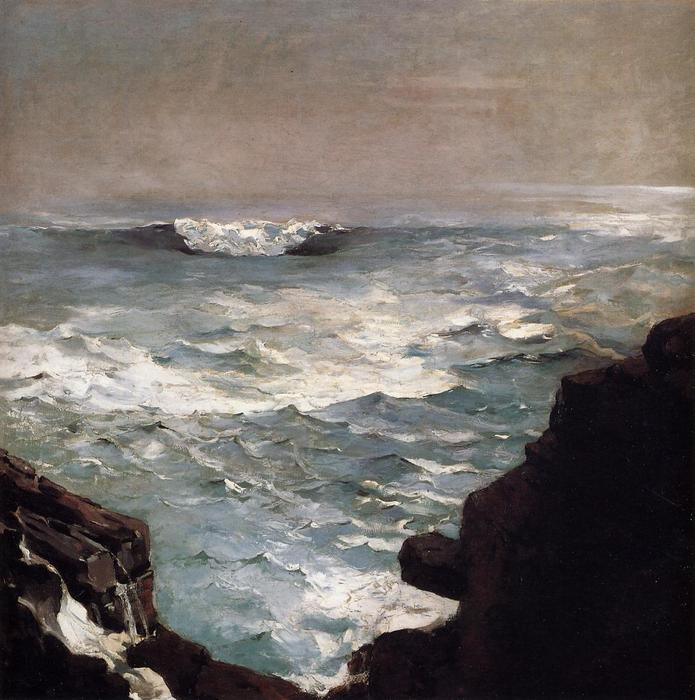
Cannon Rock: A Masterpiece of Atmospheric Impressionism
Winslow Homer’s *Cannon Rock*, completed in 1895, stands as an enduring testament to the artist's unparalleled ability to capture the sublime beauty and raw power of the Maine coastline. Currently residing within the Metropolitan Museum of Art’s collection, this oil on canvas painting transcends mere depiction; it embodies a profound engagement with the elemental forces shaping the American landscape.
Composition and Technique: Embracing Dynamic Movement
The artwork's composition is characterized by bold brushstrokes—a hallmark of Homer’s Impressionistic style—that convey an exhilarating sense of movement. Homer skillfully utilizes a triangular arrangement, anchoring the eye to the prominent rock formations dominating the foreground. These rocks aren’t rendered with meticulous detail but rather treated as textural surfaces, subtly varied in tone and hue to create a palpable illusion of depth. The artist’s masterful manipulation of light and shadow—particularly the dappled sunlight illuminating the spray of crashing waves—further amplifies the drama and evokes an atmosphere of misty contemplation.
Historical Context: Echoes of Victorian Romanticism
Painted during the height of Victorian Romanticism, *Cannon Rock* reflects a fascination with untamed nature and its capacity to inspire awe. Homer’s work aligns with the broader artistic movement's preoccupation with capturing fleeting moments of beauty and conveying emotional intensity—themes central to the era’s literary and philosophical discourse. The painting speaks to a deeper yearning for connection with the natural world, mirroring the Victorian desire for spiritual solace amidst industrial progress.
Symbolism: Confrontation with Nature’s Majesty
Beyond its aesthetic qualities, *Cannon Rock* carries symbolic weight. The towering rock formations represent resilience and permanence against the relentless onslaught of the sea—a visual metaphor for humanity's struggle to endure adversity. Homer’s depiction of turbulent waves embodies both destructive force and regenerative energy, suggesting that beauty can emerge from chaos. The solitary boat in the distance symbolizes human vulnerability within the grandeur of nature, prompting reflection on our place within the cosmos.
Emotional Impact: Capturing the Sublime
*Cannon Rock* achieves its profound emotional impact through Homer’s masterful use of color and texture. The dominant hues—deep blues and greens—evoke the coolness and mystery of the ocean depths, while flashes of sunlight imbue the scene with warmth and vibrancy. More importantly, Homer succeeds in conveying a visceral experience of awe—the sublime—that resonates deeply within the viewer. It’s a painting that invites contemplation on the grandeur of creation and the insignificance of human existence against its immensity.
- Artist: Winslow Homer
- Year Created: 1895
- Location: Metropolitan Museum of Art, New York City
- Medium: Oil on Canvas
For a stunning handmade reproduction of *Cannon Rock*, explore TopImpressionists. Discover similar masterpieces by Ivan Aivazovsky at /art/list/?Filter=8XY9EL-Ivan-Aivazovsky-Surf-near-coast-of-Crimea and Arthur Bowen Davies at /art/list/?Filter=8DP2MA-Arthur-Bowen-Davies-By-the-Roaring-Bull. Also, delve into the broader collection of European and American art at https://TopImpressionists.com and explore the Metropolitan Museum of Art’s website: https://www.metmuseum.org/
Susiję kūriniai


Autoriaus biografija
Vinslo Houmerio: Amerikos Dvasios Atspindžiai
Vinslas Houmeras, gimęs Bostone 1836 metais, nebuvo formavęsis tradicinių Europos meno akademijų, kuriomis buvo įtakoti daugelis jo to laikmečio kolegų. Jis iškilęs iš savito Amerikos patirties – įsišaknijusios praktiškume ir stebėjimuose. Jo kelionė neprasidėjo nuo didelių istorinių drobų, bet kaip komercinis iliustratorius vos būdamas dvylika metų Harper's Weekly. Šis ankstyvas mokymas buvo formatyvus, ugdant išskirtinį gebėjimą užfiksuoti scenas aiškumu ir detale – įgūdžiai, kurie taps jo brandaus darbo požymiais. Jis ne mokėsi perspektyvos Paryžiuje; jis mokėsi *matyti* Ameriką, jos žmones ir besivystančią istoriją. Busto gatvių šurmulys, kaimo Naujosios Anglijos gyvenimo tyli pagarba – tai buvo jo pirmieji objektai, atvaizduoti su tikslumu, gimusiomis iš būtinybės spaudos reikalavimams. Šis pagrindas leido jam pereiti prie tapybos, pradėjus nuo akvarelių, prieš galutinai priimdama aliejinių dažų ekspresyvųjį potencialą.Nuo Idiliškų Vaizdų iki Gamtos Žiaurumų
Houmero ankstyvosios drobės dažnai vaizduodavo idiliškas scenas – vaikai žaidžiantys, ūkininkai prižiūrintys laukus, tylias buities akimirkas. Šie darbai, nors ir patrauklūs, numynė gilesnės meninės jautriosios dalies laukiantį atskleidimą. Katalizatoriumi šiai transformacijai neabejotinai tapo Amerikos pilietinis karas. Būdamas karo korespondentu Harper's Weekly, Houmeras pirmiausia patyrė konflikto brutalumą. Jis nesikonsentruodavo į herojiškas kovas ar dideles strategijas; jis dokumentavo kasdienes karių ir civilių gyvybes, kančios ir atsigavimo akimirkas chaose. Ši patirtis giliai pakeitė jo meninę viziją. Idiliški vaizdai pasitraukė į sudėtingesnius motyvus: su traumomis kovojantys veteranai, naują pasaulį tyrinėjantys išlaisvinti vergai ir atšiaurių kraštovaizdžių grožis, paliestas vargų. Jis pradėjo nagrinėti sunkumo, izoliacijos ir žmogaus santykio su gamta temas – temos, kurios dominuos jo galingiausiuose darbuose. Taip pat išsivystė ir stilius, tapęs drąsesnis ir tiesesnis, atspindintis žiaurų emocinį poveikį, ką jis buvo matęs.Šviesos, Tekstūros ir Amerikos Kraštovaizdžio Meistriškumas
Vinslo Houmero meninis metodas iš karto atpažįstamas dėl savo tvirtumo ir tekstūros. Jis nebuvo suinteresuotas trumpalaikiais įspūdžiais; jis norėjo sukurti apčiuopiamo realumo pojūtį ant drobės. Jo aliejiniai paveikslai pasižymi tiesioginiu tapymo būdu – dažų sluoksniai dedami užtikrintais judesiais, sukuriant gylį ir šviesumą. Jis turėjo išskirtinį gebėjimą užfiksuoti šviesą, ar tai buvo saulės spindėjimas vandenyne arba tylus šeštadienio apšviestumas kaimo kraštovaizdyje. Šis meistriškumas pasireiškė ir akvarelėse, kuriose jis pasiekė nuostabius atmosferinius efektus ryškiomis spalvomis ir subtiliais plovimais. Breezing Up (A Fair Wind), sukurtas 1876 metais, puikiai iliustruoja šį gebėjimą – tipiška amerikietiškos jūrinės gyvybės atvaizdas, kupinas energijos ir judesio. The Gulf Stream, sukurtas dešimtmečius vėliau, yra galbūt jo ikoniskiausias darbas, galingas ir simbolinis žmogaus kovos su gamtos jėgomis vaizdavimas – metafora žmogaus kovai prieš įveikiamus sunkumus. Jis ne tik piešė tai, ką mato; jis perdavė jausmą, emocinę tiesą apie žmogaus būklę.Palikimas, Sukurtas Amerikos Realizmo Pagrindu
Nors Houmeras gerbė Europos dailininkus, tokius kaip Barbizon mokyklos atstovai – žinomi dėl savo realistinių kaimo gyvenimo vaizdų – ir pripažino įtaką Courbet ir Millet, jis galiausiai sukūrė savarankišką, savotišką amerikietišką kelią. Jis atmetė vyraujantį akademijos konvenciją ir vietoj to susikoncentravo į Amerikos unikalųjį dvasią užfiksuoti. Jo palikimas slypi jo gebėjime pavaizduoti Ameriką sąžiningai ir autentiškai, be romantizavimo ar idealizavimo. Jis ne norėjo imituoti Europos stilius; jis norėjo sukurti meną, kuris būtų unikaliai amerikietiškias, atspindintis jos kraštovaizdžius, žmones ir iššūkius. Innocence, jaudinantis vaikystės vaizdas, nupieštas gamtos fone, ir Man of Science, demonstruojantys jo gebėjimą užfiksuoti žmogaus psichologiją, yra liudijimai šiam įsipareigojimui. Jo įtaka galima pamatyti vėlesnių amerikiečių dailininkų darbuose, kurie siekė pavaizduoti savo šalį panašiu tiesiogumu ir emociniu gyliu.Pastovus Įspūdis: Houmero Istorinis Reikalas
Vinslo Houmero menas siūlo gilų langelį į XIX amžiaus Ameriką, suteikiantį neįkainojamą įžvalgą jo epochos socialinei, politinei ir kultūriniam kraštovaizdžiui. Jo paveikslai yra ne tik gražūs atvaizdai; tai yra galingi teiginiai apie žmogaus atsigėrimą, gamtos grožį ir galią bei amerikietiško patyrimo sudėtingumą. Jis mirė 1910 metais, palikęs produktyvų darbų korpusą, kuris iki šiol sužadina auditoriją. Jo gebėjimas užfiksuoti tautos esmę, besivystančią greitai keičiantis laikotarčiu – nuo pilietinio karo pasekmių iki naujosios šimtmečio aušros – užtikrina jo vietą kaip vieno iš svarbiausių ir ilgalaikiškiausių amerikiečių dailininkų. Jis ne tik piešė paveikslus; jis dokumentavo laiką, išsaugojo jį ateinančioms kartoms.- Jo darbai iki šiol įkvepia šiuolaikinės dailininkės.
- Houmeras lieka esminis veiksnys lavinant Amerikos realizmą.

Vinslou Homeris
1836 - 1910 , JAV
Trumpa informacija apie kūrėją
- Gimimo Data: 1836 m. vasario 24 d.
- Gimimo Vieta: Bostonas, JAV
- Meninis Stilius: Amerikos realizmas
- Mirties Data: 1910 m. rugsėjo 29 d.
- Pilnas Pavadinimas: Vinslou Homeris
- Poveikį Patyrė: ['Amerikos dailininkai']
- Tautybė: Amerikietis
- Įtakoję Menininkai:
- Barbizon mokykla
- Courbet
- Millet
- Žymūs Kūriniai:
- Breezing Up
- The Gulf Stream
- Innocence
- Man of Science
Susiję straipsniai
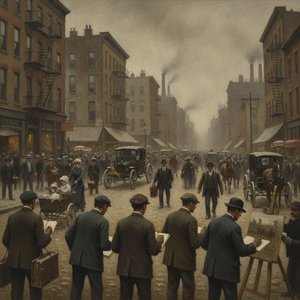
The Ashcan School: Capturing the Raw, Unfiltered Soul of Urban Life through American Realism
Discover the raw beauty of the Ashcan School. Explore how masters like Bellows and Henri captured the gritty, vibrant soul of early 20th-century New York through profound American Realism and evocative urban landscapes.

The Unvarnished Truth: A Cultural Journey Through the Soul of American Realism
Explore the profound beauty of American Realism. From the Ashcan School's urban grit to intimate portraits, discover how artists captured the authentic soul of a nation through unvarnished truth and masterful observation.
Tyrinėkite meno kūrinius, suskirstytus pagal temas, stilius ir savybes.


