


 Bekijk op ware grootte
 Verstuur
 Delen
Delen
 Details bekijken
 Gids voor studentenkunstwerken

 Download
 Vergelijkbare items
 Röntgenonderzoek
 Diavoorstelling
 Statistieken
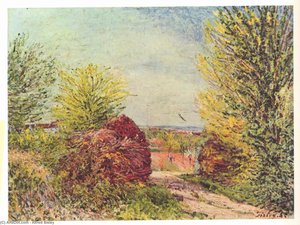
The Machine at Marly
 Oil On Canvas
- WallArt
- Impressionist Landscape
 1873
1873- 19th Century
 45.0 x 64.0 cm
Experience Alfred Sisley’s ‘The Machine at Marly,’ a serene Impressionist landscape capturing fleeting light and movement with soft brushstrokes. Admire this beautiful 1873 painting and discover more artwork to own.
 Lees meer
Alfred Sisley (1839-1899): Brits-Frans Impressionist meester van serene landschappen, vastende licht op rivieren & Franse platteland met delicate schoonheid.
Giclée / Kunstafdrukken
Giclée- of canvasafdruk van museumkwaliteit met een snelle productie en flexibele afwerkingsmogelijkheden. ( Koop handgeschilderd kunstwerk Schakel over naar digitale afbeeldingen)




P118B €10

P118H €10

P118W €10

P438Z €10

P508JH €12

P508YH €12

P805H €10

P805Z €10

P919BZ €10

P919G €10

P919XJ €10

P959ZH €10

P968JZ €12

W106C €8

W218G €10

W218JH €8

W218Y €10

W307PJ €10

W316G €10

W316PJ €8

W316Y €10

W398PJ €8

W4111J €10

W500HY €15

W500JH €15

W692G €12

W849H €8

W940BG €15

W953PJ €8




Standaardformaat
op maat gemaakt
CM
INCH
Kies uit onze vooraf ingestelde maten die overeenkomen met de originele verhoudingen van het kunstwerk.
Loading sizes...

breedte
hoogte
Type the width and the height you need, to fit your frame or your wall. A print can only be cut, never made bigger than the picture, so a size with a different shape loses a part of the image. We send you a digital mockup to approve before we print anything. The picture shown on this page does not show the real cut — only the mockup does.
Wereldwijde levering () binnen 2 weken in plaats van de standaard 4/5 weken. (15 oktober)

Gratis wereldwijde expressverzending

Hoogwaardig linnen canvas

Volledige verzendverzekering

Garantie op terugbetaling van invoerrechten

Garantie op exacte kleurweergave

Retourbeleid van 100 dagen (alleen bij defecten)

100% Geld-terug-garantie

Korting bij meerdere afnames
 De optie voor glas is alleen beschikbaar bij een formaat kleiner dan 110 cm.

The Machine at Marly
Giclée / Kunstafdrukken
Formaat reproductie
-


Totaalprijs
€ 61
A Moment Frozen in Light: Alfred Sisley’s ‘The Machine at Marly’
Alfred Sisley's “The Machine at Marly,” painted in 1873, is more than just a depiction of a harbor scene; it’s an exquisite distillation of the Impressionist philosophy – a fleeting capture of light and atmosphere that resonates with a profound sense of tranquility. This oil on canvas work transports us to a serene moment along the Seine, offering a glimpse into the rural life that captivated artists like Sisley during this pivotal period in art history. The painting’s composition is deceptively simple: boats gently bobbing in the water, framed by the muted tones of buildings that suggest a distant town, and punctuated by the subtle presence of human figures engaged in everyday activities. Yet, within this apparent stillness lies a dynamic interplay of color and brushstroke, characteristic of Sisley's masterful technique.
Impressionist Technique: A Dance with Light
- Soft Brushstrokes: Sisley’s signature style is immediately recognizable through his use of feathery, broken brushstrokes. These aren’t meant to create a photographic representation but rather to evoke the *impression* of light and movement. Notice how he uses short, choppy strokes to depict the shimmering surface of the water and the hazy forms of the buildings in the background.
- Color as Emotion: The palette is dominated by muted greens, blues, and yellows – colors chosen not for their literal representation but for their ability to convey mood and atmosphere. The warm yellow tones of the buildings contrast beautifully with the cooler hues of the water, creating a harmonious balance that draws the eye across the canvas.
- Emphasis on Light: Sisley was obsessed with capturing the effects of light at different times of day. “The Machine at Marly” exemplifies this obsession, showcasing how sunlight transforms the landscape and imbues it with a sense of warmth and vitality.
Historical Context & Symbolism – The Machine’s Quiet Significance
Painted in 1873, "The Machine at Marly" reflects the burgeoning Impressionist movement's rejection of academic conventions and its embrace of contemporary subject matter. Sisley was part of a group of artists who sought to paint *en plein air* – outdoors – directly observing nature and capturing its fleeting beauty. The painting depicts the Barrage de la Machine de Marly, a hydraulic machine used for irrigation, adding an element of industrial activity to this otherwise idyllic scene. This juxtaposition subtly highlights the relationship between humanity and the natural world, a theme frequently explored by Sisley in his work. The presence of figures engaged in simple tasks – likely laborers or boatmen – further grounds the painting in its social context.
A Legacy of Tranquility: Sisley’s Enduring Appeal
"The Machine at Marly" is a testament to Alfred Sisley's ability to capture not just a visual scene, but also an emotional state. Its serene atmosphere and masterful technique have ensured its place as one of the most beloved works in the Impressionist canon. Reproductions of this painting offer a chance to bring this moment of quiet beauty into your own space, allowing you to experience the same sense of tranquility that captivated Sisley himself. This artwork is a perfect addition for those seeking a touch of understated elegance and a connection to the heart of the Impressionist movement.
Size:** 45 x 64 cm Date:** 1873Vragen & Antwoorden
Hoe komen medium en beweging samen in "The Machine at Marly"?
In "The Machine at Marly" ontmoet de Oil On Canvas-techniek de Impressionist Landscape-stroming.
In welke periode van de carrière van Alfred Sisley valt "The Machine at Marly"?
"The Machine at Marly" behoort tot de Mature Impressionism in de carrière van Alfred Sisley. Deze classificatie plaatst het werk in de context van de ontwikkeling van de kunstenaar.
Behoort "The Machine at Marly" door Alfred Sisley tot het publiek domein?
De auteursrechtelijke status van "The Machine at Marly" door Alfred Sisley: het werk is bevindt zich in het publiek domein - de auteursrechten zijn verlopen. Dit bepaalt of reproducties van de afbeelding vrijelijk mogen worden gemaakt.
Gerelateerde kunstwerken




Biografie van de kunstenaar
A Life Immersed in Light and Landscape
Alfred Sisley, een naam die vaak genoemd wordt naast die van Monet, Renoir en Pissarro, bezit een uniek en diepgaand prachtig plaatsje binnen de Impressionistische beweging. Geboren in Parijs op 30 oktober 1839, als kind van Britse ouders – William Sisley, een zijlfabrikant, en Felicia Sell, een muziekenthousiast – droeg hij een dubbele erfenis met zich mee die subtiel invloed had op zijn artistieke visie. Hoewel hij bijna zijn hele leven in Frankrijk doorbracht, behield Sisley zijn Britse nationaliteit, een feit dat hem later in het leven persoonlijke teleurstelling bezorgde toen zijn aanvraag voor Franse naturalisatie werd afgewezen. Zijn vroege jaren waren comfortabel bourgeois, waardoor hij de mogelijkheid kreeg om aanvankelijk studies te volgen die bestemd waren voor een commerciële carrière in Londen op de leeftijd van achttien. Echter, de aantrekkingskracht van kunst bleek te sterk en hij keerde in 1861 terug naar Parijs, waar hij formeel onderricht kreeg bij de Zwitserse kunstenaar Marc-Charles-Gabriel Gleyre aan de École des Beaux-Arts. Hier, midden in de bloeiende artistieke ferment van die tijd, sloot Sisley belangrijke vriendschappen met Monet, Renoir en Bazille – relaties die zijn artistieke traject diepgaand zouden beïnvloeden. Deze kompanons deelden een rebelliegeest, weigerend de rigide conventies van academische schilderkunst te accepteren in plaats daarvan om de vluchtige effecten van licht en atmosfeer direct uit de natuur vast te leggen.De Stille Meester van het Impressionisme
Sisley’s toewijding aan *plein air* - schilderen buiten, direct observerend de natuurlijke wereld – was onwrikbaar. Anders dan sommige van zijn tijdgenoten die experimenteerden met verschillende genres, bleef Sisley trouw aan landschap gedurende zijn hele carrière. Deze gefocuste devotie stelde hem in staat om een kenmerkende stijl te verfijnen gekenmerkt door sereniteit, delicate kleurenpaletten en een subtiele weergave van licht. Zijn doeken zijn vaak overspoeld met zachte tinten groen, roze, paars, stoffig blauw en crème, waardoor een sfeer van serene contemplatie ontstaat. Hoewel de vroege werken grotendeels verloren zijn gegaan in de tijd, onthulden zijn latere schilderijen een nauwe observatie van de natuur gecombineerd met een poëtische gevoeligheid. Hij was niet geïnteresseerd in grote verhalen of dramatische gebaren; in plaats daarvan vond hij schoonheid in het alledaagse – in de zachte stroom van rivieren, het gefilterde licht door bomen en de rustige charme van het platteland. Zijn vroege worstelingen met erkenning werden verder bemoeilijkt door zijn vader’s financiële moeilijkheden na de Frans-Pruisische Oorlog in 1870, waardoor Sisley alleen kon leven van de verkoop van zijn kunst – een precair bestaan dat veel van zijn carrière schaduwde. Hij was werkelijk een Impressionist, maar één die relatief onopgemerkt bleef tijdens zijn leven.Rivieren, Kanalen en de Essentie van Plaats
Herhaalde thema’s doemen op in Sisley’s oeuvre, met name zijn fascinatie voor water. Rivierlandschappen werden een kenmerkend onderwerp, zoals blijkt uit zijn reeks schilderijen die hij maakte tijdens een reis naar Engeland in 1874 langs de Thames nabij Molesey. Deze werken, die de rustige schoonheid van de rivier en haar omgeving vastleggen, worden beschouwd als onder zijn beste prestaties – een “perfect moment of Impressionism,” zoals kunsthistoricus Kenneth Clark het omschreef. Hij ontwikkelde ook een diepe band met Moret-sur-Loing, waar hij vele jaren woonde, en verbeeldde talloze doeken de schoonheid ervan. Schilderijen als "Watermolen nabij Moret," "Bootjes op de Loing Kanaal, Lente" en “Velden rond het Bos” tonen zijn vermogen om de schoonheid van alledaagse scènes te onthullen met een gevoel van poëtische gratie. Hij beschouwde niet alleen deze plaatsen; hij ving hun *essentie* vast, doorgeven niet alleen wat ze eruitzagen maar ook hoe ze voelden – de zachte bries, de warmte van de zon en het rustige gefluister van het water. Deze gevoeligheid voor atmosfeer en stemming is misschien Sisley’s meest blijvende nalatenschap.Invloeden en een Laatste Erfgoed
Sisley’s artistieke invloeden waren veelzijdig. Gleyre’s academische training bood een basis in techniek, terwijl de vriendschap met Monet, Renoir en Bazille een gedeelde toewijding aan Impressionistische principes bevorderde. Hij absorbeerde hun nadruk op het vastleggen van vluchtige momenten van licht en atmosfeer, maar ontwikkelde zijn eigen unieke stem – één gekenmerkt door bezuiniging en subtiliteit. Hoewel hij relatief onopgemerkt bleef tijdens zijn leven, wordt zijn werk nu gevierd om zijn schoonheid, gevoeligheid en onwrikbare toewijding aan het vastleggen van de schoonheid van de natuur. Zijn invloed is te zien in het werk van latere landschapsschilders die op dezelfde manier de vluchtige kwaliteiten van licht en atmosfeer wilden vastleggen met vergelijkbare nuance. Hij stierf op 29 januari 1899, op de leeftijd van vijftig negen, in Moret-sur-Loing, waardoor een oeuvre achterbleef dat nog steeds bewondering en waardering inspireert. Alfred Sisley staat als getuigenis van de kracht van stille observatie, aantoont dat ware artistieke meesterschap niet ligt in grote gebaren maar in het vermogen om de ongewone schoonheid te onthullen die verborgen is in de alledaagse wereld. Hij vertegenwoordigt een cruciale schakel tussen de Barbizon school, met zijn nadruk op realistische landschapsschilderkunst, en de volle bloei van het Impressionisme.
Alfred Sisley
1839 - 1899 , Frankrijk
Snelle feiten
- Artistic Movement Or Style: Impressionisme
- Artists Or Movements Influenced By This Artist:
- Barbizon
- Impressionisten
- Artists Who Influenced This Artist:
- Gleyre
- Monet
- Renoir
- Date Of Birth: 30 okt 1839
- Date Of Death: 29 jan 1899
- Full Name: Alfred Sisley
- Nationality: Britse-Franse
- Notable Artworks:
- Watermolen
- Barge
- Velden
- Place Of Birth: Parijs, Frankrijk
Gerelateerde artikelen

TopImpressionists.com F.A.Q.: Discover the Vibrant Beauty of Our Premium Art Poster Prints
Explore the technical excellence of TopImpressionists.com's premium art poster prints. Discover how our 12-color pigment system and archival inks capture the luminous beauty of Impressionist masterpieces with unmatched color fidelity and museum-grade durability for the discerning collector.

The Magic of Lithography: Capturing Light and Texture in Every Impressionist Print
Discover the enchanting world of lithography through an Impressionist lens. Explore how this timeless technique captures the luminous light and delicate textures of masters like Monet and Renoir, offering a profound way to bring art history into your home with elegance and soul.

The Magic of Giclée: Bringing Impressionist Masterpieces to Your Walls with Vivid Detail
Discover the breathtaking beauty of Impressionist masterpieces with our museum-quality Giclée prints. Experience vivid detail, archival pigments, and the luminous light of Monet and Van Gogh, expertly preserved to bring timeless elegance and sophisticated artistry into your home.
Ontdek kunstwerken georganiseerd op thema, stijl en kenmerk.


