


 Bekijk op ware grootte
 Verstuur
 Delen
Delen
 Details bekijken
 Gids voor studentenkunstwerken

 Download
 Vergelijkbare items
 Röntgenonderzoek
 Diavoorstelling
 Statistieken
Self-Portrait


Admire Carlo Dolci's iconic Self-Portrait (1674), a masterpiece of Florentine Baroque artistry housed at the Galleria degli Uffizi. Explore its serene beauty and masterful technique – a timeless testament to spiritual devotion.
 Lees meer
Carlo Dolci (1616-1686): Ontdek de serene vroomheid en gedetailleerde precisie van deze Florentijnse Barokmeester. Bekijk zijn religieuze meesterwerken zoals 'St. Sebastian' en leer over zijn artistieke nalatenschap.
Giclée / Kunstafdrukken
Giclée- of canvasafdruk van museumkwaliteit met een snelle productie en flexibele afwerkingsmogelijkheden. ( Koop handgeschilderd kunstwerk Schakel over naar digitale afbeeldingen)




P118B €10

P118H €10

P118W €10

P438Z €10

P508JH €12

P508YH €12

P805H €10

P805Z €10

P919BZ €10

P919G €10

P919XJ €10

P959ZH €10

P968JZ €12

W106C €8

W218G €10

W218JH €8

W218Y €10

W307PJ €10

W316G €10

W316PJ €8

W316Y €10

W398PJ €8

W4111J €10

W500HY €15

W500JH €15

W692G €12

W849H €8

W940BG €15

W953PJ €8




Standaardformaat
op maat gemaakt
CM
INCH
Kies uit onze vooraf ingestelde maten die overeenkomen met de originele verhoudingen van het kunstwerk.
Loading sizes...

breedte
hoogte
U kunt uw eigen afmetingen opgeven om in een specifieke lijst of ruimte te passen. Als de door u gekozen maat niet overeenkomt met de proporties van het originele kunstwerk, zullen wij de afbeelding bijsnijden of uitbreiden met een gespiegelde of effen rand. Een digitaal mockup wordt ter goedkeuring naar u verzonden voordat de productie begint.
Houd er rekening mee dat de preview op het scherm de werkelijke bijsneding of uitbreiding niet weergeeft. Alleen de mockup toont de uiteindelijke compositie nauwkeurig.
Hoewel aangepaste maten beschikbaar zijn, raden wij aan een afmeting uit de vooraf bepaalde lijst te kiezen om de originele proporties te behouden.
Wereldwijde levering () binnen 2 weken in plaats van de standaard 4/5 weken. (4 oktober)

Gratis wereldwijde expressverzending

Hoogwaardig linnen canvas

Volledige verzendverzekering

Garantie op terugbetaling van invoerrechten

Garantie op exacte kleurweergave

Retourbeleid van 100 dagen (alleen bij defecten)

100% Geld-terug-garantie

Korting bij meerdere afnames
 De optie voor glas is alleen beschikbaar bij een formaat kleiner dan 110 cm.

Self-Portrait
Giclée / Kunstafdrukken
Formaat reproductie
-


Totaalprijs
€ 60
A Window Into Florentine Baroque Piety
In the quiet corridors of the Galleria degli Uffizi, there exists a painting that does not merely capture a face, but rather invites the viewer into a profound state of meditation. Carlo Dolci’s Self-Portrait, completed in 1674, stands as a luminous testament to the spirit of Florentine Baroque piety. Unlike the grand, theatrical spectacles often associated with the Roman Baroque period, Dolci’s work offers an intimate encounter with the soul. Through a masterful command of light and shadow, he presents himself not as a boastful creator, but as a man of deep introspection and spiritual gravity. The painting serves as a bridge between the physical world of the artist and the internal landscape of his devotion, making it a captivating centerpiece for any collection that values emotional depth and historical resonance.
The technical brilliance of this masterpiece lies in Dolci’s adherence to the Florentine tradition of disegno. Every contour of his profile is rendered with an almost obsessive precision, reflecting a dedication to anatomical accuracy and textural realism. The artist employs a subdued palette—dominated by deep blacks, muted browns, and subtle grays—which directs the eye toward the soft, diffused light playing across his features. This use of chiaroscuro is not used for dramatic shock, but to create a sense of serene atmosphere. For the discerning collector or interior designer, this technique provides a sophisticated aesthetic; the painting’s tonal harmony allows it to integrate seamlessly into refined spaces, offering a sense of timeless dignity and quiet strength.
Symbolism and the Artist's Legacy
Beyond the mere likeness of the artist, the composition is rich with symbolic weight. As Dolci gazes slightly to the left, his posture suggests a mind preoccupied with thoughts beyond the canvas. In his hand, he holds a small card or miniature portrait, a gesture that introduces themes of memory, legacy, and the interconnectedness of art and life. This inclusion transforms the self-portrait from a simple study of identity into a complex narrative about the artist's relationship with his craft and his faith. It is as if Dolci is presenting us with a piece of his own heart, inviting us to contemplate the very essence of what it means to create with purpose.
To possess a reproduction of this work is to bring a fragment of the Medici-era Florentine Renaissance into the modern home. The painting embodies an era where art was an instrument of both civic pride and spiritual renewal. Its emotional impact is immediate yet enduring; it does not demand attention through loudness, but commands respect through its stillness. Whether placed in a study, a library, or a curated gallery wall, Dolci’s Self-Portrait acts as an anchor of sophistication, providing a focal point that inspires contemplation and celebrates the enduring power of the human spirit captured in oil and canvas.
Vragen & Antwoorden
Hoe verhoudt het onderwerp van "Self-Portrait" zich tot de gebruikelijke thema's van Carlo Dolci?
"Self-Portrait" verbeeldt portraiture, baroque art, religious painting, detail, florentine style, light shadow, introspection, terwijl de bekende thema's van Carlo Dolci religious devotion, florentine tradition, baroque style, psychological depth, artist’s legacy zijn. Een vergelijking tussen beide laat zien hoe het werk zich verhoudt tot de gebruikelijke onderwerpen van de kunstenaar.
Aan welke kunstenaar wordt "Self-Portrait" toegeschreven?
"Self-Portrait" is gemaakt door Carlo Dolci. De informatie op deze pagina beschrijft het originele werk van Carlo Dolci.
Op welke leeftijd maakte Carlo Dolci "Self-Portrait"?
Carlo Dolci was 58 jaar oud bij het creëren van "Self-Portrait" in 1674. De leeftijd is berekend op basis van het geboortejaar van de kunstenaar, 1616.
Welk gebruik en welke ruimte worden aanbevolen voor "Self-Portrait" door Carlo Dolci?
"Self-Portrait" wordt aanbevolen voor Statement, en de ideale ruimte hiervoor is een Living Room.
Wat is de emotionele toon van "Self-Portrait" door Carlo Dolci?
"Self-Portrait" roept een Reflective gevoel op. De emotionele toon beschrijft de indruk die het werk achterlaat.
Hoe komen contrast en harmonie samen in "Self-Portrait"?
De kleurcompositie van "Self-Portrait" door Carlo Dolci combineert een Bold contrast met een Discordant Palette harmonie.
Wat is de creatiedatum van "Self-Portrait" door Carlo Dolci?
"Self-Portrait" door Carlo Dolci werd gemaakt in 1674.
Biografie van de kunstenaar
Een Florentijnse Meester van Barokke Vroomheid
Carlo Dolci, geboren in Florence in 1616, is een boeiende figuur binnen het Italiaanse baroklandschap – een schilder wiens intens devotionele werken en minutieuze techniek zijn plaats verzekerden onder de meest gewilde kunstenaars van zijn tijd. In tegenstelling tot veel tijdgenoten die werden aangetrokken door de dramatische grootsheid van Rome, bleef Dolci standvastig geworteld in de Florentijnse traditie, waarbij hij een stijl cultiveerde die gekenmerkt werd door stille intensiteit en diepe spirituele diepte. Zijn leven ontvouwde zich tegen de achtergrond van artistieke opwinding, maar hij volgde een uniek pad dat niet werd bepaald door overvloedige productie, maar door een onwrikbare toewijding aan detail en emotionele resonantie. Vanaf zijn vroegste training onder Jacopo Vignali demonstreerde Dolci een uitzonderlijk talent en vestigde hij al snel een reputatie voor precisie die het kenmerk van zijn oeuvre zou worden. Hij werd niet gedreven door uitgestrekte composities of dynamische verhalen; in plaats daarvan concentreerde hij zich op intieme portretten van religieuze onderwerpen, vaak herhaalde hij favoriete thema's in meerdere versies – een bewijs van hun blijvende aantrekkingskracht en misschien een weerspiegeling van zijn methodische aanpak.Vroege Leven en Artistieke Vorming
Dolci’s artistieke reis begon binnen een familie die al met creativiteit was aangeraakt, waardoor een vroege voedingsbodem ontstond voor zijn aangeboren vaardigheden. Leerling bij Jacopo Vignali op verrassend jonge leeftijd, absorbeerde hij de lessen van een meester die bekend stond om zijn dramatische flair, maar Dolci begon al snel zijn eigen onderscheidende stem te ontwikkelen. Zelfs als jongen was zijn toewijding aan het vastleggen van minutieuze details en het overbrengen van emotioneel gewicht evident. Er doen verhalen de ronde over zijn nauwgezette benadering – een toewijding die zo grondig was dat het naar verluidt weken kostte om zelfs maar één ledemaat van een figuur te voltooien. Deze bewuste snelheid werd niet geboren uit traagheid, maar eerder uit een intense wens naar perfectie, een streven om elke penseelstreek doordrenkt met spirituele betekenis. Hij verwierf snel erkenning in Florentijnse kringen, trok opdrachten aan van prominente families en vestigde zijn workshop voordat hij de volwassenheid bereikte. Terwijl andere kunstenaars de bruisende artistieke scene van Rome zochten, bleef Dolci in Florence, diep verbonden met haar tradities en beschermheren. Deze standvastige loyaliteit aan zijn geboortestad vormde niet alleen zijn carrière, maar ook de essentie van zijn kunst.Stijl en Opmerkelijke Werken
Dolci’s stijl is onmiddellijk herkenbaar – een harmonieuze mix van rijke kleur, minutieuze details en diepe emotionele expressie. Zijn schilderijen gaan niet over groots spektakel; het zijn intieme ontmoetingen met het geloof, weergegeven met een tederheid die tot contemplatie uitnodigt. Hij beeldde vaak scènes uit het leven van heiligen en bijbelse verhalen af, waarbij hij zich concentreerde op momenten van stille toewijding of hartzeer. St Sebastian wordt bijvoorbeeld niet afgebeeld als een heroïsche martelaar, maar als een figuur verteerd door spirituele angst, zijn lichaam prachtig weergegeven om de kwetsbaarheid te benadrukken in plaats van kracht. Evenzo onthullen zijn afbeeldingen van de vier evangelisten een diep begrip van menselijke psychologie en vangen ze hun individuele persoonlijkheden met opmerkelijke gevoeligheid. Christus breekt het brood, een ander gevierd werk, is een voorbeeld van zijn vermogen om heilige momenten over te brengen met onderkoelde gratie en emotionele kracht. Zijn dochter, Agnese Dolci, speelde een belangrijke rol bij de verspreiding van zijn artistieke visie door bekwame reproducties van het schilderwerk van haar vader te maken die zijn bereik en invloed verder uitbreidden. Deze reproducties, hoewel geen originele creaties, getuigen van de vraag naar Dolci’s werk en de blijvende aantrekkingskracht van zijn stijl.Nalatenschap en Historische Betekenis
De impact van Carlo Dolci op de Florentijnse kunst is onmiskenbaar. Hij staat als een sleutelfiguur in de ontwikkeling van de barokstijl binnen de stad, die aanzienlijk bijdraagt aan het rijke artistieke erfgoed ervan. Hoewel hij beïnvloed werd door eerdere meesters zoals Giovanni Bellini en Bramantino, smidde hij zijn eigen unieke pad, gekenmerkt door een stille intensiteit en devotionele focus die hem onderscheidde van veel van zijn tijdgenoten. Zijn schilderijen sieren nog steeds prestigieuze instellingen zoals de Uffizi Gallery in Florence, waar de Contini Bonacossi Collection een bijzonder rijke vertegenwoordiging van zijn oeuvre biedt. De blijvende aantrekkingskracht van Dolci’s werk ligt niet alleen in zijn technische genialiteit, maar ook in het vermogen om diepe spirituele emoties op te roepen. Hij schilderde niet alleen religieuze scènes; hij creëerde visuele meditaties over het geloof en nodigde kijkers uit om op een diep persoonlijk niveau met het goddelijke verbinding te maken. Zijn nalatenschap strekt zich uit voorbij zijn schilderijen – hij vertegenwoordigt een toewijding aan artistieke excellentie en een geloof in de kracht van kunst om vroomheid en contemplatie te inspireren. Zelfs vandaag de dag biedt het verkennen van Dolci’s meesterwerken een blik in het hart van 17e-eeuws Florence en de blijvende kracht van barokkunst.
Carlo Dolci
1616 - 1686 , Italië
Snelle feiten
- Artistic Movement Or Style: Barok
- Artists Or Movements Influenced By This Artist: ['Agnese Dolci']
- Artists Who Influenced This Artist: ['Jacopo Vignali']
- Date Of Birth: 25 mei 1616
- Date Of Death: 17 januari 1686
- Full Name: Carlo Dolci
- Nationality: Italiaan
- Notable Artworks:
- St Sebastian
- Christ Breaking Bread
- Place Of Birth: Florence, Italië
Gerelateerde artikelen

Kunst reproducties: Een gids voor olie-, canvas- en papierreproductiemedia
Ontdek hoogwaardige kunst reproducties bij . Kies uit olie op canvas, prints en meer. Maatwerk mogelijk! Vertrouw op onze expertise voor museumkwaliteit replica's.

From Initial Sketch to Enduring Legacy: A Comprehensive Exploration of the Oil Painting Reproduction Process
Discover the art of museum-quality oil painting reproduction. Explore our expert process, skilled artists & authentic replicas. Elevate your home with timeless beauty – handcrafted and customized to your vision.

De Subtiele Nuances van Digitale Kunst: Waarom Op Maat Gemaakte Prints de Authenticiteit van een Foto Vangen en Overstijgen
Transformeer uw herinneringen tot unieke kunstwerken met TopImpressionists. Handgeschilderde reproducties & gepersonaliseerde designs van museumkwaliteit. Expertise, betrouwbaarheid & 100 dagen garantie.
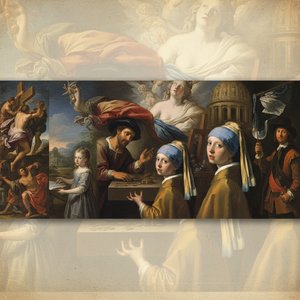
Top 10 Barok Meesterwerken: Kunstgeschiedenis voor uw Interieur | TopImpressionists.nl
Ontdek de 10 meest iconische Barok meesterwerken van Caravaggio, Rembrandt & Rubens! Duik in de geschiedenis en passie achter deze klassieke schilderijen. Vind museumkwaliteit reproducties voor uw interieur op TopImpressionists.com.

Breng Drama in uw Interieur: De Tijdloze Elegantie van Barokke Meesterwerken
Ontdek de tijdloze grandeur van Barokke meesterwerken voor uw interieur. TopImpressionists biedt exclusieve, handgeschilderde olieverf reproducties van wereldklasse. Breng drama en luxe in huis met onze authentieke technieken en persoonlijke kunstconsultatie. Uw venster naar klassieke elegantie.
Ontdek kunstwerken georganiseerd op thema, stijl en kenmerk.

