


 Voorvertoning
 Verstuur
 Delen
Delen
 Details bekijken
 Gids
Gids

 Download
 Vergelijkbare items
 Röntgenonderzoek
 Diavoorstelling
 Statistieken
Het Maskeradebal bij de Opera
 Acryl op canvas
- Wanddecoratie
- Impressionism
 1873
1873 382.0 x 467.0 cm
 Artizon Museum
Een baanbrekende Impressionistische schilderkunst van Édouard Manet die het decadente Parijs van de Belle Époque vastlegt met dramatische lichtschaduw en een kritische blik op sociale conventies.
 Lees meer
Ontdek Édouard Manet (1832-1883), een sleutelfiguur tussen Realisme & Impressionisme! Bekijk iconische werken en zijn invloed op de moderne kunst.
Giclée / Kunstafdrukken
Giclée- of canvasafdruk van museumkwaliteit met een snelle productie en flexibele afwerkingsmogelijkheden. ( Bestel handgeschilderde reproductie Schakel over naar digitale afbeeldingen)




































Standaardformaat
op maat gemaakt
CM
INCH
Kies uit onze vooraf ingestelde maten die overeenkomen met de originele verhoudingen van het kunstwerk.
Loading sizes...

breedte
hoogte
Voer de gewenste breedte en hoogte in, passend bij uw lijst of muur. Een afdruk kan alleen worden ingekort en nooit groter worden gemaakt dan het origineel; een formaat met andere verhoudingen zal daarom een deel van de afbeelding verliezen. Wij sturen u een digitaal mockup ter goedkeuring voordat we tot drukwerk overgaan. De afbeelding op deze pagina toont niet de werkelijke uitsnede — dit is alleen te zien op het mockup.
Wereldwijde levering () binnen 2 weken in plaats van de standaard 4/5 weken. (25 oktober)

Gratis wereldwijde expressverzending

Hoogwaardig linnen canvas

Volledige verzendverzekering

Garantie op terugbetaling van invoerrechten

Garantie op exacte kleurweergave

Retourbeleid van 100 dagen (alleen bij defecten)

100% Geld-terug-garantie

Korting bij meerdere afnames
 De optie voor glas is alleen beschikbaar bij een formaat kleiner dan 110 cm.

Het Maskeradebal bij de Opera
Giclée / Kunstafdrukken
Afmetingen reproductie
-


Eindtotaal
€ 61
Édouard Manet’s Masked Ball at the Opera: A Bold Declaration of Impressionism
Édouard Manet's "Masked Ball at the Opera" represents more than just a depiction of Parisian society; it embodies a defiant challenge to artistic conventions and stands as a cornerstone of Impressionist art. Produced in spring 1873, this painting immediately ignited controversy upon its debut at the Salon, cementing Manet’s reputation as an artist unafraid to provoke and innovate—a characteristic that continues to fascinate scholars and collectors alike.Contextualizing the Painting
The Salon rejected “Masked Ball at the Opera,” primarily due to its daring subject matter and stylistic choices. This rejection underscored the Salon's conservative stance toward artistic experimentation, highlighting the crucial tension between tradition and modernity that defined the Belle Époque era. Manet’s intention wasn’t merely to record a social event; he sought to capture the fleeting atmosphere of the opera house—the buzz of conversation, the shimmer of candlelight, and the palpable excitement of the attendees. He meticulously observed natural light, mirroring the energy of the scene with rapid brushstrokes that convey immediacy and dynamism. The painting portrays a group of elegantly dressed men surrounding masked women who are dancers and courtesans – a tableau reflecting the complexities of social relationships and desires within Parisian high society.Artistic Technique and Composition
Manet’s masterful use of chiaroscuro—the dramatic interplay of light and dark—is particularly noteworthy. He skillfully sculpted figures, creating depth and emphasizing key compositional elements. Unlike academic painters who prioritized meticulous detail and idealized forms, Manet embraced a looser brushstroke technique that prioritizes capturing the essence of the moment rather than photographic accuracy. The swirling movement within the room is depicted with energetic strokes, mirroring the bustling energy of the opera house itself. Furthermore, Manet’s careful placement of figures—particularly the towering pillars—guides the viewer's eye across the canvas, reinforcing the sense of grandeur and highlighting the relationships between individuals.Symbolism and Social Commentary
Beyond its aesthetic brilliance, “Masked Ball at the Opera” is laden with symbolic meaning. The masks worn by the women represent hidden identities and unspoken desires – a commentary on the façade of appearances versus the realities beneath. Simultaneously, the men’s formal attire symbolizes their public persona—a carefully constructed image designed to impress. Manet subtly critiques the hypocrisy inherent in aristocratic circles, exposing the pursuit of pleasure and status without moral consideration. The inclusion of a clown adds an element of irony, disrupting the solemn atmosphere and hinting at anxieties surrounding social norms and expectations.Relevance and Legacy
“Masked Ball at the Opera” remains profoundly influential on subsequent Impressionist artists and continues to inspire admiration for its boldness and innovation. It’s not simply a beautiful painting; it's a snapshot of a pivotal moment in artistic history—a testament to Manet’s unwavering commitment to portraying modern life with honesty and passion. For those seeking inspiration or considering acquiring a high-quality reproduction, explore more about Édouard Manet and his groundbreaking work on TopImpressionists.com.Veelgestelde vragen
Hoe bekend is "Het Maskeradebal bij de Opera" van Édouard Manet?
"Het Maskeradebal bij de Opera" wordt geclassificeerd als Iconisch.
Waar kan ik een digitale afbeelding van "Het Maskeradebal bij de Opera" door Édouard Manet kopen?
"Het Maskeradebal bij de Opera" is beschikbaar als een digitale afbeelding in hoge resolutie om te downloaden, direct te verkrijgen op de Digitale afbeelding pagina.
Hoe komen stroming en tijdperk samen in "Het Maskeradebal bij de Opera" door Édouard Manet?
"Het Maskeradebal bij de Opera" door Édouard Manet behoort tot de Impressionism-stroming, uit de 19e eeuw-periode van de maker.
Vergelijkbare kunstwerken


Biografie kunstenaar
Een Parijse Rebel: Het Leven en Werk van Édouard Manet
Édouard Manet, geboren in 1832 in een welgestelde burgerfamilie in Parijs, leek aanvankelijk niet voorbestemd voor het leven van een revolutionair kunstenaar. Zijn vader, een gerespecteerd rechter, koesterde de hoop op een veilige toekomst voor zijn zoon als jurist of misschien marineofficier – respectabele beroepen die pasten bij hun sociale status. Toch lag Manets hart al van jongs af aan bij de kunst. Op elfjarige leeftijd begon hij met formele tekenlessen en hoewel hij kortstondig in de leer ging bij de academische schilder Thomas Couture, vond hij Coutures rigide methoden verstikkend. Deze vroege weerstand was een voorbode van een leven lang uitdagen van artistieke conventies. Manet was niet geïnteresseerd in het simpelweg nabootsen van het verleden; hij zocht naar de levendigheid – en soms de onrustwekkende realiteit – van het moderne Parijse leven. Hij bezocht frequent het Louvre, niet om oude meesters te kopiëren, maar om hun technieken te ontleden, te leren van kunstenaars als Caravaggio en Velázquez hoe licht en schaduw vorm konden geven en emotie konden oproepen. De echte vonk voor zijn creatieve pad kwam echter met een verschuiving in artistieke stromingen, met name de opkomst van het Realisme, gepromoot door Gustave Courbet. Courbets aandringen op het afbeelden van het dagelijks leven zonder idealisering resoneerde diep bij Manet en bevrijdde hem van de beperkingen van historische of mythologische onderwerpen.Doorbraak en Schandaal: De Weg naar Innovatie
De jaren 1860 waren een periode van intense artistieke ferment in Parijs, en Manet bevond zich in het epicentrum ervan. De komst van Japanse prenten – *ukiyo-e* – had een diepgaande invloed op zijn esthetische gevoelens. Hij was gefascineerd door hun afgeplatte perspectieven, gedurfde composities en opvallende kleurgebruik, elementen die kenmerkend zouden worden voor zijn eigen stijl. Deze invloed, gecombineerd met zijn groeiende afkeer van academisch perfectionisme, leidde tot werken die de Parijse kunstwereld choqueerden en schandaliseerden. Le Déjeuner sur l'herbe (Het Luncheon op het Gras), tentoongesteld in de Salon des Refusés in 1863 – een tentoonstelling voor werken afgewezen door de officiële Salon – werd een bliksemafleider voor controverse. Het schilderij, dat een naakte vrouw toont die nonchalant picknickt met twee volledig geklede mannen, ging niet zozeer over naaktheid; het ging om *hoe* die naaktheid werd gepresenteerd. Manets figuren misten de geïdealiseerde vormen en mythologische context van traditionele naakten. Ze waren onmiskenbaar modern, confronterend met een verontrustende directheid. Het schandaal rond Le Déjeuner intensiveerde nog verder met zijn meesterwerk uit 1865, Olympia. Dit schilderij, een bewuste herinterpretatie van Titiaans *Venus van Urbino*, portretteerde een hedendaagse prostituee die de kijker strak aankijkt. De onverbloemde realisme en provocerende thematiek werden met algemene veroordeling ontvangen. Critici beschuldigden Manet van vulgariteit en artistieke incompetentie, maar onder de verontwaardiging school het besef dat hij fundamenteel de taal van de schilderkunst aan het veranderen was.Een Brug naar het Impressionisme: Licht, Penseelvoering en Modern Leven
Hoewel Manet zich nooit volledig omarmde als een “Impressionist”, was zijn invloed op de beweging onmiskenbaar. Hij deelde hun afkeer van academische conventies en hun toewijding aan het vastleggen van de vluchtige effecten van licht en sfeer. Hij exposeerde samen met Monet, Renoir, Degas en anderen op de onafhankelijke tentoonstellingen van de Impressionisten, waarmee hij zijn positie als sleutelfiguur in de avant-garde verstevigde. Manets techniek evolueerde naar een losser penseelvoering, waarbij hij prioriteit gaf aan de impressie van vorm boven gedetailleerd realisme. Hij experimenteerde met kleur, vaak gebruikmakend van scherpe contrasten om dramatische effecten te creëren. Naast de schandalige naakten verkende Manet een breed scala aan onderwerpen: portretten – waaronder opvallende afbeeldingen van zijn vrouw Suzanne en medekunstenaar Émile Zola; scènes uit het Parijse nachtleven, zoals A Bar at the Folies-Bergère, dat meesterlijk de vervreemding en spectakel van het moderne stedelijke leven vastlegt; en intieme huiselijke taferelen. Hij documenteerde deze onderwerpen niet alleen; hij ondervroeg ze, stelde maatschappelijke normen in vraag en daagde conventionele opvattingen over schoonheid uit.Nalatenschap en Blijvende Impact
Édouard Manets voortijdige dood in 1883 aan syfilis maakte een einde aan een carrière die de loop van de kunstgeschiedenis al onherroepelijk had veranderd. Hoewel zijn reputatie na zijn overlijden aanzienlijk groeide, werd zijn impact direct gevoeld door jongere kunstenaars die hem erkenden als een bevrijder. Hij brak barrières af, daagde traditionele opvattingen over thematiek, techniek en artistisch doel uit. Zijn nadruk op het vastleggen van het moderne leven baande de weg voor het Impressionisme en Post-Impressionisme. Zijn innovatieve gebruik van penseelvoering en kleur beïnvloedde generaties schilders. Zijn bereidheid om ongemakkelijke waarheden over de samenleving te confronteren dwong kijkers hun eigen aannames in vraag te stellen. Manets schilderijen blijven tot op de dag van vandaag resoneren, niet alleen vanwege hun esthetische schoonheid, maar ook vanwege hun blijvende relevantie. Hij blijft een sleutelfiguur in de overgang van het Realisme naar het Impressionisme en wordt terecht gevierd als een van de grondleggers van de moderne kunst – een Parijse rebel die durfde de wereld te schilderen zoals hij die zag, met al zijn complexiteit en tegenstrijdigheden. Zijn werk herinnert ons eraan dat ware artistieke innovatie vaak ten koste gaat van het uitdagen van gevestigde normen en het omarmen van de ongemakkelijke waarheden van onze tijd.
Édouard Manet
1832 - 1883 , Frankrijk
Belangrijkste feiten
- Artistic Movement Or Style: Realisme, Impressionisme
- Artists Or Movements Influenced By This Artist:
- Claude Monet
- Pierre-Auguste Renoir
- Edgar Degas
- Artists Who Influenced This Artist:
- Caravaggio
- Diego Velázquez
- Gustave Courbet
- Date Of Birth: 23 januari 1832
- Date Of Death: 30 april 1883
- Full Name: Édouard Manet
- Nationality: Frans
- Notable Artworks:
- Le Déjeuner sur l'herbe
- Olympia
- A Bar at the Folies-Bergère
- Place Of Birth: Parijs, Frankrijk
Gerelateerde artikelen

Top 10 Impressionistische Meesterwerken: Kleur, Licht & Emotie voor uw Interieur
Ontdek de top 10 impressionistische meesterwerken van Monet, Renoir & meer! Duik in kleur, licht en emotie met deze iconische schilderijen. Vind museumkwaliteit kunst reproducties voor uw interieur op TopImpressionists.com.
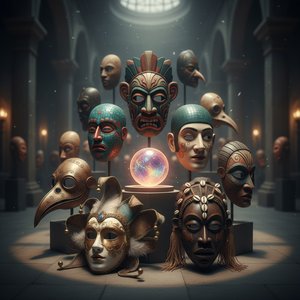
Unveiling the Mystery: A Journey Through the World's Most Iconic Mask Artworks
Embark on a profound journey through the world's most iconic mask artworks. Explore the spiritual depth, intricate craftsmanship, and rich cultural heritage of global traditions, from Chhau to Gomira, in this expert-led exploration of ancestral artistry and symbolic beauty.

Top 10 Meesterwerken van het Impressionisme | Kunstreproducties & Decoratie
Ontdek de 10 meest iconische meesterwerken van het Impressionisme met Monet, Renoir & Manet. Leer over hun technieken en kleuren! Museumkwaliteit kunst reproducties voor uw interieur op .

Édouard Manet: Pioneering Modernism & Challenging Artistic Conventions
Explore the life & art of Édouard Manet, a pivotal figure bridging Realism and Impressionism. Discover his revolutionary techniques, controversial masterpieces like 'Olympia,' and lasting impact on modern art history.

Édouard Manet's Top 25 Meesterwerken: Kunst voor uw Interieur | TopImpressionists
Ontdek de 25 meest iconische schilderijen van Édouard Manet, pionier van het Impressionisme. Lees over Le Déjeuner sur l'herbe, Olympia en meer! Museumkwaliteit reproducties & kunst voor uw interieur op TopImpressionists.com
Ontdek kunstwerken georganiseerd op thema, stijl en kenmerk.


