Voorvertoning
 Verstuur
 Delen
Delen
 Details bekijken
 Gids
Gids

 Download
 Vergelijkbare items
 Röntgenonderzoek
 Diavoorstelling
 Vraag & antwoord
 Statistieken
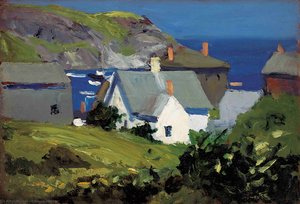
untitled (1885)


Experience the haunting beauty of Edward Hopper's 'untitled (1885)' – a masterful depiction of urban solitude and quiet contemplation, bathed in evocative light. Explore a timeless classic.
 Lees meer
Meester van het Amerikaans realisme, hij verving eenzaamheid in Nighthawks. Ontdek zijn iconische werken en het licht en schaduw vandaag nog.
De kunstwerken die op deze pagina worden weergegeven, zijn beschermd door de auteursrechtwetgeving, wat betekent dat het ons wettelijk niet is toegestaan om identieke reproducties te maken of te verkopen. Deze bescherming wordt gehandhaafd onder internationale overeenkomsten zoals de Conventie van Bern en door nationale wetgeving, waaronder de bepalingen van de Amerikaanse auteurswet - Titel 17. Alle rechten voorbehouden. Reproduceren of distribueren van afbeeldingen is niet toegestaan zonder uitdrukkelijke schriftelijke toestemming van WahooArt.com en de rechthebbenden.
Deze methode voldoet volledig aan de auteursrechtwetgeving, omdat het niet gaat om het kopiëren of dupliceren van het beschermde kunstwerk. In plaats daarvan is er sprake van een creatieve herinterpretatie — een nieuw schilderij dat door het origineel wordt geïnspireerd, maar er niet identiek aan is.
Giclée / Kunstafdrukken
Giclée- of canvasafdruk van museumkwaliteit met een snelle productie en flexibele afwerkingsmogelijkheden. ( Bestel handgeschilderde reproductie Schakel over naar digitale afbeeldingen)




P118B €10

P118H €10

P118W €10

P438Z €10

P508JH €12

P508YH €12

P805H €10

P805Z €10

P919BZ €10

P919G €10

P919XJ €10

P959ZH €10

P968JZ €12

W106C €8

W218G €10

W218JH €8

W218Y €10

W307PJ €10

W316G €10

W316PJ €8

W316Y €10

W398PJ €8

W4111J €10

W500HY €15

W500JH €15

W692G €12

W849H €8

W940BG €15

W953PJ €8




Standaardformaat
op maat gemaakt
CM
INCH
Kies uit onze vooraf ingestelde maten die overeenkomen met de originele verhoudingen van het kunstwerk.
Loading sizes...

breedte
hoogte
Voer de gewenste breedte en hoogte in, passend bij uw lijst of muur. Een afdruk kan alleen worden ingekort en nooit groter worden gemaakt dan het origineel; een formaat met andere verhoudingen zal daarom een deel van de afbeelding verliezen. Wij sturen u een digitaal mockup ter goedkeuring voordat we tot drukwerk overgaan. De afbeelding op deze pagina toont niet de werkelijke uitsnede — dit is alleen te zien op het mockup.
Wereldwijde levering () binnen 2 weken in plaats van de standaard 4/5 weken. (16 november)

Gratis wereldwijde expressverzending

Hoogwaardig linnen canvas

Volledige verzendverzekering

Garantie op terugbetaling van invoerrechten

Garantie op exacte kleurweergave

Retourbeleid van 100 dagen (alleen bij defecten)

100% Geld-terug-garantie

Korting bij meerdere afnames
 De optie voor glas is alleen beschikbaar bij een formaat kleiner dan 110 cm.

untitled (1885)
Giclée / Kunstafdrukken
Afmetingen reproductie
-


Eindtotaal
€ 62
A Window into Quietude: The Enigmatic World of Edward Hopper
In the quiet corners of American realism, few works capture the profound tension between presence and absence as poignantly as Edward Hopper’s "Untitled (1885)". This evocative canvas serves as a masterful distillation of the anxieties and aspirations inherent in the modern experience, offering a scene that feels both intimately familiar and hauntingly distant. At first glance, the painting presents a serene moment: a man and a woman positioned on the porch of a house, bathed in the diffused, gentle glow of daytime sunlight. Yet, beneath this tranquil surface lies a complex psychological landscape. As their gazes drift outward toward the bustling city street below, an immediate sense of separation emerges, creating a palpable boundary between the private sanctuary of the porch and the vibrant, indifferent activity of the urban world.
Hopper’s signature technique is on full display here, showcasing a meticulous realism that avoids the mere imitation of life in favor of a deeper, more symbolic truth. Eschewing the fleeting, light-drenched impressions of the Impressionists, Hopper employs a deliberate simplification of form and a controlled palette to convey mood. The composition is anchored by muted tones—predominantly deep blues and earthy browns—which reinforce an atmosphere of quiet melancholy. By utilizing geometric shapes, particularly the stark rectangles of architectural elements, he creates a sense of spatial restraint that mirrors the emotional containment of his subjects. This structural precision does not merely define the setting; it builds a cage of sorts, emphasizing the isolation felt by the figures within the frame.
The Architecture of Solitude and Urban Life
To understand this piece is to understand the historical currents of an era marked by rapid industrialization and the rise of the American metropolis. "Untitled (1885)" emerges from a period where the growth of cities fostered new, complex feelings of alienation and detachment. The painting acts as a mirror to this cultural preoccupation with solitude. While the background reveals other individuals engaged in the rhythmic, daily activities of the city street, they remain secondary to the central emotional weight of the couple on the porch. This contrast between the lively, collective movement of the crowd and the still, introspective state of the protagonists creates a powerful symbolic resonance, touching upon themes that would later define modernist movements such as Surrealism and Expressionism.
For the discerning collector or interior designer, this work offers more than just aesthetic beauty; it provides a profound emotional anchor for a space. The painting’s ability to evoke nostalgia, stillness, and contemplation makes it an extraordinary centerpiece for environments that value depth and storytelling. Whether placed in a contemporary gallery setting or a classic study, the reproduction of such a masterpiece invites viewers to pause and reflect. It is a piece that does not demand attention through loudness, but rather commands it through its quiet, enduring strength—a timeless window into the human condition that continues to resonate with every passing generation.
Veelgestelde vragen
Waar kan ik een digitale afbeelding van "untitled (1885)" door Edward Hopper kopen?
Om een digitale afbeelding van "untitled (1885)" door Edward Hopper te verkrijgen, kunt u een digitale afbeelding in hoge resolutie om te downloaden bestellen op de Digitale afbeelding pagina.
Waar zou een reproductie van "untitled (1885)" door Edward Hopper opgehangen moeten worden?
Formaat (Landscape) en aanbevolen ruimte (Living Room) zijn de twee plaatsingskenmerken vastgelegd voor "untitled (1885)" door Edward Hopper.
Hoe harmonieus is het kleurgebruik in "untitled (1885)" door Edward Hopper?
De kleuren van "untitled (1885)" door Edward Hopper vertonen een Discordant Palette harmonie. Harmonie beschrijft de onderlinge relatie tussen de kleuren.
Biografie kunstenaar
De Stilte van het Amerikaanse Landschap
Edward Hopper werd geboren in Upper Nyack, Verenigde Staten van Amerika. Zijn vroege jaren werden doorgebracht met het observeren van de wereld met een onvermoeibare blik, een gewoonte die begon met kindertekeningen die met uiterste precisie gedateerd en gesigneerd waren. Hoewel zijn ouders een pragmatisch pad in de commerciële illustratie voorstelden, bleef zijn focus gericht op de schone kunsten. Hij studeerde aan de New York School of Art onder William Merritt Chase en Robert Henri. Deze jaren gaven hem de technische vaardigheid die nodig was om de wereld onverbloemd en eerlijk af te beelden. Hij zocht niet naar de vluchtige penseelstreken van de impressionisten die hij in Parijs ontmoette. In plaats daarvan ontwikkelde hij een manier van kijken die de stilte van een moment verkiest boven de beweging van een menigte.
Zijn werk concentreert zich vaak op het alledaagse. Hij keek naar huizen, diners, kantoren en hotelkamers. Hij stripte onnodige details weg om de onderliggende emotionele waarheid van een scène te vinden. In House by the Railroad (1925) onthult een eenvoudige compositie een gevoel van mysterie en isolement. Hij gebruikte licht en schaduw niet louter om een kamer te beschrijven, maar om een stemming te creëren. De precieze weergave van een schaduw op een muur of de manier waarop het licht een raam raakt, werd zijn methode om de psychologische staat van zijn onderwerpen te communiceren.
Licht en het Stedelijk Interieur
De manier waarop licht een ruimte binnendringt, is een centrale personage in zijn schilderijen. In Nighthawks (1942) snijdt het harde tl-licht van een nachtelijke diner door de duisternis van een verlaten stedelijke straat. De figuren binnen zijn fysiek dicht bij elkaar, maar lijken verloren in hun eigen gedachten, losgekoppeld van elkaar. Dit gevoel van anonimiteit in een drukke stad werd een terugkerend thema. Hij legde de spanning vast van het alleen zijn op een openbare plek, een gevoel dat resoneert in werken als Automat en Office in a Small City. Hij was gefascineerd door de manier waarop kunstlicht interageert met de natuurlijke duisternis van de nacht.
Zijn vrouw, Josephine Nivison Hopper, was een constante aanwezigheid. Zij was een medekunstenaar en diende vaak als zijn model. Haar aanwezigheid is voelbaar in de karakterisering van vele van zijn vrouwelijke figuren. Samen leefden zij een bescheiden leven en brachten vaak de zomers door in New England, wat een grote invloed had op de landschappen die hij schilderde. Zijn afbeeldingen van het Amerikaanse landschap, zowel landelijk als stedelijk, benadrukken vaak een zekere soberheid of leegte. Of het nu gaat om een tankstation langs de weg in Gas (1940) of een stille kamer in een hotel, het onderwerp is altijd de kruising tussen een fysieke plek en een private, innerlijke ervaring.
Een Erfenis van Observatie
De invloed van Hopper strekt zich uit tot in de visuele taal van film en literatuur. Zijn vermogen om een gevoel van psychologische spanning te creëren door middel van compositie is opgemerkt door velen die de manier bestuderen waarop verhalen door beelden worden verteld. Zijn schilderijen zijn te vinden in grote musea wereldwijd, in collecties zoals het Whitney Museum of American Art en het Museum of Fine Arts in Boston. Hij streefde niet naar grote historische epossen. Hij vond zijn onderwerp in de stille hoeken van het dagelijks leven, waarbij hij een eenvoudig raam of een voorbijganger transformeerde tot een studie van de menselijke conditie. Zijn werk blijft een studie van de stilte die tussen mensen bestaat.

Edward Hopper
1931 - 1967 , Verenigde Staten van Amerika
Belangrijkste feiten
- Artistic Movement Or Style: Amerikaans realisme
- Artists Or Movements Influenced By This Artist: ['Pierre Sanford Ross']
- Artists Who Influenced This Artist:
- William Merritt Chase
- Robert Henri
- Edgar Degas
- Édouard Manet
- Date Of Birth: 1931
- Date Of Death: 1967
- Full Name: Edward Hopper
- Nationality: Amerikaans
- Notable Artworks:
- Nighthawks
- Gas
- House by the Railroad
- Automat
- Office in a Small City
- Summertime
- Place Of Birth: Upper Nyack, Verenigde Staten van Amerika
Gerelateerde artikelen

Mastering Solitude: The Top 25 Iconic Artworks by Edward Hopper
Step into the quiet world of American Realism with our curated guide to the top 25 Edward Hopper artworks. Explore the light, shadow, and solitude behind his most iconic masterpieces. Find museum-quality reproductions and decor inspiration. Discover all masterpieces on TopImpressionists.com.

The Architecture of Unrest: Decoding the Metaphysical Enigmas of Giorgio de Chirico
Explore the profound psychological enigmas of Giorgio de Chirico's Metaphysical art. Uncover the secrets of his dreamlike landscapes now.

10 Iconic Masterpieces That Defined Contemporary Realism
Journey through the breathtaking world of Contemporary Realism. Explore 10 iconic masterpieces, their legendary artists, and the techniques that define modern realism. Find museum-quality art reproductions for your decor. Discover all masterpieces on TopImpressionists.com.

Color & Emotion: The 25 Most Iconic Masterpieces by Mark Rothko
Immerse yourself in the profound emotion of Abstract Expressionism. Explore 25 iconic Mark Rothko masterpieces, from his signature color fields to timeless museum classics. Find inspiration for fine art reproductions and curated decor. Discover all masterpieces on TopImpressionists.com.

Solitude in Color: 10 Masterpieces That Capture the Essence of Loneliness
Explore iconic works by Hopper and Dalí that capture profound solitude. Discover all masterpieces on TopImpressionists.com.
Ontdek kunstwerken georganiseerd op thema, stijl en kenmerk.