

 Voorvertoning
 Verstuur
 Delen
Delen
 Details bekijken
 Gids
Gids

 Download
 Vergelijkbare items
 Röntgenonderzoek
 Diavoorstelling
 Q&A
Q&A Statistieken
The First Communion

- 65.0 x 53.0 cm


Eugene Anatole Carrière’s ‘The First Communion’ (1896) is a haunting Symbolist monochrome painting of a young girl receiving communion. Explore its ethereal beauty & influence on Picasso.
 Lees meer
Eugène Anatole Carrière was een Frans Symbolist kunstenaar van de fin-de-siècle periode. Zijn schilderijen staan bekend om hun bijna monochrome bruine kleur en hun etherische kwaliteit.
Carrière's stijl werd sterk beïnvloed door Rubens en hij gebruikte vaak een bijna monochrome bruine kleurpalette.
Giclée / Kunstafdrukken
Giclée- of canvasafdruk van museumkwaliteit met een snelle productie en flexibele afwerkingsmogelijkheden. ( Bestel handgeschilderde reproductie Schakel over naar digitale afbeeldingen)




P118B €10

P118H €10

P118W €10

P438Z €10

P508JH €12

P508YH €12

P805H €10

P805Z €10

P919BZ €10

P919G €10

P919XJ €10

P959ZH €10

P968JZ €12

W106C €8

W218G €10

W218JH €8

W218Y €10

W307PJ €10

W316G €10

W316PJ €8

W316Y €10

W398PJ €8

W4111J €10

W500HY €15

W500JH €15

W692G €12

W849H €8

W940BG €15

W953PJ €8




Standaardformaat
op maat gemaakt
CM
INCH
Kies uit onze vooraf ingestelde maten die overeenkomen met de originele verhoudingen van het kunstwerk.
Loading sizes...

breedte
hoogte
Voer de gewenste breedte en hoogte in, passend bij uw lijst of muur. Een afdruk kan alleen worden ingekort en nooit groter worden gemaakt dan het origineel; een formaat met andere verhoudingen zal daarom een deel van de afbeelding verliezen. Wij sturen u een digitaal mockup ter goedkeuring voordat we tot drukwerk overgaan. De afbeelding op deze pagina toont niet de werkelijke uitsnede — dit is alleen te zien op het mockup.
Wereldwijde levering () binnen 2 weken in plaats van de standaard 4/5 weken. (2 november)

Gratis wereldwijde expressverzending

Hoogwaardig linnen canvas

Volledige verzendverzekering

Garantie op terugbetaling van invoerrechten

Garantie op exacte kleurweergave

Retourbeleid van 100 dagen (alleen bij defecten)

100% Geld-terug-garantie

Korting bij meerdere afnames
 De optie voor glas is alleen beschikbaar bij een formaat kleiner dan 110 cm.

The First Communion
Giclée / Kunstafdrukken
Afmetingen reproductie
-


Eindtotaal
€ 62
The Haunting Beauty of "The First Communion": A Symbolist Portrait of Innocence
Eugène Anatole Carrière’s “The First Communion,” painted in 1896, isn't merely a depiction of a religious ceremony; it’s a profoundly evocative exploration of childhood innocence, spiritual yearning, and the subtle anxieties that lie beneath the surface of faith. This masterpiece, now housed within the collections of art institutions worldwide, exemplifies Carrière’s signature style – a near-monochrome palette dominated by muted browns and greys, creating an atmosphere of ethereal mystery and quiet melancholy. The painting immediately draws the viewer into a dreamlike space, where reality seems to soften and blur at the edges.
Carrière's artistic journey was deeply influenced by his time as a prisoner in Dresden during the Franco-Prussian War. Exposure to the works of Peter Paul Rubens, with their rich, glowing colors and dramatic lighting, left an indelible mark on his approach to painting. This influence is subtly present in “The First Communion,” though Carrière ultimately developed his own distinctive style – one characterized by a deliberate reduction of color to its most essential tones, emphasizing mood and atmosphere over precise representation. The use of brown creates a sense of timelessness, suggesting that the scene unfolds outside of specific time or place, existing instead within a realm of spiritual contemplation.
A Study in Symbolism: Veil, Light, and Shadow
The central figure of the painting – a young girl receiving communion – is enveloped in a veil, a potent symbol of purity, concealment, and nascent faith. The veil isn’t simply an article of clothing; it acts as a visual barrier, hinting at the mysteries surrounding religious initiation and the vulnerability inherent in entering into a sacred tradition. The lighting within the painting is equally significant. A diffused light source casts long shadows across the girl's face and gown, contributing to the overall sense of solemnity and introspection. The interplay of light and shadow creates a visual metaphor for the spiritual journey – a movement from darkness towards enlightenment.
Carrière’s technique is notable for its meticulous layering of paint and subtle blending. He eschews sharp outlines and bold brushstrokes, opting instead for a fluid, almost watercolor-like application that lends the scene an ethereal quality. The smooth texture of the canvas, combined with the delicate gradations of color, creates a sense of translucence, as if the girl herself is partially obscured by a veil of spiritual mist. The simplified forms and flattened perspective further enhance this dreamlike effect, distancing the viewer from a realistic portrayal and inviting them to contemplate the painting’s symbolic meaning.
Historical Context and Artistic Legacy
"The First Communion" was created during the late 19th century, a period of profound social and artistic change. The Symbolist movement, which Carrière embraced, sought to express subjective emotions and spiritual experiences through art, often rejecting the realism and materialism of earlier artistic traditions. This painting aligns perfectly with the Symbolist aesthetic – it’s not about depicting a literal event but rather conveying a complex range of feelings associated with religious initiation and the transition from childhood innocence to adult faith.
Carrière's work had a significant impact on subsequent generations of artists, particularly Pablo Picasso. The influence of Carrière’s monochrome palette and his exploration of psychological themes can be seen in Picasso’s Blue Period, demonstrating the enduring legacy of this enigmatic French artist. “The First Communion” remains a powerful testament to Carrière's artistic vision – a hauntingly beautiful portrayal of faith, innocence, and the mysteries of the human spirit.
Collecting a Timeless Masterpiece: Reproductions and Beyond
TopImpressionists offers high-quality reproductions of “The First Communion,” allowing art lovers worldwide to experience the beauty and emotional depth of this iconic painting. Whether you’re seeking a stunning addition to your home or office, or simply want to connect with the artistic legacy of Eugène Carrière, our meticulously crafted reproductions capture the essence of the original while offering exceptional value. Explore our collection today and bring this evocative masterpiece into your world.
Veelgestelde vragen
Welke afmeting voor de reproductie wordt aanbevolen voor "The First Communion" door Eugène Anatole Carrière?
De aanbevolen afmeting voor de print van "The First Communion" door Eugène Anatole Carrière is Medium.
Voor welke ruimte en welk gebruik wordt "The First Communion" aanbevolen?
"The First Communion" door Eugène Anatole Carrière wordt aanbevolen voor Statement, bij voorkeur in een Living Room. Gebruik en ruimte bepalen samen waar een reproductie het beste tot zijn recht komt.
Maakt "The First Communion" door Eugène Anatole Carrière gebruik van sterke contrasten of zachte harmonieën?
De kleurcompositie van "The First Communion" door Eugène Anatole Carrière combineert een Serene contrast met een Unified Palette harmonie.
Biografie kunstenaar
**early life and training**
Eugène Anatole Carrière, a name synonymous with haunting monochrome landscapes and intimate domestic scenes, was born on January 16, 1849, in Gournay-sur-Marne, Seine-Saint-Denis. His upbringing, far from the bustling artistic centers of Paris, provided a grounding that would profoundly shape his distinctive style. Initially destined for a career in printing – a practical trade learned during his youth – Carrière’s passion for art ignited early, fueled by an encounter with the masterpieces of Peter Paul Rubens at the Louvre Museum. This pivotal experience irrevocably altered his course, leading him to pursue formal training at the École des Beaux-Arts in Paris and later under the tutelage of Alexandre Cabanel, a renowned academic painter. These formative years instilled within him both a deep respect for artistic tradition and the nascent desire to forge his own unique path.**artistic style and influences**
Carrière’s oeuvre is instantly recognizable by its pervasive use of brown monochrome – a deliberate departure from the vibrant palettes favored by many of his contemporaries. This carefully constructed palette, often described as “almost porcelain-like,” creates an atmosphere of quiet contemplation and ethereal beauty. The influence of Rubens remains palpable in the luminous quality of Carrière’s early works, while the somber mood and psychological depth owe a debt to the Symbolist movement gaining momentum at the time. Notably, his experiences as a prisoner of war in Dresden during the Franco-Prussian War profoundly impacted his artistic sensibilities, contributing to the melancholic undertones that permeate many of his paintings. The artist’s ability to evoke emotion through subtle shifts in tone and texture is a testament to his exceptional technical skill and profound understanding of color theory.**the young mother (1879) and other early works**
One of Carrière's most celebrated early pieces, *The Sick Child (Montargis)*, offers a poignant glimpse into the artist’s evolving artistic vision. This work, now housed at the Musée des Beaux-Arts de Rouen, marked a significant shift towards depicting scenes of domestic life – particularly those centered around motherhood and childhood. The painting captures a tender moment between a mother and child, rendered with remarkable sensitivity and realism. Similarly, *The First Communion (Toulon)* showcases Carrière’s ability to imbue seemingly ordinary subjects with profound emotional resonance. His portrait of Louis-Henri Devillez, a highly praised work from 1887, exemplifies his skill in capturing the essence of his subjects – their personalities, emotions, and inner lives. These early works established the foundation for Carrière's distinctive style and cemented his reputation as a master of psychological realism.**influence and legacy**
Carrière’s monochrome aesthetic has resonated deeply with artists across generations. Notably, Pablo Picasso drew inspiration from Carrière’s work during his Blue Period, adopting a similar palette to convey themes of melancholy and despair. The artist's influence extends beyond individual painters; his innovative use of color and his exploration of intimate human experiences have had a lasting impact on the development of modern art. Eugène Carrière was also an influential teacher at Académie de la Palette, nurturing the talents of future artists such as Henri Matisse and André Derain. His legacy continues to inspire artists today, demonstrating the enduring power of simplicity, emotion, and artistic vision.**notable works and exhibitions**
Beyond the pieces already mentioned, Carrière’s oeuvre includes a wealth of compelling paintings, each offering a unique perspective on the human condition. *The Sick Child (Montargis)*, *The Young Mother*, *First Communion (Toulon)*, and *Portrait of Louis-Henri Devillez* are among his most recognized works, exhibited at the Société Nationale des Beaux-Arts, which Carrière himself helped establish. His contributions to the art world extend beyond his paintings, as he also played an influential role as an art teacher at Académie de la Palette. His work is now displayed in museums across France and internationally, including the Musée d'Orsay in Paris, ensuring that his artistic legacy continues to be celebrated for generations to come.
Eugène Anatole Carrière
1849 - 1906 , Frankrijk
Belangrijkste feiten
- Artistic Movement Or Style: Symbolisme, Monochrome
- Artists Or Movements Influenced By This Artist: ['Pablo Picasso']
- Artists Who Influenced This Artist: ['Peter Paul Rubens']
- Date Of Birth: 16 januari 1849
- Date Of Death: 27 maart 1906
- Full Name: Eugène Anatole Carrière
- Nationality: Frans
- Notable Artworks:
- De Zieke Kind
- Het Eerste Communie
- Place Of Birth: Gournay-sur-Marne, Frankrijk
Gerelateerde artikelen

Sacred Narratives on Canvas: Exploring Religious Painting Through History
Explore the rich history of religious painting with TopImpressionists.com! Discover iconic artworks, symbolism & techniques from antiquity to the Renaissance. Enhance your art appreciation today.

Simon Vouet: A Baroque Master's Journey from Italian Influence to French Classicism
Explore the life & art of Simon Vouet, a pivotal French Baroque painter who introduced Italian styles to France. Discover his masterpieces and lasting influence on 17th-century art.
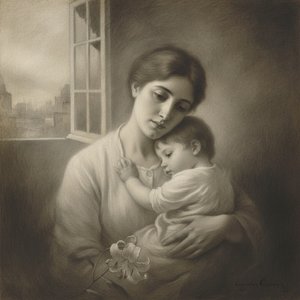
Eugène Carrière: The 'Peintre d'Âme' & Symbolist Portraiture’s Intimate Vision
Explore the haunting world of Eugène Carrière, a pivotal French Symbolist artist known for his deeply intimate portraits & 'peinture d'âme'. Discover his life, style, and lasting influence on modern masters like Picasso. Shop high-quality reproductions at TopImpressionists.

Sacred Narratives Embodied: A Comprehensive Exploration of Religious Iconography in Art History
Explore the rich history of religious iconography in art! Discover symbolism, movements & masterpieces from Byzantine to Renaissance periods. Expert insights for collectors and enthusiasts at TopImpressionists.

Charles Le Brun: Master of French Baroque Classicism & His Enduring Legacy
Explore the life & art of Charles Le Brun, master of French Baroque Classicism. Discover his royal commissions, influence on Versailles, and enduring legacy through detailed analysis & stunning artworks.