

 Voorvertoning
 Verstuur
 Delen
Delen
 Details bekijken
 Gids
Gids

 Download
 Vergelijkbare items
 Röntgenonderzoek
 Diavoorstelling
 Vraag & antwoord
 Statistieken
Piano Keys Lake


Frantisek Kupka’s "Piano Keys Lake" (1905) is a vibrant Expressionist landscape blending Impressionism & abstraction. Explore layered textures, bold colors & a dreamlike atmosphere.
 Lees meer
František Kupka (1871-1957): Pionier van abstracte kunst met Orphische Cubisme & innovatieve kleurgebruik, die moderne kunst vormde! Ontdek zijn unieke visuele taal.
De kunstwerken die op deze pagina worden weergegeven, zijn beschermd door de auteursrechtwetgeving, wat betekent dat het ons wettelijk niet is toegestaan om identieke reproducties te maken of te verkopen. Deze bescherming wordt gehandhaafd onder internationale overeenkomsten zoals de Conventie van Bern en door nationale wetgeving, waaronder de bepalingen van de Amerikaanse auteurswet - Titel 17. Alle rechten voorbehouden. Reproduceren of distribueren van afbeeldingen is niet toegestaan zonder uitdrukkelijke schriftelijke toestemming van WahooArt.com en de rechthebbenden.
Deze methode voldoet volledig aan de auteursrechtwetgeving, omdat het niet gaat om het kopiëren of dupliceren van het beschermde kunstwerk. In plaats daarvan is er sprake van een creatieve herinterpretatie — een nieuw schilderij dat door het origineel wordt geïnspireerd, maar er niet identiek aan is.
Giclée / Kunstafdrukken
Giclée- of canvasafdruk van museumkwaliteit met een snelle productie en flexibele afwerkingsmogelijkheden. ( Bestel handgeschilderde reproductie Schakel over naar digitale afbeeldingen)




P118B €10

P118H €10

P118W €10

P438Z €10

P508JH €12

P508YH €12

P805H €10

P805Z €10

P919BZ €10

P919G €10

P919XJ €10

P959ZH €10

P968JZ €12

W106C €8

W218G €10

W218JH €8

W218Y €10

W307PJ €10

W316G €10

W316PJ €8

W316Y €10

W398PJ €8

W4111J €10

W500HY €15

W500JH €15

W692G €12

W849H €8

W940BG €15

W953PJ €8




Standaardformaat
op maat gemaakt
CM
INCH
Kies uit onze vooraf ingestelde maten die overeenkomen met de originele verhoudingen van het kunstwerk.
Loading sizes...

breedte
hoogte
Voer de gewenste breedte en hoogte in, passend bij uw lijst of muur. Een afdruk kan alleen worden ingekort en nooit groter worden gemaakt dan het origineel; een formaat met andere verhoudingen zal daarom een deel van de afbeelding verliezen. Wij sturen u een digitaal mockup ter goedkeuring voordat we tot drukwerk overgaan. De afbeelding op deze pagina toont niet de werkelijke uitsnede — dit is alleen te zien op het mockup.
Wereldwijde levering () binnen 2 weken in plaats van de standaard 4/5 weken. (4 november)

Gratis wereldwijde expressverzending

Hoogwaardig linnen canvas

Volledige verzendverzekering

Garantie op terugbetaling van invoerrechten

Garantie op exacte kleurweergave

Retourbeleid van 100 dagen (alleen bij defecten)

100% Geld-terug-garantie

Korting bij meerdere afnames
 De optie voor glas is alleen beschikbaar bij een formaat kleiner dan 110 cm.

Piano Keys Lake
Giclée / Kunstafdrukken
Afmetingen reproductie
-


Eindtotaal
€ 62
A Symphony of Color and Motion: Rediscovering Piano Keys Lake
In the dawn of the twentieth century, as the boundaries of reality began to dissolve under the influence of new philosophical currents, František Kupka captured a moment of profound transition in his 1905 masterpiece, Piano Keys Lake. This work is far more than a mere depiction of a tranquil landscape; it is a cornerstone of Orphism, a movement that dared to reject the literal constraints of representation in favor of pure, rhythmic abstraction. To gaze upon this canvas is to enter a world where the distinction between water, light, and emotion becomes beautifully blurred. The painting presents a vibrant, somewhat chaotic vision of a lakeside scene, where vertical brushstrokes dance across the surface like musical notes, creating a palpable sense of dynamism that pulls the viewer into its swirling depths.
The technique employed by Kupka is nothing short of visceral. Utilizing oil on canvas, the artist applied paint with an energetic, thick impasto texture that invites a tactile engagement. These heavy layers of pigment do not merely sit upon the surface; they build a sculptural landscape of color. The brushwork is visible and unapologetic, emphasizing the physical act of creation and contributing to a sense of movement that feels almost liquid. This approach allows the light to play across the ridges of the paint, creating a shimmering effect that mimics the natural undulations of water reflecting a sunlit sky. For the collector or interior designer, this texture provides a sophisticated depth that brings a living, breathing energy to any curated space.
The Language of Abstraction and Symbolism
Beyond its striking visual surface, Piano Keys Lake is steeped in the intellectual ferment of fin-de-siècle Paris. Influenced by the profound philosophical inquiries of Nietzsche and the visionary spirit of Kandinsky, Kupka sought to liberate color from its traditional role of describing objects. In this piece, color functions as an independent language of emotion. The palette is intensely saturated, utilizing unconventional combinations that create a harmonious yet unsettling vibrancy. Through the fragmentation of forms into geometric suggestions, Kupka hints at trees, foliage, and perhaps distant figures or boats, but these elements are secondary to the primary goal: the exploration of color harmony and the suggestion of spiritual movement.
The symbolism within the work is subtle yet deeply resonant. The lake serves as a metaphor for reflection—not just the physical reflection of light on water, but the psychological reflection of the soul. There is an inherent sense of the ephemeral here, capturing fleeting moments of light and motion that suggest the transient nature of existence. For those seeking to decorate a space with art that inspires contemplation, this piece offers a gateway into the sublime. It bridges the gap between the tangible world we inhabit and the abstract, emotional truths we feel, making it an exquisite choice for those who value art that challenges the intellect while soothing the senses.
A Timeless Addition to the Modern Collection
For the discerning art lover or the professional designer, a high-quality reproduction of Piano Keys Lake offers a unique opportunity to introduce a piece of art history into a contemporary setting. The painting’s ability to command attention through its bold, fragmented composition makes it a versatile centerpiece. Whether placed in a minimalist gallery-style room where its textures can stand alone, or within a richly layered interior where it complements other abstract works, the painting acts as a focal point of sophisticated energy.
Owning a piece that embodies the transition from Impressionism to Expressionism allows one to possess a fragment of the revolution that birthed modern art. It is an invitation to experience the world not as a collection of static objects, but as a continuous, vibrant flow of light, color, and feeling. In every stroke of Kupka’s vision, there is a promise of discovery, making this artwork a perennial treasure for any serious collection.
Veelgestelde vragen
Welke stemming straalt "Piano Keys Lake" door Frantisek Kupka uit binnen Expressionism?
Binnen de Expressionism-stroming is "Piano Keys Lake" vastgelegd met een Dramatic toon.
Wie is de kunstenaar achter "Piano Keys Lake"?
"Piano Keys Lake" is gemaakt door Frantisek Kupka. De informatie op deze pagina beschrijft het originele werk van Frantisek Kupka.
Hoe komen stroming en tijdperk samen in "Piano Keys Lake" door Frantisek Kupka?
"Piano Keys Lake" behoort tot de Expressionism-stroming en de maker ervan was werkzaam in het Moderne tijd-tijdperk.
Biografie kunstenaar
František Kupka: Een Pionier van Abstractie – De Leven en Kunst van een Visuele Revolutie
František Kupka, een naam die resoneert met de opkomst van abstracte kunst, werd geboren in 1871 in Opočno, Bohemen – een landschap dat subtiel zijn latere verkenningen van vorm en kleur zou beïnvloeden. Zijn reis van academische training naar radicale abstractie was geen snelle sprong, maar eerder een geleidelijke onthulling, diep geworteld in spirituele stromingen en een onvermoede zoektocht naar visuele waarheid. In eerste instantie doordrenkt van historische en patriotische thema’s tijdens zijn studie aan de Academie voor Kunstnijverheid in Praag en vervolgens te Wenen, toonde Kupka's vroege werk technische vaardigheid, maar miste het onderscheidende stem die hem snel zou definiëren. Het was zijn verhuizing naar Parijs in 1894 dat cruciaal bleek te zijn, hem onderdompelend in een levendige artistieke omgeving waar hij kortstondig de Académie Julian bezocht en later studie volgde bij Jean-Pierre Laurens aan de École des Beaux-Arts. Echter, het was niet alleen formele training, maar de intellectuele fermentatie van fin-de-siècle Parijs – de opkomende interesse in symboliek, Neo-Impressionisme en Fauvisme – die zijn artistieke evolutie werkelijk ontketende.De Weg naar Pure Abstractie: Invloeden en Innovaties
Kupka’s artistieke traject werd niet alleen gedreven door esthetische overwegingen; het was diepgaand beïnvloed door filosofische en spirituele vragen. Zijn betrokkenheid bij de Theosophie, een mystiek systeem dat Oosterse religies en Westerse esoterie combineerde, bleek bijzonder invloedrijk. Dit geloofssysteem stelde een onderliggende eenheid van alle dingen voor en zocht verborgen realiteiten te onthullen buiten het zichtbare wereld – een concept dat resoneren met Kupka’s artistieke aspiraties. Hij begon te geloven dat kunst verder kon gaan dan alleen representatie en deze diepere waarheden kon bereiken door de manipulatie van kleur, vorm en lijn. Dit overtuiging leidde hem weg van het weergeven van herkenbare objecten en naar een meer subjectieve, interne verkenning van visuele ervaring. Zijn vroege experimenten omvatten het vervagen van de grenzen tussen figuratieve kunst en abstractie, zoals blijkt uit werken als *The Beginning of Life*, waarbij symbolische beelden zich vermengden met opkomende abstracte elementen. Hij was niet alleen maar; Kupka engageerde zich met hedendaagse wetenschappelijke theorieën over kleur en licht, in de hoop deze psychologische effecten op de kijker te begrijpen. Deze fusie van spirituele vraagstelling en wetenschappelijk onderzoek werd een kenmerkend aspect van zijn benadering. Hij begon kleur niet te zien als een beschrijvend element, maar als een onafhankelijke kracht die emoties kon oproepen en betekenis direct kon overbrengen.Orphisme en de Muzikale Invloed
Vanaf het begin van de jaren 1910 begon Kupka aan een pad dat zou leiden tot zijn positie als een pionier van abstracte kunst. Zijn schilderijen uit deze periode, zoals *Amorpha: Fugue in Two Colors* (1912), behoorden tot de eerste echt niet-representatieve werken die openlijk werden getoond, en daagden conventionele ideeën over artistieke representatie uit. Hij was niet alleen geïnteresseerd in het ontmantelen van vorm – zoals sommige Cubisten deden – maar in het creëren van een nieuwe visuele taal gebaseerd op pure abstractie. Dit leidde tot zijn associatie met Orphisme (ook bekend als Orfisme), een beweging die werd aangevoerd door Robert Delaunay en die de dynamische interactie tussen kleur en licht benadrukte. Echter, Kupka’s benadering verschilde van die van Delaunay; hoewel ze beiden abstracte vormen onderzochten, gebruikte Kupka vaak een onderliggende structuur en ritme, waardoor muzikale composities in zijn schilderijen werden oproepen – vandaar het frequente gebruik van termen als “fugue” en “disks”. Zijn *Disks of Newton* serie illustreert deze verkenning, waarbij cirkelvormige vormen lijken te vibreren met energie en de krachten die het universum besturen suggereren. Hij probeerde niet alleen esthetisch aantrekkelijke arrangementen te creëren; hij streefde ernaar onderliggende kosmische principes te visualiseren.Een Unieke Visuele Taal: Symboliek, Muziek en de Kosmos
Kupka’s artistieke visie werd verder gevormd door zijn interesse in symboliek, muziektheorie en de zoektocht naar een diepere betekenis in het universum. Hij zag kunst als een middel om verborgen waarheden te onthullen, vergelijkbaar met de manier waarop muziek emoties en ideeën kon overbrengen. Zijn werken uit deze periode vertonen vaak een complexe symboliek, geïnspireerd door zowel Oosterse filosofieën als zijn eigen persoonlijke interpretaties van het universum. Hij experimenteerde met geometrische vormen, kleuren en composities om een visuele expressie te creëren die verder ging dan de eenvoudige representatie van objecten. Zijn schilderijen werden vaak gezien als muzikale composities, waarbij de kleuren en vormen een ritme en harmonie creëerden die de geest konden stimuleren.Historische Betekenis en Erfgoed
František Kupka’s bijdragen gingen verder dan zijn individuele schilderijen. Als medeoprichter van Abstraction-Création in 1931, een internationale beweging die gericht was op het promoten van abstracte kunst, speelde hij een cruciale rol bij het vormgeven van de koers van modernisme. Zijn werk werd internationaal erkend, getoond in belangrijke tentoonstellingen zoals “Cubism and Abstract Art” in het Museum of Modern Art in New York in 1936. Hoewel hij vaak werd overschaduwd door meer prominente figuren als Kandinsky of Mondriaan, heeft zijn pioniersgeest en unieke visuele taal hem een plaats bezorgd als een cruciale figuur in de geschiedenis van abstracte kunst. Zijn nalatenschap inspireert kunstenaars tot op de dag van vandaag, herinnert ons eraan dat abstractie niet alleen gaat om het elimineren van representatie, maar om nieuwe mogelijkheden voor expressie te ontsluiten en verborgen dimensies van de werkelijkheid te onthullen.Musea met Kupka’s Werk
- Solomon R. Guggenheim Museum (New York, Verenigde Staten)
- Het Musée d'Orsay (Parijs, Frankrijk)
- Galerie Manés (Praag, Tsjechische Republiek)

Frantisek Kupka
1871 - 1957 , Tsjechische Republiek
Belangrijkste feiten
- Artistic Movement Or Style: Abstract art, Orphisme
- Artists Or Movements Influenced By This Artist: ['Fauvism']
- Date Of Birth: 23 september 1871
- Date Of Death: 24 juni 1957
- Full Name: František Kupka
- Nationality: Tsjechisch
- Notable Artworks:
- Disks of Newton
- Amorpha
- Place Of Birth: Opočno, Bohemen
Gerelateerde artikelen

The Soul of Color: A Journey into the Emotional Resonance of Lyrical Abstraction
Embark on a cultural journey through Lyrical Abstraction. Explore how masters like Kandinsky used color and motion to translate emotion into visual poetry. Discover the profound beauty of abstract expressionism and learn to curate emotional resonance in your own art collection.
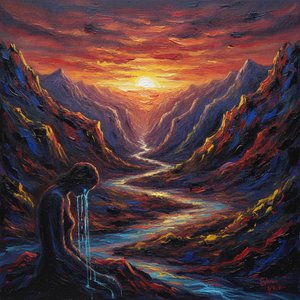
Capturing Emotion: A Journey Through the Soul of Expressionist Landscapes
Explore the profound emotional depth of Expressionist landscapes. Discover how Post-Impressionist masters moved beyond light to capture the soul through vibrant color and form. A curated journey for true art lovers seeking the beauty of expressive mastery.

Beyond the Visible: A Journey into the Soul of Abstract Art
Embark on a profound exploration of Abstract Art's emotional depth. From the rupture of Abstract Expressionism to the purity of geometric forms, discover how masters transcend reality to capture the human soul through color, texture, and movement.