

 Voorvertoning
 Verstuur
 Delen
Delen
 Details bekijken
 Gids
Gids

 Download
 Vergelijkbare items
 Röntgenonderzoek
 Diavoorstelling
 Vraag & antwoord
 Statistieken
Interrogation

- 46.0 x 59.0 cm


George Grosz’s haunting ‘Interrogation,’ painted in 1938, confronts viewers with a brutal depiction of political repression and violence during the Weimar Republic era. The artist's sharp lines and unsettling imagery capture a moment of intense confrontation amidst blood-splattered walls—explore this dramatic masterpiece.
 Lees meer
George Grosz (1893-1959): Een baanbrekend Berlijnse Dada- en Nieuwe Zakelijkheid kunstenaar. Ontdek zijn satirische schilderijen die Weimar Duitsland, fascisme en maatschappelijke problemen kritisch bekijken.
De kunstwerken die op deze pagina worden weergegeven, zijn beschermd door de auteursrechtwetgeving, wat betekent dat het ons wettelijk niet is toegestaan om identieke reproducties te maken of te verkopen. Deze bescherming wordt gehandhaafd onder internationale overeenkomsten zoals de Conventie van Bern en door nationale wetgeving, waaronder de bepalingen van de Amerikaanse auteurswet - Titel 17. Alle rechten voorbehouden. Reproduceren of distribueren van afbeeldingen is niet toegestaan zonder uitdrukkelijke schriftelijke toestemming van WahooArt.com en de rechthebbenden.
Deze methode voldoet volledig aan de auteursrechtwetgeving, omdat het niet gaat om het kopiëren of dupliceren van het beschermde kunstwerk. In plaats daarvan is er sprake van een creatieve herinterpretatie — een nieuw schilderij dat door het origineel wordt geïnspireerd, maar er niet identiek aan is.
Giclée / Kunstafdrukken
Giclée- of canvasafdruk van museumkwaliteit met een snelle productie en flexibele afwerkingsmogelijkheden. ( Bestel handgeschilderde reproductie Schakel over naar digitale afbeeldingen)




P118B €10

P118H €10

P118W €10

P438Z €10

P508JH €12

P508YH €12

P805H €10

P805Z €10

P919BZ €10

P919G €10

P919XJ €10

P959ZH €10

P968JZ €12

W106C €8

W218G €10

W218JH €8

W218Y €10

W307PJ €10

W316G €10

W316PJ €8

W316Y €10

W398PJ €8

W4111J €10

W500HY €15

W500JH €15

W692G €12

W849H €8

W940BG €15

W953PJ €8




Standaardformaat
op maat gemaakt
CM
INCH
Kies uit onze vooraf ingestelde maten die overeenkomen met de originele verhoudingen van het kunstwerk.
Loading sizes...

breedte
hoogte
Voer de gewenste breedte en hoogte in, passend bij uw lijst of muur. Een afdruk kan alleen worden ingekort en nooit groter worden gemaakt dan het origineel; een formaat met andere verhoudingen zal daarom een deel van de afbeelding verliezen. Wij sturen u een digitaal mockup ter goedkeuring voordat we tot drukwerk overgaan. De afbeelding op deze pagina toont niet de werkelijke uitsnede — dit is alleen te zien op het mockup.
Wereldwijde levering () binnen 2 weken in plaats van de standaard 4/5 weken. (8 november)

Gratis wereldwijde expressverzending

Hoogwaardig linnen canvas

Volledige verzendverzekering

Garantie op terugbetaling van invoerrechten

Garantie op exacte kleurweergave

Retourbeleid van 100 dagen (alleen bij defecten)

100% Geld-terug-garantie

Korting bij meerdere afnames
 De optie voor glas is alleen beschikbaar bij een formaat kleiner dan 110 cm.

Interrogation
Giclée / Kunstafdrukken
Afmetingen reproductie
-


Eindtotaal
€ 62
A Visceral Encounter with Shadows
In the haunting depths of George Grosz’s 1938 masterpiece, Interrogation, the viewer is not merely an observer but a silent witness to a moment of profound psychological and physical violation. The painting presents a scene of stark, unsettling tension: three men are locked in a grim confrontation within a room that feels heavy with the scent of dread. At the center of this drama, a man sits with his hands bound behind his back, his very posture a testament to vulnerability and resistance. Surrounding him, the figures of his interrogators loom, their presence injecting a palpable sense of menace into the composition. The room itself tells a story of recent violence; bloodstains mar the floor and walls, suggesting that the interrogation is but one chapter in a larger cycle of brutality. This is not a static portrait, but a living, breathing fragment of a much darker narrative, capturing the precise second where tension threatens to erupt into tragedy.
To gaze upon this work is to experience the raw power of Brutal Realism infused with the jagged, emotive distortions of Expressionism. Grosz, a master of dissecting the societal rot of his era, eschews the polished aesthetics of traditional academic art in favor of a more visceral truth. His technique relies on sharp, angular lines and a deliberate use of light and shadow to amplify the dramatic conflict. The artist utilizes oil on canvas to create a surface that feels almost tactile; one can sense the weight of the textures as they depict the grim reality of the setting. The stark contrasts do not merely illuminate the subjects but serve to carve them out of the darkness, emphasizing the psychological torment etched into their features and the cold, unforcketing atmosphere of the room.
The Echoes of a Crumbling Republic
To understand the profound emotional impact of Interrogation, one must look toward the turbulent landscape of late Weimar Germany. Created in 1938, as the shadows of fascism were lengthening across Europe, the painting serves as a chilling reflection of the political polarization and systemic violence that defined the era. Grosz, a prominent figure in the Berlin Dada and New Objectivity movements, used his brush as a weapon to indict the moral decay of his time. This specific work carries deep personal and historical resonance, referencing the persecution and even the murder of figures like the anarchist Erich Mühsam. The painting captures the pervasive disillusionment of an intellectual class caught between the collapse of democracy and the rise of an oppressive new order.
For the discerning collector or interior designer, Interrogation offers more than just a striking visual; it provides a profound conversation piece that explores themes of power, justice, and human resilience. As a high-quality reproduction, this piece brings a sophisticated, intellectual gravity to any space, whether it be a private study, a gallery, or a curated contemporary living area. It is an artwork for those who appreciate the capacity of fine art to confront uncomfortable truths and to find beauty in the unflinching examination of the human condition. Owning such a work is an invitation to engage with history, to contemplate the fragility of peace, and to celebrate the enduring power of the artist's voice against the tide of silence.
Veelgestelde vragen
Waar kan ik het originele werk "Interrogation" door George Grosz bewonderen?
Het originele werk "Interrogation" is te bewonderen in Ben Uri Gallery and Museum, Londen, Verenigd Koninkrijk.
Wie heeft "Interrogation" gemaakt en in welke stijl is het uitgevoerd?
George Grosz creëerde "Interrogation" binnen de Expressionist Satire-stroming.
Aan welke kunstenaar wordt "Interrogation" toegeschreven?
"Interrogation" is gemaakt door George Grosz. De informatie op deze pagina beschrijft het originele werk van George Grosz.
Biografie kunstenaar
A Satirist of Shattered Worlds: The Life and Art of George Grosz
George Grosz, geboren Georg Ehrenfried Groß in Berlin in 1893, was een visueel chroniqueur van maatschappelijke verval en politieke omwentelingen. Zijn kunst was niet slechts *van* zijn tijd – de tumultueuze Weimar Republiek en de opkomst van het fascisme – maar een visceraal reactie erop, een woedende aanklacht uitgedrukt in scherpe lijnen en groteske karikaturen. Grosz beschouwde Berlin niet alleen; hij ontrafelde het, onthulde zijn morele rot met onverbloemelijke eerlijkheid. De vroege jaren van zijn leven waren gekenmerkt door instabiliteit na de dood van zijn vader, een gebeurtenis die zijn moeder in de functie plaatste van beheerdster van een officierenmess, waardoor de jonge Georg zich bevond in een wereld van Pruisisch militarisme en rigide sociale hiërarchieën – een wereld waar hij later onvermoedelijk satiriseerde. Zijn formele artistieke opleiding begon met nauwkeurige kopieën van traditionele Nederlandse meesters zoals Eduard von Grützner, waarbij hij technische vaardigheid ontwikkelde voordat hij academische conventies verliet voor een veel provocatievere weg. Deze vroege discipline bood echter de basis waarop zijn uniek expressieve stijl zou worden gebouwd.Dada, Nieuwe Objectiviteit en de Ontstaan van een Kritische Visie
Grosz’s artistieke ontwikkeling was onlosmakelijk verbonden met de avant-garde bewegingen die in het post-Eerste Wereldoorlog Duitse leven floreerden. Hij werd een centrale figuur in Berlijnse Dada, waarbij hij haar nihilistische geest en anti-establishment stemming omarmde. Echter, in tegenstelling tot sommige van zijn Dadaïstische medestanders die zich verhezen in pure absurditeit, kanaliseerde Grosz de opstandige energie van Dada in puntgewijze sociale commentaar. Zijn werk uit deze periode – werken zoals *De Put* (1921) en *De Pilaren van de Maatschappij* (1926) – zijn doordringende aanklachten tegen de Duitse burgerij, het militaire elite en het corrupte politieke systeem dat de natie in de misère stuurde. Hij was niet geïnteresseerd in esthetische schoonheid; hij zocht schok, provocatie en onthulling van hypocrisie. Deze toewijding aan sociale kritiek evolueerde tot zijn deelname aan *Neue Sachlichkeit* (Nieuwe Objectiviteit), een beweging gekenmerkt door haar realistische maar ongevoelige weergave van hedendaags leven. Hoewel hij de focus op realisme deelde met andere kunstenaars die verbonden waren met deze groep, infuseerde hij het met een uniek scherp satirisch element dat hem onderscheidde van anderen. Zijn schilderijen en tekeningen waren niet alleen representaties van de werkelijkheid; ze waren vervormde reflecties van een samenleving op het punt van instorting.Exil en Transformatie: Een Nieuw Wereld, Een Verschuivende Stijl
De opkomst van het nazisme dwong Grosz in 1933 naar de vlucht, waar hij zich vestigde in de Verenigde Staten. Hij werd een naturaliseerde burger in 1938. Deze verhuizing markeerde een significant keerpunt in zijn artistieke carrière. Verwijderd van de directe context die zijn meest krachtige werk aanwakkerde en geconfronteerd met een andere set sociale en politieke realiteiten, begon Grosz’s stijl te verschuiven. De openlijk agressieve karikaturen gaven plaats aan meer ingetogen landschappen en portretten, vaak doorspekt met een gevoel van melancholie en ontgoocheling. Hoewel hij bleef exposeren en lesgeven op de Art Students League in New York, miste zijn werk de ruwe urgentie van zijn Berlijnse periode. Hij had moeite om zijn voet aan de grond te vinden in een nieuwe omgeving, worstelend met gevoelens van vervreemding en artistieke onzekerheid. De apocalyptische visioenen die tijdens deze periode opdoemen – schilderijen die desolate landschappen en fragmentarische figuren weergeven – weerspiegelden niet alleen de gruwelijke gebeurtenissen in Europa, maar ook zijn eigen interne strijd.Erfgoed en Duurzaam Relevantie
George Grosz keerde in 1959 terug naar Berlijn, kort voor zijn overlijden, een aangroeiende terugkeer naar de stad die hem zowel had geïnspireerd als geterroriseerd. Zijn nalatenschap strekt zich ver buiten de historische context van de Weimar Republiek uit. Hij blijft een krachtig voorbeeld van een kunstenaar die durfde om ongemakkelijke waarheden aan te pakken en sociale normen uit te dagen. Zijn werk dient als een waarschuwing over de gevaren van politiek extremisme, sociale onrechtvaardigheid en ongecontroleerde macht.- Satirische Kracht: Grosz’s meesterlijke gebruik van karikatuur inspireert nog steeds kunstenaars en commentatoren vandaag de dag.
- Sociale Commentaar: Zijn onverbloemelijke kritiek op maatschappelijke problemen blijft verrassend relevant in een wereld die nog steeds worstelt met ongelijkheid, corruptie en politieke polarisatie.
- Historische Getuige: Zijn kunst biedt waardevolle inzichten in de sociale en politieke sfeer van het interwar Duits, waardoor een visceraal begrip ontstaat van de krachten die leidden tot de Tweede Wereldoorlog.

George Grosz
1893 - 1959 , Duitsland
Belangrijkste feiten
- Artistic Movement Or Style: Dada, Nieuwe Zakelijkheid
- Artists Or Movements Influenced By This Artist: ['Expressionisme']
- Date Of Birth: 26 juli 1893
- Date Of Death: 6 juli 1959
- Full Name: George Grosz
- Nationality: Duits
- Notable Artworks:
- The Pit
- Pillars Society
- Place Of Birth: Berlijn, Duitsland
Gerelateerde artikelen

Top 25 Meesterwerken: Kunst & Geschiedenis in de Staatliche Museen, Berlijn
Ontdek de top 25 meesterwerken van de Staatliche Museen, Berlijn! Van Nefertiti tot iconische schilderijen – leer over kunstgeschiedenis, technieken & emoties. Vind museumkwaliteit reproducties en interieurinspiratie op TopImpressionists.com.

The Sharpest Wit: A Historical Exploration of Satire in Visual Culture
Explore the history of satire in art! From ancient masters like Aristophanes to Goya & Grosz, discover how artists use wit and critique to reflect—and challenge—society. Expert insights at TopImpressionists.

Top 10 Dramatische Kunstwerken: Meesterwerken voor een Impactvol Interieur | TopImpressionists.nl
Ontdek 10 dramatische kunstwerken die emotie en intensiteit uitstralen. Van Barok tot Expressionisme, leer de verhalen achter meesterwerken van beroemde schilders. Vind museumkwaliteit reproducties & interieurinspiratie op TopImpressionists.com.
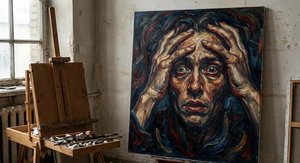
Figurative Expressionism: Emotional Intensity & Subjective Reality in 20th-Century Art
Explore the powerful world of Figurative Expressionism with TopImpressionists. Discover key artists like Kirchner & Beckmann, understand its emotional depth, and learn how to collect this influential 20th-century art movement.

The Sharpest Wit: A Critical Exploration of Satire in Art History – From Hogarth to Contemporary Critique
Explore the history of satire in art! From Hogarth's London to contemporary critique, discover how artists use wit & visual power to reflect and challenge society. Expert insights at TopImpressionists.
Ontdek kunstwerken georganiseerd op thema, stijl en kenmerk.


