


 Bekijk op ware grootte
 Verstuur
 Delen
Delen
 Details bekijken
 Gids voor studentenkunstwerken

 Download
 Vergelijkbare items
 Röntgenonderzoek
 Diavoorstelling
 Statistieken
untitled (2612)


Experience the tranquility of Georges Seurat’s Pointillist masterpiece—a luminous beach scene brimming with detail and capturing the serene beauty of Impressionism's final flourish. Explore this iconic artwork and bring its captivating vision home.
 Lees meer
Ontdek Georges Seurat (1859-1891), pionier van Pointillisme & Neo-Impressionisme! Bewonder 'A Sunday on La Grande Jatte' en zijn baanbrekende kleurtheorie. Handgeschilderde reproducties te koop!
Giclée / Kunstafdrukken
Giclée- of canvasafdruk van museumkwaliteit met een snelle productie en flexibele afwerkingsmogelijkheden. ( Koop handgeschilderd kunstwerk Schakel over naar digitale afbeeldingen)




P118B €10

P118H €10

P118W €10

P438Z €10

P508JH €12

P508YH €12

P805H €10

P805Z €10

P919BZ €10

P919G €10

P919XJ €10

P959ZH €10

P968JZ €12

W106C €8

W218G €10

W218JH €8

W218Y €10

W307PJ €10

W316G €10

W316PJ €8

W316Y €10

W398PJ €8

W4111J €10

W500HY €15

W500JH €15

W692G €12

W849H €8

W940BG €15

W953PJ €8




Standaardformaat
op maat gemaakt
CM
INCH
Kies uit onze vooraf ingestelde maten die overeenkomen met de originele verhoudingen van het kunstwerk.
Loading sizes...

breedte
hoogte
Voer de breedte en de hoogte in die u nodig heeft, passend bij uw lijst of uw muur. Een afdruk kan alleen worden ingekort, nooit groter worden gemaakt dan het origineel, waardoor een formaat met een andere verhouding een deel van de afbeelding verliest. Wij sturen u een digitaal mockup ter goedkeuring voordat we iets drukken. De afbeelding op deze pagina toont niet de werkelijke uitsnede — dit is alleen te zien op het mockup.
Wereldwijde levering () binnen 2 weken in plaats van de standaard 4/5 weken. (17 oktober)

Gratis wereldwijde expressverzending

Hoogwaardig linnen canvas

Volledige verzendverzekering

Garantie op terugbetaling van invoerrechten

Garantie op exacte kleurweergave

Retourbeleid van 100 dagen (alleen bij defecten)

100% Geld-terug-garantie

Korting bij meerdere afnames
 De optie voor glas is alleen beschikbaar bij een formaat kleiner dan 110 cm.

untitled (2612)
Giclée / Kunstafdrukken
Formaat reproductie
-


Totaalprijs
€ 61
A Symphony of Light and Color: The Luminous World of Georges Seurat
In the quiet transition between the fleeting impressions of the late 19th century and the structured dawn of modernism, there exists a moment of pure, scientific magic. This is captured profoundly in Georges Seurat’s untitled masterpiece from 1887. At first glance, the viewer is greeted by a serene seascape, a tranquil slice of the coast where the ocean meets the shore under a heavy, contemplative sky. Yet, to look closer is to enter a different realm entirely—one where the very air seems to vibrate with a rhythmic, optical energy. This painting is not merely a depiction of a beach; it is an exploration of how the human eye perceives the world through the delicate interplay of light and pigment.
The scene unfolds with a masterful sense of depth and atmosphere. In the foreground, the sandy shore serves as a stage for life in its most peaceful forms: birds scattered across the sand, a solitary dog enjoying the coastal breeze, and figures that anchor the composition within a shared moment of leisure. Out on the water, boats drift with a quiet grace, some anchored near the shoreline while others vanish into the hazy distance of the sea. The sky, draped in soft, heavy clouds, adds a layer of atmospheric weight, suggesting a mood that is both tranquil and slightly melanchative, mirroring the subtle anxieties of the Belle Époque.
The Science of the Dot: Mastering Pointillist Precision
What distinguishes this work from the broader strokes of his Impressionist contemporaries is Seurat’s revolutionary commitment to Pointillism, or what he preferred to call "chromo-luminosity." Eschewing the traditional method of blending pigments on a palette, Seurat applied thousands of tiny, distinct dots of pure color directly onto the canvas. This technique was deeply rooted in the scientific theories of his time, particularly the study of optical mixing. By placing complementary colors side-by-side, he allowed the viewer's retina to perform the work of blending, creating a luminosity and brilliance that traditional brushwork could never achieve.
Every dot acts as a miniature prism, refracting light to create a shimmering effect that makes the water glisten and the clouds glow with an internal radiance. This meticulous, almost mathematical approach to painting transformed the canvas into a living mosaic. For the collector or the admirer of fine art, this technique offers a tactile richness; even in a high-quality reproduction, the structural integrity and the "vibration" of the color remain palpable, providing a sense of movement that is both static and alive.
An Eternal Moment for the Modern Interior
Beyond its technical brilliance, this painting possesses an emotional resonance that makes it a timeless addition to any curated space. It captures the essence of serenity—a momentary pause in the rush of existence. The balance between the structured, scientific application of paint and the organic, flowing subject matter creates a sophisticated tension that is perfect for contemporary interior design. Whether placed in a sun-drenched living room or a quiet study, the piece invites contemplation and serves as a focal point of calm.
For those seeking to bring the prestige of the Musée d'Orsay into their own homes, this reproduction offers more than just decoration; it offers an invitation to experience the evolution of modern art. It is a piece that speaks to the intellect through its history and to the soul through its beauty, making it an indispensable treasure for anyone who appreciates the profound intersection of science, nature, and human emotion.
Vragen & Antwoorden
Toont "untitled (2612)" sterke licht-donkercontrasten?
"untitled (2612)" door Georges Pierre Seurat vertoont een Bold contrast tussen de lichte en donkere partijen.
Wat is de dominante kleur van "untitled (2612)" door Georges Pierre Seurat?
Een Ochre to Sepia tint loopt door "untitled (2612)" door Georges Pierre Seurat.
Waar bevindt "untitled (2612)" door Georges Pierre Seurat zich binnen de kunstgeschiedenis?
"untitled (2612)" door Georges Pierre Seurat behoort tot de Impressionistic Precision-stroming, binnen de 19th Century-periode. Samen geven zij het werk zijn plaats in de kunstgeschiedenis.
Gerelateerde kunstwerken


Biografie van de kunstenaar
Georges Seurat: De Wetenschap van Licht en de Poëzie van het Moderne Leven
Georges Pierre Seurat, geboren in Parijs op 2 december 1859, was meer dan een schilder; hij was een wetenschapper, een denker en een revolutionair die de kunstwereld voorgoed veranderde. Zijn leven, hoewel tragisch kort – hij stierf slechts 31 jaar oud – was intensief gericht op het ontrafelen van de mysteries van licht en kleur, resulterend in een unieke visuele taal die bekend staat als Pointillisme en Neo-Impressionisme. Seurat’s jeugd, gekenmerkt door een comfortabele burgerlijke omgeving, legde de basis voor zijn latere artistieke ambities. Na een solide opleiding aan de École Municipale de Sculpture et Dessin en later de prestigieuze École des Beaux-Arts, waar hij studeerde onder Henri Lehmann, begon Seurat zich af te keren van de traditionele academische normen. Hij zocht naar een manier om de werkelijkheid weer te geven die verder ging dan het louter observeren; hij wilde de wetenschap achter de waarneming begrijpen en deze kennis in zijn kunst integreren.Van Academisme naar Chromoluminarisme: Een Wetenschappelijke Revolutie
Seurat’s artistieke ontwikkeling was geen plotselinge sprong, maar een geleidelijke evolutie, aangedreven door onverzadigbare nieuwsgierigheid en rigoureuze experimenten. Zijn vroege werk vertoonde nog invloeden van de academische traditie, met tekenvaardigheid en respect voor gevestigde compositiewetten. Maar al snel begon hij deze conventies in twijfel te trekken, op zoek naar een meer systematische benadering van het schilderen. Hij verdiepte zich in de kleurenleer, bestudeerde de werken van wetenschappers zoals Michel Eugène Chevreul en Ogden Rood, die de optische effecten van naast elkaar geplaatste kleuren onderzochten. Deze studies vormden de basis voor zijn baanbrekende techniek: chromoluminarisme – de wetenschap van kleur – en de praktische toepassing ervan, Pointillisme. Het idee was simpel maar revolutionair: kleine, afzonderlijke puntjes van pure kleur op het doek aanbrengen, in de hoop dat het oog van de toeschouwer deze optisch zou vermengen en zo een levendig, stralend effect zou creëren. Dit ging verder dan alleen helderdere kleuren; het was een poging om te begrijpen hoe het menselijk visuele systeem licht en kleur waarneemt en die kennis te benutten om een dynamischer en boeiender schilderij te creëren. Seurat’s voorbereiding op zijn grootschalige composities was even indrukwekkend: met Conté krijt maakte hij gedetailleerde tekeningen op ruw papier, waarbij hij de plaatsing van elke punt zorgvuldig plande – een bijna wiskundig precisie in zijn artistieke proces.Iconische Werken en Artistieke Visie: Een Blik op La Grande Jatte
Het hoogtepunt van Seurat’s onderzoek en experimenten is wellicht het best te zien in A Sunday Afternoon on the Island of La Grande Jatte (1884-1886), een monumentaal werk dat het begin markeerde van het Neo-Impressionisme. Dit iconische schilderij, waarop Parijzenaars genieten van een ontspannen middag aan de Seine, toont zijn pointillistische techniek in al haar glorie. De figuren, weergegeven als zorgvuldig geplaatste puntjes kleur, lijken te fonkelen en te vibreren met licht, waardoor een sfeer van serene stilte ontstaat. Alfalfa, Saint-Denis (1886-1887) toont zijn toepassing van de kleurenleer op een landschap, terwijl eerdere werken zoals Landscape at Saint-Ouen (1882-1883) zijn evoluerende stijl en groeiende interesse in het vastleggen van licht en sfeer onthullen. Zelfs afbeeldingen van het moderne Parijse leven, zoals The Eiffel Tower (1889), werden getransformeerd door zijn unieke techniek, waarbij een harmonieuze combinatie van industriële moderniteit en artistieke innovatie werd bereikt. Bathers at Asnières (1884), een ander belangrijk werk, verkende thema's als ontspanning en modern leven met zijn kenmerkende stijl, en voorspelde de meer verfijnde aanpak die te zien is in *La Grande Jatte*. Deze schilderijen waren niet zomaar representaties van scènes; ze waren zorgvuldig opgebouwde visuele experimenten, ontworpen om de mogelijkheden van kleur en waarneming te verkennen.Een Duurzaam Erfgoed: Invloed en Historische Betekenis
Ondanks een tragisch kort leven – Seurat stierf op slechts 31-jarige leeftijd in 1891 – was zijn impact op de kunstwereld diepgaand en verreikend. Zijn werk daagde traditionele artistieke conventies uit, waardoor de weg werd geopend voor talloze daaropvolgende bewegingen. De nadruk op subjectieve expressie en de verkenning van nieuwe technieken resoneerde met kunstenaars die wilden breken met beperkingen. Seurat’s invloed is te zien in het werk van de Fauvisten, die felle kleuren en expressieve penseelstreken omarmden; de Cubisten, die vormen ontleed in geometrische vormen; en de Abstract Expressionisten, die emotionele intensiteit en spontane gebaren prioriteerden. Seurat’s wetenschappelijke benadering van het schilderen, hoewel aanvankelijk controversieel, verbredde uiteindelijk de definitie van artistieke mogelijkheden. Hij toonde aan dat kunst zowel intellectueel rigoureus als emotioneel ontroerend kon zijn – een synthese die kunstenaars tot op de dag van vandaag inspireert. Seurat’s nalatenschap strekt zich uit voorbij zijn technische innovaties; hij heeft een oeuvre achtergelaten dat de essentie van het moderne leven vastlegt met ongeëvenaarde precisie en schoonheid, waardoor hij zijn plaats als een ware pionier van de moderne kunst heeft verworven. Zijn schilderijen blijven getuigenissen van de kracht van observatie, experimenten en de onvermoeibare menselijke wens om de wereld om ons heen te begrijpen door de lens van artistieke expressie.
Georges Pierre Seurat
1859 - 1891 , Frankrijk
Snelle feiten
- Artistic Movement Or Style: Neo-Impressionisme, Puntillisme
- Artists Or Movements Influenced By This Artist:
- Fauvisme
- Kubisme
- Abstract Expressionisme
- Artists Who Influenced This Artist:
- Michel Eugène Chevreul
- Ogden Rood
- Date Of Birth: 2 december 1859
- Date Of Death: 29 maart 1891
- Full Name: Georges Pierre Seurat
- Nationality: Frans
- Notable Artworks:
- A Sunday on La Grande Jatte
- Bathers at Asnières
- Alfalfa, Saint-Denis
- De Eiffeltoren
- Place Of Birth: Parijs, Frankrijk
Gerelateerde artikelen
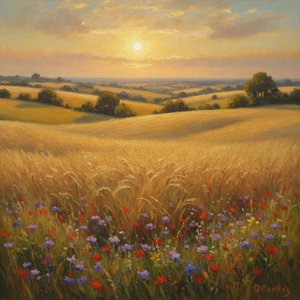
Golden Fields & Sun-Drenched Meadows: Capturing the Soul of Impressionist Landscapes
Immerse yourself in the luminous world of Impressionist landscapes. Discover how masters like Monet and Gauguin captured ephemeral light through plein air painting, and learn to bring the soul of sun-drenched meadows into your home with exquisite, hand-painted oil reproductions.

The Beauty of Impermanence: Capturing Decay through Impressionist Eyes
Explore the profound beauty of impermanence through Impressionist and Post-Impressionist eyes. Discover how masters like Monet and Van Gogh captured fleeting light and the poetic essence of nature's transitions in our deep dive into art history and emotional landscapes.

Capturing the Soul: The Most Emotionally Moving Impressionist and Post-Impressionist Masterpieces
Discover the profound emotional depth of Impressionist and Post-Impressionist masterpieces. Explore how legends like Monet, Van Gogh, and Gauguin captured light and soul through evocative landscapes and vibrant brushwork for a timeless connection to art history.

Soft Light & Velvet Touch: The Ethereal Magic of Pastel Artistry in Impressionist Masterpieces
Discover the ethereal beauty of pastel art through an Impressionist lens. Explore how masters like Monet and Renoir captured light and velvet textures, and learn to curate a collection of luminous, museum-quality masterpieces for your home.

Beyond the Light: Capturing Raw Emotion and Subjective Vision in Post-Impressionist Landscapes
Explore the profound emotional depth of Post-Impressionist landscapes. Discover how masters like Van Gogh moved beyond light to capture raw human feeling through vibrant color and expressive texture in this expert art history retrospective.
Ontdek kunstwerken georganiseerd op thema, stijl en kenmerk.


