


 Bekijk op ware grootte
 Verstuur
 Delen
Delen
 Details bekijken
 Gids voor studentenkunstwerken

 Download
 Vergelijkbare items
 Röntgenonderzoek
 Diavoorstelling
 Statistieken
untitled (7920)

Explore 'untitled (7920)' by Georges Seurat – a hazy Impressionistic landscape showcasing Pointillism & industrial juxtaposition. Discover its dreamy atmosphere & revolutionary color theory.
 Lees meer
Ontdek Georges Seurat (1859-1891), pionier van Pointillisme & Neo-Impressionisme! Bewonder 'A Sunday on La Grande Jatte' en zijn baanbrekende kleurtheorie. Handgeschilderde reproducties te koop!
Giclée / Kunstafdrukken
Giclée- of canvasafdruk van museumkwaliteit met een snelle productie en flexibele afwerkingsmogelijkheden. ( Koop handgeschilderd kunstwerk Schakel over naar digitale afbeeldingen)




P118B €10

P118H €10

P118W €10

P438Z €10

P508JH €12

P508YH €12

P805H €10

P805Z €10

P919BZ €10

P919G €10

P919XJ €10

P959ZH €10

P968JZ €12

W106C €8

W218G €10

W218JH €8

W218Y €10

W307PJ €10

W316G €10

W316PJ €8

W316Y €10

W398PJ €8

W4111J €10

W500HY €15

W500JH €15

W692G €12

W849H €8

W940BG €15

W953PJ €8




Standaardformaat
op maat gemaakt
CM
INCH
Kies uit onze vooraf ingestelde maten die overeenkomen met de originele verhoudingen van het kunstwerk.
Loading sizes...

breedte
hoogte
Voer de breedte en de hoogte in die u nodig heeft, passend bij uw lijst of uw muur. Een afdruk kan alleen worden ingekort, nooit groter worden gemaakt dan het origineel, waardoor een formaat met een andere verhouding een deel van de afbeelding verliest. Wij sturen u een digitaal mockup ter goedkeuring voordat we iets drukken. De afbeelding op deze pagina toont niet de werkelijke uitsnede — dit is alleen te zien op het mockup.
Wereldwijde levering () binnen 2 weken in plaats van de standaard 4/5 weken. (24 oktober)

Gratis wereldwijde expressverzending

Hoogwaardig linnen canvas

Volledige verzendverzekering

Garantie op terugbetaling van invoerrechten

Garantie op exacte kleurweergave

Retourbeleid van 100 dagen (alleen bij defecten)

100% Geld-terug-garantie

Korting bij meerdere afnames
 De optie voor glas is alleen beschikbaar bij een formaat kleiner dan 110 cm.

untitled (7920)
Giclée / Kunstafdrukken
Formaat reproductie
-


Totaalprijs
€ 62
A Glimpse into Industrial Transformation: Seurat’s Atmospheric Landscape
This captivating, untitled work by Georges Seurat offers a compelling vision of late 19th-century France – a nation undergoing rapid industrialization. While seemingly a simple landscape, the painting is rich in artistic innovation and subtle commentary on the changing world. The scene depicts an industrial area, dominated by a factory structure, set against a backdrop of fields, rendered with a remarkable atmospheric quality.Impressionistic Roots & Neo-Impressionist Seeds
Though exhibiting strong Impressionistic tendencies – particularly in its focus on light and atmosphere, and loose brushwork – this piece hints at the direction Seurat would soon fully embrace: *Neo-Impressionism*. The softened forms and diffused lighting are characteristic of the Impressionist movement’s desire to capture fleeting moments. However, a closer look reveals a methodical approach to color and form that foreshadows his later Pointillist masterpieces. The flattened perspective prioritizes an overall impression over strict realism, a hallmark of the era's shift away from academic painting.Technique & Materials
Seurat masterfully employs oil paints on canvas, utilizing small, broken brushstrokes to build up texture and create a sense of movement. This technique isn’t yet the fully realized Pointillism he became famous for – where distinct dots of color blend optically – but it demonstrates his experimentation with divisionism, separating colors into their constituent parts. The layering of these strokes creates a vibrant, almost shimmering effect, particularly noticeable in the sky and fields. The muted palette contributes to the dreamlike quality of the scene, evoking a sense of quiet contemplation.Subject Matter & Symbolism
The juxtaposition of the industrial factory against the natural landscape is central to understanding this work. It’s not merely a depiction of a place; it's a visual statement about the impact of urbanization on the environment and traditional ways of life. The factory, while dominating the composition, isn’t presented as menacing but rather blends into the hazy atmosphere, suggesting both its power *and* its integration (or perhaps intrusion) into the natural world. This subtle approach invites viewers to consider their own relationship with industrial progress.Historical Context & Seurat's Vision
Born in 1859, Seurat lived through a period of immense social and technological change. France was rapidly modernizing, and the rise of industry brought both prosperity and disruption. Seurat’s art often reflects this tension, exploring themes of leisure, modernity, and the changing landscape. While he is best known for *A Sunday on La Grande Jatte*, works like this demonstrate his broader artistic concerns and his evolving style. He was deeply interested in scientific theories of color and optics, which heavily influenced his innovative techniques.Emotional Impact & Aesthetic Appeal
This painting evokes a sense of quietude and nostalgia. The soft lighting, muted colors, and hazy atmosphere create a dreamlike quality that invites introspection. It’s a work that rewards close viewing, revealing subtle details and nuances in its composition and technique. Its aesthetic appeal lies in its ability to capture both the beauty of the natural world *and* the complexities of modern life.- Style: Impressionistic/Early Neo-Impressionism
- Subject: Industrial Landscape
- Materials: Oil on Canvas
- Themes: Urbanization, Industrialization, Modernity, Atmosphere
Vragen & Antwoorden
Is "untitled (7920)" een van de meest populaire werken van Georges Pierre Seurat?
Het populariteitsniveau dat is vastgelegd voor "untitled (7920)" door Georges Pierre Seurat is Iconic.
Is "untitled (7920)" door Georges Pierre Seurat een portret, landschap of vierkante compositie?
"untitled (7920)" door Georges Pierre Seurat is een Landscape compositie. Het is raadzaam de verhoudingen te controleren voordat u een afmeting voor de print kiest.
Is "untitled (7920)" een beroemd kunstwerk uit de Impressionism-stroming?
"untitled (7920)" door Georges Pierre Seurat wordt geclassificeerd als Iconic en behoort tot de Impressionism-stroming.
Gerelateerde kunstwerken


Biografie van de kunstenaar
Georges Seurat: De Wetenschap van Licht en de Poëzie van het Moderne Leven
Georges Pierre Seurat, geboren in Parijs op 2 december 1859, was meer dan een schilder; hij was een wetenschapper, een denker en een revolutionair die de kunstwereld voorgoed veranderde. Zijn leven, hoewel tragisch kort – hij stierf slechts 31 jaar oud – was intensief gericht op het ontrafelen van de mysteries van licht en kleur, resulterend in een unieke visuele taal die bekend staat als Pointillisme en Neo-Impressionisme. Seurat’s jeugd, gekenmerkt door een comfortabele burgerlijke omgeving, legde de basis voor zijn latere artistieke ambities. Na een solide opleiding aan de École Municipale de Sculpture et Dessin en later de prestigieuze École des Beaux-Arts, waar hij studeerde onder Henri Lehmann, begon Seurat zich af te keren van de traditionele academische normen. Hij zocht naar een manier om de werkelijkheid weer te geven die verder ging dan het louter observeren; hij wilde de wetenschap achter de waarneming begrijpen en deze kennis in zijn kunst integreren.Van Academisme naar Chromoluminarisme: Een Wetenschappelijke Revolutie
Seurat’s artistieke ontwikkeling was geen plotselinge sprong, maar een geleidelijke evolutie, aangedreven door onverzadigbare nieuwsgierigheid en rigoureuze experimenten. Zijn vroege werk vertoonde nog invloeden van de academische traditie, met tekenvaardigheid en respect voor gevestigde compositiewetten. Maar al snel begon hij deze conventies in twijfel te trekken, op zoek naar een meer systematische benadering van het schilderen. Hij verdiepte zich in de kleurenleer, bestudeerde de werken van wetenschappers zoals Michel Eugène Chevreul en Ogden Rood, die de optische effecten van naast elkaar geplaatste kleuren onderzochten. Deze studies vormden de basis voor zijn baanbrekende techniek: chromoluminarisme – de wetenschap van kleur – en de praktische toepassing ervan, Pointillisme. Het idee was simpel maar revolutionair: kleine, afzonderlijke puntjes van pure kleur op het doek aanbrengen, in de hoop dat het oog van de toeschouwer deze optisch zou vermengen en zo een levendig, stralend effect zou creëren. Dit ging verder dan alleen helderdere kleuren; het was een poging om te begrijpen hoe het menselijk visuele systeem licht en kleur waarneemt en die kennis te benutten om een dynamischer en boeiender schilderij te creëren. Seurat’s voorbereiding op zijn grootschalige composities was even indrukwekkend: met Conté krijt maakte hij gedetailleerde tekeningen op ruw papier, waarbij hij de plaatsing van elke punt zorgvuldig plande – een bijna wiskundig precisie in zijn artistieke proces.Iconische Werken en Artistieke Visie: Een Blik op La Grande Jatte
Het hoogtepunt van Seurat’s onderzoek en experimenten is wellicht het best te zien in A Sunday Afternoon on the Island of La Grande Jatte (1884-1886), een monumentaal werk dat het begin markeerde van het Neo-Impressionisme. Dit iconische schilderij, waarop Parijzenaars genieten van een ontspannen middag aan de Seine, toont zijn pointillistische techniek in al haar glorie. De figuren, weergegeven als zorgvuldig geplaatste puntjes kleur, lijken te fonkelen en te vibreren met licht, waardoor een sfeer van serene stilte ontstaat. Alfalfa, Saint-Denis (1886-1887) toont zijn toepassing van de kleurenleer op een landschap, terwijl eerdere werken zoals Landscape at Saint-Ouen (1882-1883) zijn evoluerende stijl en groeiende interesse in het vastleggen van licht en sfeer onthullen. Zelfs afbeeldingen van het moderne Parijse leven, zoals The Eiffel Tower (1889), werden getransformeerd door zijn unieke techniek, waarbij een harmonieuze combinatie van industriële moderniteit en artistieke innovatie werd bereikt. Bathers at Asnières (1884), een ander belangrijk werk, verkende thema's als ontspanning en modern leven met zijn kenmerkende stijl, en voorspelde de meer verfijnde aanpak die te zien is in *La Grande Jatte*. Deze schilderijen waren niet zomaar representaties van scènes; ze waren zorgvuldig opgebouwde visuele experimenten, ontworpen om de mogelijkheden van kleur en waarneming te verkennen.Een Duurzaam Erfgoed: Invloed en Historische Betekenis
Ondanks een tragisch kort leven – Seurat stierf op slechts 31-jarige leeftijd in 1891 – was zijn impact op de kunstwereld diepgaand en verreikend. Zijn werk daagde traditionele artistieke conventies uit, waardoor de weg werd geopend voor talloze daaropvolgende bewegingen. De nadruk op subjectieve expressie en de verkenning van nieuwe technieken resoneerde met kunstenaars die wilden breken met beperkingen. Seurat’s invloed is te zien in het werk van de Fauvisten, die felle kleuren en expressieve penseelstreken omarmden; de Cubisten, die vormen ontleed in geometrische vormen; en de Abstract Expressionisten, die emotionele intensiteit en spontane gebaren prioriteerden. Seurat’s wetenschappelijke benadering van het schilderen, hoewel aanvankelijk controversieel, verbredde uiteindelijk de definitie van artistieke mogelijkheden. Hij toonde aan dat kunst zowel intellectueel rigoureus als emotioneel ontroerend kon zijn – een synthese die kunstenaars tot op de dag van vandaag inspireert. Seurat’s nalatenschap strekt zich uit voorbij zijn technische innovaties; hij heeft een oeuvre achtergelaten dat de essentie van het moderne leven vastlegt met ongeëvenaarde precisie en schoonheid, waardoor hij zijn plaats als een ware pionier van de moderne kunst heeft verworven. Zijn schilderijen blijven getuigenissen van de kracht van observatie, experimenten en de onvermoeibare menselijke wens om de wereld om ons heen te begrijpen door de lens van artistieke expressie.
Georges Pierre Seurat
1859 - 1891 , Frankrijk
Snelle feiten
- Artistic Movement Or Style: Neo-Impressionisme, Puntillisme
- Artists Or Movements Influenced By This Artist:
- Fauvisme
- Kubisme
- Abstract Expressionisme
- Artists Who Influenced This Artist:
- Michel Eugène Chevreul
- Ogden Rood
- Date Of Birth: 2 december 1859
- Date Of Death: 29 maart 1891
- Full Name: Georges Pierre Seurat
- Nationality: Frans
- Notable Artworks:
- A Sunday on La Grande Jatte
- Bathers at Asnières
- Alfalfa, Saint-Denis
- De Eiffeltoren
- Place Of Birth: Parijs, Frankrijk
Gerelateerde artikelen

The Symphony of Dots: Unveiling the Luminous Magic and Optical Brilliance of Pointillism
Discover the luminous magic of Pointillism and the scientific brilliance of Georges Seurat. Explore our exquisite, hand-painted oil reproductions, meticulously crafted to bring the timeless elegance and optical beauty of Neo-Impressionism into your home with museum-grade quality.

Capturing the Steam & Steel: Impressionist Visions of the Industrial Age
Explore the breathtaking intersection of industry and art. Discover how Impressionist masters captured the ethereal beauty of steam, steel, and light during the Industrial Age through evocative oil paintings and timeless techniques.

Capturing the Soul: The Most Emotionally Moving Impressionist and Post-Impressionist Masterpieces
Discover the profound emotional depth of Impressionist and Post-Impressionist masterpieces. Explore how legends like Monet, Van Gogh, and Gauguin captured light and soul through evocative landscapes and vibrant brushwork for a timeless connection to art history.

Beyond the Light: Capturing Raw Emotion and Subjective Vision in Post-Impressionist Landscapes
Explore the profound emotional depth of Post-Impressionist landscapes. Discover how masters like Van Gogh moved beyond light to capture raw human feeling through vibrant color and expressive texture in this expert art history retrospective.
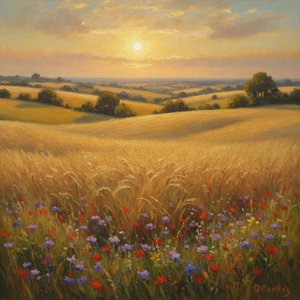
Golden Fields & Sun-Drenched Meadows: Capturing the Soul of Impressionist Landscapes
Immerse yourself in the luminous world of Impressionist landscapes. Discover how masters like Monet and Gauguin captured ephemeral light through plein air painting, and learn to bring the soul of sun-drenched meadows into your home with exquisite, hand-painted oil reproductions.
Ontdek kunstwerken georganiseerd op thema, stijl en kenmerk.


