


 Bekijk op ware grootte
 Verstuur
 Delen
Delen
 Details bekijken
 Gids voor studentenkunstwerken

 Download
 Vergelijkbare items
 Röntgenonderzoek
 Diavoorstelling
 Statistieken
Triptych with the Nativity
 Oil On Panel
- Northern Renaissance
 1505
1505- Renaissance
 90.0 x 71.0 cm
 Metropolitan Museum of Art
Experience the serene beauty of Gerard David's 'Triptych with the Nativity' (1505). A stunning Flemish masterpiece depicting the Holy Family, angels, and a rich biblical scene – a testament to Renaissance artistry.
 Lees meer
Gerard David (1460-1523): Vlaamse primitief met een unieke stijl, bekend om zijn levendige kleuren, serene religieuze scènes en baanbrekende landschappen. Een meester van de vroege renaissance!
Handgemaakte olieverfreproductie
Met de hand geschilderd in olieverf op canvas in uw gewenste maat en lijst, op bestelling gemaakt door onze kunstenaars. ( Schakel over naar print Schakel over naar digitale afbeeldingen)




P118B €10

P118H €10

P118W €10

P438Z €10

P508JH €12

P508YH €12

P805H €10

P805Z €10

P919BZ €10

P919G €10

P919XJ €10

P959ZH €10

P968JZ €12

W106C €8

W218G €10

W218JH €8

W218Y €10

W307PJ €10

W316G €10

W316PJ €8

W316Y €10

W398PJ €8

W4111J €10

W500HY €15

W500JH €15

W692G €12

W849H €8

W940BG €15

W953PJ €8




Standaardformaat
op maat gemaakt
CM
INCH
Kies uit onze vooraf ingestelde maten die overeenkomen met de originele verhoudingen van het kunstwerk.
Loading sizes...

breedte
hoogte
Voer de breedte en de hoogte in die u nodig heeft, passend bij uw lijst of uw muur. Dit is handgeschilderd, dus bij een afmeting met een andere vormverhouding kan de kunstenaar iets meer rondom het schilderij schilderen of juist iets meer weglaten — u kiest zelf. Wij sturen u een digitaal mockup ter goedkeuring voordat het schilderwerk begint. De afbeelding die op deze pagina wordt getoond, is niet het uiteindelijke resultaat — alleen de mockup geeft dit weer.
Voorbeelden van wat aangepast kan worden: Vervang het gezicht met een eigen foto; Voeg een huisdier toe (bijv. vervang de kat door een hond); Verwerk een verborgen boodschap in de achtergrond; Wijzig het landschap of andere elementen in de achtergrond.
Na de bestelling zal het team van TopImpressionists.com per e-mail contact opnemen met de klant voor instructies en een mockup-voorbeeld sturen.
Na de bestelling zal het team van TopImpressionists.com per e-mail contact opnemen met de klant voor instructies en een mockup-voorbeeld sturen.
Wereldwijde levering () binnen 3 tot 4 weken in plaats van de standaard 5 weken. (21 oktober). Zonder concessies aan de kwaliteit.

Gratis wereldwijde expressverzending

Hoogwaardig linnen canvas

Volledige verzendverzekering

Garantie op terugbetaling van invoerrechten

Garantie op exacte kleurweergave

Retourbeleid van 100 dagen (alleen bij defecten)

100% Geld-terug-garantie

Korting bij meerdere afnames
 De optie voor glas is alleen beschikbaar bij een formaat kleiner dan 110 cm.

Triptych with the Nativity
Reproductiemethode
Formaat reproductie
-


Totaalprijs
€ 235
A Vision of Sacred Light: Gerard David's Triptych with the Nativity
To stand before this magnificent Triptych with the Nativity is to step directly into the luminous heart of the early Netherlandish Renaissance. Dating from 1505, this work by Gerard David captures not merely an event, but a profound moment of divine revelation. The composition itself, divided into three distinct yet interconnected panels, guides the viewer through the narrative arc of the Holy Family's arrival in Bethlehem. One senses immediately the meticulous craftsmanship characteristic of Flemish masters—a dedication to detail that elevates religious storytelling into breathtaking visual poetry.
Mastery of Light and Form
Gerard David was renowned for his ability to manipulate light, a quality evident throughout this piece. The technique employed showcases the rich oil painting tradition of the period, allowing the soft glow emanating from the manger scene to contrast beautifully with the deeper shadows in the surrounding architecture and figures. Observe how the light seems to illuminate Mary and Joseph, bestowing upon them an ethereal grace. In the central panel, the depiction of the angel holding the lamb over the newborn Jesus is particularly arresting; here, David uses subtle gradations of tone to suggest both the fragility of new life and the overwhelming presence of the divine. The inclusion of surrounding figures, each rendered with distinct individuality, populates the scene with human drama against a backdrop that feels both monumental and intimate.
Symbolism Woven into the Scene
The symbolism within this triptych is rich and multilayered, inviting contemplation from every corner. Beyond the central Nativity grouping, the flanking panels expand the narrative scope. The presence of angels in various poses—one bearing a bowl and spoon, perhaps alluding to the gifts of the Magi or ritual offerings—adds layers of theological meaning. Each figure seems imbued with purpose; they are not mere bystanders but participants in an eternal moment. The very structure of the triptych suggests revelation unfolding sequentially, guiding the viewer from one aspect of the mystery to the next.
A Timeless Presence for Modern Spaces
For the collector or designer seeking a piece that speaks of enduring artistry and deep history, this reproduction offers an unparalleled connection to the Northern Renaissance. While its original context was devotional, its sheer aesthetic power allows it to anchor any grand hall, library, or sacred space with unmatched gravitas. The combination of meticulous detail, masterful handling of light, and profound narrative depth ensures that this artwork does more than decorate; it elevates the spirit. Owning a reproduction of Gerard David’s work is to possess a tangible piece of artistic history, allowing the serene beauty of 1505 to resonate softly into the modern day.
Vragen & Antwoorden
Is "Triptych with the Nativity" gebleven in het geboorteland van de kunstenaar?
Nee - het kunstwerk wordt in het buitenland bewaard. Het geboorteland van Gerard David is Nederland, en het museum waar het origineel van "Triptych with the Nativity" zich bevindt, ligt in United States of America.
Hoe brengt "Triptych with the Nativity" licht en donker in evenwicht?
De vastgestelde waarden voor "Triptych with the Nativity" door Gerard David zijn: balanced helderheid, Soft Shadow luminantie.
In welk jaar werd "Triptych with the Nativity" door Gerard David gemaakt?
De creatie van "Triptych with the Nativity" door Gerard David dateert uit 1505.
Biografie van de kunstenaar
A Master of Flemish Light: The Enigmatic World of Gerard David
Gerard David, a name that resonates with the brilliance of early Netherlandish painting, remains an artist shrouded in intriguing mystery. Born around 1460 in Oudewater, Netherlands, his life story is pieced together from fragmented archival records and the eloquent testimony of his art. Unlike some contemporaries whose lives are richly documented, David’s personal narrative is sparse, allowing his paintings to speak volumes where biographical details fall silent. What is known suggests a remarkably successful career, likely managing workshops in both Antwerp and Bruges – centers of artistic innovation during the Renaissance. His reputation experienced an ebb in the 17th century, only to be gloriously resurrected by 19th-century art historians who recognized his unique contributions to the Northern Renaissance. He was inducted as a free master into the Corporation of Imagemakers and Saddlers in Bruges in 1484, marking a pivotal moment in his ascent. His later involvement with the Antwerp guild in 1515 further solidifies his standing within the artistic community.Formative Influences and Artistic Development
David’s artistic journey began under influences that shaped the very foundation of his style. Early works reveal a clear debt to painters like Jacob Janszoon, Dieric Bouts, and Geertgen tot Sint Jans – masters who instilled in him a meticulous attention to detail and a sensitivity to religious narrative. It is believed he spent time in Haarlem absorbing these lessons before relocating to Bruges, a vibrant hub of artistic exchange attracting talent from across Europe. Here, David encountered the masterpieces of Jan van Eyck, Rogier van der Weyden, and Hans Memling, absorbing their techniques while forging his own distinct path. He didn’t merely imitate; he synthesized these influences into something uniquely his own – a style characterized by luminous color, serene compositions, and an increasingly sophisticated understanding of landscape. His early paintings demonstrate this evolution, moving from the doll-like figures reminiscent of Haarlem traditions towards more sculptural forms grounded in their environment. This transition is visible in works like *Christ Nailed to the Cross*, where the influence of Bouts’ spatial construction blends with David’s emerging coloristic sensibility. The use of perspective and the dramatic lighting, hallmarks of Memling's style, are subtly integrated into David’s compositions, creating a sense of depth and realism that was groundbreaking for its time.Innovation in Landscape and Religious Narrative
Gerard David’s artistic signature lies in his innovative approach to both landscape and religious subject matter. He wasn’t simply depicting backgrounds; he was creating immersive environments that enhanced the emotional resonance of his scenes. His landscapes are not merely decorative, but integral components of the narrative, often imbued with symbolic meaning. This fascination with natural settings – dense forests, rolling hills, expansive skies – set him apart from many of his contemporaries and foreshadowed the development of landscape painting as an independent genre. Consider *View in a Forest*, outer wing of a triptych; it’s not simply a backdrop but a world unto itself, rendered with meticulous detail and atmospheric perspective. The trees are depicted with astonishing realism, their branches intertwined to create a sense of enclosure, while the light filtering through the leaves casts dappled shadows on the ground. This attention to naturalistic detail was unprecedented in religious painting at the time. Within his religious works, David demonstrated a remarkable ability to convey both profound spirituality and human emotion. Paintings like *The Marriage of St. Catherine* exemplify this skill. The scene is rendered with exquisite detail, yet it’s the subtle expressions on the figures' faces – their piety, contemplation, or gentle joy – that truly captivate the viewer. He possessed a gift for imbuing his sacred subjects with a sense of quiet dignity and relatable humanity. The *Triptych of the Madonna Enthroned and Saints* in Genoa showcases this mastery, presenting a harmonious composition filled with vibrant color and delicate detail. The figures are not idealized but portrayed with a remarkable degree of realism, their faces reflecting a range of emotions – serenity, compassion, and devotion. His *Virgin Among the Virgins*, donated to the Carmelite nuns of Sion at Bruges, is another testament to his skill, featuring a self-portrait within the painting itself – a rare and intimate gesture from an artist of his time. This self-representation underscores David’s desire to connect with his audience on a personal level, blurring the boundaries between the sacred and the secular.Major Achievements and Artistic Style
David's career spanned several decades, during which he produced a remarkable body of work that established him as one of the leading artists of the Bruges school. His most celebrated achievements include the *Judgment of Cambyses*, a monumental altarpiece depicting the judgment of Pharaoh by Isis, and the *Triptych of the Madonna Enthroned*, a masterpiece of devotional art. These works demonstrate his mastery of color, composition, and perspective – all hallmarks of his distinctive style. David’s palette was exceptionally rich and luminous, employing subtle gradations of color to create a sense of depth and atmosphere. He skillfully used light and shadow to model forms and evoke emotion, creating paintings that are both visually stunning and spiritually evocative. His compositions were often characterized by their balance and harmony, with figures arranged in carefully considered groupings. Furthermore, David was one of the first Northern Renaissance painters to incorporate elements of Italian Renaissance art into his work, particularly the use of perspective and classical motifs. This fusion of styles resulted in a uniquely powerful and expressive artistic vision.Legacy and Enduring Influence
Though his fame waned for a period after his death in 1523, Gerard David’s influence on subsequent generations of artists is undeniable. His innovative use of color, his masterful handling of light and shadow, and his pioneering approach to landscape all left an indelible mark on the development of Flemish painting. He paved the way for artists who would further explore the expressive potential of natural settings, such as Jacob Patinir and Jacob van Ruisdael.- A Bridge Between Traditions: David successfully bridged the gap between the late medieval tradition and the emerging Renaissance style.
- Influence on Landscape Painting: His detailed and atmospheric landscapes foreshadowed the development of landscape as a distinct genre.
- Masterful Colorist: He was renowned for his vibrant palette and skillful use of color to create emotional impact.
Exploring Further
- TopImpressionists.com: Discover an extensive collection of Gerard David’s paintings, including *The Adoration of the Magi*.
- View in a Forest: Explore this stunning Northern Renaissance landscape painting.
- The Early Netherlandish Art Movement: Delve deeper into the artistic context of David’s work.

Gerard David
1450 - 1523 , Nederland
Snelle feiten
- Artistic Movement Or Style: Vlaamse Primitieven
- Artists Or Movements Influenced By This Artist:
- Jan van Eyck
- Rogier van der Weyden
- Hans Memling
- Artists Who Influenced This Artist:
- Jacob Janszoon
- Dieric Bouts
- Geertgen tot Sint Jans
- Date Of Birth: c. 1460
- Date Of Death: 1523
- Full Name: Gerard David
- Nationality: Nederlands
- Notable Artworks:
- Bruiloft Sint Catharina
- Madonna onder de Engelen
- Landschap met het bos
- Place Of Birth: Oudewater, Nederland
Gerelateerde artikelen

Gerard David: Bridging Late Medieval Tradition with Early Renaissance Humanism
Explore the captivating world of Gerard David, a pivotal figure bridging late medieval artistry with the Early Renaissance. Discover his innovative techniques, religious masterpieces, and enduring legacy – a must-read for discerning art collectors.
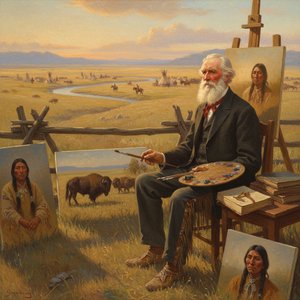
Joseph Henry Sharp: Capturing the Spirit of the Plains – Life, Art & Legacy
Explore the life & art of Joseph Henry Sharp, a founding member of the Taos Society of Artists renowned for his realistic depictions of Native American culture and Western landscapes. Discover his legacy with TopImpressionists.

Jacob Henricus Maris: A Master of Dutch Atmospheric Realism & the Intimate Landscape
Explore the captivating world of Jacob Henricus Maris, a leading figure of the Dutch Hague School. Discover his atmospheric landscapes, signature brushstrokes & lasting influence on 19th-century art. Learn more at TopImpressionists.

Jacques-Louis David: Neoclassical Ideals & Revolutionary Witness
Explore the life & art of Jacques-Louis David, leading Neoclassical painter of the French Revolution. Discover iconic works like 'The Death of Marat' and his lasting impact on art history. Expert analysis & high-quality reproductions at TopImpressionists.
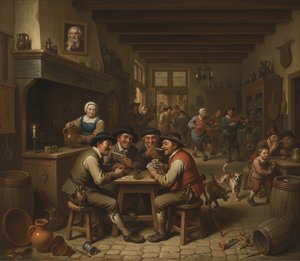
David Teniers II: Master of Flemish Genre & Social Commentary
Explore the captivating world of David Teniers II, a leading Flemish Baroque painter renowned for his lively genre scenes & insightful social commentary. Discover his masterpieces and legacy with TopImpressionists.
Ontdek kunstwerken georganiseerd op thema, stijl en kenmerk.


