


 Bekijk op ware grootte
 Verstuur
 Delen
Delen
 Details bekijken
 Gids voor studentenkunstwerken

 Download
 Vergelijkbare items
 Röntgenonderzoek
 Diavoorstelling
 Statistieken
Granida and Daifilo
 Oil On Canvas
- WallArt
- Baroque Painting
 1625
1625 145.0 x 179.0 cm
 Centraal Museum
Experience Gerard van Honthorst's dramatic 'Granida and Daifilo,' a captivating 1625 painting depicting a shepherdess and her lover amidst nature, showcasing Caravaggio-inspired chiaroscuro.
 Lees meer
Gerard van Honthorst (1592-1656) was een Nederlandse schilder die bekend staat om zijn dramatische, lichtrijke scènes en portretten in de stijl van Caravaggio. Zijn werk toont een unieke combinatie van Italiaanse invloeden en Nederlandse expressie.
Handgemaakte olieverfreproductie
Met de hand geschilderd in olieverf op canvas in uw gewenste maat en lijst, op bestelling gemaakt door onze kunstenaars. ( Schakel over naar print Schakel over naar digitale afbeeldingen)




P118B €10

P118H €10

P118W €10

P438Z €10

P508JH €12

P508YH €12

P805H €10

P805Z €10

P919BZ €10

P919G €10

P919XJ €10

P959ZH €10

P968JZ €12

W106C €8

W218G €10

W218JH €8

W218Y €10

W307PJ €10

W316G €10

W316PJ €8

W316Y €10

W398PJ €8

W4111J €10

W500HY €15

W500JH €15

W692G €12

W849H €8

W940BG €15

W953PJ €8




Standaardformaat
op maat gemaakt
CM
INCH
Kies uit onze vooraf ingestelde maten die overeenkomen met de originele verhoudingen van het kunstwerk.
Loading sizes...

breedte
hoogte
U kunt uw eigen afmetingen invoeren om in een specifieke lijst of ruimte te passen. Als de door u gekozen maat niet overeenkomt met de verhoudingen van het originele beeld, zullen we het kunstwerk bijsnijden of het schilderij uitbreiden met extra handgeschilderde elementen. Een digitale mockup wordt ter goedkeuring naar u verzonden voordat de productie begint.
Houd er rekening mee dat de preview op het scherm niet de werkelijke uitsnede of uitbreiding weergeeft. Alleen de mockup toont de uiteindelijke compositie nauwkeurig.
Hoewel aangepaste afmetingen mogelijk zijn, raden we aan een maat uit de vooraf gedefinieerde lijst te selecteren om de originele verhoudingen te behouden.
Voorbeelden van wat aangepast kan worden: Vervang het gezicht met een eigen foto; Voeg een huisdier toe (bijv. vervang de kat door een hond); Verwerk een verborgen boodschap in de achtergrond; Wijzig het landschap of andere elementen in de achtergrond.
Na de bestelling zal het team van TopImpressionists.com per e-mail contact opnemen met de klant voor instructies en een mockup-voorbeeld sturen.
Na de bestelling zal het team van TopImpressionists.com per e-mail contact opnemen met de klant voor instructies en een mockup-voorbeeld sturen.
Wereldwijde levering () binnen 3 tot 4 weken in plaats van de standaard 5 weken. (12 oktober). Zonder concessies aan de kwaliteit.

Gratis wereldwijde expressverzending

Hoogwaardig linnen canvas

Volledige verzendverzekering

Garantie op terugbetaling van invoerrechten

Garantie op exacte kleurweergave

Retourbeleid van 100 dagen (alleen bij defecten)

100% Geld-terug-garantie

Korting bij meerdere afnames
 De optie voor glas is alleen beschikbaar bij een formaat kleiner dan 110 cm.

Granida and Daifilo
Reproductiemethode
Formaat reproductie
-


Totaalprijs
€ 232
A Dutch Master’s Nocturne: Unveiling “Granida and Daifilo” by Gerard van Honthorst
Gerard van Honthorst's "Granida and Daifilo," painted in 1625, is more than just a pastoral scene; it’s a meticulously crafted tableau of romance, intrigue, and the dramatic interplay of light and shadow that defined the artist’s signature style. This captivating work, now housed within the collections of esteemed institutions like the Rijksmuseum, offers a glimpse into the burgeoning artistic landscape of 17th-century Holland – a period marked by Caravaggio's profound influence and a fervent embrace of theatrical lighting.
The painting depicts a tender encounter between Granida, a princess from an Eastern kingdom, and Daifilo, a shepherd who has captured her heart. The narrative unfolds amidst a verdant woodland setting, populated with a cast of characters engaged in a delicate dance of courtship and potential conflict. A watchful soldier stands poised to apprehend Daifilo, hinting at the obstacles inherent in their love – a subtle tension that elevates the scene beyond simple idyllic beauty. The composition is remarkably balanced, drawing the eye through a carefully orchestrated arrangement of figures and elements, creating a sense of depth and inviting the viewer into this intimate world.
The Shadowed Light: Honthorst’s Caravaggistic Technique
Honthorst's mastery lies in his ability to evoke atmosphere through masterful manipulation of light. He was deeply influenced by Caravaggio, adopting his signature *tenebrism* – a dramatic contrast between intensely bright highlights and deep shadows. In “Granida and Daifilo,” this technique is particularly evident in the way the figures are illuminated, creating a sense of mystery and drawing attention to their faces and gestures. The dappled sunlight filtering through the trees casts an ethereal glow upon the scene, while pockets of darkness conceal details and heighten the drama.
The artist’s brushwork is remarkably loose and expressive, contributing to the painting's dynamic quality. Notice how he uses rapid, short strokes to define the foliage and create a sense of movement within the landscape. Furthermore, Honthorst skillfully employs color – rich greens, earthy browns, and subtle hints of red – to establish mood and enhance the overall visual impact. The use of warm tones in the foreground contrasts with the cooler shades in the background, creating a compelling depth of field.
A Courtly Tale: Context and Symbolism
“Granida and Daifilo” was commissioned by Stadholder Frederik Hendrik for his residence at Honselaerdijk as one of a series of pastoral paintings intended to adorn his lavish home. The play itself, written by Pieter Hooft, was immensely popular during the Dutch Golden Age, exploring themes of love, loyalty, and social upheaval. The painting’s subject matter – a forbidden romance between a princess and a shepherd – resonated deeply with audiences, reflecting broader anxieties about social hierarchies and the challenges faced by those who dared to defy convention.
Beyond its narrative content, the work is laden with symbolism. The soldier represents societal constraints and the potential for disruption within the established order. The setting itself—a lush woodland—evokes notions of freedom, escape, and the untamed wilderness. Even the sheep present in the scene can be interpreted as symbols of innocence and vulnerability. The inclusion of a bowl suggests hospitality and generosity – elements central to the pastoral ideal.
An Emotional Resonance: Beauty and Intrigue
“Granida and Daifilo” transcends its historical context, offering viewers an enduring sense of beauty and intrigue. The painting’s evocative lighting, dynamic composition, and compelling narrative combine to create a truly captivating experience. It's not merely a depiction of a romantic encounter; it’s a meditation on love, loss, and the delicate balance between desire and duty. The subtle tension within the scene—the impending arrest, the unspoken longing—keeps the viewer engaged long after they’ve turned away, prompting reflection on the complexities of human relationships and the enduring power of art to capture the essence of our emotions.
Reproductions of this masterpiece offer a remarkable opportunity to bring its atmospheric drama into any setting. Consider framing it in a manner that complements its rich palette and dramatic lighting—perhaps against a dark wall to enhance the effect of *tenebrism*, or within a room bathed in natural light to capture the painting’s luminous quality.
Vragen & Antwoorden
Hoe kan ik een digitaal bestand van "Granida and Daifilo" door Gerard van Honthorst verkrijgen?
"Granida and Daifilo" is verkrijgbaar als een download van een digitale afbeelding in hoge resolutie, direct te koop op deze pagina.
Wat is het kleurenpalet van "Granida and Daifilo" door Gerard van Honthorst?
"Granida and Daifilo" wordt gekenmerkt door een Earthy palet met Walnut (#75542c) als dominante kleur.
Uit welke fase van de ontwikkeling van Gerard van Honthorst is "Granida and Daifilo"?
"Granida and Daifilo" vertegenwoordigt de Early Baroque van Gerard van Honthorst.
Kan ik "Granida and Daifilo" door Gerard van Honthorst op mijn eigen muur bekijken voordat ik het koop?
"Granida and Daifilo" heeft een augmented reality-preview: de AR-voorvertoning-pagina van het kunstwerk toont het in uw eigen ruimte op een compatibel apparaat.
Waar kan ik kunstwerken vinden die lijken op "Granida and Daifilo" door Gerard van Honthorst?
De pagina Vergelijkbare werken van "Granida and Daifilo" door Gerard van Honthorst presenteert gerelateerde kunstwerken.
Welke techniek is gebruikt voor "Granida and Daifilo" door Gerard van Honthorst?
Gerard van Honthorst gebruikte de Oil On Canvas-techniek voor "Granida and Daifilo". De techniek bepaalt de materiële aard van het originele werk.
Voor welke kamer wordt "Granida and Daifilo" door Gerard van Honthorst aanbevolen?
Een reproductie van "Granida and Daifilo" past uitstekend in een Living Room.
Kan de afbeelding van "Granida and Daifilo" door Gerard van Honthorst vrij worden gereproduceerd?
De auteursrechtelijke status van "Granida and Daifilo" door Gerard van Honthorst: het werk is bevindt zich in het publiek domein - de auteursrechten zijn verlopen. Dit bepaalt of reproducties van de afbeelding vrijelijk mogen worden gemaakt.
Biografie van de kunstenaar
Een leven verlicht: De wereld van Gerard van Honthorst
Gerard van Honthorst, geboren in Utrecht in 1592, was een uitzonderlijk kunstenaar die de Nederlandse Gouden Eeuw met zijn dramatische en lichtrijke schilderingen verrijkte. Zijn jeugd werd gevormd door zijn vader, een decoratieschilder, en onder de begeleiding van Abraham Bloemaert legde hij een stevige basis in techniek en compositie. Maar het was een reis naar Rome die zijn artistieke ontwikkeling radicaal veranderde. Daar, midden in de energieke sfeer van de Italiaanse Barok, ontmoette hij Caravaggio – een ontmoeting die zijn kenmerkende stijl zou definiëren en hem de bijnaam “Gherardo delle Notti” opleverde, ofwel Gerard van de Nachts. De dramatische toepassing van tenebrism, waarbij scherpe contrasten tussen licht en donker werden gebruikt, werd zijn handtekening, waardoor zijn doeken een intense spanning en emotionele diepte kregen. Het was niet zomaar imitatie; Honthorst vertaalde Caravaggio’s innovaties naar een uniek Nederlands perspectief, met de focus op intieme scènes verlicht door kunstmatige lichtbronnen – kaarsen, lampen en vuurplaatsen – waardoor een sfeer ontstond die zowel realistisch als theatralisch was. Deze beheersing van het licht was meer dan alleen technische vaardigheid; het was een manier om karakter te onthullen, de kijker in het emotionele hart van elke scène te trekken.Van Romeinse Glorie naar Nederlandse Meesterschap
Honthorst’s tijd in Rome was gekenmerkt door aanzienlijke erkenning en patronage. Hij won de gunst van de elite van de stad, waaronder Vincenzo Giustiniani, voor wie hij het krachtige “Christ Before the High Priest” schilderde – een werk dat zijn meesterschap over licht en schaduw perfect demonstreert. Deze schilderij, nu te zien in de National Gallery in Londen, toont niet alleen zijn technische bekwaamheid, maar ook zijn vermogen om diepgaande psychologische lagen in zijn figuren weer te geven. Hij versterkte zijn reputatie verder door te werken voor Cosimo II de' Medici, de Groothertog van Toscane, en later voor kardinaal Barberini, de latere paus Urbanus VIII. Deze connecties brachten hem in contact met de meest invloedrijke kunstenaars en intellectuelen van het tijdperk. Honthorst’s stijl evolueerde voortdurend, waarbij hij elementen uit de Italiaanse Barok combineerde met zijn eigen Nederlandse gevoeligheid. Hij was een meester in het creëren van sfeer en emotie, en zijn werken werden vaak gekenmerkt door hun dramatische composities en levendige kleuren.De Utrechtse Caravaggisten
Honthorst behoorde tot de *Utrechtse Caravaggisten*, een groep Nederlandse schilders die zich lieten inspireren door Caravaggio’s radicale realisme en tenebrism. Naast Hendrick ter Brugghen en Dirck van Baburen was hij een sleutelfiguur in deze beweging, die de Italiaanse Barokstijl naar Nederland bracht. Hun werk werd gekenmerkt door een nadruk op genre scènes verlicht door kunstmatige lichtbronnen, hun meesterlijke portretten en hun vermogen om emoties over te brengen door middel van het gebruik van clair-obscur. Honthorst’s focus op intieme scènes, vaak met een dramatische compositie en een sterke nadruk op licht en schaduw, onderscheidde hem van andere Nederlandse schilders van zijn tijd. Hij was niet alleen een imitator; hij ontwikkelde een eigen stijl die uniek was voor hem.Een Courtier en Collaborateur
Na zijn terugkeer naar Utrecht rond 1620 vestigde Honthorst zich snel als een toonaangevende portretschilder in de Nederlandse Republiek. Zijn vermogen om niet alleen fysieke gelijkenis, maar ook karakter en sociale status van zijn onderwerpen vast te leggen, maakte hem zeer gewild bij rijke kooplieden, edelen en zelfs koningen. Hij werd in 1623 president van het Sint-Lucasgilde in Utrecht, een bewijs van zijn toenemende invloed binnen de artistieke gemeenschap. Deze periode was gekenmerkt door een overvloed aan opdrachten, waardoor Honthorst zijn stijl verder kon verfijnen en een eigen stem ontwikkelde binnen de Nederlandse schilderkunst. Hij reisde naar Engeland om te werken voor koning Karel I en Lord Dorchester, en werkte samen met andere kunstenaars zoals Peter Paul Rubens. Deze samenwerkingen waren niet alleen bedoeld om de werkdruk te verlichten; ze waren intellectuele uitwisselingen die de artistieke wereld rijkder maakten.Erfgoed en de Utrechtse Caravaggisten
Gerard van Honthorst’s invloed reikte verder dan zijn leven. Hij was een sleutelfiguur in de *Utrechtse Caravaggisten* beweging – een groep Nederlandse schilders die zich lieten inspireren door Caravaggio’s dramatische realisme en tenebrism. Naast Hendrick ter Brugghen en Dirck van Baburen was hij een belangrijke vertegenwoordiger van deze stroming, die de Italiaanse Barokstijl naar Nederland bracht. Zijn nadruk op genre scènes verlicht door kunstmatige lichtbronnen, zijn meesterlijke portretten en zijn vermogen om emoties over te brengen door middel van het gebruik van clair-obscur hebben een blijvende stempel gedrukt op de ontwikkeling van de Nederlandse Gouden Eeuw schilderkunst. Zijn werk blijft vandaag de dag publiek worden gewaardeerd, en zijn dramatische schoonheid en psychologische diepgang blijven tijdloze kwaliteiten. Hij overleed in Utrecht in 1656, waarbij hij een oeuvre achterliet dat de artistieke wereld nog steeds verrijkt en ons herinnert aan de kracht van licht en schaduw om de menselijke conditie te onthullen.
Gerard van Honthorst
1590 - 1656 , Nederland
Snelle feiten
- Artistic Movement Or Style: Barok, Caravaggisme
- Artists Or Movements Influenced By This Artist: ['Utrechtse Caravaggisten']
- Artists Who Influenced This Artist: ['Caravaggio']
- Date Of Birth: 4 november 1592
- Date Of Death: 27 april 1656
- Full Name: Gerard Hermansz. van Honthorst
- Nationality: Nederlands
- Notable Artworks: ['Christ in de Olijf']
- Place Of Birth: Utrecht, Nederland
Gerelateerde artikelen

Top 10 Barok Meesterwerken: Kunstgeschiedenis voor uw Interieur | TopImpressionists.nl
Ontdek de 10 meest iconische Barok meesterwerken van Caravaggio, Rembrandt & Rubens! Duik in de geschiedenis en passie achter deze klassieke schilderijen. Vind museumkwaliteit reproducties voor uw interieur op TopImpressionists.com.

Rembrandt's Meesterwerken: De Top 25 – Kunst voor uw Interieur | TopImpressionists
Ontdek de 25 meest iconische schilderijen van Rembrandt van Rijn! Duik in de Gouden Eeuw, bewonder zijn portretten & zelfportretten. Museumkwaliteit reproducties voor uw interieur op TopImpressionists.com. Bekijk de collectie!
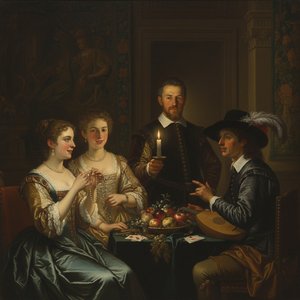
Gerard van Honthorst: Illuminating the Dutch Golden Age with Caravaggism & Courtly Grace
Explore the captivating world of Gerard van Honthorst, a Dutch Golden Age master renowned for his dramatic chiaroscuro & courtly portraits. Discover his life, art, and lasting influence on Baroque painting.

The Visceral Stage: Exploring Dramatic Narratives & Emotional Intensity in Baroque Art
Explore the dramatic world of Baroque art! Discover iconic masters like Caravaggio & Rembrandt, their techniques, and the movement's lasting impact. Expert insights for collectors & enthusiasts at TopImpressionists.

The Dramatic Flourish: Exploring the Baroque Movement's Enduring Legacy in Art History
Explore the dramatic world of Baroque art! Discover iconic artists like Caravaggio & Rubens, defining techniques, and its lasting impact on art history. Expert insights for collectors & enthusiasts at TopImpressionists.
Ontdek kunstwerken georganiseerd op thema, stijl en kenmerk.
