

Shown: · With its frame:
 Voorvertoning
 Verstuur
 Delen
Delen
 Details bekijken
 Gids
Gids

 Download
 Vergelijkbare items
 Röntgenonderzoek
 Diavoorstelling
 Q&A
Q&A Statistieken
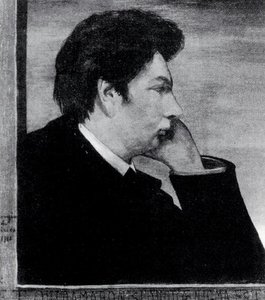
Self-portrait 7


€ 237
Handgemaakte olieverfreproductie
Met de hand geschilderd in olieverf op canvas in uw gewenste maat en lijst, op bestelling gemaakt door onze kunstenaars. ( Schakel over naar print Schakel over naar digitale afbeeldingen)
Dit kunstwerk is auteursrechtelijk beschermd
De kunstwerken die op deze pagina worden weergegeven, zijn beschermd door de auteursrechtwetgeving, wat betekent dat het ons wettelijk niet is toegestaan om identieke reproducties te maken of te verkopen. Deze bescherming wordt gehandhaafd onder internationale overeenkomsten zoals de Conventie van Bern en door nationale wetgeving, waaronder de bepalingen van de Amerikaanse auteurswet - Titel 17. Alle rechten voorbehouden. Reproduceren of distribueren van afbeeldingen is niet toegestaan zonder uitdrukkelijke schriftelijke toestemming van WahooArt.com en de rechthebbenden.
Als een respectvol en legaal alternatief bieden wij op maat gemaakte, handgeschilderde kunstwerken aan die geïnspireerd zijn op het origineel. Onze bekwame en professionele kunstenaars bestuderen zorgvuldig de stijl, sfeer en artistieke essentie van het origineel om een nieuw, uniek werk te creëren dat dezelfde emotie oproept – terwijl het een op zichzelf staande, originele creatie blijft.
Deze methode voldoet volledig aan de auteursrechtwetgeving, omdat het niet gaat om het kopiëren of dupliceren van het beschermde kunstwerk. In plaats daarvan is er sprake van een creatieve herinterpretatie — een nieuw schilderij dat door het origineel wordt geïnspireerd, maar er niet identiek aan is.
 Lees meer over
Size
·Standaardformaat
op maat gemaakt
CM
INCH
Kies uit onze vooraf ingestelde maten die overeenkomen met de originele verhoudingen van het kunstwerk.
Loading sizes...

breedte
hoogte
Voer de breedte en hoogte in die u nodig heeft, passend bij uw lijst of uw muur. Omdat dit handgeschilderd is, kan de kunstenaar bij een afmeting met een andere beeldverhouding iets meer rondom het schilderij schilderen of juist iets meer weglaten — u kiest zelf. Wij sturen u een digitaal mockup ter goedkeuring voordat het schilderwerk begint. De afbeelding die op deze pagina wordt getoond, is niet het uiteindelijke resultaat — alleen de mockup geeft dit weer.
Finish
·
White €1

Blurside €1

Extended €1

P118B €10

P118H €10

P118W €10

P438Z €10

P508JH €12

P508YH €12

P805H €10

P805Z €10

P919BZ €10

P919G €10

P919XJ €10

P959ZH €10

P968JZ €12

W106C €8

W218G €10

W218JH €8

W218Y €10

W307PJ €10

W316G €10

W316PJ €8

W316Y €10

W398PJ €8

W4111J €10

W500HY €15

W500JH €15

W692G €12

W849H €8

W940BG €15

W953PJ €8

H24-GOLD €30

H24-SILVER €30

H36-GOLD €45

H36-SILVER €45
Shipped in a protective tube, ready for your own framer.
Above 105 cm the frame is shipped as a kit for a professional framer — read the details.
Extras
optionalWhat do the extras include?
Examples of what can be changed: Replace face with customer photo; Add pet (e.g., replace cat with dog); Include hidden message in background; Change background landscape or elements.
After order, TopImpressionists.com team will email client for instructions and provide a mockup preview
After order, TopImpressionists.com team will email client for instructions and provide a mockup preview
Wereldwijde levering () binnen 3 tot 4 weken in plaats van de standaard 5 weken. (29 oktober). Zonder concessies aan de kwaliteit.
Beschermende vernislaag
Naamplaatje
Details van de gegraveerde bronzen plaat
This elegant plaque features the artist's name and the title of the artwork, finely engraved for a timeless presentation.
It is made from bronze with a refined, elegant finish. The text is precisely laser-engraved for a sharp and permanent result. Measuring 9x2 cm, the plaque is compact yet easy to read. It's built to be durable and scratch-resistant, offering a professional, museum-quality look. Mounting is simple thanks to the included adhesive backing.
Details transparante acrylplaat
The plaque includes essential engraved details such as the artist's name, the title of the artwork, the date it was created, the type of media used-like oil on canvas or watercolor-a brief description of the piece, and a QR code that links to the complete artwork information.
It is crafted from clear acrylic, offering a sleek, modern appearance. The text is UV-engraved in black to ensure strong visual contrast. With a size of 10x15 cm, it ensures optimal readability. It comes equipped with two metal hooks for secure wall mounting. The plaque is designed to be weather-resistant, making it suitable for various environments, and it includes interactive features that work seamlessly with smartphone scanning.
Details zwarte acrylplaat
This elegant plaque includes engraved information such as the artist's name, the title of the artwork, the date it was created, the type of media used (like oil on canvas or watercolor), a short description of the artwork, and a QR code for quick access to more information.
The plaque itself is made from refined black acrylic with a premium finish. The text is laser-engraved in white for high contrast and readability. Its size is 10x15 cm, designed to be easy to read. It comes with two metal hooks for professional mounting. The design is sleek and fits any interior style. It is also weather-resistant and durable, with built-in digital integration for mobile compatibility.
De optie voor glas is alleen beschikbaar bij een formaat kleiner dan 110 cm.
 De optie voor glas is alleen beschikbaar bij een formaat kleiner dan 110 cm.
- Gratis wereldwijde expressverzending
- Hoogwaardig linnen canvas
- Volledige verzendverzekering
- Garantie op terugbetaling van invoerrechten
- Garantie op exacte kleurweergave
- Retourbeleid van 100 dagen (alleen bij defecten)
- 100% Geld-terug-garantie
- Korting bij meerdere afnames


Beschrijving verzamelobject
A haunting self-portrait by Giorgio de Chirico (1922). Explore the artist's melancholic style, surreal imagery, and philosophical depth in this iconic masterpiece.
Biografie kunstenaar
Ontdek de dromerige wereld van Giorgio de Chirico (1888-1978), de stichter van de metafysische kunst. Verken surrealistische stadsscènes, filosofische thema's & iconische mannequins. Beïnvloedde het surrealisme.
About the painting
A Dreamscape in Gray: De Chirico’s “Self-Portrait 7”
Giorgio de Chirico's "Self-Portrait 7," painted around 1922, isn’t merely a depiction of an artist; it’s a distilled essence of the anxieties and intellectual currents swirling through Europe at the dawn of the 20th century. This haunting monochrome study, housed within the Toledo Museum of Art, invites us into a realm where reality fractures, memory bleeds into dream, and the self becomes both subject and object—a captivating paradox that defines much of de Chirico’s oeuvre. The painting immediately arrests with its stark simplicity: a figure rendered in muted grays, positioned slightly off-center against a subtly receding backdrop, his hand partially obscuring his mouth as if holding back a profound thought or perhaps a secret sorrow.
The work belongs firmly within de Chirico’s “Metaphysical” period, a movement he pioneered alongside his brother, Andrea Savinio. This style rejected the superficiality of contemporary art and sought to capture not just appearances but the underlying anxieties and irrationalities of human experience. Influenced by philosophers like Arthur Schopenhauer and Friedrich Nietzsche, de Chirico aimed to depict a world where logic dissolves, and the familiar becomes unsettlingly strange. The painting’s palette—a carefully orchestrated symphony of grays—is crucial to this effect. It's not simply black and white; it’s a spectrum of tones that evokes both melancholy and a sense of timelessness, mirroring the artist’s own preoccupation with mortality and the passage of time.
Deconstructing Form: Technique and Composition
Technically, “Self-Portrait 7” is characterized by a meticulous layering of oil paint—a technique de Chirico revisited after abandoning his earlier, more vibrant style. He employed subtle gradations of tone to create an illusion of depth and texture, suggesting the rough surface of clothing and the smooth planes of the face. The composition itself is deceptively simple, yet profoundly effective. The figure’s placement off-center creates a dynamic tension, drawing the eye across the canvas and inviting contemplation. Notice how the background recedes sharply, almost dissolving into an indeterminate space—a technique that reinforces the painting's sense of unease and disorientation.
The use of line is equally deliberate. The strong outlines defining the face and body are softened by the surrounding tones, creating a sense of ambiguity. There’s a deliberate lack of detail; de Chirico wasn’t interested in photographic realism but rather in capturing the *feeling* of a scene—the emotional weight of a moment. The inclusion of the bust of Eudipides, subtly referenced in the painting's title and further explored in another work by the artist, adds an additional layer of symbolic complexity, hinting at themes of fate, suffering, and the burden of knowledge.
Symbolism and Emotional Resonance
The obscured mouth is perhaps the most potent symbol within the portrait. It suggests restraint, introspection, or even a suppressed emotion—a refusal to fully articulate the anxieties that plague the artist’s mind. The overall mood is undeniably melancholic, yet there's also an undercurrent of quiet dignity and resilience. De Chirico wasn’t simply depicting sadness; he was exploring the complex relationship between the self and the world, revealing a profound sense of isolation within a rapidly changing society.
The painting’s setting—a vaguely architectural space—further contributes to its unsettling atmosphere. It's reminiscent of Roman arcades, which de Chirico frequently depicted in his work, but here they feel strangely deserted and devoid of life. This reinforces the sense of alienation and loneliness that permeates the portrait. The subtle inclusion of a tangerine adds an unexpected element of warmth and color—a fleeting reminder of beauty amidst the prevailing gloom.
A Legacy of Dreamlike Visions
“Self-Portrait 7” stands as a quintessential example of de Chirico’s unique artistic vision. It's a painting that defies easy interpretation, inviting viewers to engage with its mysteries and grapple with its emotional complexities. It’s not merely a portrait; it’s a window into the artist’s psyche—a glimpse behind the curtain of his creative process. De Chirico’s work continues to resonate today because it taps into universal anxieties about identity, mortality, and the nature of reality. Reproductions of this powerful image offer a chance to bring this dreamlike vision into your own space, prompting reflection and sparking conversation.
Veelgestelde vragen
Bij welke kunststroming behoort "Self-portrait 7" door Giorgio de Chirico?
"Self-portrait 7" is een werk uit de Metaphysical Art. De stroming geeft de artistieke traditie aan waartoe het werk behoort.
Is "Self-portrait 7" door Giorgio de Chirico een licht of een donker kunstwerk?
De vastgestelde waarden voor "Self-portrait 7" door Giorgio de Chirico zijn: deep_shadow helderheid en Soft Shadow luminantie.
Waar wordt het Portrait-formaat van "Self-portrait 7" aanbevolen te tonen?
Het Portrait-formaat van "Self-portrait 7" door Giorgio de Chirico wordt aanbevolen voor een Living Room. Formaat en ruimte samen bepalen de ideale plaatsing van een reproductie.
Quick facts and art quiz
About Giorgio de Chirico

Giorgio de Chirico
1888 - 1978, Griekenland
Biografie kunstenaar
Giorgio de Chirico: Een Droomlandschap van de Geest
Giorgio de Chirico, geboren in 1888 in Volos, Griekenland, als zoon van Italiaanse ouders – een Genoese moeder en een Siciliaanse vader – begon zijn artistieke reis met een unieke combinatie van klassieke erfenis en een groeiend gevoel van moderne vervreemding. Zijn vroege opleiding aan de Athenische Polytechnische Academie legde een basis in traditionele technieken, maar het was zijn latere studie in München die zijn creatieve geest werkelijk ontvloog. Daar, midden in de intellectuele fermentatie van Europa vóór de oorlog, ontmoette hij de werken van Arnold Böcklin en Max Klinger, kunstenaars wiens symbolische landschappen en spookachtige beelden een diepe indruk op hem achterlieten. Even invloedrijk waren de filosofische stromingen van die tijd – de schrijfsels van Friedrich Nietzsche, Arthur Schopenhauer en Otto Weininger – die thema’s van existentialisme, de irrationele aard van menselijk verlangen en de subjectieve aard van realiteit onderzochten. Deze ideeën zouden centraal staan in de baanbrekende artistieke visie van de Chirico.De Geboorte van Metafysische Kunst
Omstreeks 1909 begon er een unieke stijl te ontstaan uit de verkenningen van de Chirico – een stijl die hij zelf “Metafysieke” kunst noemde. Dit was niet slechts een stijlinnovatie; het was een diepe poging om de verborgen realiteiten onder de oppervlakte van alledaagse ontmoetingen vast te leggen, om de onheilspellende poëzie te onthullen die in vertrouwdere ruimtes schommelde. Een cruciale gebeurtenis vond plaats tijdens een bezoek aan Florence en een ervaring in Piazza Santa Croce, wat leidde tot zijn iconische ‘Metafysische Plaatsverkeer’ serie. Deze schilderijen kenmerken zich door hun spookachtige stilte, lange dramatische schaduwen, logische perspectieven en de aanwezigheid van klassieke architectuur gecombineerd met onheilspellende elementen zoals gezichtsloze mannekens en reusachtige standbeelden. Het effect is diep verontrustend, roept een gevoel van nostalgie, isolatie en een bijna ondraaglijke heimwee naar iets verloren of ontoegankelijks op. De Chirico richtte de *Scuola Metafisica* op, wat een diepe impact had op Surrealisme, hoewel hij later afstand nam van de interpretaties van zijn werk door deze stroming. Zijn schilderijen waren niet bedoeld als illustraties van dromen, maar eerder als pogingen om realiteit vast te leggen buiten het zichtbare wereld – een rijk waar tijd en ruimte vloeibaar zijn en de grenzen tussen bewustzijn en onbewustzijn vervagen. Bekende werken zoals *De Verjagde Denkbeeld*, *Het Enigma van de Herfstmiddag* en *Het Lied van de Liefde* illustreren deze spookachtige esthetiek, uitnodigend kijkers om na te denken over de mysteries van het bestaan en de kwetsbaarheid van menselijke perceptie.Een Verandering in Stijl en een Duurzaam Erfgoed
Na de Eerste Wereldoorlog, rond 1919, nam de artistieke weg van de Chirico een onverwachte wending. Hij verwierp zijn eerdere metafysische benadering en omarmde daarentegen een meer traditionele neoclassieke of neobaroque stijl. Deze verschuiving werd met aanzienlijke controverse ontvangen; velen betreurden het verlies van de innovatieve geest die zijn vroege werk had gedefinieerd. De Chirico bleef echter vasthoudend aan zijn artistieke keuzes, herhaalde thema’s uit zijn verleden, maar presenteerde ze met een andere esthetische gevoeligheid. Hij bleef schilderen en exposeren gedurende zijn hele leven, verkende verschillende stijlen en onderwerpen terwijl hij tegelijkertijd een consistente toewijding aan vakmanschap en technische vaardigheid behield. Ondanks de kritiek is zijn invloed op latere generaties van kunstenaars niet te overschatten. Zijn innovatieve gebruik van ruimte, perspectief en symboliek daagde conventionele artistieke normen uit en legde de basis voor nieuwe vormen van expressie.Invloeden en Duurzaam Erfgoed
- Gevloed door: Arnold Böcklin, Max Klinger, Friedrich Nietzsche, Arthur Schopenhauer.
- Gevloed door: Surrealisme, met name kunstenaars zoals René Magritte en Salvador Dalí. Zijn werk had ook invloed op latere stromingen zoals Magic Realism, die een verhoogde gevoeligheid voor mysterie en psychologische diepte zocht in alledaagse realiteit.
Belangrijkste feiten
- Artistic Movement Or Style: Metafysische kunst
- Artists Or Movements Influenced By This Artist:
- Surrealisme
- René Magritte
- Artists Who Influenced This Artist:
- Arnold Böcklin
- Max Klinger
- Date Of Birth: 10 juli 1888
- Date Of Death: 20 november 1978
- Full Name: Giorgio de Chirico
- Nationality: Italiaans
- Notable Artworks:
- Het Vrezen van de Denkende
- De Enigma van een Herfst Middag
- Het Lied van de Liefde
- Place Of Birth: Volos, Griekenland
Ontdek kunstwerken georganiseerd op thema, stijl en kenmerk.


Self-portrait 7
·