

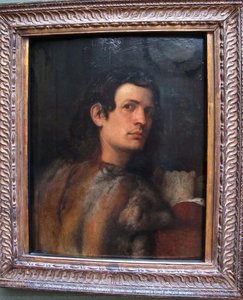
Shown: · With its frame:
 Voorvertoning
 Verstuur
 Delen
Delen
 Details bekijken
 Gids
Gids

 Download
 Vergelijkbare items
 Röntgenonderzoek
 Diavoorstelling
 Q&A
Q&A Statistieken


€ 239
Handgemaakte olieverfreproductie
Met de hand geschilderd in olieverf op canvas in uw gewenste maat en lijst, op bestelling gemaakt door onze kunstenaars. ( Schakel over naar print Schakel over naar digitale afbeeldingen)
Size
·Standaardformaat
op maat gemaakt
CM
INCH
Kies uit onze vooraf ingestelde maten die overeenkomen met de originele verhoudingen van het kunstwerk.
Loading sizes...

breedte
hoogte
Voer de breedte en hoogte in die u nodig heeft, passend bij uw lijst of uw muur. Omdat dit handgeschilderd is, kan de kunstenaar bij een afmeting met een andere beeldverhouding iets meer rondom het schilderij schilderen of juist iets meer weglaten — u kiest zelf. Wij sturen u een digitaal mockup ter goedkeuring voordat het schilderwerk begint. De afbeelding die op deze pagina wordt getoond, is niet het uiteindelijke resultaat — alleen de mockup geeft dit weer.
 Lees meer over
Finish
·
White €1

Blurside €1

Extended €1

P118B €10

P118H €10

P118W €10

P438Z €10

P508JH €12

P508YH €12

P805H €10

P805Z €10

P919BZ €10

P919G €10

P919XJ €10

P959ZH €10

P968JZ €12

W106C €8

W218G €10

W218JH €8

W218Y €10

W307PJ €10

W316G €10

W316PJ €8

W316Y €10

W398PJ €8

W4111J €10

W500HY €15

W500JH €15

W692G €12

W849H €8

W940BG €15

W953PJ €8

H24-GOLD €30

H24-SILVER €30

H36-GOLD €45

H36-SILVER €45
Shipped in a protective tube, ready for your own framer.
Above 105 cm the frame is shipped as a kit for a professional framer — read the details.
Extras
optionalWhat do the extras include?
Examples of what can be changed: Replace face with customer photo; Add pet (e.g., replace cat with dog); Include hidden message in background; Change background landscape or elements.
After order, TopImpressionists.com team will email client for instructions and provide a mockup preview
After order, TopImpressionists.com team will email client for instructions and provide a mockup preview
Wereldwijde levering () binnen 3 tot 4 weken in plaats van de standaard 5 weken. (30 oktober). Zonder concessies aan de kwaliteit.
Beschermende vernislaag
Naamplaatje
Details van de gegraveerde bronzen plaat
This elegant plaque features the artist's name and the title of the artwork, finely engraved for a timeless presentation.
It is made from bronze with a refined, elegant finish. The text is precisely laser-engraved for a sharp and permanent result. Measuring 9x2 cm, the plaque is compact yet easy to read. It's built to be durable and scratch-resistant, offering a professional, museum-quality look. Mounting is simple thanks to the included adhesive backing.
Details transparante acrylplaat
The plaque includes essential engraved details such as the artist's name, the title of the artwork, the date it was created, the type of media used-like oil on canvas or watercolor-a brief description of the piece, and a QR code that links to the complete artwork information.
It is crafted from clear acrylic, offering a sleek, modern appearance. The text is UV-engraved in black to ensure strong visual contrast. With a size of 10x15 cm, it ensures optimal readability. It comes equipped with two metal hooks for secure wall mounting. The plaque is designed to be weather-resistant, making it suitable for various environments, and it includes interactive features that work seamlessly with smartphone scanning.
Details zwarte acrylplaat
This elegant plaque includes engraved information such as the artist's name, the title of the artwork, the date it was created, the type of media used (like oil on canvas or watercolor), a short description of the artwork, and a QR code for quick access to more information.
The plaque itself is made from refined black acrylic with a premium finish. The text is laser-engraved in white for high contrast and readability. Its size is 10x15 cm, designed to be easy to read. It comes with two metal hooks for professional mounting. The design is sleek and fits any interior style. It is also weather-resistant and durable, with built-in digital integration for mobile compatibility.
De optie voor glas is alleen beschikbaar bij een formaat kleiner dan 110 cm.
 De optie voor glas is alleen beschikbaar bij een formaat kleiner dan 110 cm.
- Gratis wereldwijde expressverzending
- Hoogwaardig linnen canvas
- Volledige verzendverzekering
- Garantie op terugbetaling van invoerrechten
- Garantie op exacte kleurweergave
- Retourbeleid van 100 dagen (alleen bij defecten)
- 100% Geld-terug-garantie
- Korting bij meerdere afnames


Beschrijving verzamelobject
Biografie kunstenaar
Ontdek Giorgione (1477-1510), een Venetiaanse kunstenaar die de hoogrenaissance kleurde met zijn prachtige werken zoals 'De Tempest' en 'Het Pastorale Concert'. Een kunstenaar wiens stijl blijft fascineren.
About the painting
A Venetian Enigma: Unraveling the Layers of “Three Philosophers”
Giorgione’s “Three Philosophers,” painted around 1509, isn't merely a portrait; it’s an invitation to a silent conversation across centuries. The painting, shrouded in mystery and speculation, resides within a captivating web of historical accounts, artistic interpretations, and tantalizing symbolism. Originally conceived as a monumental work for the Venetian merchant Taddeo Contarini, its journey through time – from the opulent collections of Venice to the Brussels court – has subtly altered its appearance, notably with a significant reduction on the left side, diminishing the original expansive landscape but intensifying the focus on the figures themselves. This deliberate alteration speaks volumes about the artist’s intent and the evolving tastes of his patrons.
The scene unfolds within a carefully constructed space: three men, rendered in a palette dominated by earthy tones – ochre, umber, and subtle greens – stand before a rugged cliff face, its weathered rocks providing a dramatic backdrop. The figures are dressed in rich, crimson robes, a striking contrast to the muted landscape, drawing immediate attention to their presence. The youngest man, seated and holding compasses and a square—tools of a painter, perhaps?—suggests an engagement with artistic practice itself. His posture is contemplative, his gaze directed inward, while the central figure, clad in a dark robe, gestures towards the horizon, seemingly lost in thought. The eldest, identifiable by his flowing garments and the book he clutches, exudes an air of learned authority.
The Allure of *Sfumato* and Giorgione’s Unique Style
Giorgione's mastery lies not just in his subject matter but also in his revolutionary technique. He employed a masterful use of *sfumato*, a subtle blurring of lines and edges, creating an atmospheric haze that softens the forms and imbues the scene with a dreamlike quality. This is particularly evident in the rendering of the landscape – the rocks are not sharply defined but rather emerge from the mist, contributing to the painting’s overall sense of mystery. The figures themselves possess a remarkable softness, their features rendered with an almost ethereal grace. Giorgione's approach departed significantly from the more linear and precise styles prevalent at the time, prioritizing mood and atmosphere over strict anatomical accuracy.
The interplay of light and shadow is crucial to the painting’s impact. Giorgione expertly manipulates chiaroscuro – the dramatic contrast between light and dark – to sculpt the forms and create a sense of depth. The figures are bathed in a diffused, golden light that seems to emanate from an unseen source, casting long shadows across the landscape and highlighting their contemplative postures. This masterful use of light not only enhances the painting’s visual appeal but also contributes to its evocative atmosphere.
Decoding the Symbols: Who Are These Philosophers?
The enduring fascination with “Three Philosophers” stems from the persistent debate surrounding the identity of the figures depicted. While initially identified as "philosophers," a multitude of interpretations have been proposed over the centuries, each offering a compelling narrative. The most common theories suggest they represent the Three Kings, astronomers, or even representatives of three distinct religions. More recently, the Pythagorean school – Pythagoras, Thales, and Pherecydes—has gained traction, fueled by the presence of the painter’s tools and astronomical texts.
The compasses and square, undeniably significant, have been interpreted as symbols of artistic creation, but their placement also hints at a deeper intellectual engagement. The varied attire of the figures – suggesting origins from different lands—could represent diverse philosophical schools or cultural influences. The book held by the eldest figure further reinforces this notion of learned discourse and contemplation. Ultimately, Giorgione’s deliberate ambiguity invites viewers to project their own interpretations onto the scene, transforming it into a mirror reflecting the viewer's own intellectual curiosity.
A Timeless Masterpiece: Reproduction and Artistic Legacy
"Three Philosophers" remains a testament to Giorgione’s genius—a painting that transcends its historical context and continues to captivate audiences today. TopImpressionists offers meticulously crafted, hand-painted reproductions of this iconic work, allowing you to experience the depth, nuance, and emotional resonance of Giorgione's masterpiece in your own space. Our reproductions faithfully capture the *sfumato* technique, the atmospheric lighting, and the subtle symbolism that define this enigmatic portrait. Whether for a grand salon or a personal study, a TopImpressionists reproduction of “Three Philosophers” is an investment in art history, a celebration of Venetian artistry, and a window into a world of timeless contemplation.
Veelgestelde vragen
In welk museum is het originele werk "Three Philosophers" te zien?
"Three Philosophers" door Giorgione is te zien in Kunsthistorisches Museum, Vienna, Austria. De vermelding van het museum heeft betrekking op het originele werk, niet op reproducties.
Welke afmeting wordt aanbevolen voor "Three Philosophers" in een Living Room?
Voor een Living Room is de aanbevolen afmeting voor de print van "Three Philosophers" door Giorgione Large.
Wie heeft "Three Philosophers" gemaakt en in welke stijl is het uitgevoerd?
"Three Philosophers" werd gecreëerd door Giorgione in de Venetian Renaissance-stijl. De kunstenaar en de stroming bepalen de traditie van het werk.
Quick facts and art quiz
About Giorgione

Giorgione
1477 - 1510, Italië
Biografie kunstenaar
Giorgione: Een Venetiaanse Renaissance Schilder
Giorgio Barbarelli da Castelfranco, beter bekend als Giorgione, blijft een van de meest mysterieuze en fascinerende Figuren in de Italiaanse Renaissance kunst. Geboren rond 1477 of 1478 in het kleine stadje Castelfranco Veneto nabij Venetië – het exacte geboortejaar is onderwerp van debat – zijn tragisch korte leven, dat eindigde rond 1510 op amper drieëntwintig jaar oud, doet afbreken met de verwachtingen die veel van zijn tijdgenoten hadden over een uitgebreide levensgeschiedenis. Anders dan vele kunstenaars uit zijn tijd waarvan het leven gedetailleerd wordt beschreven, blijft Giorgione’s verhaal gehuld in mysterie, samengesteld uit enkele historische gegevens en vaak romantische verslagen van Giorgio Vasari. Wat wij weten suggereert een man die volledig ondergedompeld was in de levendige cultuur van Venetië, een stad die zowel kunstelijke innovatie als een hedonistische waardering voor schoonheid aanmoedigde. Hij volgde waarschijnlijk Giovanni Bellini op als leerling, waardoor hij zich kennismaakte met de gevestigde tradities voordat hij zijn eigen unieke weg begon te volgen.Een Leerling van Bellini en Een Nieuwe Stilistische Aanpak
Giorgione’s artistieke stijl betekende een belangrijke breuk met de Florentijnse nadruk op lijnperspectief en nauwkeurige tekentechniek. Hij verkende kleur, atmosfeer en een evocatieve melancholie die kenmerken werden van de Venetiaanse school. Zijn techniek omvatte het verzachten van lijnen, het gebruik van subtiele tinten – *sfumato* – om atmosferische effecten te creëren en het nastreven van algemene harmonie boven minutieuze aandacht voor detail. Deze aanpak was niet alleen een technische keuze; het weerspiegelde een fundamenteel andere artistieke gevoeligheid. Giorgione wilde niet repliceren wat hij zag, maar eerder de essentie ervan vastleggen: zijn vluchtige emoties en zijn poëtische resonans. Zijn schilderijen waren vaak gevuld met enigmatische onderwerpen en ambiguë verhalen, waardoor kijkers werden uitgenodigd om een wereld van contemplatie binnen te gaan in plaats van klare verhalen aan het licht te brengen. Hij wilde niet dat zijn kunstwerken een puzzel waren om opgelost te worden; hij wilde dat ze gevoelens en stemmingen oproepen en een gevoel van verwondering veroorzaken. Zijn stijl werd sterk beïnvloed door Giovanni Bellini, wiens werk hij leerde kennen tijdens zijn opleiding. Giorgione volgde dezelfde lijn als Bellini, waarbij hij ook de aandacht richtte op het gebruik van kleur en licht – iets wat bij veel kunstenaars uit zijn tijd nog niet gebeurde. Deze stijl zou zijn hoogtepunt vinden in Giorgione’s *De Tempest*, een schilderij dat rond 1506-1508 voltooid werd en waar hij een belangrijke rol speelde als kunstenaar.Een Mysterieus Onderwerp en Een Nieuwe Visie op Landschap
Zoals vele andere kunstenaars uit zijn tijd, stond Giorgione voor een moeilijke taak bij het vastleggen van de natuurlijke wereld. Hij wilde niet alleen een exacte kopie maken van wat hij zag, maar eerder een gevoel voor schoonheid en harmonie creëren. Een belangrijk verschil tussen Giorgione’s stijl en die van andere kunstenaars uit zijn tijd was dat hij het landschap centraal plaatste in zijn werken – iets wat bij veel kunstenaars uit zijn tijd nog niet gebeurde. Hij gebruikte de techniek van *sfumato* om een atmosfeerrijke kleurengebruik te creëren, waarbij lijnen werden verzacht en tinten subtiel werden aangepast om een gevoel voor ruimte en licht weer te geven. Deze stijl werd sterk beïnvloed door Leonardo Da Vinci en andere kunstenaars uit Noord-Europa die ook hun aandacht richtten op het landschap als onderdeel van hun kunstwerken. Een belangrijk voorbeeld hiervan is *De Tempest*, waarin Giorgione een scène neerzette met een soldaat en een moederlijke vrouw tegen een achtergrond van een stormachtige omgeving. De schilderij heeft kunsthistorici al eeuwenlang gefascineerd omdat het onderwerp en de inhoud enigmatisch blijven en niet gemakkelijk te interpreteren zijn. Een andere belangrijke bijdrage aan Giorgione’s stijl was zijn aandacht voor emotie en gevoelens – iets wat hij wilde weergeven in zijn kunstwerken zonder een bepaalde historische context of allegorie aan te bieden. Hij wilde dat zijn schilderijen een gevoel van schoonheid en verwondering oproepen bij de kijker, waardoor hij zich onderscheidde van veel andere kunstenaars uit zijn tijd die zich concentreerden op het weergeven van historische gebeurtenissen of religieuze thema’s.Bekende Werken en Een Laatste Inspiratie
Hoewel Giorgione slechts een beperkt aantal werken heeft achtergelaten, heeft hij een belangrijke plaats ingenomen in kunstgeschiedenis. Hij verkreeg zijn stijl uit Giovanni Bellini en andere kunstenaars uit Noord-Europa die ook hun aandacht richtten op het landschap als onderdeel van hun kunstwerken. Zijn schilderijen werden beschouwd als een belangrijke ontwikkeling binnen de Venetiaanse kunstschool en hebben een grote invloed gehad op de ontwikkeling van kunst in Italië en Europa. Een belangrijk voorbeeld hiervan is *De Zonsondergang*, dat rond 1508 voltooid werd en waar hij een belangrijke rol speelde als kunstenaar. Het schilderij wordt beschouwd als een van zijn meest prachtige werken omdat het een gevoel voor kleur en licht weergeeft dat overeenkomt met de stijl van Leonardo Da Vinci en andere kunstenaars uit Noord-Europa. Een ander belangrijk voorbeeld hiervan is *Slapende Venus*, dat rond 1509 voltooid werd en waar hij een belangrijke rol speelde als kunstenaar. Het schilderij wordt beschouwd als een van zijn meest iconische werken omdat het een prachtige afbeelding geeft van de Griekse godin Venus, waarbij Giorgione een gevoel voor schoonheid en harmonie weergeeft dat overeenkomt met de stijl van Leonardo Da Vinci en andere kunstenaars uit Noord-Europa. Een belangrijk voorbeeld hiervan is *Judith*, dat rond 1504 voltooid werd en waar hij een belangrijke rol speelde als kunstenaar. Een ander belangrijk voorbeeld hiervan is *Laura*, dat rond 1510 voltooid werd en waar hij een belangrijke rol speelde als kunstenaar. Zijn stijl heeft een grote invloed gehad op de ontwikkeling van kunst in Italië en Europa, waardoor hij een belangrijke plaats heeft ingenomen in kunstgeschiedenis.Een Mysterieus Onderwerp en Een Nieuwe Visie op Landschap
Giorgione’s stijl werd sterk beïnvloed door Leonardo Da Vinci en andere kunstenaars uit Noord-Europa die ook hun aandacht richtten op het landschap als onderdeel van hun kunstwerken. Een belangrijk voorbeeld hiervan is *De Tempest*, waarin Giorgione een scène neerzette met een soldaat en een moederlijke vrouw tegen een achtergrond van een stormachtige omgeving. De schilderij heeft kunsthistorici al eeuwenlang gefascineerd omdat het onderwerp en de inhoud enigmatisch blijven en niet gemakkelijk te interpreteren zijn. Een ander belangrijk voorbeeld hiervan is *De Zonsondergang*, dat rond 1508 voltooid werd en waar hij een belangrijke rol speelde als kunstenaar. Het schilderij wordt beschouwd als een van zijn meest prachtige werken omdat het een gevoel voor kleur en licht weergeeft dat overeenkomt met de stijl van Leonardo Da Vinci en andere kunstenaars uit Noord-Europa. Een ander belangrijk voorbeeld hiervan is *Slapende Venus*, dat rond 1509 voltooid werd en waar hij een belangrijke rol speelde als kunstenaar. Het schilderij wordt beschouwd als een van zijn meest iconische werken omdat het een prachtige afbeelding geeft van de Griekse godin Venus, waarbij Giorgione een gevoel voor schoonheid en harmonie weergeeft dat overeenkomt met de stijl van Leonardo Da Vinci en andere kunstenaars uit Noord-Europa. Een ander belangrijk voorbeeld hiervan is *Judith*, dat rond 1504 voltooid werd en waar hij een belangrijke rol speelde als kunstenaar. Een ander belangrijk voorbeeld hiervan is *Laura*, dat rond 1510 voltooid werd en waar hij een belangrijke rol speelde als kunstenaar. Zijn stijl heeft een grote invloed gehad op de ontwikkeling van kunst in Italië en Europa, waardoor hij een belangrijke plaats heeft ingenomen in kunstgeschiedenis. ## Een Laatste Inspiratie Giorgione’s stijl heeft een grote invloed gehad op de ontwikkeling van kunst in Italië en Europa, waardoor hij een belangrijke plaats heeft ingenomen in kunstgeschiedenis. Zijn stijl werd sterk beïnvloed door Leonardo Da Vinci en andere kunstenaars uit Noord-Europa die ook hun aandacht richtten op het landschap als onderdeel van hun kunstwerken. Een belangrijk voorbeeld hiervan is *De Tempest*, waarin Giorgione een scène neerzette met een soldaat en een moederlijke vrouw tegen een achtergrond van een stormachtige omgeving. De schilderij heeft kunsthistorici al eeuQuick facts about Giorgione
- Artistic Movement Or Style: Venetiaanse School
- Artists Who Influenced This Artist:
- Giovanni Bellini
- Mantegna
- Date Of Birth: ca. 1477/78
- Date Of Death: voor november 7, 1510
- Full Name: Giorgio Barbarelli da Castelfranco
- Nationality: Italiaans
- Notable Artworks:
- De Tempest
- Pastoraal Concert
- Slapende Venus
- Place Of Birth: Castelfranco Veneto, Italië
Ontdek kunstwerken georganiseerd op thema, stijl en kenmerk.




Giorgione
Three Philosophers
() ·
With its frame: · Hand-painted in oil on linen
Total