


 Bekijk op ware grootte
 Verstuur
 Delen
Delen
 Details bekijken
 Gids voor studentenkunstwerken

 Download
 Vergelijkbare items
 Röntgenonderzoek
 Diavoorstelling
 Statistieken
L'Eté


Giuseppe Arcimboldo's 'L’Été' is a stunning trompe-l'oeil portrait crafted entirely from fruits, vegetables, and flowers – a whimsical celebration of summer and Renaissance artistry.
 Lees meer
Giuseppe Arcimboldo (1527-1593) was een Italiaanse meester van surrealistische portretten, beroemd om zijn fantasierijke composities met fruit, bloemen en objecten. Zijn unieke stijl voorspelde Surrealisme en blijft fascinerend!
Giclée / Kunstafdrukken
Giclée- of canvasafdruk van museumkwaliteit met een snelle productie en flexibele afwerkingsmogelijkheden. ( Koop handgeschilderd kunstwerk Schakel over naar digitale afbeeldingen)




P118B €10

P118H €10

P118W €10

P438Z €10

P508JH €12

P508YH €12

P805H €10

P805Z €10

P919BZ €10

P919G €10

P919XJ €10

P959ZH €10

P968JZ €12

W106C €8

W218G €10

W218JH €8

W218Y €10

W307PJ €10

W316G €10

W316PJ €8

W316Y €10

W398PJ €8

W4111J €10

W500HY €15

W500JH €15

W692G €12

W849H €8

W940BG €15

W953PJ €8




Standaardformaat
op maat gemaakt
CM
INCH
Kies uit onze vooraf ingestelde maten die overeenkomen met de originele verhoudingen van het kunstwerk.
Loading sizes...

breedte
hoogte
Voer de breedte en de hoogte in die u nodig heeft, passend bij uw lijst of uw muur. Een afdruk kan alleen worden ingekort, nooit groter worden gemaakt dan het origineel, waardoor een formaat met een andere verhouding een deel van de afbeelding verliest. Wij sturen u een digitaal mockup ter goedkeuring voordat we iets drukken. De afbeelding op deze pagina toont niet de werkelijke uitsnede — dit is alleen te zien op het mockup.
Wereldwijde levering () binnen 2 weken in plaats van de standaard 4/5 weken. (18 oktober)

Gratis wereldwijde expressverzending

Hoogwaardig linnen canvas

Volledige verzendverzekering

Garantie op terugbetaling van invoerrechten

Garantie op exacte kleurweergave

Retourbeleid van 100 dagen (alleen bij defecten)

100% Geld-terug-garantie

Korting bij meerdere afnames
 De optie voor glas is alleen beschikbaar bij een formaat kleiner dan 110 cm.

L'Eté
Giclée / Kunstafdrukken
Formaat reproductie
-


Totaalprijs
€ 61
Giuseppe Arcimboldo’s L'Été: A Symphony of Seasons
Giuseppe Arcimboldo’s L'Été (Summer), painted around 1573, isn’t merely a still life; it’s an audacious reimagining of the season itself, rendered in a breathtaking explosion of color and meticulously arranged natural elements. This iconic work, now housed within the Louvre Museum in Paris, stands as a testament to Arcimboldo's unparalleled skill in transforming the mundane – fruits, vegetables, herbs – into a remarkably lifelike human portrait. More than just a clever illusion, L’Été is a complex allegory brimming with Renaissance symbolism and a subtle commentary on power, fertility, and the cyclical rhythms of nature.
At first glance, the composition appears chaotic—a dense tapestry of peaches, artichokes, wheat stalks, and countless other botanical treasures. However, closer inspection reveals an astonishingly deliberate arrangement. Arcimboldo masterfully manipulated the edges of each element to create implied lines that subtly suggest facial features: a gentle curve mimicking a smile, the pointed form of a nose, and the suggestion of eyes within the shadowed recesses of a leafy border. The absence of traditional perspective—the flattening of space—further enhances the surreal quality, drawing the viewer into this vibrant, almost dreamlike world.
A Mannerist Masterpiece: Technique and Materials
Arcimboldo’s technique was nothing short of extraordinary. He likely employed oil paint on a wood panel, meticulously layering pigments to achieve the rich textures and luminous colors that characterize the work. The fruits and vegetables themselves were not simply painted; they were carefully selected for their form, color, and texture – a smooth peach juxtaposed against the rough surface of an artichoke, the grainy grain of wheat creating a sense of volume. This deliberate attention to detail elevates the piece beyond a simple still life, transforming it into a sculptural composition.
The choice of materials is integral to the artwork’s impact. Arcimboldo didn't rely on artificial pigments; he harnessed the natural hues of his subjects – the vibrant reds and yellows of ripe fruits, the earthy browns of vegetables – creating an authentic and deeply resonant visual experience. The inclusion of herbs and flowers further reinforces the connection to nature, grounding the fantastical portrait in a tangible reality.
Symbolism and Renaissance Ideals
L’Été is steeped in symbolism, reflecting the intellectual currents of the Renaissance. Arcimboldo frequently used his composite portraits to subtly satirize or comment on contemporary figures, often employing allegorical representations of power, wealth, and morality. In this instance, the abundance of fruits and vegetables speaks directly to themes of fertility, prosperity, and the cyclical nature of seasons – all vital concepts within the Renaissance worldview.
The portrait’s resemblance to a bust-length human face is not accidental. Arcimboldo was deeply influenced by Neo-Platonism, which sought to reconcile classical philosophy with Christian theology. He believed that beauty resided in the harmony and proportion of nature, and his portraits were intended to evoke this sense of balance and order. The arrangement of elements within L’Été mirrors this philosophical ideal – a carefully constructed microcosm reflecting the larger universe.
Capturing the Essence of Summer
Beyond its technical brilliance and symbolic richness, L'Été possesses a profound emotional impact. It evokes a sense of abundance, joy, and the fleeting beauty of summer’s bounty. The sheer density of color and form creates a feeling of immersion, transporting the viewer to a vibrant garden overflowing with life. Arcimboldo’s ability to transform ordinary objects into extraordinary works of art speaks to his genius as a visual storyteller – a master of illusion who invites us to see the world in a new and imaginative light.
TopImpressionists offers meticulously crafted, hand-painted reproductions of L'Été, allowing you to bring this iconic masterpiece into your home or office. Experience the artistry and symbolism of Arcimboldo’s vision firsthand – a timeless testament to the power of imagination and the beauty of nature.
Vragen & Antwoorden
Kan de afbeelding van "L'Eté" door Giuseppe Arcimboldo vrij worden gereproduceerd?
De auteursrechtelijke status van "L'Eté" door Giuseppe Arcimboldo: het werk is bevindt zich in het publiek domein - de auteursrechten zijn verlopen. Dit bepaalt of reproducties van de afbeelding vrijelijk mogen worden gemaakt.
Met welk medium is "L'Eté" door Giuseppe Arcimboldo uitgevoerd?
Giuseppe Arcimboldo gebruikte de Oil On Panel-techniek voor "L'Eté". De techniek bepaalt de materiële aard van het originele werk.
Welke afmeting wordt aanbevolen voor "L'Eté" in een Living Room?
Voor een Living Room is de aanbevolen afmeting voor de print van "L'Eté" door Giuseppe Arcimboldo Large.
Biografie van de kunstenaar
Giuseppe Arcimboldo (1527-1593): De Mysticus van de Composite Hoofd
Giuseppe Arcimboldo, een naam die onlosmakelijk verbonden is met een wereld van bizarre schoonheid en verbluffende illusies, blijft een van de meest unieke figuren uit de Renaissance. Geboren in Milaan in 1527, ontvouwde zijn artistieke carrière zich tegen de achtergrond van Europa, doordrenkt van intellectuele opwinding, religieuze verschuivingen en een onstilende nieuwsgierigheid naar de natuurlijke wereld. Hoewel aanvankelijk erkend voor meer conventionele werken – fresco’s die kathedralen sieren en portretten die zich houden aan gevestigde hofstandaarden – ligt Arcimboldo's blijvende nalatenschap in een reeks composiethoofden, volledig samengesteld uit zorgvuldig geplaatste objecten: fruit, groenten, bloemen, boeken, zelfs muziekinstrumenten. Deze waren niet simpelweg speelse oefeningen in visuele truckunst; ze waren complexe allegorieën, doordrenkt van symboliek die resoneren met de Renaissance-wereldvisie en het publiek tot op de dag van vandaag fascineren. Zijn vader, Biagio Arcimboldo, was zelf een kunstenaar, waardoor hij Giuseppe een vroege artistieke training gaf en waarschijnlijk ook zijn eerste pogingen tot ontwerpwerk voor glasramen en fresco’s in de kathedraal van Milaan rond 1549 beïnvloedde. Deze fundamentele ervaring scherpte zijn technische vaardigheid en oog voor detail – kwaliteiten die later kenmerken zouden worden van zijn meer onconventionele creaties.
Hofelijke Opdrachten en de Opkomst van een Unieke Stijl
Arcimboldo's traject nam een significante wending in 1562, toen hij benoemd werd tot hofportretist van Ferdinand I bij de Habsburgse vorstendynastie in Wenen. Dit markeerde het begin van meer dan twee decennia aan artistieke polyvalentie voor drie opeenvolgende Habsburgse heersers: Maximiliaan II en zijn zoon, Rudolf II. Naast het schilderen van portretten – hoewel zelfs deze vaak subtiele excentriciteiten vertoonden – omvatten Arcimboldo's taken kostuumontwerp, festivaldecoraties en de organisatie van keizerlijke collecties. Binnen dit milieu van verfijnde smaak en intellectuele nieuwsgierigheid begon zijn kenmerkende stijl te bloeien. De hofelijke vraag naar vernieuwing en spektakel bood vruchtbare grond voor experimenten, waardoor hij verder kon gaan dan traditionele portrettuur richting de creatie van zijn beroemde “composiethoofden”. Deze werden niet geboren uit een plotselinge impuls, maar ontwikkelden zich geleidelijk, gebaseerd op de Renaissance-fascinering voor raadsels, puzzels en het verkennen van verborgen betekenissen in alledaagse objecten. De invloed van eerdere kunstenaars die experimenteerden met *trompe l'oeil*-effecten en vervormde perspectieven kan worden waargenomen, maar Arcimboldo synthetiseerde deze elementen tot iets radicaals – een unieke visuele taal die conventionele representaties uitdaagt. Zijn vader’s ervaring met glasramen en fresco’s gaf hem de technische vaardigheden om dit te realiseren.
Het Ontcijferen van Symboliek: Meer Dan Het Eerst Aanzien
Om Arcimboldo's werk simpelweg als speels te beschouwen, is te negeren dat het diepe intellectuele betekenis bevat. Elk object binnen zijn composiethoofden werd zorgvuldig gekozen, geladen met symbolische betekenis gerelateerd aan de identiteit van de persoon, hun beroep of sociale status. *De Bibliothecaris*, bijvoorbeeld, is niet alleen een gezicht samengesteld uit boeken; het is een subtiele kritiek op academische pretentie – een commentaar op degenen die kennis vergaren zonder zich daadwerkelijk met haar inhoud te verdiepen. De dierlijke staarten die de baard vormen, duiden op stofdoeken, wat wijst op vergeten boeken die stof verzamelen op planken. Vergelijkbare symboliek is aanwezig in zijn portretten van de seizoenen – vooral *Vertumnus*, die keizer Rudolf II afbeeldt als de Romeinse god van tuinen en verandering – en zijn composities zijn rijk aan botanische symboliek, die de keizerlijke patronage van wetenschap en natuurkunde weerspiegelen. Deze waren niet bedoeld om onmiddellijk te worden ontcijferd; ze waren ontworpen om contemplatie te stimuleren, het publiek uit te nodigen om lagen betekenis te ontrafelen die verborgen liggen in de schijnbaar speelse opstelling van objecten. Het zelf creëren van een menselijk portret uit onstoffelijke voorwerpen was een meditatie over de onderlinge verbondenheid van alle dingen – een weerspiegeling van de Neoplatonische filosofie, die geloofde in de onderliggende harmonie van het universum.
Erfgoed en Ontdekking: Een Voorloper van Surrealisme
Ondanks zijn succes tijdens zijn leven, vervaagde Arcimboldo's reputatie na zijn dood in 1593. Zijn werk werd vaak vergeten in de wereld van kunst, beschouwd als een curiositeit – gewaardeerd om zijn technische vaardigheid maar afgewezen als het gebrek aan serieuze artistieke waarde. Het was pas in de 20e eeuw dat een hernieuwde waardering voor zijn kunst ontstond, aangedreven door de opkomst van Surrealisme. Kunstenaars zoals Salvador Dalí herkenden in Arcimboldo een gelijkgestemde – een visionair die conventionele percepties uitdaagde en het onderbewustzijn verkende via onverwachte juxtaposities van beelden. De invloed van Arcimboldo is te zien in Dalí's eigen dromerige composities en zijn fascinatie voor transformatie en illusie. Vandaag de dag wordt Arcimboldo gevierd als een sleutelfiguur in kunstgeschiedenis – een voorloper van Surrealisme wiens innovatieve gebruik van symboliek en speelse vervorming nog steeds kunstenaars inspireert en het publiek fascineert wereldwijd. Zijn schilderijen worden tentoongesteld in prestigieuze musea, zoals het Kunsthistorisches Museum in Wenen en het Louvre in Parijs.

Giuseppe Arcimboldo
1527 - 1593 , Italië
Snelle feiten
- Artistic Movement Or Style: Manierisme, Surrealisme
- Artists Or Movements Influenced By This Artist: ['Salvador Dalí']
- Artists Who Influenced This Artist: ['Leonardo da Vinci']
- Date Of Birth: 5 april 1527
- Date Of Death: 11 juli 1593
- Full Name: Giuseppe Arcimboldo
- Nationality: Italiaans
- Notable Artworks:
- De Vier Seizoenen
- Vertumnus
- De Bibliothecaris
- Place Of Birth: Milaan, Italië
Gerelateerde artikelen

Elegance & Distortion: A Cultural Reflection on the Captivating World of Northern Mannerism
Embark on a cultural journey through Northern Mannerism. Discover how artists moved from Renaissance harmony to an era of elegant distortion, psychological depth, and exquisite tension in the 16th-century European art landscape.
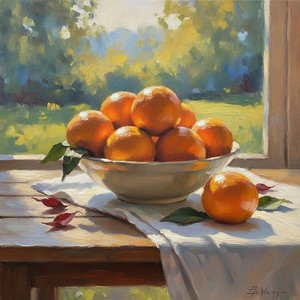
Sun-Drenched Citrus: The Vibrant Beauty of Oranges in Impressionist Masterpieces
Embark on a sensory journey through Impressionist masterpieces. Discover how Renoir and Cézanne captured the vibrant light and luscious textures of sun-drenched oranges in exquisite still life paintings designed to inspire and transform your home.

Drama & Distortion: A Journey Through the Captivating World of Baroque Mannerism
Explore the dramatic tension of Mannerism and the opulent grandeur of Baroque art. Discover how masters used light, shadow, and distortion to redefine European history through a captivating journey of emotional intensity and spiritual fervor.

Beyond Perfection: The Dramatic Elegance and Intellectual Tension of Renaissance Mannerism
Explore the captivating world of Renaissance Mannerism. Discover how artists moved beyond High Renaissance harmony into a realm of elegant distortion, psychological tension, and dramatic beauty that bridged the gap to the Baroque era.
Ontdek kunstwerken georganiseerd op thema, stijl en kenmerk.


