

 Voorvertoning
 Verstuur
 Delen
Delen
 Details bekijken
 Gids
Gids

 Download
 Vergelijkbare items
 Röntgenonderzoek
 Diavoorstelling
 Vraag & antwoord
 Statistieken
The Shipwreck


Experience 'The Shipwreck' by Henri Edmond Cross! This dramatic Neo-Impressionist painting captures a chaotic maritime scene with vibrant colors and loose brushstrokes. A captivating masterpiece.
 Lees meer
"Dutch Meta Description": "Henri-Edmond Cross (1856-1910) was een Franse Neo-Impressionist schilder, bekend om zijn levendige landschappen en baanbrekende Pointillisme. Zijn werken beïnvloedden de Fauvisten en staan symbool voor een utopische visie op harmonie met de natuur."
Giclée / Kunstafdrukken
Giclée- of canvasafdruk van museumkwaliteit met een snelle productie en flexibele afwerkingsmogelijkheden. ( Bestel handgeschilderde reproductie Schakel over naar digitale afbeeldingen)




P118B €10

P118H €10

P118W €10

P438Z €10

P508JH €12

P508YH €12

P805H €10

P805Z €10

P919BZ €10

P919G €10

P919XJ €10

P959ZH €10

P968JZ €12

W106C €8

W218G €10

W218JH €8

W218Y €10

W307PJ €10

W316G €10

W316PJ €8

W316Y €10

W398PJ €8

W4111J €10

W500HY €15

W500JH €15

W692G €12

W849H €8

W940BG €15

W953PJ €8




Standaardformaat
op maat gemaakt
CM
INCH
Kies uit onze vooraf ingestelde maten die overeenkomen met de originele verhoudingen van het kunstwerk.
Loading sizes...

breedte
hoogte
Voer de gewenste breedte en hoogte in, passend bij uw lijst of muur. Een afdruk kan alleen worden ingekort en nooit groter worden gemaakt dan het origineel; een formaat met andere verhoudingen zal daarom een deel van de afbeelding verliezen. Wij sturen u een digitaal mockup ter goedkeuring voordat we tot drukwerk overgaan. De afbeelding op deze pagina toont niet de werkelijke uitsnede — dit is alleen te zien op het mockup.
Wereldwijde levering () binnen 2 weken in plaats van de standaard 4/5 weken. (6 november)

Gratis wereldwijde expressverzending

Hoogwaardig linnen canvas

Volledige verzendverzekering

Garantie op terugbetaling van invoerrechten

Garantie op exacte kleurweergave

Retourbeleid van 100 dagen (alleen bij defecten)

100% Geld-terug-garantie

Korting bij meerdere afnames
 De optie voor glas is alleen beschikbaar bij een formaat kleiner dan 110 cm.

The Shipwreck
Giclée / Kunstafdrukken
Afmetingen reproductie
-


Eindtotaal
€ 63
The Shipwreck – A Study in Ruin and Resilience
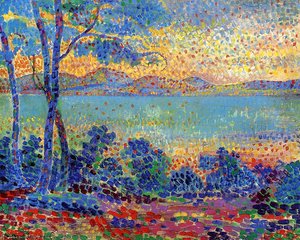
Henri Edmond Cross’s “The Shipwreck,” painted in 1906, isn't merely a depiction of maritime disaster; it’s a profound meditation on the collision between human ambition and the relentless power of nature. This oil-on-canvas masterpiece, currently residing within the hallowed halls of the Musée d’Orsay in Paris, captures a scene of dramatic chaos – a shattered sailboat violently confronting a tempestuous sea – yet beneath the surface turmoil lies an undeniable sense of beauty and a poignant exploration of vulnerability. Cross, a pivotal figure in the Neo-Impressionist movement, masterfully employed the principles of Pointillism, meticulously layering tiny dots of color to create luminous effects and evoke a palpable atmosphere.
The painting’s genesis is deeply intertwined with Cross's personal life and artistic evolution. Following his relocation to southern France in 1891, seeking respite from illness, he began to experiment with the Pointillist technique, initially influenced by Paul Signac. However, unlike Signac’s often precise and geometrically structured compositions, Cross infused his work with a distinctly emotive quality. He wasn't simply replicating visual reality; he was translating feeling into color and light. The turbulent sky, rendered in swirling blues and greens, isn’t merely atmospheric; it embodies the raw emotion of impending doom. Similarly, the fractured hull of the vessel, partially submerged beneath the frothing waves, speaks to a profound sense of loss and destruction.
The Language of Color and Light – Pointillist Technique
Cross's mastery lies in his skillful manipulation of color theory within the Pointillist framework. He didn’t blend colors on the palette; instead, he applied them directly to the canvas in discrete dots, allowing the viewer’s eye to optically mix them. This technique creates an extraordinary vibrancy and luminosity, particularly noticeable in the reflections shimmering off the water's surface and the billowing sails of the doomed vessel. The artist strategically employed complementary color pairings – blues against oranges, greens against reds – to heighten visual impact and create a dynamic tension within the composition. The use of broken color is not just a technical exercise; it’s a deliberate choice that contributes significantly to the painting's emotional resonance.
Furthermore, Cross’s brushwork, though adhering to the Pointillist principles, possesses an expressive quality rarely associated with the movement. The dots aren’t uniformly applied; they vary in size and density, creating subtle shifts in tone and texture. This deliberate irregularity adds a layer of spontaneity and immediacy to the work, preventing it from feeling overly calculated or sterile. It's as if the artist is channeling his own turbulent emotions onto the canvas, mirroring the chaos of the depicted scene.
Symbolism and Emotional Resonance
Beyond its technical brilliance, “The Shipwreck” resonates deeply on an emotional level. The image evokes a sense of vulnerability in the face of overwhelming forces – a potent metaphor for the human condition. The shattered vessel represents not just a physical loss but also the fragility of ambition, dreams, and even life itself. The storm raging around it symbolizes the unpredictable nature of fate and the inevitability of destruction.
However, amidst this depiction of ruin, there’s an underlying current of resilience. The sails, though torn and battered, still billow with a defiant energy, suggesting a refusal to surrender completely. The light breaking through the clouds hints at the possibility of hope, even in the darkest of circumstances. Cross masterfully balances despair and optimism, creating a work that is both hauntingly beautiful and profoundly moving.
A Legacy of Impressionistic Innovation
“The Shipwreck” stands as a testament to Henri Edmond Cross’s innovative spirit and his pivotal role in shaping the trajectory of modern art. His pioneering use of Pointillism, combined with his expressive color palette and evocative brushwork, profoundly influenced subsequent generations of artists, including Matisse and later Fauvist painters. It's a painting that continues to captivate viewers with its dramatic intensity, technical sophistication, and enduring emotional power – a timeless reminder of the beauty and tragedy inherent in the human experience.
Veelgestelde vragen
Hoe kan "The Shipwreck" door Henri-Edmond Cross worden gebruikt in interieurdecoratie?
"The Shipwreck" wordt aanbevolen voor Statement; de ideale plek hiervoor is een Living Room.
Welke kleuren overheersen in "The Shipwreck" door Henri-Edmond Cross?
De kleuridentiteit van "The Shipwreck" door Henri-Edmond Cross: een Neutrals palet, gedomineerd door Clay (#b07442).
Welk onderwerp en welke sfeer combineert "The Shipwreck" door Henri-Edmond Cross?
"The Shipwreck" toont shipwreck, sea, storm, boats, coastline, ruin, landscape, rescue en de vastgelegde stemming is Dramatic.
Vergelijkbare kunstwerken




Biografie kunstenaar
Een Leven in Licht: De Reis van Henri Edmond Cross
Henri Edmond Cross, geboren Henri-Edmond-Joseph Delacroix in 1856 in de Noord-Franse stad Douai, was een kunstenaar wiens leven en werk onlosmakelijk verbonden waren aan een zoektocht naar licht, kleur en een harmonieuze visie op het bestaan. Zijn verhaal is één van artistieke evolutie, gedreven door zowel persoonlijke omstandigheden als een vurige overtuiging in avant-garde idealen. De zoon van een avontuurlijke vader en een Britse moeder, zag Cross’s jeugd doorgebracht in Lille, waar zijn talent werd erkend en gekoesterd door Dr. Auguste Soins, een gevernijkt mecenas die cruciale financiële steun verleende voor lessen bij de gerenommeerde Carolus-Duran. Deze fundamentele training instilledde in hem een respect voor klassieke techniek – een basis die later briljant werd onderbroken toen hij zich verdiepte in de revolutionaire wereld van Neo-Impressionisme. Zelfs vroeg in zijn carrière, voelde hij een drang om zijn eigen artistieke stem te vormen, en nam hij “Cross” aan als deel van zijn naam, en uiteindelijk volledig over naar "Henri-Edmond Cross" in 1886, om zich te onderscheiden van zowel de beroemde Eugène Delacroix als een andere contemporaine kunstenaar met dezelfde achternaam. Dit was een symbolische daad van een grotere ambitie: een unieke artistieke stem definiëren in een snel veranderende kunstwereld.Van Realisme tot Radiante Divisionisme
Cross’s eerste artistieke exploraties leunden op het realistische genre, wat zich manifesteerde in portretten en stillevens die technische vaardigheid toonden, maar ontbraken aan een onderscheidende sprankeling. Echter, de Parijse kunstscene van de jaren 1880 was doordrenkt met nieuwe ideeën, en Cross voelde zich steeds meer aangetrokken tot de revolutionaire principes van Neo-Impressionisme – een beweging die werd aangevoerd door Georges Seurat en Paul Signac. Deze ontmoeting bleek transformatief. De wetenschappelijke benadering van kleurtheorie, de nauwkeurige toepassing van kleine, afgebakende penseelstreken (of “punten”) om optische menging te creëren, resonerde diep in zijn artistieke gevoelen. Tegelijkertijd leidde een reeks terugkerende episodes van rheuma hem naar het warmere klimaat van Zuid-Frankrijk, beginnend in 1883 en eindigend met een permanente vestiging in Saint-Clair in 1891. Het stralende licht en de levendige landschappen van dit gebied werden integraal onderdeel van zijn artistieke visie. Hij kopieerde Seurat’s Pointillisme niet simpelweg; hij ontwikkelde het juist verder, waarbij hij grotere, mozaïekachtige penseelstreken gebruikte die de luminositeit van verdeelde kleur behielden, terwijl hij meer expressieve vrijheid toeliet. Deze “tweede generatie” Neo-Impressionisme kenmerkte zich door zijn opvallende chromatische intensiteit en dynamische composities – een stijl die zijn handtekening zou worden.Anarchistische Idealen en Utopische Visioenen
Naast technische innovatie, was Cross’s werk diep beïnvloed door een sterke sociale en politieke idealisme – specifiek anarchistische overtuigingen. Deze overtuiging manifesteerde zich niet opdringerig; eerder werd het verweven in zijn weergaven van idyllische landschappen, waarbij harmonieuze coëxistentie tussen mensheid en natuur werd voorgesteld als een alternatief voor de vermeende corruptie en vervreemding van moderne stedelijke leefwijzen. Zijn schilderijen waren niet alleen esthetische oefeningen, maar visuele verklaringen die pleiten voor een rechtvaardigere en vreedzamere wereld. De invloed van deze ideologie was subtiel verweven in de structuur van zijn composities, waardoor ze een gevoel van utopisch verlangen overdroegen. Werken zoals *Before the Storm* en *The Farm, Evening* zijn niet simpelweg representaties van de natuur; het zijn allegorieën voor een rechtvaardige samenleving – de levendige kleuren en dynamische penseelstreken roepen energie en optimisme op, suggererend transformatie en vernieuwing. Hij streefde ernaar om schoonheid vast te leggen die niet alleen representatief was, maar ook emoties kon oproepen en een puur visuele ervaring creëerde.Een Erfgoed van Innovatie en Invloed
Henri-Edmond Cross’s artistieke reis culmineerde in een aanzienlijk oeuvre dat de loop van moderne kunst fundamenteel beïnvloed heeft. Zijn eerste soloutentoonstelling bij Galerie Druet in 1905, gevolgd door een retrospectieve georganiseerd door Félix Fénéon bij Galerie Bernheim-Jeune in 1908, versterkte zijn reputatie als een toonaangevende figuur in Neo-Impressionisme. Echter, zijn invloed strekte zich veel verder uit dan deze beweging. Zijn opvallende gebruik van niet-lokale kleur – kleuren die werden toegepast niet volgens hun natuurlijke verschijning, maar voor expressieve effecten – en zijn bereidheid om vormen te verdraaien, legden de basis voor de radicale experimentatie van Fauvisme. Kunstenaars als Henri Matisse en André Derain werden sterk beïnvloed door Cross’s werk, herkennend in het een unieke artistieke vrijheid bieden. Hij demonstreerde dat kleur kan worden gebruikt niet alleen om de realiteit weer te geven, maar ook om emoties op te roepen en een puur visuele ervaring te creëren. Hij stierf aan kanker in Saint-Clair in 1910, nalatend een erfenis die nog steeds resoneren met kunstenaars en kunstliefhebbers van vandaag. Zijn schilderijen zijn krachtige getuigenissen van artistieke innovatie en sociale idealisme – een testament aan de kracht van kunst om te inspireren, te provoceren en ons begrip van de wereld om ons heen te transformeren.Belangrijke Werken & Duurzaamheid
Sommige werken springen eruit als bijzonder representatief voor Cross’s artistieke visie:- Before the Storm (aka The Storm): Een kenmerkend voorbeeld van zijn Neo-Impressionistische landschappen, die dramatische hemellichten vastlegt en hints geeft naar onderliggende anarchistische thema's.
- The Washerwoman: Toont zijn meesterschap in Pointillisme en divisionisme, waarbij een scène uit het dagelijks leven wordt weergegeven met levendige kleuren en dynamische composities.
- The Farm, Evening: Een serene weergave van landelijk leven, die zijn utopische visie op harmonieuze coëxistentie tussen mensheid en natuur belichaamt.

Henri-Edmond Cross
1856 - 1910 , Frankrijk
Belangrijkste feiten
- Artistic Movement Or Style: Neo-Impressionisme
- Artists Or Movements Influenced By This Artist:
- Henri Matisse
- Fauvisme
- Artists Who Influenced This Artist:
- Georges Seurat
- Paul Signac
- Date Of Birth: 20 mei 1856
- Date Of Death: 16 mei 1910
- Full Name: Henri Edmond Cross
- Nationality: Frans
- Notable Artworks:
- Before de Storm
- De Wasmachine
- Het Landbouwbedrijf
- Place Of Birth: Douai, Frankrijk
Gerelateerde artikelen

The Science of Light: Decoding the Optical Precision of Neo-Impressionism
Explore the scientific brilliance of Neo-Impressionism. Discover how masters like Georges Seurat revolutionized art through optical mixing, color theory, and the precision of Pointillism to capture the true essence of light.

Top 10 Impressionistische Meesterwerken: Kleur, Licht & Emotie voor uw Interieur
Ontdek de top 10 impressionistische meesterwerken van Monet, Renoir & meer! Duik in kleur, licht en emotie met deze iconische schilderijen. Vind museumkwaliteit kunst reproducties voor uw interieur op TopImpressionists.com.

Top 25 Meesterwerken van Henri Matisse: Kleur, Vorm & Emotie voor uw Interieur
Ontdek de top 25 meesterwerken van Henri Matisse! Duik in de wereld van Fauvisme, kleurrijke composities & expressieve kunst. Vind museumkwaliteit reproducties en decoratie-inspiratie op TopImpressionists.com. Exploreer de collectie online!

Top 10 Meesterwerken van het Impressionisme | Kunstreproducties & Decoratie
Ontdek de 10 meest iconische meesterwerken van het Impressionisme met Monet, Renoir & Manet. Leer over hun technieken en kleuren! Museumkwaliteit kunst reproducties voor uw interieur op .

Henri Edmond Cross: A Pioneer of Neo-Impressionism & the Divisionist Aesthetic
Explore the life & art of Henri Edmond Cross, a pivotal Neo-Impressionist painter. Discover his innovative divisionist technique, political affiliations, and lasting influence on modern art movements like Fauvism. Learn about key works & legacy.
Ontdek kunstwerken georganiseerd op thema, stijl en kenmerk.


