


 Bekijk op ware grootte
 Verstuur
 Delen
Delen
 Details bekijken
 Gids voor studentenkunstwerken

 Download
 Vergelijkbare items
 Röntgenonderzoek
 Diavoorstelling
 Statistieken
The Invalid
 Acrylic On Canvas
- WallArt
- Fauvist Expressionism
 1899
1899- Modern
 46.0 x 38.0 cm
 Baltimore Museum of Art
 Lees meer
Giclée / Kunstafdrukken
Giclée- of canvasafdruk van museumkwaliteit met een snelle productie en flexibele afwerkingsmogelijkheden. ( Koop handgeschilderd kunstwerk Schakel over naar digitale afbeeldingen)




P118B €10

P118H €10

P118W €10

P438Z €10

P508JH €12

P508YH €12

P805H €10

P805Z €10

P919BZ €10

P919G €10

P919XJ €10

P959ZH €10

P968JZ €12

W106C €8

W218G €10

W218JH €8

W218Y €10

W307PJ €10

W316G €10

W316PJ €8

W316Y €10

W398PJ €8

W4111J €10

W500HY €15

W500JH €15

W692G €12

W849H €8

W940BG €15

W953PJ €8




Standaardformaat
op maat gemaakt
CM
INCH
Kies uit onze vooraf ingestelde maten die overeenkomen met de originele verhoudingen van het kunstwerk.
Loading sizes...

breedte
hoogte
Voer de breedte en de hoogte in die u nodig heeft, passend bij uw lijst of uw muur. Een afdruk kan alleen worden ingekort, nooit groter worden gemaakt dan het origineel, waardoor een formaat met een andere verhouding een deel van de afbeelding verliest. Wij sturen u een digitaal mockup ter goedkeuring voordat we iets drukken. De afbeelding op deze pagina toont niet de werkelijke uitsnede — dit is alleen te zien op het mockup.
Wereldwijde levering () binnen 2 weken in plaats van de standaard 4/5 weken. (22 oktober)

Gratis wereldwijde expressverzending

Hoogwaardig linnen canvas

Volledige verzendverzekering

Garantie op terugbetaling van invoerrechten

Garantie op exacte kleurweergave

Retourbeleid van 100 dagen (alleen bij defecten)

100% Geld-terug-garantie

Korting bij meerdere afnames
 De optie voor glas is alleen beschikbaar bij een formaat kleiner dan 110 cm.

The Invalid
Giclée / Kunstafdrukken
Formaat reproductie
-


Totaalprijs
€ 61
The Invalid: A Study in Tranquility and Fauvist Color
Henri Matisse’s “The Invalid” stands as a testament to the power of understated beauty within the Fauvist movement—a bold departure from academic conventions that nonetheless prioritizes serenity and contemplative observation.
Painted in 1899 during Matisse’s formative years, this oil on canvas measuring 46 x 38 cm resides at the Baltimore Museum of Art, offering viewers a glimpse into the artist's evolving artistic vision. The scene depicts a woman reclining peacefully in bed, her head resting upon a pillow—a deliberate choice that speaks volumes about Matisse’s fascination with capturing stillness and repose.
Composition and Style: Embracing Fauvist Boldness
Matisse skillfully employs compositional elements to heighten the painting's impact. A dining table dominates the foreground, draped in white linen and surrounded by chairs—a subtle suggestion of domestic life juxtaposed against the quiet intimacy of the bedchamber. Two figures appear in the background, providing depth and context without distracting from the central subject.
Crucially, “The Invalid” embodies the core tenets of Fauvism. Matisse’s audacious use of color—particularly vibrant reds, yellows, and blues—is characteristic of this movement's rejection of naturalistic representation. Instead, he prioritizes emotional expression through pigment itself, creating a luminous surface that vibrates with energy.
Artistic Significance: Pioneering Color Expression
“The Invalid” represents a pivotal moment in Matisse’s artistic trajectory, demonstrating his willingness to experiment and push boundaries. Like Picasso and Cézanne before him, Matisse sought to liberate painting from the constraints of traditional perspective and shading—creating a visual language that transcends literal depiction.
This painting isn't merely aesthetically pleasing; it embodies Fauvist’s broader philosophical stance – prioritizing feeling over intellectual analysis. Matisse aimed to convey an inner state of calm and contentment, achieved through masterful color orchestration.
Context Within Matisse’s Oeuvre: Continuity and Innovation
To appreciate “The Invalid” fully, consider its place within Matisse's larger body of work. Alongside masterpieces like “The Open Window” and “La musique”—works that similarly explore color and form—this painting exemplifies Matisse’s unwavering commitment to innovation while retaining a core aesthetic sensibility.
His exploration of decorative patterns and simplified forms foreshadowed developments in later artistic movements. Matisse's legacy continues to inspire artists today, cementing his position as one of the most influential figures in 20th-century art.
Vragen & Antwoorden
Is "The Invalid" door Henri Matisse een bekend kunstwerk?
"The Invalid" door Henri Matisse heeft een populariteitsniveau van Iconic. Deze classificatie weerspiegelt hoe breed het werk wordt erkend.
Kan ik "The Invalid" bekijken als een diavoorstelling op volledig scherm?
"The Invalid" door Henri Matisse kan worden bekeken als een diavoorstelling op de Diavoorstelling pagina van het kunstwerk.
Behoort "The Invalid" van Henri Matisse tot het publiek domein, en zo ja, waarom?
"The Invalid" door Henri Matisse is bevindt zich in het publiek domein - de auteursrechten zijn verlopen. De auteursrechtelijke bescherming loopt vanaf het overlijden van de kunstenaar, dat plaatsvond in 1954.
Gerelateerde kunstwerken


Biografie van de kunstenaar
Een Leven in Kleur: De Wereld van Henri Matisse
Henri Émile Benoît Matisse, geboren op 31 december 1869 in het bescheiden Noord-Franse stadje Le Cateau-Cambrésis, leek aanvankelijk niet voorbestemd tot een leven doordrenkt van pigment en vorm. Na zijn middelbare school studeerde hij rechten in Parijs, maar zijn pad nam een dramatische wending na een blindedarmontsteking in 1889. Bedlegerig ontdekte hij een sluimerende passie die werd aangewakkerd door het eenvoudige schilderen met een set kunstbenodigdheden, geschonken door zijn moeder. Dit was niet slechts een tijdelijke afleiding; het was een openbaring – een keerpunt dat hem wegleidde van juridische documenten en naar een wereld waar kleur zijn taal zou worden en het canvas zijn domein. Opgegroeid in Bohain-en-Vermandois, als zoon van graanhandelaren, leek Matisse aanvankelijk ongeschikt voor het bohemienleven van een kunstenaar, maar de kiem was gelegd, gekoesterd door herstel en ontluikend tot een levenslange toewijding. Hij schreef zich in aan de Académie Julian en later aan de École Nationale des Beaux-Arts, waar hij studeerde onder William-Adolphe Bouguereau en Gustave Moreau, en absorbeerde klassieke technieken die als basis zouden dienen voor zijn toekomstige innovaties. Vroege werken weerspiegelden deze academische training, getuigend van vaardigheid maar ontbrekend aan de onderscheidende stem die hem weldra zou definiëren.De Dageraad van het Fauvisme en Gedurfde Experimenten
Een cruciaal moment kwam in 1896 tijdens een bezoek aan Belle-Île met de Australische schilder John Russell. Deze ontmoeting bleek transformatief. Russell introduceerde Matisse in de levendige wereld van het Impressionisme, en belangrijker nog, in de emotioneel geladen doeken van Vincent van Gogh. De impact was enorm. Van Goghs expressieve kleurgebruik verbrak Matisses voorheen ingetogen palet en drong hem aan tot een gedurfder, subjectievere benadering. Hij begon zich af te keren van aardekleuren en omarmde tinten die resoneerden met gevoel in plaats van strikte representatie. Deze verkenning culmineerde in de opkomst van het Fauvisme rond 1905 – een beweging waar Matisse een leidende figuur werd. De naam zelf, wat “wilde beesten” betekent, was aanvankelijk spottend, toegekend door een criticus aan de schokkend levendige en on-naturalistische schilderijen die werden tentoongesteld op de Salon d'Automne. Matisse, samen met kunstenaars als André Derain en Maurice de Vlaminck, bepleitte intense kleur als een zelfstandig expressief element, waarbij hij vormen vereenvoudigde om de impact ervan te versterken. Schilderijen zoals The Gourds (1905) zijn exemplarisch voor deze stijl – een explosie van rood, groen en geel, aangebracht met een vrijheid die traditioneel perspectief en mimetische nauwkeurigheid tartte. Kernmerken waren intens verzadigde paletten, vereenvoudigde vormen, expressieve penseelstreken en een bewuste afwijzing van conventionele representatie ten gunste van emotionele resonantie.Verfijning en Decoratieve Harmonie
Na de initiële opwinding van het Fauvisme onderging Matisses stijl een subtiele maar significante evolutie. Hoewel hij zijn liefde voor kleur nooit verliet, werd zijn werk verfijnder en neigde meer naar een decoratieve esthetiek die platte vormen en ingewikkelde patronen benadrukte. Hij verkende thema's als vrijetijdsbesteding, huiselijkheid en de menselijke figuur in rustige omgevingen, en creëerde composities die zowel harmonieus als emotioneel resonerend aanvoelden. Een verhuizing naar Nice aan de Franse Riviera in 1917 beïnvloedde deze verschuiving verder, waardoor zijn werk een gevoel van sereniteit en klassisch evenwicht kreeg. Hij begon zich te richten op het creëren van omgevingen – schilderijen, sculpturen en decoratieve objecten – die de kijker omhulden in een sfeer van schoonheid en kalmte. In deze periode experimenteerde hij met verschillende media, waaronder keramiek en textiel, waardoor zijn artistieke visie verder reikte dan het traditionele canvas. Hij schilderde niet slechts scènes; hij construeerde werelden die ontworpen waren om een specifieke emotionele reactie op te wekken.Late Jaren: Innovatie door Beperking
Toen afnemende gezondheid Matisses vermogen om conventioneel te schilderen beperkte, begon hij aan een buitengewoon nieuw hoofdstuk in zijn artistieke reis – het creëren van knipselcollages, of *découpages*. Vanaf ongeveer 1947 werden deze werken geboren uit noodzaak. Gekluisterd aan een rolstoel kon hij fysiek niet staan en schilderen, maar hij kon nog steeds papier met een schaar manipuleren. Wat begon als een praktische oplossing evolueerde tot een baanbrekende artistieke techniek. Hij zou grote vellen papier in levendige kleuren beschilderen, ze vervolgens in vormen knippen – organische vormen, bladeren, figuren – en deze op canvas rangschikken, waardoor composities ontstonden die zowel dynamisch als misleidend eenvoudig waren. Deze *découpages* waren niet slechts vervangingen voor schilderkunst; ze vertegenwoordigden een nieuwe manier van denken over kleur, vorm en compositie. Ze zetten zijn levenslange verkenning van deze elementen voort, waarbij hij een aanhoudende artistieke visie toonde, zelfs in het licht van fysieke beperkingen.- De knipseltechniek stelde hem in staat om een zuiverheid van vorm en kleur te bereiken die moeilijk met verf te realiseren was.
- Deze werken verweten vaak eerdere thema's en motieven uit zijn schilderijen, maar presenteerden ze op een frisse en innovatieve manier.
- Ze toonden zijn vermogen om zich aan te passen en te evolueren als kunstenaar gedurende zijn hele carrière.
Een Blijvende Erfenis: Matisses Impact op de Moderne Kunst
Henri Matisse stierf in Nice in 1954, en liet een oeuvre achter dat wereldwijd blijft inspireren en boeien. Zijn impact op de kunstwereld is onmiskenbaar; hij daagde conventionele noties van representatie uit, bepleitte de expressieve kracht van kleur en baande de weg voor toekomstige generaties kunstenaars. Vaak beschouwd naast Pablo Picasso als een van de meest invloedrijke figuren in de 20e-eeuwse kunst, heeft Matisse het modernisme fundamenteel gevormd. Zijn erfenis strekt zich uit tot zijn kunstwerken zelf – het omvat een filosofie die vreugde, schoonheid en het transformerende potentieel van kleur viert. Hij schilderde niet slechts wat hij zag; hij creëerde een emotionele ervaring voor de kijker, door hem uit te nodigen om zijn visie op een wereld in badend licht en levendige tinten te delen. Matisse’s invloed is zichtbaar in talloze werken van kunstenaars uit verschillende disciplines, waardoor zijn plaats als ware meester van de moderne kunst wordt verstevigd – een schilder die durfde de wereld niet te zien zoals ze is, maar zoals ze zou kunnen zijn, gevuld met kleur, harmonie en grenzeloze mogelijkheden.
Henri Matisse
1869 - 1954 , Frankrijk
Snelle feiten
- Artistic Movement Or Style: Fauvisme
- Artists Or Movements Influenced By This Artist:
- Modernisme
- Expressionisme
- Artists Who Influenced This Artist:
- Van Gogh
- Chardin
- Russell
- Date Of Birth: 31 december 1869
- Date Of Death: 3 november 1954
- Full Name: Henri Émile Benoît Matisse
- Nationality: Frans
- Notable Artworks:
- The Gourds
- Laurette in a White Turban
- Place Of Birth: Le Cateau-Cambrésis, Frankrijk
Gerelateerde artikelen

Top 25 Meesterwerken van Henri Matisse: Kleur, Vorm & Emotie voor uw Interieur
Ontdek de top 25 meesterwerken van Henri Matisse! Duik in de wereld van Fauvisme, kleurrijke composities & expressieve kunst. Vind museumkwaliteit reproducties en decoratie-inspiratie op TopImpressionists.com. Exploreer de collectie online!

Top 10 Fauvist Meesterwerken: Kleur & Expressie voor uw Interieur | TopImpressionists
Ontdek de 10 meest iconische Fauvist meesterwerken van kunstenaars als Matisse & Derain. Duik in expressieve kleuren en baanbrekende technieken! Museumkwaliteit reproducties voor uw interieur op TopImpressionists.com
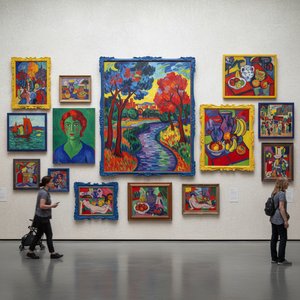
Top 10 Fauvistische Meesterwerken: Kleur & Expressie voor uw Interieur | TopImpressionists.com
Ontdek de 10 meest iconische Fauvistische meesterwerken van kunstenaars als Matisse & Derain. Leer over kleur, expressie en hun invloed op moderne kunst. Museumkwaliteit reproducties voor uw interieur? Bekijk ze nu op TopImpressionists.com!

The Wild Beast Within: Exploring Fauvism's Revolutionary Use of Color and Form
Explore the revolutionary Fauvism movement & Henri Matisse's bold use of color! Discover key characteristics, iconic artworks, and its lasting impact on modern art history with TopImpressionists.

Pierre-Auguste Renoir's 25 Meesterwerken: Kleur, Licht & Impressionistische Pracht | TopImpressionists
Ontdek de 25 mooiste schilderijen van Pierre-Auguste Renoir! Duik in de wereld van het Impressionisme, kleur en licht. Van 'Bal du moulin' tot intieme portretten – bekijk de meesterwerken & vind jouw perfecte reproductie op TopImpressionists.com.
Ontdek kunstwerken georganiseerd op thema, stijl en kenmerk.


