
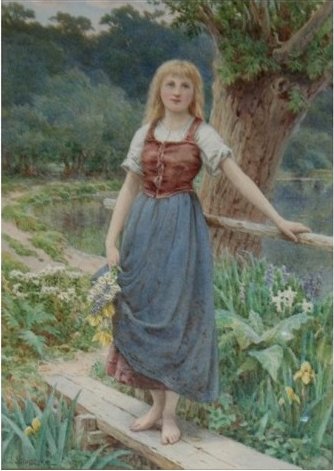
Shown: · With its frame:
 Voorvertoning
 Verstuur
 Delen
Delen
 Details bekijken
 Gids
Gids

 Download
 Vergelijkbare items
 Röntgenonderzoek
 Diavoorstelling
 Q&A
Q&A Statistieken
€ 237
Handgemaakte olieverfreproductie
Met de hand geschilderd in olieverf op canvas in uw gewenste maat en lijst, op bestelling gemaakt door onze kunstenaars. ( Schakel over naar print Schakel over naar digitale afbeeldingen)
Size
·Standaardformaat
op maat gemaakt
CM
INCH
Kies uit onze vooraf ingestelde maten die overeenkomen met de originele verhoudingen van het kunstwerk.
Loading sizes...

breedte
hoogte
Voer de breedte en hoogte in die u nodig heeft, passend bij uw lijst of uw muur. Omdat dit handgeschilderd is, kan de kunstenaar bij een afmeting met een andere beeldverhouding iets meer rondom het schilderij schilderen of juist iets meer weglaten — u kiest zelf. Wij sturen u een digitaal mockup ter goedkeuring voordat het schilderwerk begint. De afbeelding die op deze pagina wordt getoond, is niet het uiteindelijke resultaat — alleen de mockup geeft dit weer.
 Lees meer over
Finish
·
White €1

Blurside €1

Extended €1

P118B €10

P118H €10

P118W €10

P438Z €10

P508JH €12

P508YH €12

P805H €10

P805Z €10

P919BZ €10

P919G €10

P919XJ €10

P959ZH €10

P968JZ €12

W106C €8

W218G €10

W218JH €8

W218Y €10

W307PJ €10

W316G €10

W316PJ €8

W316Y €10

W398PJ €8

W4111J €10

W500HY €15

W500JH €15

W692G €12

W849H €8

W940BG €15

W953PJ €8

H24-GOLD €30

H24-SILVER €30

H36-GOLD €45

H36-SILVER €45
Shipped in a protective tube, ready for your own framer.
Above 105 cm the frame is shipped as a kit for a professional framer — read the details.
Extras
optionalWhat do the extras include?
Examples of what can be changed: Replace face with customer photo; Add pet (e.g., replace cat with dog); Include hidden message in background; Change background landscape or elements.
After order, TopImpressionists.com team will email client for instructions and provide a mockup preview
After order, TopImpressionists.com team will email client for instructions and provide a mockup preview
Wereldwijde levering () binnen 3 tot 4 weken in plaats van de standaard 5 weken. (29 oktober). Zonder concessies aan de kwaliteit.
Beschermende vernislaag
Naamplaatje
Details van de gegraveerde bronzen plaat
This elegant plaque features the artist's name and the title of the artwork, finely engraved for a timeless presentation.
It is made from bronze with a refined, elegant finish. The text is precisely laser-engraved for a sharp and permanent result. Measuring 9x2 cm, the plaque is compact yet easy to read. It's built to be durable and scratch-resistant, offering a professional, museum-quality look. Mounting is simple thanks to the included adhesive backing.
Details transparante acrylplaat
The plaque includes essential engraved details such as the artist's name, the title of the artwork, the date it was created, the type of media used-like oil on canvas or watercolor-a brief description of the piece, and a QR code that links to the complete artwork information.
It is crafted from clear acrylic, offering a sleek, modern appearance. The text is UV-engraved in black to ensure strong visual contrast. With a size of 10x15 cm, it ensures optimal readability. It comes equipped with two metal hooks for secure wall mounting. The plaque is designed to be weather-resistant, making it suitable for various environments, and it includes interactive features that work seamlessly with smartphone scanning.
Details zwarte acrylplaat
This elegant plaque includes engraved information such as the artist's name, the title of the artwork, the date it was created, the type of media used (like oil on canvas or watercolor), a short description of the artwork, and a QR code for quick access to more information.
The plaque itself is made from refined black acrylic with a premium finish. The text is laser-engraved in white for high contrast and readability. Its size is 10x15 cm, designed to be easy to read. It comes with two metal hooks for professional mounting. The design is sleek and fits any interior style. It is also weather-resistant and durable, with built-in digital integration for mobile compatibility.
De optie voor glas is alleen beschikbaar bij een formaat kleiner dan 110 cm.
 De optie voor glas is alleen beschikbaar bij een formaat kleiner dan 110 cm.
- Gratis wereldwijde expressverzending
- Hoogwaardig linnen canvas
- Volledige verzendverzekering
- Garantie op terugbetaling van invoerrechten
- Garantie op exacte kleurweergave
- Retourbeleid van 100 dagen (alleen bij defecten)
- 100% Geld-terug-garantie
- Korting bij meerdere afnames


Biografie kunstenaar
Explore the portraits of Henry James Johnstone – Birmingham-born artist (1835-1907). Captivating Victorian realism & detailed studies of figures, showcased in museums worldwide.
About the painting
Quick facts and art quiz
About Henry James Johnstone

Henry James Johnstone
1835 - 1907, United Kingdom
Biografie kunstenaar
A Visionary Between Lens and Canvas
The life of Henry James Johnstone serves as a remarkable bridge between the burgeoning precision of photography and the emotive depth of Victorian fine art. Born in Birmingham, England, in 1835, Johnstone’s early years were steeped in the rigorous artistic traditions of his homeland. He refined his technical sensibilities under private tutors and at the prestigious Birmingham School of Design, a foundation that instilled in him a profound respect for detail and form. However, it was not merely the brush that defined his early development; he was also shaped by the chemical magic of the darkroom, having joined his father’s photographic firm. This unique dual education allowed him to perceive the world through two distinct yet complementary lenses: one focused on the fleeting capture of a moment, and the even more enduring pursuit of painterly atmosphere.
In 1853, at the age of eighteen, Johnstone embarked on an odyssey that would fundamentally alter the course of his career, arriving in Melbourne, Australia. This migration placed him at the heart of a vibrant, developing colonial society, providing him with a wealth of new subjects and landscapes. During the 1870s and 1880s, he rose to unparalleled prominence as a portrait photographer. Through his studio, Johnstone, O’Shannessy and Co., he became the visual chronicler of the Australian elite. His ability to capture the dignity of governors, visiting royalty, and prominent politicians earned him the prestigious appointment as Royal Photographer to the Duke of Edinburgh. The excellence of his photographic work was recognized on the global stage, with his portraits featured in the Philadelphia Centennial Exhibition of 1875 and the Melbourne International Exhibition of 1888.
The Painterly Soul and the Australian Landscape
While his photographic fame was cemented in the studios of Melbourne, Johnstone’s heart remained deeply tethered to the traditions of fine art. His transition from the static precision of the camera to the fluid expression of the canvas was marked by a period of intense study under masters such as the sculptor Charles Summers and the painter Louis Buvelot. Joining the Melbourne National Gallery School of Painting, he absorbed the nuances of light, shadow, and texture that would later define his landscape oeuvre. His artistic style evolved into a sophisticated blend of Victorian Realism and Romanticism, where the meticulous observation learned in Birmingham met the sweeping, untamed grandeur of the Australian frontier.
As he moved through South Australia and eventually back to London, Johnstone’s paintings began to reflect a profound connection to the natural world. His works are characterized by an evocative use of atmospheric perspective, creating a sense of immense space and quietude. In his studies of local scenes, such as the Evening shadows, backwater of the Murray or the rugged beauty of The Waterfall, Morialta, one can observe a masterful command of light. He utilized techniques like impasto to imbue his landscapes with a tactile quality, mirroring the physical textures of the earth and water he depicted. His canvases were not merely records of scenery but emotional responses to the sublime power of nature.
Legacy of a Dual Master
The historical significance of Henry James Johnstone lies in his ability to inhabit two worlds simultaneously. He did not see photography and painting as opposing forces, but rather as different dialects of the same visual language. His photographic work provided a foundation of structural truth, while his paintings allowed for the infusion of poetic sentiment and movement. This synthesis made him a pivotal figure in the late 19th-century art scene, contributing to the rich tapestry of both British and Australian art history.
Today, Johnstone’s legacy is preserved through a diverse body of work that continues to captivate collectors and historians alike. His contributions can be summarized by several key milestones:
- Mastery of Portraiture: Establishing himself as the premier portrait photographer in Melbourne, capturing the likenesses of the era's most influential figures.
- Artistic Versatility: Successfully navigating the transition from a technical photographic practitioner to a celebrated landscape painter.
- Global Recognition: Representing the heights of colonial artistic achievement in international exhibitions across America and Europe.
- Enduring Influence: Leaving behind a collection of works that bridge the gap between the documentary precision of the camera and the romantic spirit of the brush.
Quick facts about Henry James Johnstone
- Full Name: Henry James Johnstone
- Nationality: British
- Date Of Birth: 1835
- Date Of Death: 1907
- Place Of Birth: Birmingham, United Kingdom
- Notable Artworks:
- At Lilydale - dandenong ranges , (1872)
- The gleaner of the woods
- Fallen from the nest
- Artistic Movement Or Style: Victorian Portraiture
- Artists Or Movements Influenced By This Artist: ['Romanticism']

Henry James Johnstone
Summer flowers
() ·
With its frame: · Hand-painted in oil on linen
Total