Voorvertoning
 Verstuur
 Delen
Delen
 Details bekijken
 Gids
Gids

 Download
 Vergelijkbare items
 Röntgenonderzoek
 Diavoorstelling
 Q&A
Q&A Statistieken
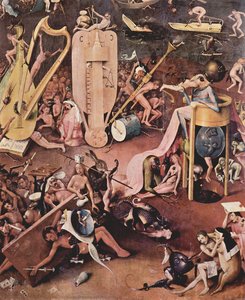
Het Dragen Der Kruis


Verken Bosch’s aangrijpende afbeelding van Christus het kruis dragen, waarbij zijn renaissancestijl, symbolische diepte en blijvende invloed op kunstgeschiedenis worden onderzocht. Ontdek de bredere context binnen het kunsthistorisch panorama.
 Lees meer
Ontdek Hieronymus Bosch (c.1450-1516), een mysterieus Nederlands meester van surrealisme & symboliek. Verken zijn iconische schilderijen, religieuze thema's en nachtmerriebeelden – een blijvende invloed op de kunstgeschiedenis.
Handgemaakte olieverfreproductie
Met de hand geschilderd in olieverf op canvas in uw gewenste maat en lijst, op bestelling gemaakt door onze kunstenaars. ( Schakel over naar print Schakel over naar digitale afbeeldingen)




P118B €10

P118H €10

P118W €10

P438Z €10

P508JH €12

P508YH €12

P805H €10

P805Z €10

P919BZ €10

P919G €10

P919XJ €10

P959ZH €10

P968JZ €12

W106C €8

W218G €10

W218JH €8

W218Y €10

W307PJ €10

W316G €10

W316PJ €8

W316Y €10

W398PJ €8

W4111J €10

W500HY €15

W500JH €15

W692G €12

W849H €8

W940BG €15

W953PJ €8




Standaardformaat
op maat gemaakt
CM
INCH
Kies uit onze vooraf ingestelde maten die overeenkomen met de originele verhoudingen van het kunstwerk.
Loading sizes...

breedte
hoogte
Voer de breedte en hoogte in die u nodig heeft, passend bij uw lijst of uw muur. Omdat dit handgeschilderd is, kan de kunstenaar bij een afmeting met een andere beeldverhouding iets meer rondom het schilderij schilderen of juist iets meer weglaten — u kiest zelf. Wij sturen u een digitaal mockup ter goedkeuring voordat het schilderwerk begint. De afbeelding die op deze pagina wordt getoond, is niet het uiteindelijke resultaat — alleen de mockup geeft dit weer.
Voorbeelden van aanpassingen: Vervang het gezicht met een eigen foto; Voeg een huisdier toe (bijv. vervang de kat door een hond); Verwerk een verborgen boodschap in de achtergrond; Wijzig het landschap of andere elementen in de achtergrond.
Na de bestelling zal het team van TopImpressionists.com per e-mail contact opnemen met de klant voor instructies en een mockup-voorbeeld sturen.
Na de bestelling zal het team van TopImpressionists.com per e-mail contact opnemen met de klant voor instructies en een mockup-voorbeeld sturen.
Wereldwijde levering () binnen 3 tot 4 weken in plaats van de standaard 5 weken. (28 oktober). Zonder concessies aan de kwaliteit.

Gratis wereldwijde expressverzending

Hoogwaardig linnen canvas

Volledige verzendverzekering

Garantie op terugbetaling van invoerrechten

Garantie op exacte kleurweergave

Retourbeleid van 100 dagen (alleen bij defecten)

100% Geld-terug-garantie

Korting bij meerdere afnames
 De optie voor glas is alleen beschikbaar bij een formaat kleiner dan 110 cm.

Het Dragen Der Kruis
Druktechniek
Afmetingen reproductie
-


Eindtotaal
€ 237
Een Venster op Geloof en Angst: Een Onderzoek naar Hieronymus Boschs “Christ Carrying The Cross”
Het schilderij "Christ Carrying The Cross" van Hieronymus Bosch blijft een verontrustende meesterwerk, die eeuwenlang bezoekers gefascineerd houdt na zijn creatie met een combinatie van minutieuze aandacht voor detail en diepe psychologische inzichten. Meer dan alleen een afbeelding van de kruisiging – een hoeksteen van het christelijke geloof – het is een visuele verkenning van menselijke kwetsbaarheid geconfronteerd met goddelijke oordeel, afgebeeld in een stijl die Surrealisme aankondigt en Boschs plaats als één van de meest onderscheidende stemmen van de Vroege Nederlandse Renaissance bevestigt.Compositie en Techniek: Een Symfonie van Detail
Bosch’s meesterlijke techniek is meteen zichtbaar bij observatie. Uitgevoerd op een eikenpaneel met olieverf – een relatief nieuwe kunstvorm op zijn tijd – laat het kunstwerk een verbazingwekkende mate van realisme zien gecombineerd met fantastische elementen. De kunstenaar gebruikt chiaroscuro, waarbij hij licht en schaduw bedreven manipuleert om Figuren vorm te geven en een dramatische atmosfeer te creëren. Let op hoe Bosch zorgvuldig texturen weergeeft – van de ruwe bast van het boom die Christus’ kruis draagt tot het zweet dat glanst op Christus’ voorhoofd – waardoor hij tastbare fysieke aanwezigheid overbrengt. Bovendien wordt het perspectief van het schilderij subtiel vervormd, waardoor de kijker wordt meegenomen in het beeld en zijn emotionele impact vergroot. De kunstenaar’s gebruik van kleur is beperkt maar doelgericht, waarbij hij aardse tinten contrasteert met flitsen van levendige rode en blauwe kleuren die een gevoel van urgentie en verdriet versterken.Historische Context: Renaissance Moraliteit en Religieuze Angst
Het schilderij ontstond rond 1490-1500 in ’s-Hertogenbosch tijdens een periode gekenmerkt door intense religieuze enthousiasme – vlak voor de Hervorming van Maarten Luther – Bosch’s kunstwerk weerspiegelt de angsten die heersten binnen Europese samenleving op dat moment. De Katholieke Kerk oefende enorme macht uit, waardoor kunstelijke expressie en morele gevoeligheid werden gevormd. Bosch’s visie ging verder dan het simpelweg weergeven van Bijbelse gebeurtenissen; hij wilde een diepere theologisch bericht communiceren over zonde, verlossing en de gevolgen van aardse verlangens. De afbeelding van het publiek rond Christus – een mengsel van nederige kijkers en groteske Figuren – vertegenwoordigt de ambivalent reactie van de mensheid op goddelijke genade. Het spreekt tot de alomtegenstaande angst voor dood en oordeel die kenmerkend waren voor die tijd, waardoor het aansluit bij angsten die werden uitgedrukt in andere kunstwerken van dezelfde periode.Symboliek: Schikkelen van Betekenis Voorbij het Oppervlak
“Christ Carrying The Cross” zit boordevol symbolische beeldspraak bedoeld om contemplatie aan te wakkeren. Het kruis zelf vertegenwoordigt offerdienst en verzoening – het centrale dogma van het Christendom – maar Bosch verheft het boven simpelweg religieuze iconografie. Denk aan de Figuren rond Christus: Zij belichamen verschillende aspecten van menselijke natuur – nederigheid, wanhoop, wreedheid, dwaasheid – elk waardoor een complexe tapijt wordt gevormd van morele veroordeling. De boom die Christus’ kruis draagt vertegenwoordigt leven en dood verweven, terugblikkend op het Bijbelse verhaal Genesis en voorzeggend Christus’ wederkomst. Zelfs de gezichten van de kijkers dragen een diepe psychologische inhoud bij elkaar, waardoor men wordt aangemoedigd tot zelfreflectie en confrontatie met zijn eigen mortaliteit. Bosch’ gebruikte groteske beeldspraak – vooral de demonische Figuren – als een herinnering dat het kwaad onder het oppervlak van nederigheid en rechtvaardigheid sluistert.Erfenis vandaag: Een Duurzame Invloed op Kunstgeschiedenis
Vandaag blijft “Christ Carrying The Cross” kunsthistorici en verzamelaars wereldwijd fascineren. Zijn verontrustende schoonheid – een getuigenis van Boschs ongeëvenaarde artistieke visie – heeft talloze kunstenaars door de geschiedenis geïnspireerd, waaronder Surrealisten zoals Salvador Dalí en René Magritte. Het schilderij bevindt zich bij De Grafische Sammlung Albertina Museum in Oostenrijk, een van de meest belangrijke drukzalen ter wereld, waardoor zijn beeld toegankelijk blijft voor een wereldwijd publiek. Reproducties bieden een kans om Boschs genie persoonlijk te ervaren, waardoor dit außergewöhnliche kunstwerk wordt gebracht in huizen en voortdurend dialoog stimuleert over kunst’ vermogen om de menselijke conditie aan het licht te brengen.Veelgestelde vragen
Welke stemming straalt "Het Dragen Der Kruis" door Jeroen Bosch uit binnen Renaissance?
"Het Dragen Der Kruis" ademt een Mysterieus emotionele toon uit binnen de Renaissance-stroming.
Welke emotie straalt "Het Dragen Der Kruis" door Jeroen Bosch uit?
"Het Dragen Der Kruis" roept een Mysterieus gevoel op. De emotionele toon beschrijft de indruk die het werk achterlaat.
Hoe verbindt "Het Dragen Der Kruis" door Jeroen Bosch Renaissance met het geboorteland van de kunstenaar?
Het Renaissance-werk "Het Dragen Der Kruis" is vervaardigd door een kunstenaar uit Nederland.
Biografie kunstenaar
A Netherlandish Enigma: The Life and Art of Hieronymus Bosch
Born around 1450 in the vibrant, bustling town of ’s-Hertogenbosch in the Netherlands—then part of Brabant—Hieronymus Bosch, originally Jheronimus van Aken, remains one of art history’s most compelling and mysterious figures. His world was steeped in late medieval religious fervor, folklore, and a growing sense of societal unease, all of which would profoundly shape his uniquely unsettling artistic vision. Coming from a family with a long tradition of painting—his grandfather, Jan van Aken, and father, Anthonius van Aken, were both artists—Bosch likely received his earliest training within the family workshop, absorbing the techniques and conventions of Netherlandish painting. However, even in his formative years, he began to diverge from established norms, hinting at the extraordinary imagination that would define his career. Biographical details are frustratingly scarce; records are fragmented, leaving much open to speculation and interpretation, adding to the aura of mystique surrounding both the man and his work. He married Aleyt Goyaerts van den Meerveen sometime before 1481, a union that provided him with some financial security through her family’s holdings, but little else is known about their personal life.Fantastical Visions and Symbolic Depths
Bosch's artistic style is instantly recognizable—a captivating blend of meticulous detail and wildly imaginative imagery. He primarily worked with oil on oak panels, demonstrating a masterful command of the medium, achieving luminous colors and intricate textures. While his early works show influences from traditional Netherlandish painting, particularly in their realism and attention to detail, he quickly moved beyond mere imitation, developing a profoundly original vision. His paintings are not simply representations of reality; they are allegorical landscapes populated by bizarre creatures, hybrid beings, and unsettling scenes that seem plucked from dreams—or nightmares. Religious themes form the core of much of his work, but these are rarely straightforward depictions of biblical stories. Instead, Bosch uses symbolism to explore complex moral and theological concepts, often focusing on the dangers of sin, the fragility of earthly pleasures, and the inevitability of divine judgment. His creatures—grotesque demons, fantastical animals, and strangely human figures—are not merely decorative elements; they are embodiments of vice, temptation, and spiritual corruption. The blending of the sacred and the profane, the beautiful and the grotesque, creates a uniquely unsettling effect that continues to captivate viewers centuries later.Masterpieces of Moral Allegory
Among Bosch’s most celebrated achievements is The Garden of Earthly Delights (c. 1490-1510), a triptych that remains one of the most enigmatic and debated works in art history. When opened, it presents a panoramic vision of paradise, earthly life, and hell—a complex allegorical representation of humanity’s fall from grace. The left panel depicts the Garden of Eden, teeming with fantastical creatures and lush vegetation; the central panel portrays a world consumed by sensual pleasure and unrestrained desire; and the right panel offers a terrifying glimpse into the torments of hell. The Triptych of the Last Judgement (c. 1480-1490) is another powerful example of his skill in portraying both heavenly bliss and infernal torment, while The Ascent of the Blessed (c. 1480-1490) demonstrates his ability to create ethereal and dreamlike scenes. Even smaller works like Epiphany (c. 1495) showcase his innovative use of oil on wood and complex symbolism, revealing a mind constantly grappling with profound questions about faith, morality, and the human condition.Influences and Artistic Development
Identifying Bosch’s direct influences is a challenging task, given the originality of his vision. Scholars suggest possible connections to medieval folklore, religious texts—particularly those emphasizing apocalyptic themes—and the prevailing anxieties of the time, including fears of heresy and social upheaval. However, it's clear that he synthesized these elements into something entirely new and uniquely his own. His early works show a strong influence from traditional Netherlandish painting, particularly in their realism and attention to detail. As he matured, however, Bosch began to experiment with more fantastical imagery and symbolism, developing his distinctive style. He was also influenced by the work of other artists, such as Jan van Eyck and Rogier van der Weyden, but he ultimately surpassed them in originality and innovation. The use of oil paint allowed him to achieve a level of detail and luminosity that had not been seen before, while his mastery of perspective created a sense of depth and realism that was both captivating and unsettling.Legacy and Enduring Influence
Bosch’s work has had a profound impact on art history, influencing generations of artists. Pieter Bruegel the Elder directly followed in his footsteps, adopting similar themes and compositional techniques, while later movements, such as Surrealism, also drew inspiration from Bosch’s dreamlike imagery and exploration of the subconscious. Artists like Salvador Dalí and Max Ernst openly acknowledged their debt to his unsettling visions. Even today, Bosch's work continues to fascinate and provoke debate, solidifying his place as a master of Netherlandish painting and a visionary artist whose influence extends far beyond his own time. His paintings offer valuable insights into the religious, social, and psychological climate of the late 15th and early 16th centuries, challenging conventional norms and paving the way for new forms of artistic expression. He died in 1516, leaving behind a body of work that continues to haunt and inspire, ensuring his enduring legacy as one of art history’s most singular and unforgettable voices.
Jeroen Bosch
1450 - 1516 , Nederland
Belangrijkste feiten
- Artistic Movement Or Style: Surrealisme, Symboliek
- Artists Or Movements Influenced By This Artist: ['Pieter Bruegel']
- Date Of Birth: c. 1450
- Date Of Death: 1516
- Full Name: Hieronymus van Aken
- Nationality: Nederlands
- Notable Artworks:
- Tuin der Zotheid
- Oordeel van Laatste
- Ascentie Verlosse
- Place Of Birth: Den Bosch, Nederland
Gerelateerde artikelen

Divine Light & Golden Splendor: A Journey Through the Sacred Grandeur of High Medieval Art
Embark on a soulful journey through High Medieval art. Explore the divine light of Gothic cathedrals, Byzantine splendor, and sacred masterpieces that shaped Western history with our expert-led cultural reflections.

Golden Light & Dutch Skies: The Timeless Magic of Dutch Golden Age Landscapes
Discover the breathtaking beauty of Dutch Golden Age landscapes. Explore the mastery of light, chiaroscuro, and 17th-century realism through an expert art history lens, celebrating the enduring legacy of the Dutch Masters for discerning collectors and art lovers.

Mastering Light & Shadow: A Journey Through the Dutch Golden Age's Luminous Legacy
Embark on a cultural journey through the Dutch Golden Age. Explore the masterful interplay of light and shadow in 17th-century masterpieces, from Rembrandt to Vermeer, and discover how this era of profound realism continues to inspire fine art collectors today.
Ontdek kunstwerken georganiseerd op thema, stijl en kenmerk.