


 Bekijk op ware grootte
 Verstuur
 Delen
Delen
 Details bekijken
 Gids voor studentenkunstwerken

 Download
 Vergelijkbare items
 Röntgenonderzoek
 Diavoorstelling
 Statistieken
Psyche hosted on Olympus
 Oil
Oil- WallArt
- Baroque
 1652
1652- Early Modern
 225.0 x 266.0 cm
A vibrant Baroque masterpiece by Jacob Jordaens featuring a celestial gathering of figures in Psyche hosted on Olympus, offering a grand window into Flemish artistry for your collection.
 Lees meer
"meta_description": "Jacob Jordaens (1593-1678) was een Vlaamse barokschilder bekend om zijn levendige genrebeelden van het platteland en feestelijke tafelschilderingen. Zijn werken, vol energie en realisme, kenmerken de vroege 17e eeuw."
Handgemaakte olieverfreproductie
Met de hand geschilderd in olieverf op canvas in uw gewenste maat en lijst, op bestelling gemaakt door onze kunstenaars. ( Schakel over naar print Schakel over naar digitale afbeeldingen)




P118B €10

P118H €10

P118W €10

P438Z €10

P508JH €12

P508YH €12

P805H €10

P805Z €10

P919BZ €10

P919G €10

P919XJ €10

P959ZH €10

P968JZ €12

W106C €8

W218G €10

W218JH €8

W218Y €10

W307PJ €10

W316G €10

W316PJ €8

W316Y €10

W398PJ €8

W4111J €10

W500HY €15

W500JH €15

W692G €12

W849H €8

W940BG €15

W953PJ €8




Standaardformaat
op maat gemaakt
CM
INCH
Kies uit onze vooraf ingestelde maten die overeenkomen met de originele verhoudingen van het kunstwerk.
Loading sizes...

breedte
hoogte
Voer de breedte en de hoogte in die u nodig heeft, passend bij uw lijst of uw muur. Dit is handgeschilderd, dus bij een afmeting met een andere vormverhouding kan de kunstenaar iets meer rondom het schilderij schilderen of juist iets meer weglaten — u kiest zelf. Wij sturen u een digitaal mockup ter goedkeuring voordat het schilderwerk begint. De afbeelding die op deze pagina wordt getoond, is niet het uiteindelijke resultaat — alleen de mockup geeft dit weer.
Voorbeelden van wat aangepast kan worden: Vervang het gezicht met een eigen foto; Voeg een huisdier toe (bijv. vervang de kat door een hond); Verwerk een verborgen boodschap in de achtergrond; Wijzig het landschap of andere elementen in de achtergrond.
Na de bestelling zal het team van TopImpressionists.com per e-mail contact opnemen met de klant voor instructies en een mockup-voorbeeld sturen.
Na de bestelling zal het team van TopImpressionists.com per e-mail contact opnemen met de klant voor instructies en een mockup-voorbeeld sturen.
Wereldwijde levering () binnen 3 tot 4 weken in plaats van de standaard 5 weken. (23 oktober). Zonder concessies aan de kwaliteit.

Gratis wereldwijde expressverzending

Hoogwaardig linnen canvas

Volledige verzendverzekering

Garantie op terugbetaling van invoerrechten

Garantie op exacte kleurweergave

Retourbeleid van 100 dagen (alleen bij defecten)

100% Geld-terug-garantie

Korting bij meerdere afnames
 De optie voor glas is alleen beschikbaar bij een formaat kleiner dan 110 cm.

Psyche hosted on Olympus
Reproductiemethode
Formaat reproductie
-


Totaalprijs
€ 236
A Celestial Banquet: The Grandeur of Jordaens' Olympus
In the heart of the Flemish Baroque, few works capture the sheer exuberance of divine celebration as masterfully as Jacob Jordaens’ "Psyche hosted on Olympus." Painted in 1652, this monumental canvas serves as a breathtaking window into a realm where the mortal and the divine converge. The composition is anchored by a magnificent circular arrangement of figures, a technique that draws the viewer’s eye into a swirling dance of light, shadow, and celestial motion. As Psyche is welcomed into the heights of Olympus, the painting transcends mere mythological storytelling; it becomes an immersive experience of abundance, warmth, and cosmic harmony.
Jordaens, a titan of the Antwerp school, brings his signature robust style to this scene, eschewing the ethereal fragility often found in Italian depictions of myth in favor of something much more tactile and alive. The figures surrounding the central event are a tapestry of existence, ranging from luminous, angelic beings to forms that possess a grounded, human vitality. This interplay between the celestial and the earthly is where Jorbdaens’ genius truly resides. Every brushstroke contributes to a sense of weight and presence, making the divine feast feel as though it could be reached out and touched, a quality that makes this piece an extraordinary focal point for any sophisticated interior.
Mastery of Light and Baroque Complexity
The technical prowess displayed in this work is nothing short of extraordinary. Jordaens utilizes the dramatic chiaroscuro characteristic of the Baroque era to sculpt his subjects, using deep, velvety shadows to push the brightly lit figures forward into the viewer's space. The complexity of the composition—featuring at least thirteen distinct figures—is balanced by a meticulous attention to detail. From the subtle glint of light on a ceremonial bowl to the intricate presence of a clock that anchors the temporal world amidst the eternal, Jordaens weaves a narrative of time and eternity. This level of detail ensures that the painting rewards prolonged contemplation, revealing new textures and subtle gestures with every glance.
For the discerning collector or interior designer, this artwork offers more than just visual beauty; it provides a profound emotional resonance. The painting radiates a sense of triumph and joy, celebrating the union of soul and divinity. Its large-scale presence (225 x 266 cm) allows it to command a room, acting as a conversational centerpiece that evokes the rich history of the 17th-century Flemish masters. Whether placed in a grand library or a contemporary living space, a high-quality reproduction of this masterpiece brings with it an aura of classical elegance and the timeless spirit of Antwerp’s golden age.
Vragen & Antwoorden
Uit welke fase van de ontwikkeling van Jacob Jordaens is "Psyche hosted on Olympus"?
"Psyche hosted on Olympus" behoort tot de Mature Period in de carrière van Jacob Jordaens. Deze classificatie plaatst het werk in de context van de ontwikkeling van de kunstenaar.
Wat is de kunsthistorische betekenis van "Psyche hosted on Olympus" door Jacob Jordaens?
"Psyche hosted on Olympus" door Jacob Jordaens behoort tot de Baroque-stroming, binnen de Early Modern-periode. Samen geven zij het werk zijn plaats in de kunstgeschiedenis.
Is "Psyche hosted on Olympus" door Jacob Jordaens een licht of een donker kunstwerk?
Over het algemeen wordt "Psyche hosted on Olympus" geregistreerd als deep_shadow. De waargenomen helderheid beschrijft hoe licht of donker het werk oogt.
Biografie van de kunstenaar
A Flemish Master of Life’s Abundance: Jacob Jordaens
Jacob Jordaens, geboren in Antwerpen in 1593 en overleden daar in 1678, was een van de meest opvallende figuren van de Vlaamse Barok. In tegenstelling tot vele van zijn tijdgenoten die naar Italië reisden om de klassieke kunst te studeren, bleef Jordaens trouw aan zijn geboortestad en ontwikkelde daar een unieke stijl die de vreugden en realiteiten van het alledaagse leven weerspiegelde. Zijn vader, een succesvolle linnenhandelaar, gaf hem een comfortabele opvoeding, waardoor hij toegang kreeg tot een onderwijs dat past was bij zijn sociale positie, voordat hij aan kunststudie begon onder Adam van Noort – ook de meester van Peter Paul Rubens. Deze cruciale training legde de basis voor Jordaens’s technische vaardigheid en compositiebegrip, maar hij onderscheidde zich snel door een eigen artistieke weg te volgen. In 1616, door zijn huwelijk met Adams dochter Katharina, verankerde hij zijn positie in de gevestigde Antwerpse kunstwereld.De Schilder van Boerenfeesten en Barokse Pracht
Jordaens’s oeuvre was buitengewoon divers, variërend van religieuze scènes en mythologische verhalen tot allegorische composities, levendige genrebeelden en portretten. Hij staat echter vooral bekend om zijn boemeloze afbeeldingen van boerenfeesten en tavernegezichten – werken die een opvallende energie uitstralen en een ongebreidelde vreugde in de aardse genoegens belichamen. Schilderijen als *De Koning Drinkt* (ook bekend als het Festijn van de Peperboogkoning) illustreren deze kenmerkende stijl: drukke composities vol met stevige figuren die meedoen aan een levendige feestvreugde, weergegeven in warme, stralende kleuren en dramatische licht-donkercontrasten. Deze scènes waren niet alleen uitingen van vreugde; ze bevatten vaak subtiele morele lessen, die de complexe relatie tussen genot en zelfbeheersing weerspiegelden die kenmerkend was voor de 17e eeuw. Tegelijkertijd was Jordaens echter ook in staat om grootsere, meer formele opdrachten uit te voeren. Zijn betrokkenheid bij het decoreren van het Huis ten Bosch paleis nabij Den Haag – samen met samenwerkingen met Rubens – toonde zijn vermogen om monumentale allegorische werken te creëren die schilderkunst en architectuur naadloos combineerden.Invloeden en een Unieke Artistieke Stem
Hoewel Jordaens nooit naar Italië reisde, werd hij sterk beïnvloed door Italiaanse meesters zoals Jacopo Bassano, Paolo Veronese en Caravaggio – kunstenaars wiens werk via gravures en schilderijen in Noord-Europa arriveerde. De invloed van Caravaggio is bijzonder duidelijk te zien in zijn gebruik van licht en schaduw, een techniek die *tenebrisme* wordt genoemd, waardoor de emotionele intensiteit van zijn scènes wordt versterkt. Echter, Jordaens kopieerde deze invloeden niet simpelweg; hij synthetiseerde ze met zijn eigen Vlaamse gevoeligheden, waardoor hij een unieke stijl creëerde. Hij onderscheidde zich van Rubens en Van Dyck in zijn voorkeur voor realisme boven idealisme, waarbij hij een directere en minder verfijnde benadering nam om de menselijke vorm weer te geven. Zijn figuren zijn vaak stevig van stuk, soms zelfs mollig, met rood aangelichte gezichten die gezondheid en vitaliteit uitstralen. Deze toewijding aan naturalisme, gecombineerd met zijn meesterschap in kleur en compositie, plaatste hem als een belangrijke figuur in de Vlaamse Barokschilderkunst.De Ontwikkeling van een Stijl
Jordaens’s stijl evolueerde doorheen zijn lange en productieve carrière. In zijn vroege werken, vaak opdrachtwerken voor tapijten, is de invloed van Adam van Noort duidelijk zichtbaar, met nadruk op compositie en kleurgebruik. Naarmate hij volgorde te werken, ontwikkelde Jordaens een meer expressieve stijl, met een grotere aandacht voor detail en emotie. Zijn latere werken vertonen soms variaties in kwaliteit, maar zijn bekend om hun levendigheid en het gebruik van dramatische lichteffecten. Hij was een meester in het creëren van sfeer en het vastleggen van de essentie van menselijke ervaringen.Erfgoed en Duurzaam Impact
Doorheen zijn lange en productieve carrière trainde Jordaens vele leerlingen – vijftien werden officieel geregistreerd door de Gilde van Sint-Lucas tussen 1621 en 1667—waardoor zijn artistieke nalatenschap werd voortgezet. Zijn invloed is terug te zien in het werk van latere kunstenaars, zoals Jan Steen, die een vergelijkbare voorkeur had voor levendige genrebeelden. Naast zijn directe impact op andere kunstenaars, droeg Jordaens’s klassiek geïnspireerde afbeeldingen van boerenleven bij aan de verandering van de kunstwereld, door traditionele hiërarchieën uit te dagen en de waardigheid van het alledaagse leven te vieren. Zelfs vandaag de dag blijven zijn schilderijen ons betoveren met hun energie, vitaliteit en eerlijke weergave van menselijke ervaringen. Zijn vermogen om realisme te combineren met allegorie, sensualiteit met moraliteit, en grandeur met intimiteit maakt hem tot een van de meest boeiende en blijvende figuren van de Barokperiode.
Jacob Jordaens
1593 - 1678 , België
Snelle feiten
- Artistic Movement Or Style: Barokke kunst
- Artists Or Movements Influenced By This Artist: ['Jan Steen']
- Artists Who Influenced This Artist: ['Adam van Noort']
- Date Of Birth: 19 mei 1593
- Date Of Death: 18 okt 1678
- Full Name: Jacob Jordaens
- Nationality: Vlaams
- Notable Artworks:
- De Aanbidding der Schelders
- Argus en Mercurius
- Place Of Birth: Antwerpen, België
Gerelateerde artikelen

Top 10 Barok Meesterwerken: Kunstgeschiedenis voor uw Interieur | TopImpressionists.nl
Ontdek de 10 meest iconische Barok meesterwerken van Caravaggio, Rembrandt & Rubens! Duik in de geschiedenis en passie achter deze klassieke schilderijen. Vind museumkwaliteit reproducties voor uw interieur op TopImpressionists.com.

Mastering Drama and Light: A Definitive Guide to the Flemish Baroque Art Movement
Explore the dramatic brilliance of the Flemish Baroque movement. Discover how masters like Peter Paul Rubens utilized chiaroscuro and dynamic composition to redefine art history through light, shadow, and unparalleled emotion.
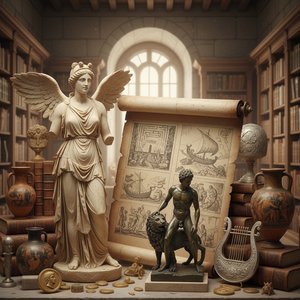
Timeless Legends: A Curated Guide to the Eternal Allure of Mythological Masterpieces
Embark on a sophisticated journey through the eternal allure of mythological art. Discover how master painters breathe life into ancient legends, from Greek deities to Baroque masterpieces, and learn to curate these timeless narratives within your own exquisite art collection.

Barok Schilderwerk: Top 10 Meesterwerken die een Beweging Definieerden | TopImpressionists
Ontdek de 10 meest invloedrijke meesterwerken van het Barok schilderwerk! Caravaggio, Rembrandt & Rubens – leer over hun techniek en passie. Vind museumkwaliteit reproducties & interieurinspiratie op TopImpressionists.com.

Jacob Jordaens: Baroque Dynamism & Genre Innovation of the Antwerp School
Discover Jacob Jordaens, a leading Flemish Baroque painter renowned for his dynamic compositions & realistic genre scenes. Explore his life, art, and lasting influence with TopImpressionists.
Ontdek kunstwerken georganiseerd op thema, stijl en kenmerk.


