


 Bekijk op ware grootte
 Verstuur
 Delen
Delen
 Details bekijken
 Gids voor studentenkunstwerken

 Download
 Vergelijkbare items
 Röntgenonderzoek
 Diavoorstelling
 Statistieken
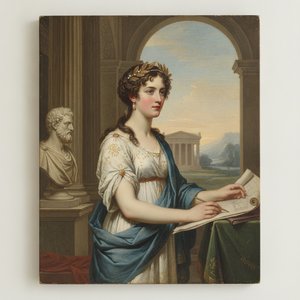
sappho and phaon

 Lees meer
Handgemaakte olieverfreproductie
Met de hand geschilderd in olieverf op canvas in uw gewenste maat en lijst, op bestelling gemaakt door onze kunstenaars. ( Schakel over naar print Schakel over naar digitale afbeeldingen)




P118B €10

P118H €10

P118W €10

P438Z €10

P508JH €12

P508YH €12

P805H €10

P805Z €10

P919BZ €10

P919G €10

P919XJ €10

P959ZH €10

P968JZ €12

W106C €8

W218G €10

W218JH €8

W218Y €10

W307PJ €10

W316G €10

W316PJ €8

W316Y €10

W398PJ €8

W4111J €10

W500HY €15

W500JH €15

W692G €12

W849H €8

W940BG €15

W953PJ €8




Standaardformaat
op maat gemaakt
CM
INCH
Kies uit onze vooraf ingestelde maten die overeenkomen met de originele verhoudingen van het kunstwerk.
Loading sizes...

breedte
hoogte
Voer de breedte en de hoogte in die u nodig heeft, passend bij uw lijst of uw muur. Dit is handgeschilderd, dus bij een afmeting met een andere vormverhouding kan de kunstenaar iets meer rondom het schilderij schilderen of juist iets meer weglaten — u kiest zelf. Wij sturen u een digitaal mockup ter goedkeuring voordat het schilderwerk begint. De afbeelding die op deze pagina wordt getoond, is niet het uiteindelijke resultaat — alleen de mockup geeft dit weer.
Voorbeelden van wat aangepast kan worden: Vervang het gezicht met een eigen foto; Voeg een huisdier toe (bijv. vervang de kat door een hond); Verwerk een verborgen boodschap in de achtergrond; Wijzig het landschap of andere elementen in de achtergrond.
Na de bestelling zal het team van TopImpressionists.com per e-mail contact opnemen met de klant voor instructies en een mockup-voorbeeld sturen.
Na de bestelling zal het team van TopImpressionists.com per e-mail contact opnemen met de klant voor instructies en een mockup-voorbeeld sturen.
Wereldwijde levering () binnen 3 tot 4 weken in plaats van de standaard 5 weken. (21 oktober). Zonder concessies aan de kwaliteit.

Gratis wereldwijde expressverzending

Hoogwaardig linnen canvas

Volledige verzendverzekering

Garantie op terugbetaling van invoerrechten

Garantie op exacte kleurweergave

Retourbeleid van 100 dagen (alleen bij defecten)

100% Geld-terug-garantie

Korting bij meerdere afnames
 De optie voor glas is alleen beschikbaar bij een formaat kleiner dan 110 cm.

sappho and phaon
Reproductiemethode
Formaat reproductie
-


Totaalprijs
€ 235
Jacques-Louis David’s ‘Sappho & Phaon’: A Symphony of Classical Idealism Amidst Tumultuous Times
Jacques-Louis David’s “Sappho & Phaon,” completed in 1809, stands as a testament to the enduring power of Neoclassical art—a beacon of serene beauty amidst the turbulent backdrop of Napoleon’s reign and the reverberations of the French Revolution. More than just a depiction of mythic love, this painting embodies David's unwavering commitment to classical ideals while subtly reflecting the anxieties and aspirations of his era.
The artwork portrays Sappho, revered poetess of Lesbos, reclining on a bed alongside Phaon, her admirer. The scene is bathed in soft light, emphasizing tranquility and intimacy—a deliberate contrast to the violent upheavals that gripped France during David’s lifetime. Two angelic figures flank the composition, lending an aura of divine grace and reinforcing the painting's moral seriousness.
Style & Technique: Embracing Classical Precision
David meticulously adhered to the tenets of Neoclassicism—a movement championed for its return to Greco-Roman artistic principles after the excesses of Rococo. His brushstrokes are deliberate, controlled, and strive for anatomical accuracy, mirroring the sculptural style favored by artists like Michelangelo. The artist skillfully employs chiaroscuro – dramatic contrasts between light and shadow – to sculpt form and heighten emotional impact. Observe how David renders Sappho’s delicate posture and Phaon's attentive gaze with remarkable detail.
Historical Context: Revolution & Romanticism Converge
"Sappho & Phaon" was created during a pivotal moment in European history—the Napoleonic era, following the overthrow of Louis XVI. While David championed Napoleon’s vision of order and grandeur, he simultaneously wrestled with the burgeoning Romantic movement's emphasis on emotion and imagination. The painting reflects this tension: its idealized depiction of love speaks to classical notions of beauty and virtue, yet it is imbued with a palpable sense of vulnerability and longing.
Symbolism & Narrative Depth
The mythological narrative itself carries significant symbolic weight. Sappho represents intellectual purity and artistic devotion—qualities valued by Neoclassical thinkers. Phaon embodies passionate desire and admiration, highlighting the complexities inherent in human relationships. The inclusion of angels underscores the painting’s moral dimension, suggesting that true love possesses a transcendent quality.
Emotional Impact: Tranquility Amidst Chaos
"Sappho & Phaon" transcends mere visual representation; it evokes profound emotion. The serene stillness of the scene invites contemplation and offers solace from the anxieties of its time. David’s masterful composition captures not only the physical beauty of the figures but also their inner states—a testament to his ability to convey complex psychological nuances through art. It remains a captivating image, demonstrating how classical ideals can inspire timeless artistic expression.
Vragen & Antwoorden
Wat verklaart de auteursrechtelijke status van "sappho and phaon" door Jacques-Louis David?
"sappho and phaon" door Jacques-Louis David is bevindt zich in het publiek domein - de auteursrechten zijn verlopen. De auteursrechtelijke bescherming loopt vanaf het overlijden van de kunstenaar, dat plaatsvond in 1800.
Hoe populair is "sappho and phaon" binnen Neoclassical Ideals?
"sappho and phaon" door Jacques-Louis David wordt geclassificeerd als Iconic en behoort tot de Neoclassical Ideals-stroming.
Hoe kan ik de afbeelding van "sappho and phaon" door Jacques-Louis David downloaden?
De afbeelding van "sappho and phaon" door Jacques-Louis David kan worden gedownload via de Downloaden pagina van het kunstwerk: een download van een digitale afbeelding in hoge resolutie.
Biografie van de kunstenaar
A Brushstroke Across Revolution: The Life and Art of Jacques-Louis David
Jacques-Louis David, geboren in Parijs in 1748, was meer dan alleen een schilder; hij was een visueel chroniqueur van een tijdperk gekenmerkt door opheffing, idealisme en de onvermoeibare zoektocht naar nieuwe orde. Zijn leven weerspiegelde de dramatische verschuivingen die zich afspeelden in Frankrijk – van de vervalende pracht van het Rococo tot de strenge helderheid van Neoclassicisme, en uiteindelijk doorheen de tumultueuze jaren van de revolutie en de Napoleontische glorie. Zijn jeugd was gekenmerkt door het vroege verlies van zijn vader en een aangeboren litteken dat aanvankelijk zijn spraak bemoeilijkte, wat slechts zijn waarnemingsvermogen scherper maakte en zijn onwrikbare toewijding aan artistieke meesterschap voedde. Hoewel hij aanvankelijk werd voltrokken door François Boucher, trok David snel de aandacht voor het meer moreel resonerende werk van Joseph-Marie Vien, wiens nadruk op geschiedenisschilderkunst en klassieke onderwerpen resoneerde met een groeiend gevoel van doel in de jonge kunstenaar. Zijn vroege pogingen om de prestigieuze Prix de Rome te winnen waren gevuld met frustratie, maar deze herhaalde mislukkingen intensificeerden zijn vastberadenheid, waardoor een meedogenloze perfectie streven werd gevormd dat kenmerkend zou zijn voor zijn hele carrière.De Geboorte van Neoclassieke Drama
Davids artistieke evolutie was niet alleen een stijlschuif; het was een filosofische verklaring. Hij verwerkte de frivole versiering en speelse thema’s van het Rococo, omarmde daarentegen de helderheid, orde en morele ernst die kenmerkend zijn voor de klassieke oudheid. Deze toewijding werd diep beïnvloed door archeologische ontdekkingen in Pompeï en Herculaneum, die een wereld van Romeinse kunst en architectuur onthulden die voorheen verloren was gegaan aan de tijd. Zijn doorbraak kwam met “Oath of the Horatii” (1784), een schilderij dat verder ging dan alleen artistieke vaardigheid om een symbool te worden van burgerlijke plicht en patriottistische opoffering. De strakke compositie, dramatische verlichting en nauwkeurige draftsmanship waren revolutionair, signalerend een beslissende scheiding van het verleden. Het was niet alleen *wat* hij schilderde, maar *hoe* – een bewuste constructie ontworpen om krachtige emotionele reacties op te wekken en contemplatie uit te lokken over thema’s als plicht, eer en zelfopoffering. Dit werk verkondigde niet alleen een nieuwe stijl; het voorspelde de ideologische stromingen die kort daarna Frankrijk zouden overspoelen.De Revolutie en Herinnering: Kunst als Politiek Wapens
Terwijl de Franse Revolutie in 1789 uitbrak, was David niet alleen een toeschouwer, maar een actieve deelnemer. Een fervent aanhanger van de revolutionaire zaak en een nauwere associatie van Maximilien Robespierre, zag hij kunst als een krachtig instrument om publieke opinie te vormen en de idealen van de nieuwe republiek te eren. Zijn schilderijen tijdens deze periode werden krachtige symbolen van revolutionaire marteling en republikeinse ijver. Misschien zijn meest iconische werk uit die tijd is “The Death of Marat” (1793), een aangrijpend realistisch portret van de vermoorde journalist, getransformeerd tot een seculiere heilige. Het schilderij’s strakke eenvoud – het bleke lichaam, de makeshift bureau, de doornenkruis in Marat's hand – verheft de scène tot een niveau van diep emotioneel resoneren. David diende in de Revolutiecommissie tijdens de Terreur en ondertekende zelfs Robespierre’s doodvonnis, waarmee hij zijn diepe betrokkenheid bij de politieke machinaties van de tijd demonstreerde.Van Revolutie naar het Keizerrijk: Dienst aan Napoleon
De val van Robespierre betekende een andere keerpunt in David's carrière. Met buitengewone aanpasbaarheid navigeerde hij door het verschuivende politieke landschap en bond hij zich aan Napoleon Bonaparte, werd de keischilder. Deze nieuwe patronage bracht een periode van opmerkelijke schaalcommissies die bedoeld waren om Napoleons overwinningen en prestaties te verheerlijken. “Napoleon Crossing the Alps” (1801-1805) is wellicht het meest beroemde voorbeeld – een meesterwerk van propaganda dat Napoleon presenteert als een heroïsche, bijna mythologische figuur die zowel de natuur als de tegenslagen overwint. “The Coronation of Napoleon” (1807), een enorm doek dat de pracht en praal van de keurceremonie vastlegt, versterkte Davids positie als de toonaangevende kunstenaar van het Napoleontische tijdperk verder. Tijdens deze periode verschof zijn palet subtiel naar warmere Venetiaanse kleuren terwijl hij de precisie en helderheid behield die zijn stijl kenmerken.Exil, Erfgoed en Duurzaam Invloed
De Bourbon Restauration in 1814 bracht nieuwe gevaren voor David, wiens associatie met de gevallen Napoleon hem een doelwit maakte van vervolging. Hij koos voor ballingschap in Brussel in 1816, waar hij bleef schilderen en lesgeven tot zijn dood op 29 december 1825. Zelfs in ballingschap bleef zijn invloed diep voelbaar. Hij trainde talloze leerlingen, waaronder Jean-Auguste-Dominique Ingres, die een van de meest invloedrijke neoclassieke schilders van de 19e eeuw zou worden. Davids nadruk op draftsmanship, compositie en historische nauwkeurigheid heeft een onuitwisbare stempel gedrukt op de Franse kunst. *Zijn nalatenschap gaat verder dan alleen imitatie*; zijn expressieve vervorming van vorm en ruimte voorspelde zelfs de innovaties van latere kunstenaars zoals Henri Matisse en Pablo Picasso. Jacques-Louis David was niet alleen een schilder van zijn tijd; hij *definieerde* het, vastleggend zijn geest van revolutie, ambitie en blijvende idealen op doek voor generaties lang.- Belangrijkste prestaties: Vestigde Neoclassicisme als de dominante stijl in Franse schilderkunst.
- Historische betekenis: Creëerde iconische beelden die het spirituele van de Franse Revolutie en de Napoleontische periode vastlegden.
- Invloed: Trainde een generatie invloedrijke kunstenaars die zijn nalatenschap voortzetten.

Jacques-Louis David
1748 - 1800 , Frankrijk
Snelle feiten
- Artistic Movement Or Style: Neoclassicisme
- Artists Or Movements Influenced By This Artist: ['Jean-Auguste-Dominique Ingres']
- Artists Who Influenced This Artist:
- Joseph-Marie Vien
- Raphael Mengs
- Date Of Birth: 30 augustus 1748
- Date Of Death: 29 december 1825
- Full Name: Jacques-Louis David
- Nationality: Frans
- Notable Artworks:
- Oath van de Horatii
- Dood van Marat
- Napoleon over de Alpen
- Place Of Birth: Parijs, Frankrijk
Gerelateerde artikelen
The Revival of Antiquity: Exploring Ideals of Beauty & Power in Neoclassical Portraiture
Explore the captivating world of Neoclassical portraiture! Discover the power & ideals behind masterpieces by David, Girodet & more. Expert analysis, custom reproductions & art appraisal at TopImpressionists.

Reason vs. Emotion: The Epic Clash of Neoclassicism and Romanticism in Art History
Explore the profound tension between Neoclassicism's rational order and Romanticism's emotional depth. An expert journey through the masters of art history, from David to Delacroix, perfect for collectors and enthusiasts seeking a deeper understanding of artistic evolution.

Jacques-Louis David: Neoclassical Ideals & Revolutionary Witness
Explore the life & art of Jacques-Louis David, leading Neoclassical painter of the French Revolution. Discover iconic works like 'The Death of Marat' and his lasting impact on art history. Expert analysis & high-quality reproductions at TopImpressionists.

The Revival of Antiquity: Exploring the Neoclassical Movement & its Enduring Legacy
Explore the revival of classical art with our deep dive into Neoclassicism! Discover key artists like Jacques-Louis David, Enlightenment influences & lasting impact on art history. High-quality reproductions at TopImpressionists.

Anne-Louis Girodet: Bridging Neoclassicism & Romanticism with Emotional Truth
Explore the captivating world of Anne-Louis Girodet, a pivotal figure bridging Neoclassicism & Romanticism. Discover his masterpieces and unique artistic vision with TopImpressionists.
Ontdek kunstwerken georganiseerd op thema, stijl en kenmerk.


