


 Bekijk op ware grootte
 Verstuur
 Delen
Delen
 Details bekijken
 Gids voor studentenkunstwerken

 Download
 Vergelijkbare items
 Röntgenonderzoek
 Diavoorstelling
 Statistieken
Fear, Expression Head
 Pastel
- WallArt
- Rococo
 Early Modern
 40.0 x 30.0 cm
 Louvre
A palpable sense of quiet turmoil radiates from this Rococo pastel study by Jean-Baptiste Greuze featuring a young woman's expressive gaze, inviting you to explore the profound emotional depth of this 18th-century masterpiece.
 Lees meer
"meta_description": "Jean-Baptiste Greuze (1725-1805): Een Franse schilder die bekend staat om zijn emotionele genrebeelden en portretten met een morele boodschap, een sleutelfiguur van de Rococo."
Giclée / Kunstafdrukken
Giclée- of canvasafdruk van museumkwaliteit met een snelle productie en flexibele afwerkingsmogelijkheden. ( Koop handgeschilderd kunstwerk Schakel over naar digitale afbeeldingen)




P118B €10

P118H €10

P118W €10

P438Z €10

P508JH €12

P508YH €12

P805H €10

P805Z €10

P919BZ €10

P919G €10

P919XJ €10

P959ZH €10

P968JZ €12

W106C €8

W218G €10

W218JH €8

W218Y €10

W307PJ €10

W316G €10

W316PJ €8

W316Y €10

W398PJ €8

W4111J €10

W500HY €15

W500JH €15

W692G €12

W849H €8

W940BG €15

W953PJ €8




Standaardformaat
op maat gemaakt
CM
INCH
Kies uit onze vooraf ingestelde maten die overeenkomen met de originele verhoudingen van het kunstwerk.
Loading sizes...

breedte
hoogte
Voer de breedte en de hoogte in die u nodig heeft, passend bij uw lijst of uw muur. Een afdruk kan alleen worden ingekort, nooit groter worden gemaakt dan het origineel, waardoor een formaat met een andere verhouding een deel van de afbeelding verliest. Wij sturen u een digitaal mockup ter goedkeuring voordat we iets drukken. De afbeelding op deze pagina toont niet de werkelijke uitsnede — dit is alleen te zien op het mockup.
Wereldwijde levering () binnen 2 weken in plaats van de standaard 4/5 weken. (23 oktober)

Gratis wereldwijde expressverzending

Hoogwaardig linnen canvas

Volledige verzendverzekering

Garantie op terugbetaling van invoerrechten

Garantie op exacte kleurweergave

Retourbeleid van 100 dagen (alleen bij defecten)

100% Geld-terug-garantie

Korting bij meerdere afnames
 De optie voor glas is alleen beschikbaar bij een formaat kleiner dan 110 cm.

Fear, Expression Head
Giclée / Kunstafdrukken
Formaat reproductie
-


Totaalprijs
€ 62
A Window into the Soul: The Intimacy of Greuze’s Pastel Study
In the delicate realm of Rococo artistry, few works capture the fleeting nuances of human emotion as poignantly as Jean-Baptiste Greuze’s Fear, Expression Head. This intimate pastel study, executed around 1755, serves as a profound testament to the artist's ability to transcend mere portraiture, venturing instead into the depths of psychological exploration. The artwork centers on a young woman whose presence is felt through a palpable sense of contemplation and quiet vulnerability. Her hair, styled in loose curls that cascade softly over her shoulders, paired with a draped white garment, lends an aura of understated elegance to the composition. Yet, it is not her outward adornment that commands attention, but rather the subtle, haunting flicker of emotion captured within her gaze.
Greuze’s mastery of the pastel medium is on full display here, utilizing the soft, powdery texture of the medium to achieve a breathtakingly delicate effect. Through meticulous rendering of light and shadow, he creates a sense of three-dimensional depth that breathes life into the subject's features. The artist employs subtle tonal gradations to illuminate the woman's face, drawing the viewer's eye to the slight furrow in her brow and her averted gaze. This intentional use of lighting—sourced from the upper left—heightens the inherent drama of the piece, casting soft shadows that emphasize the texture of her skin and the fine strands of her hair, making the subject feel remarkably present and alive.
The Language of Sentiment and Symbolism
Beyond its technical brilliance, Fear, Expression Head is a masterpiece of emotional storytelling. During the Rococo era, there was a burgeoning fascination with portraying human psychology and the moral dilemmas found within domestic life. Greuze deliberately moved away from the grand, often distant mythological narratives favored by his contemporaries, choosing instead to engage with the more relatable, sentimental sensibilities of his time. In this work, the subject's expression—a mixture of apprehension, thoughtfulness, or perhaps a sudden moment of inner turmoil—invites the viewer into a private, silent dialogue.
The symbolism within the piece is found not in overt objects, but in the subtle gestures of the face itself. The slightly parted lips and the tension held in the brow suggest a state of being caught between thought and reaction, embodying the very essence of "expression heads" or têtes d’expression that Greuze became famous for. For the collector or interior designer, this piece offers more than just aesthetic beauty; it provides a focal point of profound introspection. A high-quality reproduction of this work brings a sense of historical depth and emotional sophistication to any space, acting as a quiet yet powerful anchor that encourages moments of reflection and grace.
Vragen & Antwoorden
Wat verklaart de auteursrechtelijke status van "Fear, Expression Head" door Jean-Baptiste Greuze?
De auteursrechtstatus van "Fear, Expression Head" - bevindt zich in het publiek domein - de auteursrechten zijn verlopen - vloeit voort uit het overlijden van de kunstenaar in 1805.
Is "Fear, Expression Head" beschikbaar als een fine art print?
"Fear, Expression Head" is verkrijgbaar als een fine art print op katoenen canvas of archiefwaardig canvaspapier. Bestellingen kunnen worden geplaatst op de Fine Art Print pagina, in de door u gewenste afmeting.
Is er een download beschikbaar voor "Fear, Expression Head"?
"Fear, Expression Head" door Jean-Baptiste Greuze kan worden gedownload via de Downloaden-pagina van het kunstwerk, als een download van een digitale afbeelding in hoge resolutie.
Biografie van de kunstenaar
Jean-Baptiste Greuze: A Life Etched in Sentiment
Jean-Baptiste Greuze, geboren in de rustige Bourgondische stad Tournus in 1725, werd een onmiskenbare figuur in de Franse kunst van de achttiende eeuw. Zijn verhaal is één van opmerkelijke opkomst, gevoed door een innig talent voor het vastleggen van menselijke emoties en een scherp begrip van de groeiende sentimentele smaken van zijn tijd. In eerste instantie werd hij afgeraden om artistieke ambities na te streven door zijn vader, een zadelsmaker, maar vroeg opvoeding vond hij steun bij de Lyonse kunstenaar Grandon, die een vonk herkende die cultivering vereiste. Deze begeleiding bleek cruciaal, leidend tot studie eerst in Lyon en vervolgens, essentieel, aan de prestigieuze Koninklijke Academie in Parijs onder Charles-Joseph Natoire. Het was binnen deze heilige hallen dat Greuze zijn vaardigheden begon te verfijnen, hoewel hij vaak zijn eigen koers bewoog, afwijkend van de heersende academische nadruk op historische en mythologische onderwerpen.De Opkomst van een Genre Schilder
Greuze’s doorbraak kwam in 1755 met *Le Père de famille expliquant la Bible à ses enfants* (De Vader die het Bijbelverhaal uitlegt aan zijn kinderen). Dit werk was niet alleen een weergave van alledaagse gezinsleven; het was een uitdrukking van Verlichtingsidealen, portretterend familiale devotie en morele instructie. Het schilderij resonerde diep bij de tijdgenoten, vastleggend een geest van burgerlijke eerlijkheid die toenam in populariteit. Het werd aangekocht door de verfijnde verzamelaar Ange-Laurent de La Live de Jully en zette Greuze op het toneel. Hij volgde dit succes op met verdere genre scènes – intieme blikken op alledaagse leven doordrenkt van emotionele diepte en morele ondertonen. Een reis naar Italië in 1755, ondernomen met Abbé Gougenot, breidde zijn artistieke horizon uit, hoewel hij uiteindelijk meer inspiratie vond in de realiteiten van het Franse leven dan in klassieke oudheid. Zijn vermogen om oprecht gevoel – vreugde, verdriet, spijt – te oproepen, onderscheidde hem van vele van zijn tijdgenoten en vestigde hem als een toonaangevende figuur in de opkomende Rococo stijl, zij het met een duidelijke morele ondertoon.Meester van Emotie en Moreel Verhaal
Greuze’s artistieke kracht lag in zijn vermogen om verhalen te vertellen door middel van schilderkunst. Werken als *La Jeune Fille qui pleure son oiseau mort* (Het jonge meisje die haar dode vogeltje huilt) en *Savoyard avec une poupée qui danse* (Savoyarden met een dansende pop) zijn niet alleen portretten van kinderen; ze zijn exploraties van verdriet, onschuld en de complexiteit van menselijke ervaring. Hij bezat een buitengewone talent voor het vastleggen van subtiele nuances van expressie, oprecht verdriet en spijt te tonen met buitengewone gevoeligheid. Zijn composities waren vaak zorgvuldig ingericht, gebruikmakend van dramatisch licht en expressieve gebaren om emotioneel impact te versterken. Denis Diderot, een toonaangevende intellectueel van de Verlichting, werd een vurige pleitbezorger voor Greuze’s werk, prijzend zijn vermogen om “moraliteit in schilderkunst” vast te leggen. Echter, dit succes creëerde een dilemma voor de kunstenaar. Hij streefde ernaar erkend te worden als een historicus – de meest prestigieuze categorie binnen de Academie – en probeerde een overgang te maken met *Septimius Severus Reprochant Caracalla* (Septimius Sieraas die Caracalla aankijkt). Dit ambitieuze werk werd afgewezen door critici, en Greuze werd uiteindelijk alleen erkend als genre schilder, een beslissing die zijn trots diep verwondde.Later Jaren en Erfgoed
De afwijzing door de Academie markeerde een keerpunt in Greuze’s carrière. Hij trok zich terug van het exposeren op de Salon voor vele jaren, werd steeds meer reclusief en bitter. Zijn latere werken onderzochten vaak thema's van verleiding en morele overlast, soms zelfs openlijk sensueel. Deze schilderijen, hoewel technisch begaafd, misten de emotionele resonans en morele helderheid van zijn vroegere meesterwerken. Financiële moeilijkheden plagden zijn laatste jaren, een schril contrast met de eervolheid die hij ooit had genoten. Hij stierf in armoede binnen het Louvre zelf in 1805. Ondanks deze neergang blijft Jean-Baptiste Greuze’s invloed op de Franse kunst significant. Hij heeft een nieuwe vorm van genre schilderkunst gecreëerd die zich richtte op alledaags leven en universele menselijke emoties onderzocht. Zijn werk heeft het pad gevestigd voor latere kunstenaars die streefden om de realiteit van het dagelijks leven met eerlijkheid en gevoeligheid vast te leggen. Hij heeft een corpus achtergelaten dat nog steeds kijkers fascineert met zijn emotionele kracht, technische meesterschap en blijvende relevantie.Belangrijke Werken & Hun Betekenis
- Le Père de famille expliquant la Bible à ses enfants (1755): Een hoeksteen van zijn vroege succes, uitdrukkend Verlichtingsidealen van familiale devotie.
- La Jeune Fille qui pleure son oiseau mort (c. 1765): Demonstreert Greuze’s meesterschap in emotionele expressie en aangrijpend vertellen van verhalen.
- Savoyard avec une poupée qui danse (c. 1763): Vangt de geest en kwetsbaarheid van het kind, demonstrerend zijn vaardigheid in portretschilderkunst.
- Septimius Severus Reprochant Caracalla (1769): Een mislukte poging tot historische schilderkunst die zijn sterktes elders lag.
- La Fille à la loupe (c. 1770s): Vertegenwoordigt een verschuiving naar meer sensuele en moreel ambigue thema’s in zijn latere werk.

Jean-Baptiste Greuze
1725 - 1805 , Frankrijk
Snelle feiten
- Artistic Movement Or Style: Rocococo, Genre schilderkunst
- Artists Or Movements Influenced By This Artist: ['Neoclassicisme']
- Artists Who Influenced This Artist: ['Hollandse meesters']
- Date Of Birth: 1725
- Date Of Death: 1805
- Full Name: Jean-Baptiste Greuze
- Nationality: Frans
- Notable Artworks:
- Le Père de famille...
- Jonge meisje...
- Savoyard met pop
- Place Of Birth: Tournus, Frankrijk
Gerelateerde artikelen

10 Iconic Rococo Masterpieces That Defined an Era of Elegance
Step into the elegance of the 18th century. Explore 10 iconic Rococo masterpieces, from Fragonard to Watteau, through their stories and pastel beauty. Find museum-quality art reproductions and decor inspiration at TopImpressionists.com. Discover all masterpieces on TopImpressionists.com

The Elegance of Rococo Portraiture: A Journey Through Grace, Soft Light, and Pastel Dreams
Discover the exquisite world of Rococo portraiture. Explore the delicate beauty of 18th-century French art, from pastel light to graceful asymmetry, and learn how to bring this era of elegance into your home through masterfully hand-painted oil reproductions.
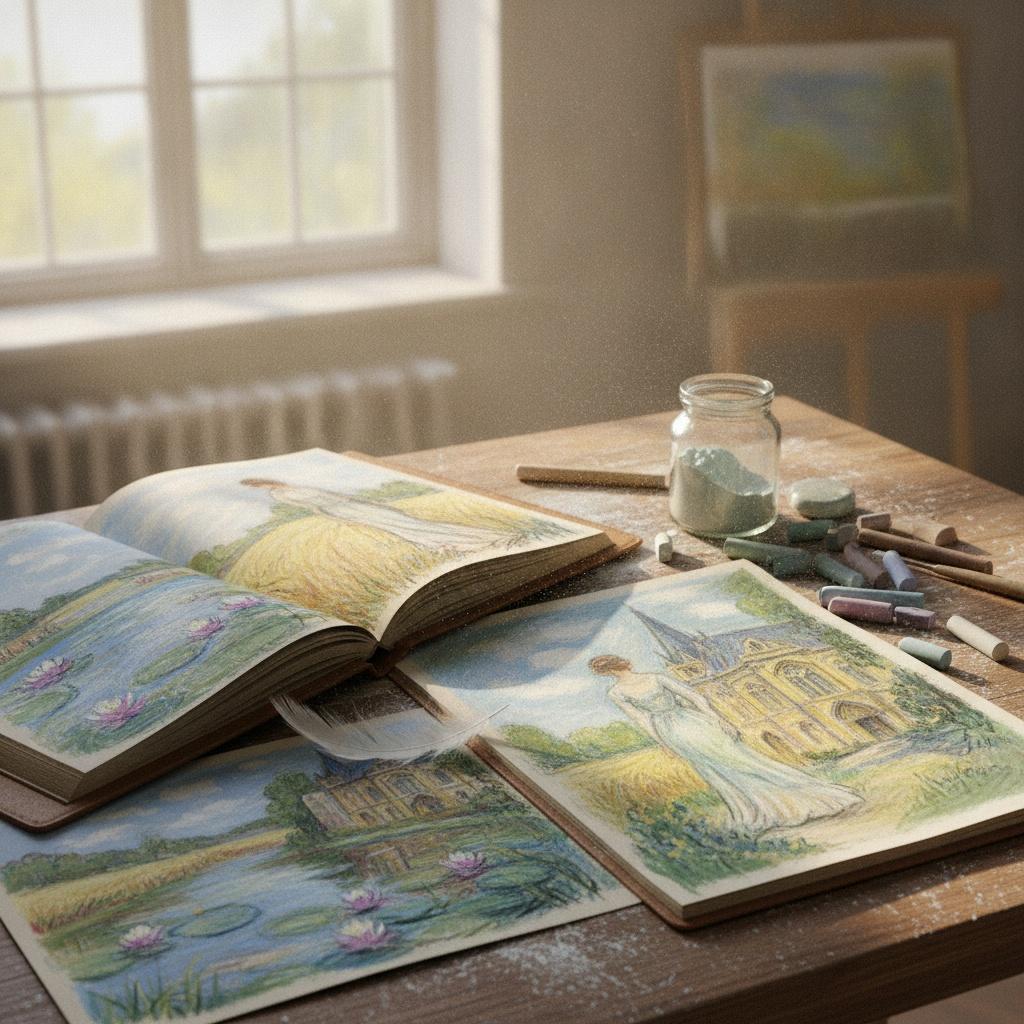
The Soft Magic of Chalk: Capturing Light, Texture, and the Ethereal Soul of Impressionist Masterpieces
Discover the ethereal beauty of pastel and chalk art. Explore how Impressionist masters like Van Gogh and Degas captured light and texture to create timeless, soulful masterpieces for the discerning collector.

10 Iconic Pastel Masterpieces That Revolutionized Art History
Journey through history with 10 iconic pastel masterpieces that redefined art. From Rococo elegance to Impressionist light, explore the stories behind these timeless works and find museum-quality reproductions for your decor. Discover all masterpieces on TopImpressionists.com.

Top 25 Masterpieces by David Moreau: A Journey Through Texture and Light
Immerse yourself in the tactile world of David Moreau. Explore our curated selection of his top 25 textured masterpieces, featuring heavy impasto and sculptural depth. Find museum-quality art reproductions for your collection. Discover all masterpieces on TopImpressionists.com.