

 Bekijk op ware grootte
 Verstuur
 Delen
Delen
 Details bekijken
 Gids voor studentenkunstwerken

 Download
 Vergelijkbare items
 Röntgenonderzoek
 Diavoorstelling
 Statistieken
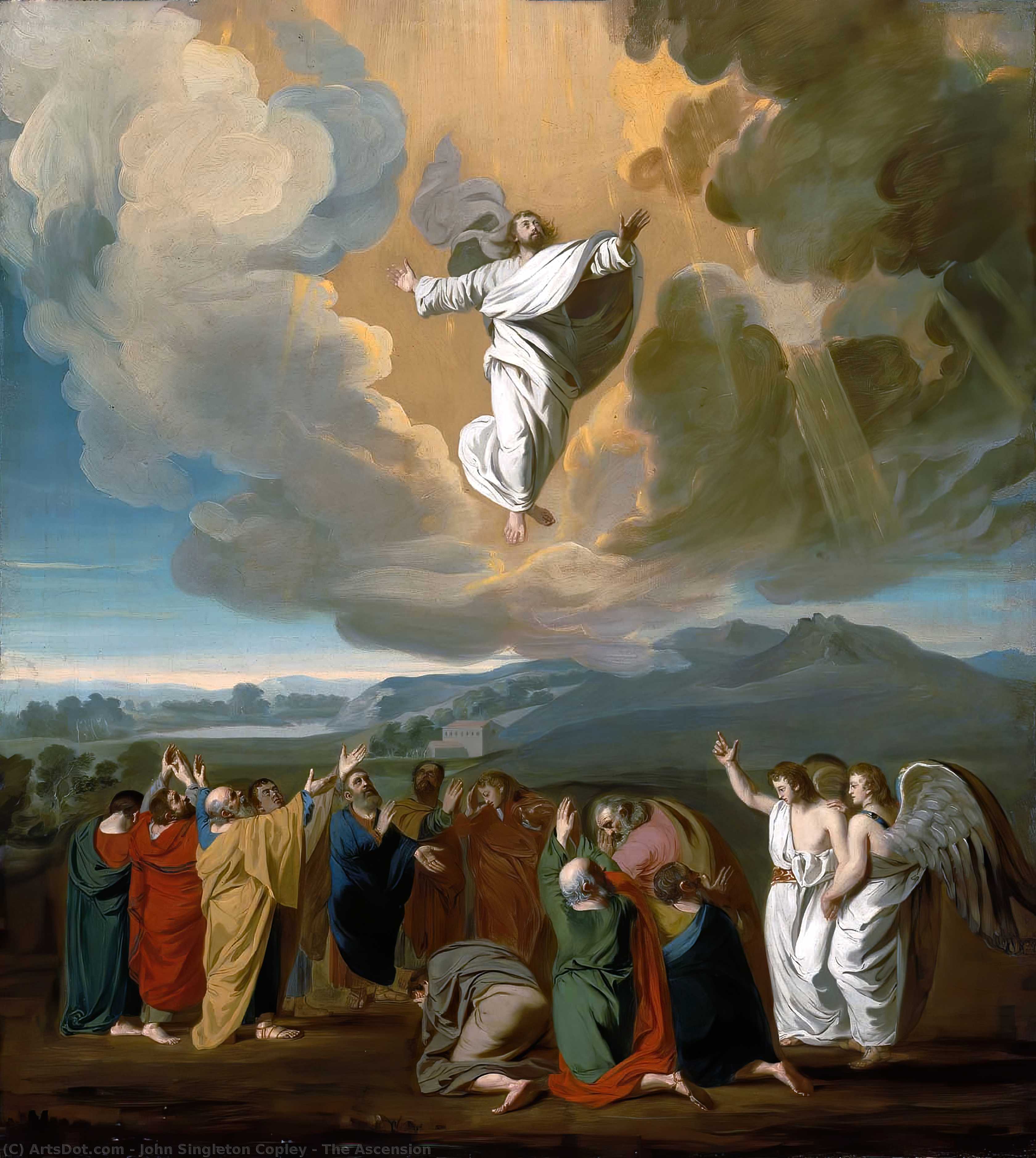
The Ascension
 Oil On Canvas
- WallArt
- Neo-Classical Style
 1775
1775 81.0 x 73.0 cm
Experience John Singleton Copley’s Neo-Classical masterpiece, "The Ascension," depicting Jesus's dramatic ascent with angels and clouds. A stunning 1775 oil on canvas artwork perfect for art lovers.
 Lees meer
John Singleton Copley (1738-1815): De baanbrekende Amerikaanse schilder, bekend om zijn gedetailleerde koloniale portretten en innovatieve historische scènes. Ontdek zijn meesterwerken!
Giclée / Kunstafdrukken
Giclée- of canvasafdruk van museumkwaliteit met een snelle productie en flexibele afwerkingsmogelijkheden. ( Koop handgeschilderd kunstwerk Schakel over naar digitale afbeeldingen)




P118B €10

P118H €10

P118W €10

P438Z €10

P508JH €12

P508YH €12

P805H €10

P805Z €10

P919BZ €10

P919G €10

P919XJ €10

P959ZH €10

P968JZ €12

W106C €8

W218G €10

W218JH €8

W218Y €10

W307PJ €10

W316G €10

W316PJ €8

W316Y €10

W398PJ €8

W4111J €10

W500HY €15

W500JH €15

W692G €12

W849H €8

W940BG €15

W953PJ €8




Standaardformaat
op maat gemaakt
CM
INCH
Kies uit onze vooraf ingestelde maten die overeenkomen met de originele verhoudingen van het kunstwerk.
Loading sizes...

breedte
hoogte
Voer de breedte en de hoogte in die u nodig heeft, passend bij uw lijst of uw muur. Een afdruk kan alleen worden ingekort, nooit groter worden gemaakt dan het origineel, waardoor een formaat met een andere verhouding een deel van de afbeelding verliest. Wij sturen u een digitaal mockup ter goedkeuring voordat we iets drukken. De afbeelding op deze pagina toont niet de werkelijke uitsnede — dit is alleen te zien op het mockup.
Wereldwijde levering () binnen 2 weken in plaats van de standaard 4/5 weken. (18 oktober)

Gratis wereldwijde expressverzending

Hoogwaardig linnen canvas

Volledige verzendverzekering

Garantie op terugbetaling van invoerrechten

Garantie op exacte kleurweergave

Retourbeleid van 100 dagen (alleen bij defecten)

100% Geld-terug-garantie

Korting bij meerdere afnames
 De optie voor glas is alleen beschikbaar bij een formaat kleiner dan 110 cm.

The Ascension
Giclée / Kunstafdrukken
Formaat reproductie
-


Totaalprijs
€ 61
The Ascension by John Singleton Copley: A Neo-Classical Masterpiece
- Subject Matter: “The Ascension” plunges the viewer into a pivotal moment of Christian faith – the divine lifting of Jesus Christ into the heavens. Depicted with dramatic intensity, the scene captures the awe and reverence associated with this foundational religious event.
- Artist: Created by the pioneering American artist John Singleton Copley (1738-1815), a figure whose career bridged the gap between British artistic traditions and the burgeoning identity of colonial America. His meticulous attention to detail and ability to convey both physical likeness and emotional depth are hallmarks of his work.
- Date: Executed in 1775, this painting reflects the stylistic currents of its time – specifically, the rise of Neo-Classicism within European art circles. This movement sought inspiration from the classical ideals of ancient Greece and Rome, emphasizing order, balance, and moral virtue.
Neo-Classical Composition and Technique
- Composition: Copley’s masterful composition adheres strictly to Neo-Classical principles. The scene is meticulously balanced, with Jesus at the visual center, surrounded by a carefully arranged group of figures – angels ascending, observers gazing upwards, and those engaged in acts of devotion. This deliberate arrangement guides the viewer's eye through the narrative, reinforcing the painting’s solemnity.
- Technique: The artwork is executed in oil on canvas, a technique favored by Copley for its ability to produce rich colors, subtle gradations, and a remarkable sense of texture. Notice the luminous quality of the clouds, skillfully rendered to convey both depth and ethereal beauty. The artist’s precise brushwork contributes to the painting's overall realism and dramatic effect.
- Color Palette: Copley employs a restrained yet impactful color palette dominated by blues, whites, and golds – colors traditionally associated with divinity and transcendence. These hues are used strategically to highlight key figures and create a sense of atmospheric perspective.
Historical Context and Symbolism
- Neo-Classical Movement: “The Ascension” stands as a significant example of the Neo-Classical movement, which was gaining momentum across Europe during the late 18th century. This style rejected the ornate excesses of the Baroque period in favor of clarity, rationality, and moral seriousness – values that resonated deeply with the intellectual currents of the time.
- Religious Significance: The painting’s subject matter—the Ascension of Jesus—is central to Christian theology. It represents a pivotal moment of salvation and offers a powerful visual representation of faith, hope, and divine grace.
- Influences: Copley's work draws inspiration from earlier religious paintings such as Raphael’s “The Vision of Ezekiel” and Guercino’s “Apparition of Christ to Saint Therese,” demonstrating his engagement with the rich tradition of Christian art.
Emotional Impact and Artistic Merit
- Dramatic Effect: Copley skillfully employs dramatic lighting and composition to evoke a sense of awe and wonder in the viewer. The clouds swirling around Jesus create an atmosphere of sublime beauty, while the figures’ expressions convey a range of emotions – from reverence to astonishment.
- Legacy: “The Ascension” is not merely a beautiful painting; it's a testament to Copley’s artistic genius and his ability to capture both the spiritual and emotional essence of a significant religious event. It remains a compelling work that continues to inspire admiration for its technical skill, compositional balance, and profound subject matter.
Vragen & Antwoorden
Onder welke andere namen is John Singleton Copley bekend?
Andere namen die bekend zijn voor John Singleton Copley, maker van "The Ascension", zijn onder andere Copley.
Is "The Ascension" door John Singleton Copley een bekend kunstwerk?
"The Ascension" door John Singleton Copley heeft een populariteitsniveau van Recognized. Deze classificatie weerspiegelt hoe breed het werk wordt erkend.
Hoe brengt "The Ascension" licht en donker in evenwicht?
De helderheid van "The Ascension" door John Singleton Copley is vastgelegd op balanced, met een luminantie van Soft Shadow.
Biografie van de kunstenaar
A Pioneer Bridging Worlds: The Life and Art of John Singleton Copley
John Singleton Copley, geboren in Boston in 1738, bevindt zich op een unieke en cruciale positie in de geschiedenis van de Amerikaanse kunst. Hij was niet zomaar een schilder; hij was een culturele brug, die tijdens een periode van immense politieke en sociale omwentelingen een distinct Anglo-Amerikaanse esthetiek vormde. Zijn verhaal is één van zelfgeleide briljantie, onvermoeibare ambitie en een buitengewone vaardigheid om niet alleen lijken te vastleggen, maar ook de essentie van zijn onderwerpen in de context van hun tijd te vangen. Copleys jeugd was doordrenkt met het bruisende maritieme leven van koloniale Boston, een stad vol kooplieden, scheepsbouwers en groeiende welvaart. Zijn vader, Richard Copley, afwezig kort na John’s geboorte, was een tabaks handelaar, terwijl zijn moeder, Mary Singleton Copley, een winkel runde aan Long Wharf. Deze omgeving instilled in young John an acute awareness of the material world – the textures of fabrics, the gleam of silver, the subtle nuances of social standing – all elements that would later define his artistic style. Zijn stiefvader, Peter Pelham, een graveur en limner (een kunstenaar die portretten maakte op vellum of perkament), bood enige initiële begeleiding, maar Copley’s talent was grotendeels zelfontwikkeld door zorgvuldige studie en oefening. Hij devoreerde alle beschikbare gravures, ze met uiterste precisie kopiërend om techniek te beheersen, en overtrof snel de vaardigheden van zijn stiefvader.The Rise of a Colonial Portraitist
Vanaf de jaren 1760 had Copley zich gevestigd als Boston’s toonaangevende portretschilder, die voor de elite van de stad werkte. Zijn succes was niet alleen te danken aan technische bekwaamheid; het was zijn vermogen om zijn portretten met een psychologische diepte in te prenten die zelden voorkwam in koloniale Amerikaanse kunst. Hij ging verder dan eenvoudige representatie, strevend naar het vastleggen van de karakter en sociale status van zijn onderwerpen. Dit vereiste minutieuze aandacht voor detail – het nauwkeurig weergeven van stoffen, sieraden en meubels – maar ook een scherp inzicht in houding, expressie en gebaar. Copleys portretten waren niet alleen beelden; ze waren verklaringen over rijkdom, macht en sociale aspiratie. Hij integreerde subtiel symbolische objecten in zijn composities, die op elegante wijze verwijzen naar de beroepen of interesses van zijn onderwerpen. Een koopman werd bijvoorbeeld afgebeeld met geïmporteerde goederen op de achtergrond, een advocaat met juridische teksten, of een admiraal met zeilen en navigatieinstrumenten. Deze aandacht voor detail en symboliek verhoogde zijn werk boven eenvoudige portrettuur, waardoor het een vorm van sociale commentaar werd. Zijn portretten van prominente figuren zoals *Mrs. Ezekiel Gondthwait (Elizabeth Lewis)* illustreren deze benadering – de elegante houding, luxueuze stoffen en subtiele details weerspiegelen alle een gevoel van verfijning en status.Ambition and the Call of Europe
Ondanks zijn succes in Boston koesterde Copley ambities die verder gingen dan de koloniale kunstwereld. Hij verlangde naar erkenning van de gevestigde artistieke kringen van Londen en Rome, en wilde zijn vaardigheden testen tegen de meesters van het Europese schilderkunst. In 1766 stuurde hij zijn *Boy with a Flying Squirrel* naar de Society of Artists in Londen, waar het werd ontvangen met aanzienlijke lof van Joshua Reynolds en Benjamin West – twee toonaangevende figuren in de Britse kunstwereld. Deze aanmoediging voedde Copley’s verlangen naar verdere training en blootstelling. Echter, familieverplichtingen en een bloeiend praktijk hielden hem voor nog een decennium verankerd in Boston. Ten slotte, in 1774, met zijn vrouw Susanna Farnsworth Clarke en hun kinderen, vertrok hij op reis naar Europa, met de bedoeling om de oude meesters te bestuderen en zich te vestigen als historische schilder. Het uitbreken van de Amerikaanse Revolutie kort daarna bemoeilijkte zaken, waardoor Copley zich moest navragen in een politiek gespannen omgeving terwijl hij zijn artistieke doelen nastreefde.Historical Narratives and Lasting Legacy
In Londen vond hij zowel kansen als uitdagingen. Hij bleef portretten schilderen, waarbij hij commissies ontving van prominente Britse figuren, maar richtte zich ook op historische schilderijen – een genre dat op het moment meer prestige geniet dan portretuur. Zijn meest ambitieuze werk in dit genre was *The Death of Major Peirson*, waarin een scène uit de Slag bij Jersey tijdens de Amerikaanse Revolutie werd vastgelegd. Hoewel technisch indrukwekkend, ontving het gemengde kritieken, met sommigen die betwijfelden over zijn compositie en dramatische impact. Copley’s latere historische schilderijen, zoals *The Colapse of the Earl of Chatham in the House of Lords*, waren succesvoller, en toonden zijn vermogen om complexe emoties en dramatische momenten vast te leggen. Hoewel hij nooit de erkenning bereikte die hij in Europa nastreefde, heeft John Singleton Copley een onuitwisbare stempel gedrukt op zowel de Amerikaanse als de Britse kunstgeschiedenis. Hij legde de basis voor een uniek Anglo-Amerikaanse stijl, door Europese technieken te combineren met een distinct Anglo-Amerikaans gevoel. Zijn portretten zijn van onschatbare waarde als historische documenten, die inzicht geven in het leven en de waarden van een vervlogen tijdperk. *Hij wordt niet alleen geroemd om zijn artistieke vaardigheid, maar ook voor zijn rol bij het vormgeven van een nationale identiteit door zijn kunst.* Hij stierf in Londen in 1815, waarbij hij een nalatenschap achterliet die tot op de dag van vandaag inspireert en aanspoort.Influences and Artistic Development
- Early Influences: Copley’s vroege artistieke ontwikkeling werd sterk beïnvloed door de gravures die hij met uiterste precisie kopieerde, met name die van Europese meesters zoals Rembrandt van Rijn en Antoine Watteau.
- Peter Pelham's Guidance: Zijn stiefvader, Peter Pelham, bood initiële begeleiding in portretschilderkunst en graveertechnieken, waardoor de basis werd gelegd voor zijn toekomstige succes.
- Joshua Reynolds & Benjamin West: De aanmoediging en feedback van deze toonaangevende Britse kunstenaars tijdens Copley’s vroege inzendingen naar Londense tentoonstellingen waren cruciaal in het vormgeven van zijn ambities en artistieke richting.
- Rococo Style: Copley begon aanvankelijk met de Rococo stijl, wat zichtbaar is in zijn gebruik van delicate kleuren, elegante poses en opvallende details. Echter, hij verplaatste zich geleidelijk naar een realistischer en ingetogen benadering.
- Historical Painting Inspiration: Zijn blootstelling aan historische schilderijen door Benjamin West inspireerde hem om dit genre te verkennen, hoewel hij moeite had om het volledig met zijn natuurlijke talent voor portretschilderkunst te verenigen.

John Singleton Copley
1738 - 1815 , Verenigd Koninkrijk
Snelle feiten
- Artistic Movement Or Style: Portretkunst, Realisme
- Artists Or Movements Influenced By This Artist: ['Volgende generaties']
- Artists Who Influenced This Artist:
- Rembrandt
- Watteau
- Date Of Birth: 1738
- Date Of Death: 1815
- Full Name: John Singleton Copley
- Nationality: Anglo-Amerikaans
- Notable Artworks:
- Earl van Chatham
- Mr. & Mrs. Izard
- Watson en de haai
- Place Of Birth: Boston, VK
Gerelateerde artikelen

De Blijvende Erfenis van Olieverf op Doek: Techniek, Geschiedenis en Hedendaagse Praktijk
Ontdek de rijke geschiedenis en technieken van olieverfschilderen. Van Renaissance meesterwerken tot moderne toepassingen, leer over pigmenten, glazuur en conservering.

The Enduring Power of Painting: A Historical & Contemporary Exploration of Form and Emotion
Explore the rich history & enduring techniques of oil painting with TopImpressionists. Discover masterpieces, learn about art collecting, and find authentic handmade reproductions crafted by skilled artists.

Oil on Canvas: A Historical & Technical Exploration of a Timeless Artistic Medium
Explore the rich history & enduring techniques of oil painting on canvas. Discover the science behind its longevity, conservation practices, and contemporary relevance. Expert insights for art enthusiasts.

The Enduring Legacy of Oil on Canvas: Technique, History & Aesthetic Impact
Explore the rich history & techniques of oil painting – from Renaissance masters to Impressionism. Discover pigments, layering methods, and why this timeless medium endures. Expert insights for artists & art enthusiasts.

Top 10 Meesterwerken Olieverf die de Kunst voorgoed Veranderden | TopImpressionists.nl
Ontdek de 10 meest legendarische olieverf meesterwerken die kunstgeschiedenis schreven! Van Van Gogh tot Rembrandt, leer over iconische technieken & emotionele impact. Vind museumkwaliteit reproducties en woondecoratie inspiratie op TopImpressionists.com.
Ontdek kunstwerken georganiseerd op thema, stijl en kenmerk.


