

 Voorvertoning
 Verstuur
 Delen
Delen
 Details bekijken
 Gids
Gids

 Download
 Vergelijkbare items
 Röntgenonderzoek
 Diavoorstelling
 Q&A
Q&A Statistieken
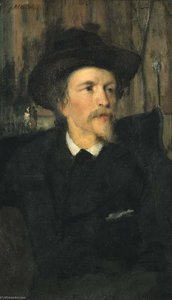
Face Reflected in a Mirror

- 61.0 x 34.0 cm


Discover Julian Alden Weir's 'Face Reflected in a Mirror,' an exquisite 1896 Impressionist painting capturing light, reflection & domestic intimacy at the Rhode Island School of Design Museum.
 Lees meer
Julian Alden Weir (1852-1919): Een Amerikaanse impressionist die met zijn serene landschappen en de ‘Tien’ een belangrijke rol speelde in de kunstwereld. Ontdek zijn nalatenschap op Weir Farm.
Giclée / Kunstafdrukken
Giclée- of canvasafdruk van museumkwaliteit met een snelle productie en flexibele afwerkingsmogelijkheden. ( Bestel handgeschilderde reproductie Schakel over naar digitale afbeeldingen)




P118B €10

P118H €10

P118W €10

P438Z €10

P508JH €12

P508YH €12

P805H €10

P805Z €10

P919BZ €10

P919G €10

P919XJ €10

P959ZH €10

P968JZ €12

W106C €8

W218G €10

W218JH €8

W218Y €10

W307PJ €10

W316G €10

W316PJ €8

W316Y €10

W398PJ €8

W4111J €10

W500HY €15

W500JH €15

W692G €12

W849H €8

W940BG €15

W953PJ €8




Standaardformaat
op maat gemaakt
CM
INCH
Kies uit onze vooraf ingestelde maten die overeenkomen met de originele verhoudingen van het kunstwerk.
Loading sizes...

breedte
hoogte
Voer de gewenste breedte en hoogte in, passend bij uw lijst of muur. Een afdruk kan alleen worden ingekort en nooit groter worden gemaakt dan het origineel; een formaat met andere verhoudingen zal daarom een deel van de afbeelding verliezen. Wij sturen u een digitaal mockup ter goedkeuring voordat we tot drukwerk overgaan. De afbeelding op deze pagina toont niet de werkelijke uitsnede — dit is alleen te zien op het mockup.
Wereldwijde levering () binnen 2 weken in plaats van de standaard 4/5 weken. (1 november)

Gratis wereldwijde expressverzending

Hoogwaardig linnen canvas

Volledige verzendverzekering

Garantie op terugbetaling van invoerrechten

Garantie op exacte kleurweergave

Retourbeleid van 100 dagen (alleen bij defecten)

100% Geld-terug-garantie

Korting bij meerdere afnames
 De optie voor glas is alleen beschikbaar bij een formaat kleiner dan 110 cm.

Face Reflected in a Mirror
Giclée / Kunstafdrukken
Afmetingen reproductie
-


Eindtotaal
€ 62
Face Reflected in a Mirror: A Glimpse into Intimacy and Impressionism
Julian Alden Weir's Face Reflected in a Mirror, painted in 1896, is a captivating work housed within the esteemed collection of the Rhode Island School of Design Museum of Art. This oil on canvas painting (61 x 34 cm) exemplifies Weir's mastery of Impressionism and offers a poignant exploration of domesticity, self-awareness, and the subtle nuances of human connection.
Artistic Style and Technique: Capturing Fleeting Moments
The artwork is firmly rooted in the principles of Impressionism. Weir eschews sharp lines and rigid forms, instead employing soft, feathery brushstrokes to capture the fleeting effects of light and atmosphere. The scene depicts two women – one gazing intently at her reflection in a mirror while the other stands discreetly behind her. This composition isn't merely about depicting a physical space; it’s about conveying a mood, an unspoken narrative. The use of oil on canvas allows for rich, vibrant colors and textures, contributing to the painting's overall luminosity. Notice how Weir uses subtle variations in tone to define form and create depth, particularly around the faces and drapery. The chair positioned near the left side adds a sense of spatial context and further enhances the intimate setting.
A Study in Reflection: Symbolism and Narrative
Beyond its aesthetic beauty, Face Reflected in a Mirror invites contemplation on deeper themes. The mirror itself serves as a powerful symbol – representing self-reflection, identity, and perhaps even vanity or introspection. The woman’s focused gaze suggests a moment of personal assessment, while the presence of the other woman hints at a relationship—a confidante, a sister, or simply an observer. Weir masterfully avoids explicit storytelling, leaving room for individual interpretation. The subdued color palette – dominated by muted yellows and greens with accents of black and white in the clothing – contributes to a sense of quiet contemplation and understated elegance. The scene evokes a feeling of domestic tranquility, yet there's also a subtle undercurrent of melancholy or solitude, adding complexity to the artwork’s emotional impact.
Julian Alden Weir: An American Impressionist
Julian Alden Weir (1852-1919) was a prominent figure in American art during the late 19th century. Born into an artistic family, he received formal training at the National Academy of Design and later studied in Paris with Jean-Léon Gérôme. While initially resistant to Impressionism, Weir eventually embraced its principles, becoming known for his lyrical landscapes and intimate genre scenes. He was a founding member of "The Ten," a group of American artists who sought to break away from traditional art institutions. His work can be found in numerous museums and private collections across the United States. Other notable works by Weir include Union Square, Girl in Black, and At the Piano, all showcasing his distinctive Impressionistic style.
Bringing Impressionism Home: A Reproduction for Your Space
Face Reflected in a Mirror is more than just a painting; it's an invitation to step into a moment of quiet reflection. A hand-painted reproduction allows you to experience the beauty and emotional depth of Weir’s masterpiece within your own home or office, adding a touch of timeless elegance and artistic sophistication. Visit TopImpressionists.com to explore our collection of high-quality reproductions.
Veelgestelde vragen
Waar kan ik de afbeelding van "Face Reflected in a Mirror" door Julian Alden Weir downloaden?
De afbeelding van "Face Reflected in a Mirror" door Julian Alden Weir is te downloaden op de Downloaden-pagina van het kunstwerk: een digitale afbeelding in hoge resolutie om te downloaden.
Zijn er werken die lijken op "Face Reflected in a Mirror"?
Op de Vergelijkbare werken-pagina van dit kunstwerk vindt u vergelijkbare werken als "Face Reflected in a Mirror" door Julian Alden Weir.
Wat is de kunsthistorische betekenis van "Face Reflected in a Mirror" door Julian Alden Weir?
Historisch gezien is "Face Reflected in a Mirror" een Impressionism werk uit het bredere 19th Century tijdperk.
Vergelijkbare kunstwerken




Biografie kunstenaar
Early Life and Artistic Foundations
Julian Alden Weir, geboren op 30 augustus 1852 in West Point, New York, erfde een artistieke erfenis die zijn pad diepgaand vormde. Zijn vader, Robert Walter Weir, was een gerespecteerd schilder en tekenleraar aan het Amerikaanse Militaire Academie, waardoor jonge Julian al vroeg een diepe waardering voor kunst ontwikkelde. Het huis zelf was een levendige studio, gevuld met de gereedschappen en inspiratie van een creatief leven. Deze voedende omgeving strekte zich uit tot zijn oudere broer, John Ferguson Weir, die ook een bekende landschapsschilder werd. Julian’s eerste formele training begon in 1870 aan de National Academy of Design in New York City, wat hem een solide basis bood in traditionele technieken. Echter, zijn reis naar Parijs in 1873 ontketste daadwerkelijk zijn artistieke ontwikkeling. Het studeren onder Jean-Léon Gérôme aan de École des Beaux-Arts onthulde academische strengheid en nauwkeurigheid, terwijl vriendschappen met kunstenaars zoals Jules Bastien-Lepage hem een breder perspectief gaven op de mogelijkheden van schilderkunst. In eerste instantie had Weir een sterke afkeer van de opkomende Impressionistische beweging, die hij afdoemde als gebrek aan vorm en structuur – “vreselijk”. Deze vroege weerstand bleek cruciaal te zijn, omdat zijn uiteindelijke omhelzing van het Impressionisme niet voortkwam uit onmiddellijke acceptatie, maar door een geleidelijke evolutie van begrip.The Connecticut Years and Artistic Transformation
Een keerpunt in Weir’s leven kwam aan de horizon met zijn huwelijk met Anna Dwight Baker in 1883 en hun daaropvolgende verhuizing naar Branchville, Connecticut. Hij kocht daar een boerderij, op zoek naar een terugtrekplek van de drukke kunstwereld van New York City. Deze landelijke omgeving werd meer dan alleen een toevluchtsoord; het was een bron van inspiratie. De rustige landschappen, de ritmes van het boerenleven en de intieme verbinding met de natuur begonnen subtiel zijn artistieke focus te verschuiven. Hoewel hij aanvankelijk bleef schilderen in portretten en stillevens in een traditionele stijl, voelde Weir zich steeds meer aangetrokken tot het vastleggen van de vluchtige effecten van licht en atmosfeer. Rond 1891 bloeide deze drang uit in een volwaardige omhelzing van het Impressionisme. Gevloed door collega’s zoals John Twachtman en Theodore Robinson, begon hij te experimenteren met gebroken penseelstreken, levendige kleurenpaletten en een nadruk op subjectieve waarneming. Dit was geen volledige afwijzing van zijn eerdere training; eerder was het een synthese van academische vaardigheid met de innovatieve geest van de nieuwe beweging. Zijn stijl oscilleerde vaak tussen puur Impressionistische expressie en een meer ingetogen tonalisme, waardoor hij een unieke visuele taal creëerde die hem onderscheidde van zijn tijdgenoten. Hij demonstreerde ook aanzienlijke talenten als etser, met name door zijn bekwame gebruik van aquatinttechnieken.A Leading Voice in American Art
Door de jaren ’80 had Julian Alden Weir zich gevestigd als een prominente figuur in de Amerikaanse kunstscene. Hij was een sleutelfiguur bij het vormen van “The Ten,” een groep van tien onafhankelijke kunstenaars die streefden naar hun eigen exposities buiten de grenzen van traditionele instituten zoals de National Academy of Design. Deze collectieve – bestaande uit kunstenaars als Childe Hassam, Willard Leroy Metcalf en Edmund Tarbell – vertegenwoordigde een significante stap richting artistieke autonomie en hielp de richting van de Amerikaanse schilderkunst te bepalen. In 1912 werd Weir gekozen als eerste president van de Association of American Painters and Sculptors, wat zijn leiderschapsrol binnen de kunstgemeenschap verder versterkte. Later diende hij als president van de National Academy of Design zelf, waarmee hij zowel progressieve als conservatieve facties van de kunstwereld respecteerde. Zijn belangrijkste werken uit deze periode – zoals *On the Shore* (1892), een levendige kustlandschap; *New England Barnyard* (1904), een charmante weergave van het platteland en *Upland Pasture* (1905) – illustreren zijn meesterschap in Impressionistische technieken en zijn vermogen om de essentie van Amerikaanse landschappen vast te leggen.Legacy and Enduring Influence
Julian Alden Weir’s bijdragen strekken zich verder uit dan zijn individuele schilderijen. Hij speelde een cruciale rol bij het overbruggen van de kloof tussen traditionele academische schilderkunst en de innovatieve geest van het Impressionisme, waardoor de weg vrijkwam voor toekomstige generaties Amerikaanse kunstenaars. Zijn toewijding aan artistieke autonomie via “The Ten” daagde gevestigde normen uit en hielp een meer diverse kunstlandschap te creëren. Vandaag de dag staat Weir Farm National Historic Site in Branchville, Connecticut, als een getuigenis van zijn leven en werk. Behield zoals het was tijdens zijn tijd, biedt de boerderij bezoekers een blik op de wereld die hem inspireerde – de uitgestrekte heuvels, de verweerde schuren en de rustige schoonheid van het platteland. De site dient niet alleen als een historisch monument, maar ook als een voortdurende bron van inspiratie voor kunstenaars van vandaag. Zijn familie’s artistieke erfenis – afkomstig van zijn vader Robert Walter Weir, een Hudson River School schilder – versterkt verder Julian Alden Weir’s plaats in de bredere context van de Amerikaanse kunstgeschiedenis. Hij stierf in New York City op 8 december 1919, achterlatend een oeuvre dat nog steeds fascineert en inspireert, ons eraan herinnert dat kunst de kracht heeft om de schoonheid en essentie van de wereld om ons heen vast te leggen.
Julian Alden Weir
1852 - 1919 , Verenigde Staten van Amerika
Belangrijkste feiten
- Artistic Movement Or Style: Impressionisme, Tonalisme
- Artists Or Movements Influenced By This Artist: ['The Ten']
- Artists Who Influenced This Artist:
- Gérôme
- Bastien-Lepage
- Date Of Birth: 30 aug 1852
- Date Of Death: 8 dec 1919
- Full Name: Julian Alden Weir
- Nationality: Amerikaans
- Notable Artworks:
- On the Shore
- Barnyard
- Pastuur
- Place Of Birth: West Point, USA
Gerelateerde artikelen

Capturing the Light: A Journey Through the Soul of American Impressionism and the Hudson River School
Explore the luminous beauty of American Impressionism and the Hudson River School. Discover a curated journey through light, landscape, and history, celebrating the enduring legacy of masters through exquisite, hand-painted oil reproductions for the discerning art lover.