


 Voorvertoning
 Verstuur
 Delen
Delen
 Details bekijken
 Gids
Gids

 Download
 Vergelijkbare items
 Röntgenonderzoek
 Diavoorstelling
 Statistieken
St Sebastian
 Oil On Panel
- WallArt
- Northern Renaissance
 1515
1515- Renaissance
 232.0 x 76.0 cm
 Musée d’Unterlinden
Explore Matthias Grünewald's masterpiece, St Sebastian (detail), a poignant depiction of martyrdom and faith from the Isenheim Altarpiece – a cornerstone of Northern Renaissance art.
 Lees meer
Matthias Grünewald: Een Duitse Renaissance-schilder bekend om de intense Isenheim Altapiece en zijn emotionele religieuze kunstwerken. Ontdek zijn unieke stijl!
Giclée / Kunstafdrukken
Giclée- of canvasafdruk van museumkwaliteit met een snelle productie en flexibele afwerkingsmogelijkheden. ( Bestel handgeschilderde reproductie Schakel over naar digitale afbeeldingen)




P118B €10

P118H €10

P118W €10

P438Z €10

P508JH €12

P508YH €12

P805H €10

P805Z €10

P919BZ €10

P919G €10

P919XJ €10

P959ZH €10

P968JZ €12

W106C €8

W218G €10

W218JH €8

W218Y €10

W307PJ €10

W316G €10

W316PJ €8

W316Y €10

W398PJ €8

W4111J €10

W500HY €15

W500JH €15

W692G €12

W849H €8

W940BG €15

W953PJ €8




Standaardformaat
op maat gemaakt
CM
INCH
Kies uit onze vooraf ingestelde maten die overeenkomen met de originele verhoudingen van het kunstwerk.
Loading sizes...

breedte
hoogte
Voer de gewenste breedte en hoogte in, passend bij uw lijst of muur. Een afdruk kan alleen worden ingekort en nooit groter worden gemaakt dan het origineel; een formaat met andere verhoudingen zal daarom een deel van de afbeelding verliezen. Wij sturen u een digitaal mockup ter goedkeuring voordat we tot drukwerk overgaan. De afbeelding op deze pagina toont niet de werkelijke uitsnede — dit is alleen te zien op het mockup.
Wereldwijde levering () binnen 2 weken in plaats van de standaard 4/5 weken. (26 oktober)

Gratis wereldwijde expressverzending

Hoogwaardig linnen canvas

Volledige verzendverzekering

Garantie op terugbetaling van invoerrechten

Garantie op exacte kleurweergave

Retourbeleid van 100 dagen (alleen bij defecten)

100% Geld-terug-garantie

Korting bij meerdere afnames
 De optie voor glas is alleen beschikbaar bij een formaat kleiner dan 110 cm.

St Sebastian
Giclée / Kunstafdrukken
Afmetingen reproductie
-


Eindtotaal
€ 61
A Vision of Martyrdom and Grace
In the quiet corridors of the Musée d'Unterlinden, there exists a painting that does not merely depict a scene, but breathes with the raw, unshielded intensity of human suffering and divine resilience. Matthias Grünewald’s St Sebastian, completed around 1515, is far more than a religious icon; it is a profound psychological landscape. At first glance, the viewer is struck by the visceral reality of the figure—a man caught in the agonizing intersection of physical torment and spiritual transcendence. Unlike many Renaissance depictions that favor idealized, classical beauty, Grünewald embraces a Northern European tradition of unflinching realism. The saint’s body, pierced by arrows, serves as a canvas for an exploration of pain, yet there is an undeniable elegance in his posture that suggests a soul already beginning its ascent toward the divine.
The composition is a masterclass in dramatic tension and atmospheric depth. Grünewald utilizes a somber, dark interior to push the figure of St. Sebastian into the immediate foreground, creating an intimacy that feels almost intrusive. Light plays a pivotal role here, streaming from a window on the left to sculpt the musculature of the torso and illuminate the wounds with a haunting clarity. This use of chiaroscuro—the dramatic interplay of light and shadow—does more than create three-dimensional form; it directs the viewer's emotional journey, pulling our eyes toward the crimson marks of martyrdom. The presence of a delicate vase of flowers on the periphery offers a poignant contrast, a fleeting whisper of natural beauty set against the heavy, eternal weight of the saint's sacrifice.
The Language of Symbolism and Technique
To gaze upon this masterpiece is to read a complex language of symbols deeply rooted in the late medieval and early Northern Renaissance consciousness. Each arrow embedded in the flesh is not merely a weapon of execution but a symbol of the piercing nature of faith and the shared suffering of Christ. The vibrant yet subdued palette, dominated by earthy tones and punctuated by sudden, startling flashes of red, mirrors the biological reality of blood and wound. Grünew nwald’s technique involves a meticulous layering of oil paint that creates an illusionistic surface, allowing the textures of skin, fabric, and light to feel palpably real. His brushwork, while precise in anatomical detail, possesses a rhythmic energy that captures the very vibration of life under duress.
For the discerning collector or interior designer, a reproduction of this work offers more than mere decoration; it provides a focal point of profound intellectual and emotional gravity. The painting’s ability to command a room lies in its duality—it is simultaneously unsettling and deeply comforting. It invites contemplation on themes of endurance, the beauty found within struggle, and the transformative power of devotion. Whether placed in a curated gallery setting or as a centerpiece in a sophisticated study, St Sebastian serves as a timeless testament to the human spirit's capacity to endure the unimaginable and emerge with a quiet, luminous dignity.
Veelgestelde vragen
Hoe kan ik een reproductie van "St Sebastian" door Matthias Grünewald bekijken?
Om een reproductie van "St Sebastian" door Matthias Grünewald te bekijken, opent u de Voorvertoning pagina van het kunstwerk.
Is "St Sebastian" door Matthias Grünewald een licht of een donker kunstwerk?
De helderheid van "St Sebastian" door Matthias Grünewald is vastgelegd op balanced, met een luminantie van Soft Shadow.
Op welke fase in de carrière van Matthias Grünewald komt de datum uit 1515 van "St Sebastian" overeen?
"St Sebastian", vervaardigd in 1515, behoort tot de Mature Period van de carrière van Matthias Grünewald.
Biografie kunstenaar
Matthias Grünewald: Leven en Nalatenschap
Vroege Leven en Artistieke Beginsels
Matthias Grünewald, geboren als Mathis Gothart Neithardt rond 1470-1475 in Würzburg, Duitsland, was een spilfiguur van de Duitse Renaissance. Ondanks het feit dat hij leefde in een tijdperk dat steeds meer werd beïnvloed door de idealen van de Italiaanse Renaissance, bleef Grünewald diep geworteld in de artistieke tradities van het laatmiddeleeuwse Centraal-Europa. Hoewel details over zijn vroege jaren schaars zijn, is bekend dat hij een opleiding als kunstenaar genoot, waarschijnlijk binnen lokale ateliers.
Artistieke Ontwikkeling en Invloeden
De artistieke ontwikkeling van Grünewald werd gevormd door de heersende Noord-Europese tradities van realisme, emotionele intensiteit en gedetailleerde observatie. Zijn werk vertoont invloeden van kunstenaars zoals Albrecht Dürer en Martin Schongauer, maar hij smeedde een uniek pad dat werd gekenmerkt door dramatische expressie en levendige kleuren. Hij was niet direct betrokken bij de humanistische kringen die in Italië floreerden; in plaats daarvan diende zijn kunst voornamelijk religieuze doeleinden, waarbij hij de spirituele angsten van zijn tijd weerspiegelde.
Belangrijke Werken en Artistieke Stijl
- Het Isenheimer Altaarstuk (1512-1516): Dit meesterwerk, ondergebracht in het Musée d'Unterlinden in Colmar, wordt beschouwd als het magnum opus van Grünewald. Het toont scènes uit het leven van Christus met een aangrijpend realisme, waarbij de focus met name ligt op lijden en verlossing.
- Mozes (1511): Een tekening die Grünewalds vaardigheid in het vastleggen van expressieve figuren en dramatische poses benadrukt.
De stijl van Grünewald onderscheidt zich door:
- Dramatische Compositie: Hij maakte gebruik van dynamische arrangementen om de emotionele impact te vergroten.
- Levendig Kleurenpalet: Zijn gebruik van intense, vaak contrasterende kleuren creëerde een krachtige visuele ervaring.
- Realistische Weergave van het Lijden: Grünewald schuwde het niet om de fysieke en emotionele pijn die verbonden is aan religieuze verhalen uit te beelden.
- Expressieve Figuren: Zijn figuren zijn doordrenkt met sterke emoties en psychologische diepgang.
Historische Betekenis en Nalatenschap
Het werk van Grünewald staat als een testament voor de blijvende kracht van middeleeuwse artistieke tradities in Duitsland tijdens de Renaissance. Hij overbrugde de kloof tussen de laatgotische stijl en de opkomende Renaissance, waarmee hij een unieke visuele taal creëerde die resoneerde met zijn tijdgenoten. Zijn invloed is terug te zien in latere Duitse kunstenaars die thema's van religieuze vurigheid en emotionele intensiteit bleven verkennen. Hoewel hij na zijn dood in 1528 eeuwenlang grotendeels vergeten was, beleefde Grünewald een heropleving in de 19e eeuw, en tegenwoordig wordt hij erkend als een van de belangrijkste schilders van de Duitse Renaissance. Zijn kunst blijft kijkers fascineren met zijn rauwe emotie, technische briljantie en diepe spirituele gelaagdheid.
Verdere Verkenning
Ontdek meer over het leven en de werken van Matthias Grünewald op: TopImpressionists

Matthias Grünewald
1480 - 1528 , Duitsland
Belangrijkste feiten
- Artistic Movement Or Style: Laatgotische schildertraditie
- Artists Or Movements Influenced By This Artist: ['Albrecht Dürer']
- Artists Who Influenced This Artist:
- Albrecht Dürer
- Martin Schongauer
- Date Of Birth: ca. 1475/80
- Date Of Death: 1528
- Full Name: Matthias Grünewald
- Nationality: Duits
- Notable Artworks:
- Het Isenheim Altarpiece
- De Kruisiging
- Place Of Birth: Würzburg, Duitsland
Gerelateerde artikelen

Matthias Grünewald: Devotion, Distortion & Spiritual Turmoil in Renaissance Art
Explore the profound religious art of Matthias Grünewald, master of the Isenheim Altarpiece. Discover his unique expressionism, symbolism & lasting impact on Renaissance painting. A guide for collectors and enthusiasts.
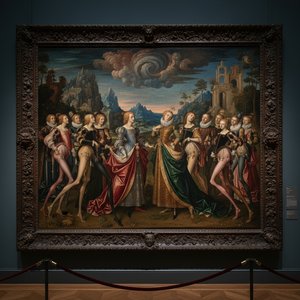
Northern Mannerism: The Dramatic Evolution of Renaissance Art and the Mastery of Elegant Distortion
Explore the dramatic evolution of Northern Mannerism. Discover how masters like Bosch and Grünewald transitioned from Renaissance harmony to profound, elegant distortion through an expert analysis of symbolism, emotional intensity, and artistic innovation.
Top 25 Meesterwerken: Een Reis door de Alte Pinakothek München | TopImpressionists
Ontdek de 25 meest iconische meesterwerken van de Alte Pinakothek München! Reis door de renaissance & barok met Rembrandt, Dürer en meer. Vind museumkwaliteit reproducties en inspiratie voor uw interieur op TopImpressionists.com.

El Greco's Top 25 Meesterwerken: Kunst, Geschiedenis & Decoratie voor Uw Huis
Ontdek de top 25 meesterwerken van El Greco! Duik in het leven en werk van deze renaissance schilder, zijn spirituele kunst & dramatische stijl. Vind museumkwaliteit reproducties voor uw interieur op TopImpressionists.com.

The Northern Renaissance: A Flourishing of Realism, Religious Reform & Artistic Innovation
Explore the Northern Renaissance! Discover Jan van Eyck's innovations, religious shifts, & key artists of this influential period. Expert analysis and insights into Early Netherlandish painting at TopImpressionists.
Ontdek kunstwerken georganiseerd op thema, stijl en kenmerk.


