

Getoond: · Inclusief lijst:
 Voorvertoning

 Verstuur
 Delen
 Details bekijken
 Informatieblad


 Download
 Vergelijkbare items
 Röntgenonderzoek
 Diavoorstelling
 Vraag & antwoord

 Statistieken
Found (Max Klinger)


Canvas- en fine art-prints vanaf €45 voor 36 x 28 cm
Handgeschilderde olieverfreproductie vanaf €224
- Gratis wereldwijde verzending binnen 3 tot 4 weken
- Prints op rol geleverd in 3 tot 4 weken
- 100 dagen bedenktijd, geld terug
- Beoordeeld met 4.9/5 door 241 klanten op ArtShopReviews.com
€ 69
Giclée / Kunstafdrukken
Giclée- of canvasafdruk van museumkwaliteit met een snelle productie en flexibele afwerkingsmogelijkheden. ( Impressionistisch olieverfschilderij Digitale kopie kopen
)
Materiaal en techniek
 Lees meer over
Onze budgetoptie: dezelfde afbeelding gedrukt op 260 g/m² polyester canvas in plaats van katoen, verzonden als rol in een koker via de reguliere post binnen 3 tot 4 weken. Alleen als rol (geen spanner, geen lijst) en zonder spoedproductie, voor afmetingen met minstens één zijde van 80 cm of minder. Ongeveer 30% goedkoper dan de katoenen canvasprint.
Niet beschikbaar voor deze maat: ten minste één zijde moet 80 cm of minder zijn.
Alleen gerold: kies voor de canvasrol in een koker om deze print te selecteren.
Beschikbaar voor afmetingen waarbij beide zijden 110 cm of minder zijn. Voor grotere afmetingen wordt de print op mat katoenen canvas gedrukt.
Mat archival canvas is niet beschikbaar voor deze afmeting: beide zijden moeten 110 cm of minder zijn. Uw print wordt in plaats daarvan gemaakt op mat katoenen canvas.
De optie voor glas is alleen beschikbaar bij een formaat kleiner dan 110 cm.
Formaat
·Kies uit onze vooraf ingestelde maten die overeenkomen met de originele verhoudingen van het kunstwerk.
Afmetingen laden...

breedte
hoogte
Voer de gewenste breedte en hoogte in, passend bij uw lijst of muur. Een afdruk kan alleen worden ingekort en nooit groter worden gemaakt dan het origineel; een formaat met andere verhoudingen zal daarom een deel van de afbeelding verliezen. Wij sturen u een digitaal mockup ter goedkeuring voordat we tot drukwerk overgaan. De afbeelding op deze pagina toont niet de werkelijke uitsnede — dit is alleen te zien op het mockup.
Standaardformaat
op maat gemaakt
CM
INCH
Afronden
·
Wit €1

Vervagende randen €1

Doorlopende rand €1

P118B €10

P118H €10

P118W €10

P438Z €10

P508JH €12

P508YH €12

P805H €10

P805Z €10

P919BZ €10

P919G €10

P919XJ €10

P959ZH €10

P968JZ €12

W106C €8

W218G €10

W218JH €8

W218Y €10

W307PJ €10

W316G €10

W316PJ €8

W316Y €10

W398PJ €8

W4111J €10

W500HY €15

W500JH €15

W692G €12

W849H €8

W940BG €15

W953PJ €8
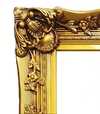
H24-GOLD €30
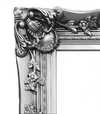
H24-SILVER €30
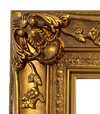
H36-GOLD €70
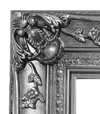
H36-SILVER €70
Verzonden in een beschermende koker, klaar om door uw eigen frameur te worden ingelijst.
Extra's
optioneelWat zijn de extra's precies?
Wereldwijde levering () binnen 2 weken in plaats van de standaard 4/5 weken. (24 december)
Spoedproductie en expresskoerier zijn niet beschikbaar voor de Economy poly-canvas print, die per gewone post wordt verzonden.
Beschermende vernislaag
Naamplaatje
Details van de gegraveerde bronzen plaat
Deze elegante plaquette bevat de naam van de kunstenaar en de titel van het kunstwerk, fijn gegraveerd voor een tijdloze presentatie.
Het is vervaardigd van brons met een verfijnde, elegante afwerking. De tekst is nauwkeurig met een laser gegraveerd voor een scherp en blijvend resultaat. Met een afmeting van 9x2 cm is de plaquette compact maar toch goed leesbaar. Hij is duurzaam en krasbestendig, wat zorgt voor een professionele uitstraling van museumkwaliteit. Het monteren is eenvoudig dankzij de meegeleverde zelfklevende achterzijde.
Details transparante acrylplaat
De plaquette bevat essentiële gegraveerde details zoals de naam van de kunstenaar, de titel van het kunstwerk, de datum van creatie, het gebruikte medium – zoals olieverf op canvas of aquarel – een korte beschrijving van het werk en een QR-code die linkt naar de volledige informatie over het kunstwerk.
Het is vervaardigd van transparant acryl, wat zorgt voor een strakke, moderne uitstraling. De tekst is met UV-gravure in het zwart aangebracht voor een sterk visueel contrast. Met een afmeting van 10x15 cm is de leesbaarheid optimaal. Het wordt geleverd met twee metalen haken voor een veilige wandmontage. De plaquette is weerbestendig ontworpen, waardoor deze geschikt is voor diverse omgevingen, en bevat interactieve functies die naadloos werken met het scannen van een smartphone.
Details zwarte acrylplaat
Deze elegante plaquette bevat gegraveerde informatie zoals de naam van de kunstenaar, de titel van het kunstwerk, de datum van creatie, het gebruikte medium (zoals olieverf op canvas of aquarel), een korte beschrijving van het kunstwerk en een QR-code voor snelle toegang tot meer informatie.
De plaquette zelf is vervaardigd van verfijnd zwart acryl met een hoogwaardige afwerking. De tekst is met een laser gegraveerd in het wit voor een hoog contrast en optimale leesbaarheid. De afmetingen zijn 10x15 cm, ontworpen voor een uitstekende leesbaarheid. Het wordt geleverd met twee metalen haken voor een professionele montage. Het ontwerp is strak en past in elke interieurstijl. Daarnaast is het weersbestendig en duurzaam, met ingebouwde digitale integratie voor mobiele compatibiliteit.
De optie voor glas is alleen beschikbaar bij een formaat kleiner dan 110 cm.
 De optie voor glas is alleen beschikbaar bij een formaat kleiner dan 110 cm.
- Gratis wereldwijde verzending binnen 3 tot 4 weken
- Hoogwaardig linnen canvas
- Volledige verzendverzekering
- Garantie op terugbetaling van invoerrechten
- Garantie op exacte kleurweergave
- 100 dagen bedenktijd, geld terug
- 100% Geld-terug-garantie
- Korting bij meerdere afnames


Found: Max Klinger en het Symbolism-moment
Two figures kneel in despair beneath a suspended form in this dramatic monochromatic etching filled with dense, swirling cross-hatching.
Max Klinger: biografie
Zijn Parodie op de vondst van een handschoen was geïnspireerd door een droom: bekijk hoe de handschoen in elke plaat verschijnt.
Over het kunstwerk
The Artwork Found by Max Klinger
In the quiet tension of Found, the viewer encounters a scene of profound emotional distress. Max Klinger, born in 1857 in Leipzig, Germany, presents a vision that feels caught in a moment of sudden, sharp anguish. The composition draws the eye upward through a pyramidal arrangement, where two figures kneel in supplication at the base. Above them, a third figure remains suspended on a rigid rectangular plane, creating a sense of unsettling verticality. The atmosphere is heavy with a feeling of helplessness, as if the figures are trapped within a swirling chaos of lines that refuse to settle.
The imagery suggests a narrative of torment or judgment, though the exact nature of the suffering remains a mystery. Shadows and highlights dance across the forms, emphasizing the intensity of the facial expressions and the physical strain of the subjects. There is a palpable sense of unease in the way the figures interact with the space around them. The scene does not offer the comfort of a clear light source, leaving the viewer to navigate the deep shadows and the turbulent, textured background that seems to pulse with internal turmoil.
Composition and Visual Elements
A heavy, pyramidal structure dictates the movement of the scene, pulling the eye upward through a tense arrangement of forms. At the base, two figures kneel in a state of supplication, their bodies anchoring the bottom of the triangle. Above them, a third figure remains suspended on a rigid, rectangular plane, creating a jarring contrast between the organic curves of the human forms and the unyielding geometry of the platform. This vertical tension holds the viewer in a state of suspended animation, caught between the grounded suffering below and the hovering presence above.
The background refuses to remain still. Dense, swirling lines churn through the space, suggesting a world in a state of constant, chaotic turmoil. These lines wrap around the figures, blurring the distinction between the subjects and the atmosphere surrounding them. Light and shadow dance unevenly across the scene, with deep, heavy blacks clashing against pale highlights to emphasize the emotional weight of the figures. The perspective feels strangely flattened, yet the layering of these dark, textured shapes creates a sense of depth that pulls the viewer into the center of the struggle.
Technique and Artistic Materials
The scene emerges from a monochromatic world, where every shadow and highlight relies on a careful dance of gray tones. This is the result of a meticulous printmaking process, likely an etching or an engraving. One can almost feel the physical resistance of the metal plate as the artist uses sharp etching needles to incise deep, deliberate lines into the surface. These marks do not merely outline forms; they build a dense, textured landscape through heavy cross-hatching that catches the light and holds the darkness in place.
The materials used in this creation speak to a tactile, hands-on labor. A metal plate, perhaps zinc or copper, receives the initial wounding of the needle, creating the channels that will eventually hold the ink. Once the incised lines are ready, ink is pressed into these grooves, transferring the soul of the plate onto paper. This method allows for a staggering level of detail, where the swirling, chaotic lines of the background and the sharp, angular contours of the figures emerge from the interplay of ink and fiber.
Style and Artistic Movement
The work breathes with the heavy, restless energy of late 19th-century Expressionism. Every line seems to vibrate with an internal tension, pushing beyond mere representation to capture a raw, psychological state. This approach finds a striking kinship with the visual language of Edvard Munch, where the external world bends and twists to mirror the turbulence of the human spirit. The figures do not simply exist in space; they appear caught in a moment of profound emotional upheaval, their forms shaped by the weight of what they feel rather than the strict rules of anatomy.
At its core, the piece is deeply rooted in the Symbolist movement. It moves away from the literalism of the natural world to explore the shadowy, subjective realms of the subconscious. Rather than depicting a clear, objective reality, the imagery functions through a language of signs and metaphors that point toward deeper, unseen truths. The atmosphere is thick with the sense of a dream or a nightmare, where the boundaries between the physical self and the internal psyche begin to dissolve into a swirl of dark, textured lines.
Emotional and Symbolic Themes
Anguish and fear pulse through the scene, casting a heavy shadow over the figures. A profound sense of desperation grips the viewer as the subject matter unfolds, depicting a moment of intense emotional distress and torment. The two kneeling figures at the base of the composition seem trapped in a state of supplication, their bodies conveying a deep-seated helplessness. Above them, a third figure remains suspended on a rigid rectangular plane, watching the suffering below. This triangular arrangement creates a palpable tension, suggesting a heavy power dynamic or the weight of an inevitable judgment.
Chaos swirls in the background, where dense, agitated lines churn like a storm. These movements suggest a state of inner turmoil or perhaps the presence of overwhelming external forces acting upon the souls depicted. The darkness and light do not merely define form; they heighten the psychological weight of the moment. Every line contributes to an atmosphere of unease, as if the very air around the figures is thick with their collective despair. The struggle feels immediate, caught in a perpetual state of spiritual or emotional crisis.
Related Works by Max Klinger
The shadows of the artist's imagination stretch into other graphic cycles, where the boundaries between reality and the subconscious continue to blur. In the series Paraphrase on the Finding of a Glove, a single lost object transforms into a potent fetish, triggering a sequence of dreamlike visions and unsettling encounters. This narrative exploration of desire and loss finds a musical counterpart in the Brahms Fantasies from 1894, where the artist translates the spirit of composition into visual form. These works reveal a mind preoccupied with the hidden currents of human longing and the irrational forces that govern our inner lives.
Other explorations move through the realms of myth and movement. The artist's hand traces the tension found in The Rape of Prometheus and the rhythmic energy of Preparation for the dance. Each piece acts as a window into a world where the physical and the psychological are inseparable. Whether through the meticulous lines of an etching or the heavy presence of a sculpture, the artist's vision remains fixed on the tension between the seen world and the unseen impulses that drive it.
Veelgestelde vragen
Is deze reproductie van Found met de hand geschilderd of is deze gedrukt?
Gedrukt: Found wordt gereproduceerd als een giclée-print op katoenen canvas of op Epson archiefwaardig canvaspapier.
Welke maat moet ik kiezen voor Found?
De afmetingen variëren van 36.3 x 27.5 cm (€45) tot 248.4 x 188.4 cm (€405); in de tabel op deze pagina vindt u de verschillende opties en de bijbehorende prijzen.
Hoe lang duurt de bezorging?
Een in een koker gerolde print wordt gratis per gewone post verzonden en komt binnen 3 tot 4 weken aan; een opgespannen of ingelijste print heeft een levertijd van 4 tot 5 weken. Express-koeriersbezorging is uitsluitend mogelijk met de betaalde optie Express Delivery die op deze pagina wordt aangeboden. U kunt het artikel binnen 100 dagen zonder voorwaarden retourneren voor een volledige terugbetaling.
Welk medium heeft Max Klinger gebruikt voor Found?
Etching
Snelle feiten en kunstquiz
Over Max Klinger

Max Klinger
1857 - 1920, Duitsland
Over Max Klinger: leven, werk en biografie
Snelle feiten over Max Klinger
- Artistic Movement Or Style: Symbolisme
- Artists Or Movements Influenced By This Artist:
- Expressionisme
- Surrealisme
- Artists Who Influenced This Artist:
- Menzel
- Gova
- Date Of Birth: 1857
- Date Of Death: 1920
- Full Name: Max Klinger
- Nationality: Duits
- Notable Artworks:
- Paraphrase Glove
- Beethoven sculptuur
- De Bul
- Place Of Birth: Leipzig, Duitsland
Ontdek kunstwerken georganiseerd op thema, stijl en kenmerk.


Max Klinger
Found
() ·
Inclusief lijst: ·
Totaalbedrag