

 Voorvertoning
 Verstuur
 Delen
Delen
 Details bekijken
 Gids
Gids

 Download
 Vergelijkbare items
 Röntgenonderzoek
 Diavoorstelling
 Vraag & antwoord
 Statistieken
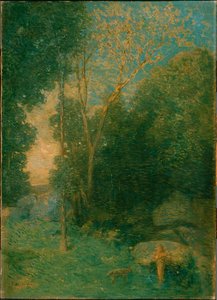
INTERIEUR DE FORET (COMPIEGNE)


Discover 'Interieur de Foret (Compiegne)' by Paul Huet – a captivating Romantic landscape painting. Explore its atmospheric brushstrokes, forest scene & human element. #art #landscapepainting #frenchart
 Lees meer
Paul Huet (1803-1869) was een Franse landschapsschilder, bekend om zijn Romantische stijl en invloed op de Barbizon- en impressionistische kunstenaars. Ontdek zijn evocatieve aquarellen en olieverfschilderijen.
Giclée / Kunstafdrukken
Giclée- of canvasafdruk van museumkwaliteit met een snelle productie en flexibele afwerkingsmogelijkheden. ( Bestel handgeschilderde reproductie Schakel over naar digitale afbeeldingen)




P118B €10

P118H €10

P118W €10

P438Z €10

P508JH €12

P508YH €12

P805H €10

P805Z €10

P919BZ €10

P919G €10

P919XJ €10

P959ZH €10

P968JZ €12

W106C €8

W218G €10

W218JH €8

W218Y €10

W307PJ €10

W316G €10

W316PJ €8

W316Y €10

W398PJ €8

W4111J €10

W500HY €15

W500JH €15

W692G €12

W849H €8

W940BG €15

W953PJ €8




Standaardformaat
op maat gemaakt
CM
INCH
Kies uit onze vooraf ingestelde maten die overeenkomen met de originele verhoudingen van het kunstwerk.
Loading sizes...

breedte
hoogte
Voer de gewenste breedte en hoogte in, passend bij uw lijst of muur. Een afdruk kan alleen worden ingekort en nooit groter worden gemaakt dan het origineel; een formaat met andere verhoudingen zal daarom een deel van de afbeelding verliezen. Wij sturen u een digitaal mockup ter goedkeuring voordat we tot drukwerk overgaan. De afbeelding op deze pagina toont niet de werkelijke uitsnede — dit is alleen te zien op het mockup.
Wereldwijde levering () binnen 2 weken in plaats van de standaard 4/5 weken. (3 november)

Gratis wereldwijde expressverzending

Hoogwaardig linnen canvas

Volledige verzendverzekering

Garantie op terugbetaling van invoerrechten

Garantie op exacte kleurweergave

Retourbeleid van 100 dagen (alleen bij defecten)

100% Geld-terug-garantie

Korting bij meerdere afnames
 De optie voor glas is alleen beschikbaar bij een formaat kleiner dan 110 cm.

INTERIEUR DE FORET (COMPIEGNE)
Giclée / Kunstafdrukken
Afmetingen reproductie
-


Eindtotaal
€ 62
The Enveloping Mystery of the Woodland
To stand before Paul Huet’s depiction of an interior forest—Intérieur de Forêt (Compiègne)—is not merely to observe a landscape; it is to step through a veil into a moment suspended between light and shadow. The painting immerses the viewer in the profound, almost palpable atmosphere of a dense woodland. Huet masterfully captures the overwhelming presence of nature, where the vertical thrust of countless tree trunks creates an architectural rhythm, guiding the eye deep into the cool embrace of the woods. This is a scene steeped in the Romantic sensibility, suggesting that the forest itself is a character, whispering secrets only to those who listen closely.
A Study in Light and Atmosphere
Technically, Huet’s handling of oil paint is breathtakingly evocative. One can almost feel the texture beneath the surface; the visible brushstrokes speak to an artist deeply engaged with his medium, prioritizing feeling over flawless polish. The light here is not direct but diffused—a celestial curtain filtering through a thick canopy overhead. This dappled illumination creates pockets of ethereal brightness on the forest floor and catches the edges of foliage, giving the scene a luminous quality despite its deep shadows. The palette relies heavily on earthy greens and rich browns, punctuated by those brilliant, almost accidental touches of yellow and white that suggest hope or revelation within the gloom.
Romantic Echoes and Human Presence
Historically, this work situates itself perfectly within the currents of 19th-century Romanticism. Huet, a pioneer whose vision bridged the gap between academic training and the burgeoning spirit of Impressionism, understood that nature was a mirror for the human soul. The inclusion of a small figure, subtly placed near the lower right corner, is crucial. This solitary presence acts as an anchor, providing scale and narrative focus against the immensity of the woods. It suggests contemplation—a moment where humanity pauses before the sublime power of the natural world, finding both solitude and companionship within its embrace.
Symbolism for the Modern Sanctuary
For the contemporary collector or designer, this piece transcends mere decoration; it functions as an emotional conduit. The forest setting symbolizes retreat, introspection, and the enduring connection to something wild and untamed. It speaks to a modern yearning for sanctuary—a place away from the clamor of urban life. Reproducing Intérieur de Forêt allows one to bring that sense of hushed tranquility into a formal interior space, transforming a room into a contemplative haven. The artwork doesn't shout its beauty; it whispers it, inviting quiet reflection upon its textured, deeply atmospheric surface.
Veelgestelde vragen
Met welke techniek is "INTERIEUR DE FORET (COMPIEGNE)" gemaakt?
"INTERIEUR DE FORET (COMPIEGNE)" is uitgevoerd in Oil On Canvas.
Waar kan ik het originele werk "INTERIEUR DE FORET (COMPIEGNE)" door Paul Huet bewonderen?
"INTERIEUR DE FORET (COMPIEGNE)" door Paul Huet is te zien in Louvre, Paris, France. De vermelding van het museum heeft betrekking op het originele werk, niet op reproducties.
Is "INTERIEUR DE FORET (COMPIEGNE)" typerend voor het werk van Paul Huet?
"INTERIEUR DE FORET (COMPIEGNE)" verbeeldt forest landscape, romantic art, natural scene, atmospheric view, tree silhouettes, human figure, tranquil nature, dark woods, terwijl de bekende thema's van Paul Huet key work in huet's career, demonstrates romantic vision, influential on impressionists, romantic landscape tradition, french barbizon school style, emphasis on atmospheric mood, connection to nature's power, solitude and reflection zijn. Een vergelijking tussen beide laat zien hoe het werk zich verhoudt tot de gebruikelijke onderwerpen van de kunstenaar.
Vergelijkbare kunstwerken



Biografie kunstenaar
Paul Huet: Een Pionier van het Romantische Landschap
Paul Huet (1803-1869) staat te boek als een cruciale, maar vaak onderbelichte figuur in de 19e-eeuwse Franse kunst – een landschapsschilder die zowel de School van Barbizon als de opkomende impressionisten diepgaand heeft beïnvloed. Geboren in Parijs te midden van een bloeiend artistiek klimaat, was de reis van Huet er een van onvermoeibare observatie, een diepe verbondenheid met de natuur en een bewuste afwijzing van de heersende neoclassicistische trends. Zijn werk was niet louter een weergave van het landschap; het was een poging om de essentie van licht, atmosfeer en de vluchtige schoonheid van de natuurlijke wereld te vangen, een streven dat zijn plaats als een sleutelinnovator in de Franse schilderkunst definitief vestigde.Vroege Invloeden en Artistieke Vorming
De artistieke ontwikkeling van Huet begon met een stevige basis in traditionele technieken. Hij ontving zijn eerste instructies van Jean-Julien Deltil, een voormalig leerling van Jacques-Louis David, gevolgd door studies aan de École des Beaux-Arts onder leiding van Pierre Guérin en Antoine-Jean Gros. Cruciaal was het moment waarop zijn pad kruiste met dat van Richard Parkes Bonington, een medestudent in het atelier van Gros. Deze ontmoeting bleek transformatief. Boningtons benadering van en plein air schilderen – direct werken vanuit de natuur – fascineerde Huet en leidde ertoe dat hij de rigide formaliteit van het neoclassicisme losliet om een meer spontane en observerende stijl te omarmen. De Britse landschappen die in de Salon van 1824 werden tentoongesteld, werkten als een openbaring; het vermogen van John Constable om frisheid en weelderige schoonheid weer te geven zonder terug te vallen op donkere schaduwen of kunstmatigheid, resoneerde diep met Huet en vormde zijn eigen artistieke filosofie. Hij beschreef het werk van Constable beroemd als “misschien wel de eerste keer dat men de frisheid voelde, dat men een weelderige, groene natuur zag, zonder zwartheid, ruwheid of maniërisme.”De Barbizon-stijl en de Nederlandse Meesters
Huets stijl evolueerde door een fascinerende synthese van invloeden. Aanvankelijk imiteerde hij de aquareltechniek van Bonington, maar zijn artistieke gevoeligheid reikte veel verder dan louter nabootsing. Hij putte inspiratie uit de atmosferische landschappen van Nederlandse meesters zoals Jacob van Ruysdael en Meindert Hobbema, in het bijzonder hun meesterlijke gebruik van licht en kleur om stemming en atmosfeer over te brengen. Deze bewondering voor de Oude Meesters voedde zijn eigen benadering, wat resulteerde in schilderijen die een stille waardigheid en een opmerkelijk gevoel van realisme bezaten – niet fotografisch, maar diep gevoeld. Zijn werk uit deze periode werd gekenmerkt door een bewuste afwijzing van academische conventies, waarbij hij de voorkeur gaf aan losse penseelstreken, levendige kleuren en een nadruk op het vastleggen van de directe impressie van de natuur.Erkenning in de Salon en Politieke Betrokkenheid
De artistieke carrière van Huet kreeg vaart met zijn debuut in de Salon van 1827, waar een van zijn acht ingezonden werken werd geaccepteerd. Hij bleef gedurende de jaren 1830 en 40 regelmatig exposeren in de Salon, waarmee hij gestaag een reputatie opbouwde onder critici en verzamelaars. Eugène Delacroix, een medeartiest en goede vriend, steunde het werk van Huet en herkende de unieke kwaliteiten ervan. Daarentegen bood Étienne-Jean Delécluze een kritischer perspectief; hij zag Huet als iemand die te toegewijd was aan Constable en Turner, waardoor hij soms fundamentele ontwerpprincipes verwaarloosde. Naast zijn artistieke ambities was Huet een actieve deelnemer aan de Julirevolutie van 1830 en raakte hij later betrokken bij de republikeinse politiek, wat het turbulente sociale en politieke klimaat van het Frankrijk van die tijd weerspiegelde. Zijn toewijding aan deze idealen leverde hem erkenning op van koning Lodewijk Filips, die hem in 1844 een paar Sèvres porseleinen vazen schonk, en een gouden medaille op de Salon van 1848.Nalatenschap en Artistieke Betekenis
De impact van Paul Huet op de Franse landschapsschilderkunst is aanzienlijk. Zijn innovatieve gebruik van aquarel – niet alleen voor schetsen, maar als primair medium voor voltooide werken – toonde het potentieel aan om een opmerkelijke diepte en rijkdom te bereiken, die vaak aan olieverfschilderijen deed denken. Hij was een vroege voorstander van de plein-air schilderkunst, waarbij hij directe observatie van de natuur boven atelierwerk stelde. Belangrijker nog is dat Huets nadruk op het vastleggen van de vluchtige effecten van licht en atmosfeer een diepgaande invloed had op de School van Barbizon en later op de impressionisten. Kunstenaars als Théodore Rousseau en Jean-François Millet, die streefden naar het schilderen rechtstreeks vanuit de natuur met een focus op het landelijke leven en landschappen, hebben een schuld aan Huets pionierswerk. Zijn oeuvre staat als een testament voor de kracht van observatie, de schoonheid van eenvoud en de blijvende aantrekkingskracht van het vangen van de essentie van de natuurlijke wereld. Hij stierf in 1869 in Parijs, en liet een substantiële collectie werken na die kijkers tot op de dag van vandaag blijven boeien met hun evocatieve atmosfeer en diepe verbondenheid met de natuur.
Paul Huet
1803 - 1869 , Frankrijk
Belangrijkste feiten
- Artistic Movement Or Style: Romantisch Landschap
- Artists Or Movements Influenced By This Artist:
- Barbizonse School
- Impressionisten
- Artists Who Influenced This Artist:
- Rembrandt
- John Constable
- Eugène Delacroix
- Date Of Birth: 1803-10-03
- Date Of Death: 1869-01-08
- Full Name: Paul Huet
- Nationality: Frans
- Notable Artworks:
- A Villa Near Rome
- Effet du Soir
- Sous bois avec un étang
- Place Of Birth: Parijs, Frankrijk
Gerelateerde artikelen

Capturing the Soul: The Emotional Magic and Sublime Grandeur of Romantic Landscape Painting
Explore the profound emotional depth of Romantic landscape painting. Discover how masters like Friedrich and Turner captured the sublime through light, shadow, and nature's power in this expert art history retrospective for discerning collectors.
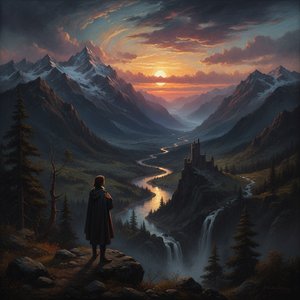
Capturing the Soul: The Emotional Majesty and Sublime Power of Romantic Landscape Painting
Explore the profound emotional depth of Romantic landscape painting. Discover how masters like Turner and Friedrich captured the sublime power of nature through intuition and imagination in this expert art history retrospective.