


 Bekijk op ware grootte
 Verstuur
 Delen
Delen
 Details bekijken
 Gids voor studentenkunstwerken

 Download
 Vergelijkbare items
 Röntgenonderzoek
 Diavoorstelling
 Statistieken
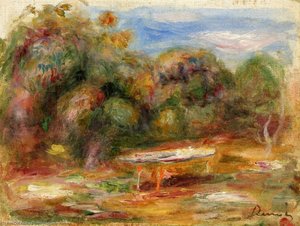
Cagnes Landscape


This artwork showcases Renoir's signature style – characterized by soft brushstrokes and vibrant hues – reflecting his fascination with capturing the essence of natural beauty.
 Lees meer
Kernwerken en Thema's</h2>
<p>Renoirs oeuvre is een viering van de simpele genoegens des levens - intieme bijeenkomsten
Handgemaakte olieverfreproductie
Met de hand geschilderd in olieverf op canvas in uw gewenste maat en lijst, op bestelling gemaakt door onze kunstenaars. ( Schakel over naar print Schakel over naar digitale afbeeldingen)




P118B €10

P118H €10

P118W €10

P438Z €10

P508JH €12

P508YH €12

P805H €10

P805Z €10

P919BZ €10

P919G €10

P919XJ €10

P959ZH €10

P968JZ €12

W106C €8

W218G €10

W218JH €8

W218Y €10

W307PJ €10

W316G €10

W316PJ €8

W316Y €10

W398PJ €8

W4111J €10

W500HY €15

W500JH €15

W692G €12

W849H €8

W940BG €15

W953PJ €8




Standaardformaat
op maat gemaakt
CM
INCH
Kies uit onze vooraf ingestelde maten die overeenkomen met de originele verhoudingen van het kunstwerk.
Loading sizes...

breedte
hoogte
Voer de breedte en de hoogte in die u nodig heeft, passend bij uw lijst of uw muur. Dit is handgeschilderd, dus bij een afmeting met een andere vormverhouding kan de kunstenaar iets meer rondom het schilderij schilderen of juist iets meer weglaten — u kiest zelf. Wij sturen u een digitaal mockup ter goedkeuring voordat het schilderwerk begint. De afbeelding die op deze pagina wordt getoond, is niet het uiteindelijke resultaat — alleen de mockup geeft dit weer.
Voorbeelden van wat aangepast kan worden: Vervang het gezicht met een eigen foto; Voeg een huisdier toe (bijv. vervang de kat door een hond); Verwerk een verborgen boodschap in de achtergrond; Wijzig het landschap of andere elementen in de achtergrond.
Na de bestelling zal het team van TopImpressionists.com per e-mail contact opnemen met de klant voor instructies en een mockup-voorbeeld sturen.
Na de bestelling zal het team van TopImpressionists.com per e-mail contact opnemen met de klant voor instructies en een mockup-voorbeeld sturen.
Wereldwijde levering () binnen 3 tot 4 weken in plaats van de standaard 5 weken. (25 oktober). Zonder concessies aan de kwaliteit.

Gratis wereldwijde expressverzending

Hoogwaardig linnen canvas

Volledige verzendverzekering

Garantie op terugbetaling van invoerrechten

Garantie op exacte kleurweergave

Retourbeleid van 100 dagen (alleen bij defecten)

100% Geld-terug-garantie

Korting bij meerdere afnames
 De optie voor glas is alleen beschikbaar bij een formaat kleiner dan 110 cm.

Cagnes Landscape
Reproductiemethode
Formaat reproductie
-


Totaalprijs
€ 236
A Window into Impressionism’s Soul – Pierre-Auguste Renoir's Cagnes Landscape
Pierre-Auguste Renoir’s “Landscape near Cagnes,” painted in 1908, isn’t merely a depiction of a Provençal hillside; it’s an embodiment of Impressionist ideals—a deliberate attempt to capture the fleeting beauty of light and atmosphere. This serene scene, housed in the Musée Matisse in Nice, offers viewers a glimpse into Renoir's artistic vision during his prolific period exploring landscapes and capturing the essence of everyday life.
The Painter’s Technique: Light as Subject Matter
Renoir, like Monet and Sisley before him, championed “plein air” painting—working outdoors directly from observation. This method is evident in the brushstrokes of "Landscape near Cagnes," which are loose, dappled, and blended with remarkable subtlety. He eschewed meticulous detail, prioritizing instead the impression of light filtering through foliage onto a grassy meadow dotted with figures. The artist skillfully utilizes color to convey warmth and luminosity, mirroring the sun-kissed hues of the Mediterranean landscape.
A Scene Steeped in Symbolism: Domestic Tranquility
The painting portrays a woman seated beneath a tree, accompanied by several others—a husband, children, and possibly friends—creating an idyllic tableau of familial harmony. This wasn’t simply about recording a picturesque vista; Renoir aimed to convey a feeling of contentment and peace. The woman's posture exudes relaxation, suggesting she is savoring the simple pleasures of nature – a recurring theme in Renoir’s oeuvre.
Historical Context: Impressionism at Its Zenith
"Landscape near Cagnes" emerged during the height of Impressionism—a movement that revolutionized painting by rejecting academic conventions and prioritizing subjective experience. Artists like Renoir sought to depict the world as they perceived it, rather than adhering to idealized representations dictated by classical tradition. The painting reflects the broader cultural fascination with capturing fleeting moments of beauty and emotion, mirroring the spirit of the Belle Époque.
Emotional Resonance: Finding Beauty in Everyday Life
Ultimately, “Landscape near Cagnes” succeeds in transporting viewers to a tranquil corner of Provence. Renoir’s masterful handling of color and light evokes a sense of serenity and nostalgia—a reminder that beauty can be found in the simplest aspects of life. Its luminous palette and expressive brushstrokes resonate with the viewer's senses, capturing not just what is seen but also how it feels to experience the warmth of sunlight and the companionship of loved ones. Reproductions of this iconic artwork offer a chance to bring this timeless vision into any interior space.
Vragen & Antwoorden
Waar komen de bezoekers van "Cagnes Landscape" door Pierre-Auguste Renoir vandaan?
Statistieken over "Cagnes Landscape" door Pierre-Auguste Renoir zijn te vinden op de Statistieken-pagina van het kunstwerk: maandelijkse weergaven van het kunstwerk, weergaven van de werken van de kunstenaar, en een uitsplitsing naar land en taal van recente bezoekers.
Hoe is de kleurcompositie van "Cagnes Landscape" door Pierre-Auguste Renoir opgebouwd?
In "Cagnes Landscape" wordt een Balanced contrast gecombineerd met een Balanced Harmony harmonie.
Welke kleuren overheersen in "Cagnes Landscape" door Pierre-Auguste Renoir?
"Cagnes Landscape" wordt gekenmerkt door een Dark palet met Rosy Brown (#b798a1) als dominante kleur.
Gerelateerde kunstwerken



Biografie van de kunstenaar
Een Leven in Licht: De Wereld van Pierre-Auguste Renoir
Geboren in het rustige provinciale stadje Limoges in 1841, is de reis van Pierre-Auguste Renoir van bescheiden porseleinschilder tot gevierd meester van het Impressionisme een getuigenis van zijn onwrikbare toewijding en artistieke visie. Zijn vroege leven werd gekenmerkt door een verhuizing naar Parijs met zijn familie, op zoek naar economische kansen – een ervaring die zijn artistieke gevoelens diepgaand zou beïnvloeden. De bruisende stad, met haar levendige straatleven en diverse personages, werd de bron van inspiratie voor veel van zijn latere werk. Aanvankelijk leerde hij porselein schilderen – een praktische noodzaak gedicteerd door financiële beperkingen – maar de jonge Renoir vond troost in frequente bezoeken aan het Louvre, waar hij nauwgezet de Oude Meesters bestudeerde en hun technieken assimileerde. Hij ontwikkelde zo een waardering voor schoonheid die een kenmerk van zijn stijl zou worden. Deze vroege blootstelling ontketende binnen hem een passie die verder ging dan puur vakmanschap; het was een roeping om de vluchtige kwaliteiten van licht en leven op canvas vast te leggen. Later schreef hij zich in aan de studio van Charles Gleyre, waar hij levenslange vriendschappen sloot met mede-aspirant kunstenaars Claude Monet, Alfred Sisley en Frédéric Bazille – een cruciaal moment dat de basis zou leggen voor de Impressionistische beweging.Van Realisme naar Stralende Indrukken
Renoirs artistieke ontwikkeling was een fascinerende evolutie, beïnvloed door een diverse reeks meesters. Aanvankelijk voelde hij zich aangetrokken tot het realisme van Gustave Courbet en Édouard Manet, bewonderend hun toewijding om het hedendaagse leven eerlijk en direct af te beelden. Het waren echter de lichtgevende paletten en sensuele vormen van Peter Paul Rubens en Jean-Antoine Watteau die hem werkelijk in vervoering brachten, waardoor zijn werk een diepe waardering voor schoonheid kreeg en een neiging om scènes van vreugde en ontspanning af te beelden. Deze vroege invloeden kwamen samen toen Renoir begon zijn eigen unieke stijl te smeden, gekenmerkt door levendige kleuren, gebroken penseelstreken en een focus op het vastleggen van de vluchtige effecten van licht. Zijn deelname aan de eerste Impressionistische tentoonstelling in 1874 was een keerpunt, hoewel aanvankelijk bekritiseerd door traditionele kunstkringen. Deze gedurfde stap betekende een afwijzing van academische conventies en een omarming van een nieuwe artistieke visie – er werd niet alleen vastgelegd wat het oog ziet, maar ook hoe het *voelt* om een bepaald moment in de tijd te ervaren. Schilderijen als Bal du moulin de la Galette (1876) zijn exemplarisch voor deze benadering en dompelen de kijker onder in de levendige sfeer van het Parijse nachtleven met zijn gespikkelde zonlicht en vrolijke figuren.Het Vangen van de Voorbijgaande Momenten: Belangrijke Werken en Thema's
Renoirs oeuvre is een viering van de eenvoudige genoegens des levens – intieme bijeenkomsten, zonnig landschap en de stralende schoonheid van het menselijk lichaam. Luncheon of the Boating Party (1880-81) staat misschien wel als zijn meest iconische werk, waarin een gezellige groep wordt afgebeeld die geniet van een ontspannen middag op de Seine. Het schilderij is een meesterwerk in het vastleggen van licht en beweging, met figuren badend in warm zonlicht en reflecties die glinsteren op het water. After the Bath (1885-87) toont Renoirs uitstekende vaardigheid in het portretteren van de naakte vrouwelijke figuur, waarbij de nadruk ligt op delicate huidtinten en gracieuze poses. Zijn schilderijen zijn niet louter representaties van de werkelijkheid; ze zijn doordrenkt met een gevoel van warmte, intimiteit en vreugde die diep resoneert bij de kijkers. Hij was niet geïnteresseerd in grootschalige historische verhalen of dramatische allegorieën; hij richtte zich liever op het vastleggen van de schoonheid inherent aan het dagelijks leven, waardoor gewone momenten werden verheven tot kunstwerken. Dance at Bougival, een ander gevierd stuk, demonstreert zijn vermogen om vluchtige indrukken en atmosferische effecten te vangen, waardoor een gevoel van beweging en spontaniteit ontstaat.Een Verschuiving naar Vorm en Structuur: Latere Jaren en Erfenis
In de jaren 1890 onderging Renoirs stijl een aanzienlijke transformatie. Hoewel hij zijn Impressionistische wortels nooit volledig verliet, begon hij zich meer te richten op een sculpturale en klassieke benadering, beïnvloed door zijn reizen naar Italië en een hernieuwde interesse in vorm en structuur. Deze verschuiving werd deels veroorzaakt door fysieke beperkingen – artritis beperkte geleidelijk zijn mobiliteit, waardoor hij zijn techniek moest aanpassen. Ondanks deze uitdagingen bleef Renoir met onwrikbare toewijding schilderen en produceerde werken die gekenmerkt werden door vollere figuren en een warmer palet. Zijn latere schilderijen weerspiegelen vaak een contemplatievere stemming, maar behouden de onderliggende viering van schoonheid die zijn eerdere werk definieerde. Naast zijn artistieke prestaties strekt Renoirs nalatenschap zich uit tot zijn familie; zijn zoon, Jean Renoir, werd een gerenommeerd filmmaker en droeg zo een creatieve geest over generaties heen voort. Pierre-Auguste Renoir stierf in 1919 en liet een duurzaam oeuvre achter dat wereldwijd blijft inspireren en verheugen. Hij blijft een van de meest geliefde figuren in de kunstgeschiedenis, gevierd om zijn vermogen om de vreugde van het leven en de schoonheid van de menselijke ervaring met ongeëvenaarde gevoeligheid en gratie vast te leggen.Blijvende Invloed
- Renoirs invloed op latere generaties kunstenaars is onmiskenbaar. Zijn nadruk op licht, kleur en het vastleggen van voorbijgaande momenten baande de weg voor vele moderne artistieke bewegingen.
- Zijn viering van schoonheid en sensualiteit blijft resoneren bij het publiek vandaag de dag, waardoor zijn werk universeel aantrekkelijk is.
- Hij speelde een cruciale rol in het vestigen van het Impressionisme als een belangrijke kracht in de kunstgeschiedenis, door traditionele conventies uit te dagen en nieuwe mogelijkheden voor artistieke expressie te openen.
- De aanhoudende populariteit van zijn schilderijen – gereproduceerd op talloze posters, kalenders en andere merchandise – getuigt van de tijdloze kwaliteit van zijn werk.

Pierre-Auguste Renoir
1841 - 1919 , Frankrijk
Snelle feiten
- Artistic Movement Or Style: Impressionisme
- Artists Or Movements Influenced By This Artist: ['Impressionisme']
- Artists Who Influenced This Artist:
- Rubens
- Watteau
- Courbet
- Manet
- Date Of Birth: 25 februari 1841
- Date Of Death: 3 december 1919
- Full Name: Pierre-Auguste Renoir
- Nationality: Frans
- Notable Artworks:
- Dance at Le Moulin de la Galette
- Luncheon of the Boating Party
- After the Bath
- Dance at Bougival
- Place Of Birth: Limoges, Frankrijk
Gerelateerde artikelen

Beyond the Light: Capturing Raw Emotion and Subjective Vision in Post-Impressionist Landscapes
Explore the profound emotional depth of Post-Impressionist landscapes. Discover how masters like Van Gogh moved beyond light to capture raw human feeling through vibrant color and expressive texture in this expert art history retrospective.
Ontdek kunstwerken georganiseerd op thema, stijl en kenmerk.


