

 Voorvertoning
 Verstuur
 Delen
Delen
 Details bekijken
 Gids
Gids

 Download
 Vergelijkbare items
 Röntgenonderzoek
 Diavoorstelling
 Vraag & antwoord
 Statistieken
Begonia


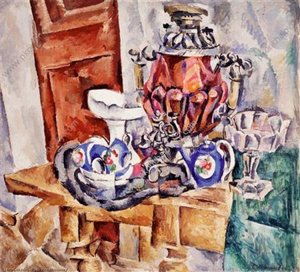
Explore Pyotr Konchalovsky's captivating Begonia – a still life masterpiece depicting vibrant red and pink flowers within elegant vases alongside delicate cups, capturing the spirit of Russian art history.
 Lees meer
Pyotr Konchalovsky (1876-1956): Een Russische kunstenaar die impressionisme, fauvisme en socialistisch realisme combineerde. Ontdek zijn iconische landschappen & portretten.
Giclée / Kunstafdrukken
Giclée- of canvasafdruk van museumkwaliteit met een snelle productie en flexibele afwerkingsmogelijkheden. ( Bestel handgeschilderde reproductie Schakel over naar digitale afbeeldingen)




P118B €10

P118H €10

P118W €10

P438Z €10

P508JH €12

P508YH €12

P805H €10

P805Z €10

P919BZ €10

P919G €10

P919XJ €10

P959ZH €10

P968JZ €12

W106C €8

W218G €10

W218JH €8

W218Y €10

W307PJ €10

W316G €10

W316PJ €8

W316Y €10

W398PJ €8

W4111J €10

W500HY €15

W500JH €15

W692G €12

W849H €8

W940BG €15

W953PJ €8




Standaardformaat
op maat gemaakt
CM
INCH
Kies uit onze vooraf ingestelde maten die overeenkomen met de originele verhoudingen van het kunstwerk.
Loading sizes...

breedte
hoogte
Voer de gewenste breedte en hoogte in, passend bij uw lijst of muur. Een afdruk kan alleen worden ingekort en nooit groter worden gemaakt dan het origineel; een formaat met andere verhoudingen zal daarom een deel van de afbeelding verliezen. Wij sturen u een digitaal mockup ter goedkeuring voordat we tot drukwerk overgaan. De afbeelding op deze pagina toont niet de werkelijke uitsnede — dit is alleen te zien op het mockup.
Wereldwijde levering () binnen 2 weken in plaats van de standaard 4/5 weken. (10 november)

Gratis wereldwijde expressverzending

Hoogwaardig linnen canvas

Volledige verzendverzekering

Garantie op terugbetaling van invoerrechten

Garantie op exacte kleurweergave

Retourbeleid van 100 dagen (alleen bij defecten)

100% Geld-terug-garantie

Korting bij meerdere afnames
 De optie voor glas is alleen beschikbaar bij een formaat kleiner dan 110 cm.

Begonia
Giclée / Kunstafdrukken
Afmetingen reproductie
-


Eindtotaal
€ 63
A Portrait of Turbulent Russia: Exploring Pyotr Konchalovsky’s “Begonia”
Pyotr Petrovich Konchalovsky's "Begonia," painted circa 1908, stands as a poignant emblem of the Russian avant-garde’s fascination with capturing fleeting moments of beauty amidst societal upheaval. More than just a depiction of flowers—specifically a begonia blossom—the painting embodies a broader artistic impulse to distill emotion and intellect into visual form, reflecting the anxieties and aspirations of a nation grappling with rapid modernization.
Style & Technique: Konchalovsky’s approach aligns squarely with Neo-Impressionism, championed by artists like Georges Seurat and Paul Cézanne. Unlike Impressionists who sought to capture atmospheric effects, Konchalovsky meticulously applied small dots of pure pigment—primarily reds, pinks, and yellows—to build up tonal variations within the flower petals and vases. This technique, known as Pointillisme, wasn’t merely a stylistic choice; it represented a deliberate rejection of traditional brushstrokes in favor of scientific observation and mathematical precision. The artist painstakingly analyzed how light interacts with color, striving to reproduce its nuances with unparalleled accuracy.
Historical Context: Painted during the Belle Époque—a period characterized by optimism and artistic experimentation—"Begonia" speaks to a Russia undergoing significant transformations under Tsar Nicholas II’s reign. While outward appearances suggested prosperity and grandeur (the opulent palaces of St. Petersburg), beneath the surface simmered discontent fueled by social inequalities and burgeoning revolutionary sentiment. The painting's stillness contrasts sharply with this turbulent backdrop, inviting contemplation on themes of fragility and resilience.
Symbolism & Composition: The begonia itself carries considerable symbolic weight. Traditionally associated with femininity, beauty, and rebirth—often depicted as a symbol of resurrection—the flower’s delicate petals symbolize the ephemeral nature of life and the importance of savoring every moment. The vases serve as containers for this beauty, mirroring the role of art in preserving and transmitting cultural values. Furthermore, the arrangement of objects – the vases, cups, and begonia – contributes to a carefully constructed visual narrative that emphasizes balance and harmony despite the underlying tension.
Emotional Impact: Viewing “Begonia” evokes a sense of quiet contemplation and melancholic beauty. The artist’s masterful use of color and technique captures not only the physical appearance of the flower but also its emotional essence—a subtle suggestion of vulnerability amidst grandeur, mirroring the complexities of Russian society at the turn of the century. It's a piece that lingers in the mind long after viewing, prompting reflection on themes of beauty, decay, and the enduring power of artistic expression.
- Artist: Pyotr Petrovich Konchalovsky
- Year Painted: Circa 1908
- Style: Neo-Impressionism
- Technique: Pointillisme (Dot Painting)
Veelgestelde vragen
Welke emotionele toon gaat gepaard met de Russian Symbolism-stijl van "Begonia"?
"Begonia" ademt een Tranquil emotionele toon uit binnen de Russian Symbolism-stroming.
Welk gevoel roepen de kleuren van "Begonia" door Pyotr Konchalovsky op?
Het Neutrals palet van "Begonia" door Pyotr Konchalovsky vloeit prachtig samen met de Tranquil emotionele toon. Kleur is een van de manieren waarop een kunstwerk gevoel overbrengt.
Waar zou een reproductie van "Begonia" door Pyotr Konchalovsky opgehangen moeten worden?
Formaat (Portrait) en aanbevolen ruimte (Living Room) zijn de twee plaatsingskenmerken vastgelegd voor "Begonia" door Pyotr Konchalovsky.
Vergelijkbare kunstwerken




Biografie kunstenaar
A Life Immersed in the Russian Artistic Spirit
Pyotr Petrovich Konchalovsky, geboren op 21 februari 1876 in het dorp Slavjansk nabij Kharkov, was meer dan een schilder; hij was een visueel chroniqueur van Rusland dat drastisch transformeerde. Zijn artistieke reis weerspiegelde de tumultueuze overgang van het land door revolutie en ideologische verschuivingen, gekenmerkt door een voortdurende zoektocht naar nieuwe vormen van expressie. Konchalovsky’s opvoeding dompelde hem onder in een sfeer rijk aan intellectuele en creatieve stromingen. Zijn vader, Petr Petrovich Konchalovsky, was een gerespecteerd vertaler en kunstuitgever wiens Moskou huis een levendige ontmoetingsplaats werd voor toonaangevende kunstenaars van die tijd – Valentin Serov, Michail Vrubel, Vasily Surikov allereerst woonden ze daar na de verhuizing naar Moskou in 1889. Deze vroege blootstelling was niet alleen observatief; het instilledde een diepe waardering voor artistieke expressie in jonge Pyotr en legde de basis voor zijn toekomstige pad. Zondagen doorgebracht met het absorberen van meesterwerken in de Tretyakov Gallery vormden hem op, gevormd door de kracht van Russische meesters.From Parisian Influences to Avant-Garde Innovation
Konchalovsky’s formele opleiding begon aan de Moskou School of Painting, Sculpture and Architecture, maar een cruciale periode volgde in Parijs van 1896 tot 1898 aan de Académie Julian. Deze onderdompeling in de Franse kunstwereld bleek transformatief. Hij ontmoette baanbrekende werken van Paul Cézanne en Vincent van Gogh, kunstenaars die conventionele representatie uitdaagden en nieuwe manieren van het waarnemen van vorm en kleur verkenden. Een daaropvolgende reis naar Arles stelde hem in staat om Van Gogh’s artistieke visie beter te begrijpen – een pelgrimstocht in het hart van expressieve intensiteit. Terugkeer naar Rusland, voortzette hij zijn studie aan de Imperial Academy of Arts in Sint Petersburg, waar hij in 1907 afgond. Echter, pas bij zijn terugkeer begon Konchalovsky werkelijk zijn eigen kenmerkende stijl te vormen. Hij werd een centrale figuur in de Mir Iskusstva (World of Art)-beweging, en medeoprichter van de invloedrijke “Jack of Diamonds” (Knave of Diamonds) genootschap in 1910. Dit genootschap verwierp academische tradities en pleitte voor experimenten, zoekend naar inspiratie niet alleen uit West-Europese modernisme, maar ook uit Rusland’s eigen volkscultuur – iconen, schildpaden en kleurrijke populaire prints, bekend als *lubok*. Als eerste voorzitter van het genootschap speelde Konchalovsky een cruciale rol in de vorming ervan en de promotie van zijn radicale ideeën.Navigating Shifting Ideologies: Style and Subject Matter
Konchalovsky’s artistieke stijl evolueerde gedurende zijn carrière, weerspiegelend zowel persoonlijke exploratie als de veranderende politieke klimaat van Rusland. In eerste instantie beïnvloed door Fauvisme en Cézanne, waren zijn vroege werken gekenmerkt door felle kleuren, gestroomlijnde vormen en een focus op structuur. Schilderijen zoals “Still Life with a Coffeepot” illustreren deze periode, die dynamische composities en een levendige palet laat zien. Na diensttijd in het Russische leger tijdens de Eerste Wereldoorlog begon Konchalovsky’s stijl te verschuiven. De opkomst van Socialistisch Realisme onder het Sovjetregime vereiste kunst die ideologische doelen diende, socialistische idealen vierde en prominente figuren portretteerde. Hoewel dit een afwijking was van zijn vroege avant-garde exploraties, paste Konchalovsky zich aan, werd hij bekend met ceremonieel portretten. Ondanks deze veranderingen behield hij een kenmerkende artistieke stem, die zelfs in zijn meer politiek geladen werken een gevoel van soliditeit en monumentaliteit doorvoerde. Gedurende zijn productieve carrière – geschat op meer dan 5.000 stukken – onderzocht hij voortdurend stillevens, landschappen en portretten, demonstrerend een buitengewone veelzijdigheid en toewijding aan zijn vak. Hij was niet alleen conformistisch; hij vond manieren om zijn artistieke expressie te uiten binnen de grenzen van een nieuwe tijd.Key Achievements and Historical Significance
Pyotr Konchalovsky’s bijdrage aan de Russische kunst is onmiskenbaar. Hij verbond de vroege modernisme met Socialistisch Realisme, navigeerde complexe politieke stromingen terwijl hij tegelijkertijd een significante artistieke kracht bleef. Zijn eerste solotentoonstelling in de Tretyakov Gallery in 1922 versterkte zijn reputatie als een van Rusland’s toonaangevende kunstenaars. Naast zijn eigen werk, bevorderde Konchalovsky een familie die diep betrokken was bij de kunsten; zijn zoon, Michail Petrovich Konchalovsky, werd een gerenommeerde filmregisseur, en zijn dochter, Natalia Konchalovskaya, was een bekwame kunstenares zelf. Zijn schilderijen zijn niet alleen esthetisch aantrekkelijke objecten, maar ook historische documenten, die de tumultueuze periode weergeven waarin ze werden gemaakt. Ze bieden waardevolle inzichten in de evolutie van de Russische kunst en de uitdagingen waarmee kunstenaars te maken hadden binnen een snel veranderende samenleving. Konchalovsky’s vermogen om zich aan te passen terwijl hij een kenmerkende stijl behield, zette hem op zijn plaats als een sleutelfiguur in de Russische kunstgeschiedenis, nalatenschap die vandaag de dag inspireert en aanspoort. Zijn werk is een getuigenis van de veerkracht van artistieke expressie in het aangezicht van politieke omwentelingen, en zijn invloed kan nog steeds worden gezien in hedendaagse Russische kunst.A Prolific Output: Key Themes & Subjects
Konchalovsky’s uitgebreide oeuvre onthult terugkerende thema's en onderwerpen die zijn artistieke preoccupaties aantonen. Stillevens waren een constante gedurende zijn carrière, waarmee hij zich de mogelijkheid gaf om vorm, kleur en compositie in een gecontroleerde omgeving te verkennen. Hij schilderde vaak alledaagse objecten – fruit, bloemen, gerechten – die hij met een gevoel van gewicht en aanwezigheid verleende. Landschappen, vooral die geïnspireerd door zijn reizen, bezetten ook een speciale plaats in zijn oeuvre, vastleggend de schoonheid en grandeur van de natuurlijke wereld. Echter, het was wellicht in portretten dat Konchalovsky werkelijk uitblonk, creërend overtuigende portretten van zijn tijdgenoten, vaak doordrenkt met psychologische diepte. Zijn portretten varieerden van intieme weergaven van familieleden tot grootschalige ceremoniele representaties van Sovjetfunctionarissen. Hij experimenteerde ook met genrebeelden en historische onderwerpen, demonstrerend een bereidheid om zich uit te dagen op verschillende artistieke gebieden. Het enorme aantal zijn werk – meer dan 5.000 stukken – is een getuigenis van zijn onvermoeibare toewijding en onwrikbare toewijding aan het vak van schilderen. Hij was een meester in de observatie, in staat om het alledaagse tot iets buitengewoons te transformeren door de kracht van zijn visie.
Pyotr Konchalovsky
1876 - 1956 , Rusland
Belangrijkste feiten
- Artistic Movement Or Style: Post-Impressionisme, Realisme
- Artists Or Movements Influenced By This Artist: ['Mir Iskusstva']
- Artists Who Influenced This Artist:
- Cézanne
- Van Gogh
- Date Of Birth: 21 feb 1876
- Date Of Death: 2 feb 1956
- Full Name: Pyotr Petrovich Konchalovsky
- Nationality: Russisch
- Notable Artworks:
- Still Leven
- Jack Diam.
- Portret
- Place Of Birth: Kharkiv, Rusland
Gerelateerde artikelen

Victor Vasnetsov: Myth, Nationalism & the Revival of Russian Fairy Tale Painting
Explore the captivating world of Victor Vasnetsov, a co-founder of Russian folklorist painting. Discover his iconic works, influence on national identity, and lasting legacy in this expert guide.

Blossoming Symbolism: A Historical Journey Through Flowers in Western Painting
Explore the rich history of flower symbolism in Western painting! Discover how artists from the Renaissance to Modernism used blossoms to convey meaning, emotion & beauty. Learn about iconic artworks and movements.

Silent Narratives: Exploring the Enduring Appeal of Still Life Painting Across Centuries
Explore the rich history of still life painting with TopImpressionists. Discover Dutch Masters, decode vanitas symbolism & learn about collecting timeless art. Expert insights and museum-quality reproductions.

Ivan Bilibin: A Synthesis of Folklore, Modernism & National Identity in Russian Illustration
Explore the enchanting world of Ivan Bilibin, a master Russian illustrator who synthesized folklore, Art Nouveau & national identity. Discover his iconic fairy tale illustrations and legacy with TopImpressionists.

Paul Cézanne's Top 25 Meesterwerken: Kleur, Vorm & De Basis van Modern Art | TopImpressionists
Ontdek de 25 meest iconische schilderijen van Paul Cézanne! Duik in zijn kleurrijke wereld, leer over impressionisme & post-impressionisme en bewonder meesterwerken als 'De Baders'. Vind museumkwaliteit reproducties & interieurinspiratie op TopImpressionists.com.
Ontdek kunstwerken georganiseerd op thema, stijl en kenmerk.
