

 Voorvertoning
 Verstuur
 Delen
Delen
 Details bekijken
 Gids
Gids

 Download
 Vergelijkbare items
 Röntgenonderzoek
 Diavoorstelling
 Vraag & antwoord
 Statistieken
Untitled (Damayanti)

- 73.0 x 52.0 cm


Raja Ravi Varma’s ‘Untitled (Damayanti)’ captures the poignant beauty of Indian mythology with exquisite detail and harmonious composition. This 1890 painting showcases a stunning portrait of two women on a balcony, elevated by traditional Indian aesthetics. Discover this remarkable artwork and bring its timeless elegance into your space.
 Lees meer
Raja Ravi Varma (1848-1906): De pionier van moderne Indiase kunst! Hij verenigde hindoeïstische mythologie met Europese technieken, creëerde iconische lithografieën & vormde de nationale identiteit.
Giclée / Kunstafdrukken
Giclée- of canvasafdruk van museumkwaliteit met een snelle productie en flexibele afwerkingsmogelijkheden. ( Bestel handgeschilderde reproductie Schakel over naar digitale afbeeldingen)




P118B €10

P118H €10

P118W €10

P438Z €10

P508JH €12

P508YH €12

P805H €10

P805Z €10

P919BZ €10

P919G €10

P919XJ €10

P959ZH €10

P968JZ €12

W106C €8

W218G €10

W218JH €8

W218Y €10

W307PJ €10

W316G €10

W316PJ €8

W316Y €10

W398PJ €8

W4111J €10

W500HY €15

W500JH €15

W692G €12

W849H €8

W940BG €15

W953PJ €8




Standaardformaat
op maat gemaakt
CM
INCH
Kies uit onze vooraf ingestelde maten die overeenkomen met de originele verhoudingen van het kunstwerk.
Loading sizes...

breedte
hoogte
Voer de gewenste breedte en hoogte in, passend bij uw lijst of muur. Een afdruk kan alleen worden ingekort en nooit groter worden gemaakt dan het origineel; een formaat met andere verhoudingen zal daarom een deel van de afbeelding verliezen. Wij sturen u een digitaal mockup ter goedkeuring voordat we tot drukwerk overgaan. De afbeelding op deze pagina toont niet de werkelijke uitsnede — dit is alleen te zien op het mockup.
Wereldwijde levering () binnen 2 weken in plaats van de standaard 4/5 weken. (7 november)

Gratis wereldwijde expressverzending

Hoogwaardig linnen canvas

Volledige verzendverzekering

Garantie op terugbetaling van invoerrechten

Garantie op exacte kleurweergave

Retourbeleid van 100 dagen (alleen bij defecten)

100% Geld-terug-garantie

Korting bij meerdere afnames
 De optie voor glas is alleen beschikbaar bij een formaat kleiner dan 110 cm.

Untitled (Damayanti)
Giclée / Kunstafdrukken
Afmetingen reproductie
-


Eindtotaal
€ 62
A Vision of Mythic Grace
In the delicate interplay of light and shadow within Untitled (Damayanti), we encounter a moment frozen in time, where the boundaries between the earthly and the divine begin to blur. Created in 1890 by the legendary Indian master Raja Ravi Varma, this painting is far more than a mere portrait; it is a profound cinematic window into the heart of Indian mythology. The subject, Damayanti, emerges from the canvas not just as a figure of legend, but as a living, breathing embodiment of poetic beauty. Varma, a pioneer who bridged the gap between European academic realism and the soulful aesthetics of the East, utilizes every brushstroke to honor the literary grandeur of the tales that inspired him. As one gazes upon her, there is an immediate sense of harmony, where the lushness of the setting and the grace of the figures work in unison to elevate the scene into a meditative experience.
The composition invites the viewer onto a serene balcony, a space that feels both intimate and expansive. Two women stand side by side, their presence anchored by the rich textures of traditional Indian attire that catch the light with a soft, luminous quality. One figure gazes outward, while the other rests her hands near her face in a gesture of quiet contemplation, creating a psychological depth that draws the observer into their silent dialogue. The background, featuring the architectural details of a building and a delicate fence, provides a structured contrast to the organic vitality of the scene. Scattered throughout the composition, small birds flit through the air, adding a layer of natural animation that breathes life into the stillness, while a solitary potted plant serves as a reminder of the cultivated beauty found within this sanctuary.
The Mastery of Fusion and Technique
To appreciate this work is to understand the technical revolution Raja Ravi Varma brought to the Indian subcontinent. He was a master of chiaroscuro, employing the dramatic use of light and dark to sculpt forms and imbue them with three-dimensional weight. In Damayanti, this technique is used to render the sheen of silk, the softness of skin, and the intricate details of jewelry with an almost tactile realism. His ability to master Western academic principles—such as anatomical precision and linear perspective—allowed him to present Indian mythological characters in a way that felt tangible and relatable to a modernizing audience. This was not merely decorative art; it was a sophisticated technical achievement that sought to give the gods and heroines of the Puranas a physical presence that could be felt by all.
For the discerning collector or interior designer, this painting offers an unparalleled opportunity to introduce a sense of historical prestige and cultural depth into a space. The color palette, rich yet balanced, possesses a timeless quality that complements both classical and contemporary interiors. Whether placed in a sunlit gallery or a sophisticated study, the artwork acts as a focal point of storytelling and elegance. It is a piece that does not merely occupy a wall but commands the atmosphere of a room, offering a continuous stream of visual discovery through its intricate details and emotional resonance.
A Legacy of Emotional Resonance
Beyond the technical brilliance lies the true soul of the painting: its ability to evoke emotion. Varma had a unique gift for capturing the rasa—the essential essence or flavor—of his subjects. In this depiction, there is a palpable sense of longing, peace, and quiet dignity. The painting serves as a bridge between eras, connecting the ancient oral traditions of India with the burgeoning realism of the late 19th century. It invites the viewer to pause, to breathe, and to reconnect with a sense of wonder. Owning a high-quality reproduction of such a masterpiece is an invitation to live alongside history, surrounding oneself with a work that celebrates the enduring power of beauty, myth, and the human spirit.
Veelgestelde vragen
Welke sfeer brengt een reproductie van "Untitled (Damayanti)" door Raja Ravi Varma in een kamer?
Met zijn Ethereal karakter is "Untitled (Damayanti)" een aanrader voor de Living Room.
Hoe harmonieus is het kleurgebruik in "Untitled (Damayanti)" door Raja Ravi Varma?
De kleurharmonie van "Untitled (Damayanti)" wordt beschreven als Strong Color Unity.
Is er een diavoorstelling beschikbaar voor "Untitled (Damayanti)" door Raja Ravi Varma?
"Untitled (Damayanti)" door Raja Ravi Varma is te bekijken als een diavoorstelling op de Diavoorstelling-pagina van het kunstwerk.
Biografie kunstenaar
De Princely Brush: Raja Ravi Varma en de Opkomst van Moderne Indiase Kunst
Raja Ravi Varma, een naam die in India resoneert met artistieke innovatie, kwam uit de koninklijke linies van het Paleis van Kilimanoor in Kerala tijdens het midden van de 19e eeuw. Zijn leven was doordrenkt van zowel aristocratische traditie als een innige creatieve geest. Hij was niet alleen een schilder; hij was een culturele brug, die Europese academische technieken behendig combineerde met de rijke tapijst van Indiase mythologie en esthetiek. De lange verbondenheid van zijn familie met het koninklijke Huis van Travancore – in werkelijkheid werden twee van zijn dochters later opgenomen in datzelfde huis – boden zowel privilege als een diep begrip van de Indiase hofcultuur, wat zijn artistieke visie diepgaand beïnvloedde. Vanaf jonge leeftijd toonde Ravi Varma een opmerkelijke aanleg voor kunst, gekneed door zijn oom Raja Raja Varma, die hem in de wereld van tekenen en schilderen introduceerde, voornamelijk binnen de Tanjore School traditie. Echter, jongs genoeg strekte Ravi Varma’s ambitie zich verder uit dan imitatie; hij zocht technieken waarmee hij niet alleen likeness maar ook emotie en narratieve diepte kon vastleggen.Een Fusie van Werelden: Techniek en Inspiratie
Ravi Varma's artistieke reis nam een cruciaal keerpunt toen hij in aanraking kwam met het werk van Europese meesters, vooral tijdens zijn reizen en door interacties met Britse functionarissen gestationeerd in India. Hij werd gefascineerd door de realisme en technische precisie van academische schilderkunst, waarbij hij deze principes zorgvuldig bestudeerde – perspectief, anatomie, licht en schaduw. Toch paste Varma, anders dan velen van zijn tijdgenoten die simpelweg Westerse stijlen nabootsen, deze technieken behendig aan om uniek Indiase onderwerpen te dienen. Zijn doeken werden levendige podia voor scènes uit de Ramayana, de Mahabharata en de Puranas, volgepakt met goden en godinnen die werden weergegeven met een nieuwe naturalisme. Hij illustreerde niet alleen religieuze verhalen; hij vervulde ze met menselijke emotie en psychologische complexiteit. Dit was revolutionair. Voordat Varma, werden beelden van goden vaak gebonden aan rigide iconografische conventies. Hij durfde ze te portretteren als herkenbare figuren, mooi en machtig maar toegankelijk voor het algemeen publiek. Zijn meesterschap in olieverf – een relatief nieuw medium in India op zijn tijd – stelde hem in staat om een onovertroffen niveau van detail en luminositeit te bereiken, waardoor de emotionele impact van zijn werk verder werd versterkt. Denk bijvoorbeeld aan zijn iconische portret van *Shakuntala*, waarbij de heroine’s lange blik en delicate houding een diepte van gevoel weergeven die zelden in Indiase kunst was gezien voorheen. *De Maharani van Travancore*, met haar koninklijke componement en ingewikkelde details, illustreert Ravi Varma's vermogen om zowel uiterlijk voorkomen als innerlijk karakter vast te leggen.Democratisering van Kunst: Lithografieën en Publieke Aantrekking
Raja Ravi Varma’s invloed strekte zich verder uit dan de elite cirkels van koninklijke families en kunstliefhebbers. Erkennend dat originele schilderijen onbereikbaar waren voor de meeste Indianen, vestigde hij in 1894 de Raja Ravi Varma Fine Arts Lithographic Press. Deze baanbrekende onderneming maakte het mogelijk om betaalbare lithografieën te produceren op basis van zijn schilderijen. Plotseling werden beelden van Indiase goden en mythologische scènes niet langer beperkt tot tempels of paleizen; ze versierden huizen in heel India, als objecten van aanbidding en culturele trots. De lithografieën waren niet alleen reproducties; het waren zorgvuldig geconstrueerde interpretaties die de essentie van Ravi Varma’s originele werken vastlegden. Deze daad van “democratisering van kunst” had een diepgaande impact op de Indiase samenleving, bevorderde een bredere waardering voor visuele cultuur en vormde populaire percepties over religieuze iconografie. Het vestigde Varma ook als een ware publieke figuur, zijn beelden werden plotseling alomtegenwoordige symbolen van de Indiase identiteit. Hansa Damayanthi, bijvoorbeeld, vond zijn weg in talloze huizen door middel van deze lithografieën, waardoor het esthetische landschap van India werd veranderd.Erfgoed en Duurzaam Invloed
Raja Ravi Varma stierf in 1906, nalatend een erfenis die vandaag de dag nog resoneert. Zijn werk heeft niet alleen het landschap van Indiase schilderkunst getransformeerd maar ook de basis gelegd voor moderne Indiase kunst. Hij daagde conventies uit, omarmde innovatie en combineerde traditioneel met modern. Zijn invloed is te zien in het werk van latere generaties Indiase kunstenaars die een uniek nationaal artistiek identiteit wilden creëren. Musea zoals The Raja Ravi Varma Heritage Foundation in Bangalore en The Ganesh Shivaswamy Foundation bewaren en vieren zijn kunst, waardoor zijn visie voor toekomstige generaties wordt gewaarborgd. Zijn schilderijen blijven krachtige getuigenissen van zijn genialiteit – meesterwerken die de schoonheid, spiritualiteit en culturele rijkdom van India vastleggen. Zijn vermogen om verbinding te maken met het publiek op zowel een esthetisch als emotioneel niveau heeft hem gevestigd als een ware pionier, die op een onlosmakelijke manier de manier waarop Indianen kunst en hun eigen culturele erfgoed zagen, veranderde.Het verkennen van Ravi Varma’s Wereld Tegenwoordig
Voor wie dieper wil duiken in de wereld van Raja Ravi Varma zijn er tal van bronnen beschikbaar. De Kiran Nadar Museum of Art in New Delhi herbergt een selectie van zijn werken naast andere moderne en hedendaagse Indiase kunstenaars. Online platforms zoals TopImpressionists bieden hoogwaardige reproducties van zijn iconische schilderijen, waardoor kunstenthousiastelingen over de hele wereld zijn kunst direct kunnen ervaren. Bovendien blijven wetenschappelijke artikelen en boeken licht werpen op zijn leven, technieken en duurzame invloed. De Wikipedia-pagina gewijd aan Raja Ravi Varma biedt een uitgebreid overzicht van zijn biografie en artistieke prestaties, terwijl Google Arts & Culture inzichtelijke verhalen bieden over zijn leven en werk, waaronder bijdragen van zijn kleinkind.- Verken kunstwerken: Ontdek meesterwerken zoals "Portrait of a Gentleman", "Hansa Damayanthi" en "The Maharani of Travancore" via online databases.
- Bezoek musea: Dompel jezelf onder in Ravi Varma’s nalatenschap op The Raja Ravi Varma Heritage Foundation, The Ganesh Shivaswamy Foundation en het Kiran Nadar Museum of Art.
- Verder onderzoek: Raadpleeg Wikipedia en Google Arts & Culture voor gedetailleerde biografische informatie en wetenschappelijke inzichten.

Raja Ravi Varma
1848 - 1906 , India
Belangrijkste feiten
- Artistic Movement Or Style: Fusion academisch/India
- Artists Or Movements Influenced By This Artist: ['Moderne Indiër kunst']
- Artists Who Influenced This Artist: ['Europese meesters']
- Date Of Birth: 29 apr 1848
- Date Of Death: 2 okt 1906
- Full Name: Raja Ravi Varma
- Nationality: Indiër
- Notable Artworks:
- Hansa Damayanthi
- Maharani
- Shakuntala
- Place Of Birth: Kilimanoor, India
Gerelateerde artikelen

The Pre-Raphaelite Brotherhood: Rediscovering Romanticism, Mythological Depth, and Vivid Detail in Victorian Art
Explore the breathtaking world of the Pre-Raphaelite Brotherhood. Discover how this movement redefined Victorian art through vivid detail, mythological depth, and romanticism. An expert guide for classic art enthusiasts seeking to rediscover these timeless masterpieces.

Raja Ravi Varma: Bridging Tradition & Modernity in 19th-Century Indian Art
Explore the life & art of Raja Ravi Varma, a pioneer who fused European techniques with Indian iconography. Discover his iconic paintings, lasting legacy, and influence on modern Indian art at TopImpressionists.

Echoes of Olympus: Mythological Narratives in Western Art Through the Ages
Explore the captivating history of mythological narratives in Western art! From ancient Greece to modern masterpieces, discover iconic artworks & symbolism. Expert analysis and high-quality reproductions at TopImpressionists.
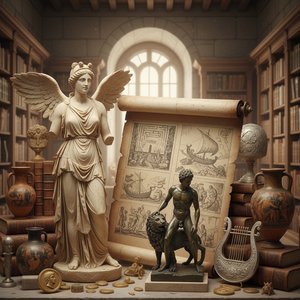
Timeless Legends: A Curated Guide to the Eternal Allure of Mythological Masterpieces
Embark on a sophisticated journey through the eternal allure of mythological art. Discover how master painters breathe life into ancient legends, from Greek deities to Baroque masterpieces, and learn to curate these timeless narratives within your own exquisite art collection.

The Refined Aesthetic of Victorian Illustration: A Study in Narrative & Technique
Explore the captivating world of Victorian illustration! Discover Pre-Raphaelite influences, key artists like Rossetti & Stephens, and the era's rich narrative detail. A deep dive for art enthusiasts.
Ontdek kunstwerken georganiseerd op thema, stijl en kenmerk.

