


 Bekijk op ware grootte
 Verstuur
 Delen
Delen
 Details bekijken
 Gids voor studentenkunstwerken

 Download
 Vergelijkbare items
 Röntgenonderzoek
 Diavoorstelling
 Statistieken
Self Portrait
 Oil On Canvas
- WallArt
- Post-Impressionism
 1899
1899- 19th Century
 33.0 x 41.0 cm
A striking post-impressionist self portrait by Raoul Dufy captures a serious man in a red bow tie with vibrant oil textures, offering a unique opportunity to bring this piece of French art history into your collection.
 Lees meer
Raoul Dufy (1877-1953): Een Franse kunstenaar die bekend staat om zijn vrolijke, kleurrijke schilderijen van het leven en de zee. #Dufy #Fauvisme
Giclée / Kunstafdrukken
Giclée- of canvasafdruk van museumkwaliteit met een snelle productie en flexibele afwerkingsmogelijkheden. ( Koop handgeschilderd kunstwerk Schakel over naar digitale afbeeldingen)




P118B €10

P118H €10

P118W €10

P438Z €10

P508JH €12

P508YH €12

P805H €10

P805Z €10

P919BZ €10

P919G €10

P919XJ €10

P959ZH €10

P968JZ €12

W106C €8

W218G €10

W218JH €8

W218Y €10

W307PJ €10

W316G €10

W316PJ €8

W316Y €10

W398PJ €8

W4111J €10

W500HY €15

W500JH €15

W692G €12

W849H €8

W940BG €15

W953PJ €8




Standaardformaat
op maat gemaakt
CM
INCH
Kies uit onze vooraf ingestelde maten die overeenkomen met de originele verhoudingen van het kunstwerk.
Loading sizes...

breedte
hoogte
Voer de breedte en de hoogte in die u nodig heeft, passend bij uw lijst of uw muur. Een afdruk kan alleen worden ingekort, nooit groter worden gemaakt dan het origineel, waardoor een formaat met een andere verhouding een deel van de afbeelding verliest. Wij sturen u een digitaal mockup ter goedkeuring voordat we iets drukken. De afbeelding op deze pagina toont niet de werkelijke uitsnede — dit is alleen te zien op het mockup.
Wereldwijde levering () binnen 2 weken in plaats van de standaard 4/5 weken. (24 oktober)

Gratis wereldwijde expressverzending

Hoogwaardig linnen canvas

Volledige verzendverzekering

Garantie op terugbetaling van invoerrechten

Garantie op exacte kleurweergave

Retourbeleid van 100 dagen (alleen bij defecten)

100% Geld-terug-garantie

Korting bij meerdere afnames
 De optie voor glas is alleen beschikbaar bij een formaat kleiner dan 110 cm.

Self Portrait
Giclée / Kunstafdrukken
Formaat reproductie
-


Totaalprijs
€ 61
A Moment Captured in Time: The Introspection of Raoul Dufy
In the quiet, contemplative moments before his brush became a conduit for the exuberant colors of Fauvism, Raoul Dufy captured a profound sense of self through his Self Portrait. Painted in 1899, this work serves as a poignant window into the artist's early psyche, long before he became the master of light and joyful French landscapes. The portrait presents a man poised in a moment of deep thought, his gaze averted from the viewer as if lost in an internal dialogue or observing something unseen beyond the frame. Clad in a formal suit jacket and a striking red bow tie, the subject possesses a certain gravity, a seriousness that hints at the burgeoning talent and the intense dedication required to navigate the competitive art world of late 19th-century France.
The technique employed in this oil on canvas reflects the rich, tactile traditions of the era. Even in this early stage of his career, one can sense the influence of the Impressionist masters, with a deliberate use of texture to create depth and presence. The way the light catches the fabric of his attire and the subtle shadows contouring his face suggests a mastery of form that would later evolve into his signature decorative style. There is a weight to the colors here—a richness that anchors the subject within the composition, providing a sense of permanence and dignity that makes the piece feel both intimate and monumental.
The Prelude to Vibrancy: Style and Historical Context
To look upon this 1899 masterpiece is to witness the genesis of a legend. At the time of this painting, Dufy was still deeply immersed in the academic foundations of Le Havre and the burgeoning influences of Montmartre. While his later works would dance with the wild, uninhibited hues of Fauvism, this self-portrait retains a more somber, post-impressionist restraint. It is a study in character rather than a celebration of spectacle. The artist uses a palette that, while grounded, prepares the eye for the chromatic revolutions to come, using contrast and tonal shifts to direct the viewer's emotion toward the subject's contemplative state.
For collectors and interior designers, this piece offers a unique opportunity to possess a foundational moment in art history. It provides a sophisticated anchor for a room, offering a sense of intellectual depth and historical weight. Unlike more boisterous works, this portrait invites quiet observation, making it an ideal centerpiece for a study, a library, or a formal sitting area where conversation and reflection are encouraged. The subtle tension between the man's formal attire and his wandering gaze creates a narrative mystery that continues to captivate anyone who lingers before its canvas.
An Invitation to Elegance
Bringing a high-quality reproduction of this Self Portrait into a home or gallery space is more than an act of decoration; it is an act of curation. It allows the timeless elegance of Dufy’s early period to breathe within a modern setting, bridging the gap between the turn of the century and the contemporary era. The painting's ability to evoke emotion—ranging from a sense of nostalgic melancholy to a profound respect for the artist's journey—makes it a versatile and powerful addition to any curated collection.
Whether you are an art enthusiast seeking to connect with the roots of French modernism or a designer looking for a piece that embodies serious, classical beauty, this work stands as a testament to the enduring power of the human spirit captured through paint. It remains a soulful, evocative masterpiece that promises to inspire awe and contemplation for generations to come.
Vragen & Antwoorden
Welke kunstenaar en welke stijl staan achter "Self Portrait"?
Achter "Self Portrait" staan Raoul Dufy en de Post-Impressionism-stroming.
Hoe intens zijn de kleuren van "Self Portrait"?
De kleur van "Self Portrait" heeft een verzadiging van Balanced Soft en een intensiteit van Balanced.
Onder welke pseudoniemen of andere namen is Raoul Dufy bekend?
Raoul Dufy staat ook bekend onder de alternatieve namen Jean Dufy.


Biografie van de kunstenaar
A Life Immersed in Color and Light
Raoul Dufy, geboren in de havenstad Le Havre, Normandië, in 1877, was een kunstenaar wiens naam synoniem werd met vreugde, levendigheid en een kenmerkend Frans *joie de vivre*. Zijn reis begon niet tussen palettten en ezelen, maar in de praktische wereld van handel, waar hij na zijn veertiende als boekhouder werkte voor een koffie-importbedrijf. Toch bleef de drang naar artistieke expressie onweerstaanbaar. Avondlessen aan de École des Beaux-Arts in Le Havre ontketenden een passie die zijn leven zou definiëren, vriendschappen smeedde met collega’s kunstenaars Raimond Lecourt en Othon Friesz – compagnons die een atelier deelden in Montmartre en een toewijding deelden aan het verkennen van nieuwe visuele talen. Deze vroege jaren waren doordrenkt van de invloed van Impressionisme, met name de levendige landschappen van Claude Monet en Camille Pissarro, waardoor de basis werd gelegd voor Dufy’s latere meesterschap in licht en kleur. Hij ontving een scholarship om te studeren aan de École Nationale supérieure des Beaux-Arts in Parijs, waar zijn vaardigheden verder werden verfijnd en hij zich onderdompelde in de artistieke ferment van die tijd.Embracing Fauvism and Finding His Voice
Het begin van de 20e eeuw zag Dufy navigeren door het veranderende landschap van moderne kunst. Initiële verkenningsreizen leidden hem door Cubisme, maar Henri Matisse’s baanbrekende *Luxe, Calme et Volupté* op het Salon des Indépendants in 1905 bleek werkelijk transformatief. De schier onbeperkte kleur en expressieve vrijheid die door Matisse en zijn medefanaten de “Fauves” werden genoemd – de wilde dieren – losliet, resoneerde diep bij Dufy en stuiterde hem naar een stijl gekenmerkt door opvallende tinten en bevrijdende penseelstreken. Toch kopieerde Dufy niet simpelweg; hij absorbeerde de energie van Fauvisme en destilleerde deze in iets unieks voor zichzelf. Hij verliet strikte naleving van de principes van de beweging, ontwikkelde een meer decoratieve en vloeiende aanpak. Deze periode zag hem experimenteren met verschillende media – illustratie, textielontwerp voor Paul Poiret, zelfs keramiek – demonstrerend een opmerkelijke veelzijdigheid die verder ging dan de grenzen van traditionele schilderkunst. Zijn ontwerpen waren niet alleen decoratieve versieringen; ze waren integrale expressies van zijn artistieke visie, waardoor kleur en dynamiek werden gebracht aan alledaagse objecten.A Stenographic Style: Capturing Modern Life
Door de jaren 20 had Dufy zich volledig ontwikkeld tot een meester van wat bekend werd als zijn “stenografische” stijl. Deze techniek omvatte het snel aanbrengen van dunne lagen verf over skeletstructuren, waardoor een indruk van beweging en spontaniteit ontstond. Het was een methode die perfect paste bij het vastleggen van de energie van het moderne leven – jachtwedstrijden, drukke stadsgezichten, elegante sociale bijeenkomsten aan de Franse Rivièra. Dufy was niet geïnteresseerd in minutieuze details; hij zocht naar een weergave van sfeer, emotie en de vluchtige schoonheid van het moment. Zijn schilderijen waren vieringen van ontspanning, plezier en de levendige puls van de hedendaagse samenleving. Hij schilderde orkesten, paardenrennen en zeegezichten met een opgewonden kwaliteit die de geest van de Jazz-tijd vastlegde. Deze periode zag hij ook grote opdrachten uitvoeren, waaronder de monumentale *La Fée Electricité* voor de Exposition Internationale in Parijs in 1937 – een enorm werk dat de impact van elektriciteit op het moderne leven vierde, uitgevoerd met eenzame snelheid en ingenieusheid met behulp van een nieuwe sneldrogende medium.Key Characteristics of Dufy’s Art
- Vibrant Color Palette: Dufy was renowned for his use of bright, saturated colors, often applied in thin washes.
- Dynamic Composition: His paintings frequently feature energetic compositions that convey a sense of movement and spontaneity.
- Decorative Style: A strong decorative element is present throughout his work, influenced by his designs for textiles and ceramics.
- Celebration of Modern Life: Dufy’s art often depicts scenes of leisure, social gatherings, and the pleasures of contemporary society.
- Stenographic Technique: His signature style involved rapidly applying thin washes of color over skeletal structures.
Legacy and Enduring Appeal
Ondanks gezondheidsproblemen later in zijn leven als gevolg van reumatoïde artritis, bleef Dufy onwrikbaar toegewijd aan het schilderen tot zijn dood in 1953. Zijn werk wordt bewaard in prestigieuze collecties wereldwijd, waaronder de Museum Royal Collection in het Verenigd Koninkrijk, een getuigenis van zijn blijvende artistieke betekenis. Dufy’s invloed strekt zich uit verder dan schilderkunst; zijn ontwerpen blijven inspiratie bieden voor textiel- en decoratieve kunst. Hij heeft een indrukwekkend oeuvre achtergelaten – duizenden schilderijen, aquarellen, tekeningen, prints en toegepaste kunstwerken – die samen een viering van het leven, de kleur en de schoonheid van het alledaagse vertegenwoordigen. Raoul Dufy was niet alleen een schilder; hij was een chroniqueur van zijn tijd, die de geest van een tijdperk vastlegde met een unieke combinatie van Fauvistische energie, decoratieve flair en een kenmerkend optimistische visie. Zijn kunst blijft vandaag de dag diep relevant, biedt een levendige ontsnapping en herinnert ons eraan om het *joie de vivre* te omarmen dat zijn leven en werk doordrongen hadden.
Raoul Dufy
1877 - 1953 , Frankrijk
Snelle feiten
- Artistic Movement Or Style: Fauvism
- Artists Or Movements Influenced By This Artist: ['Impressionisme']
- Artists Who Influenced This Artist:
- Monet
- Matisse
- Date Of Birth: 3 juni 1877
- Date Of Death: 23 maart 1953
- Full Name: Raoul Dufy
- Nationality: Frans
- Notable Artworks:
- La Fée Electricité
- The Thoroughbred
- Place Of Birth: Le Havre, Frankrijk
Gerelateerde artikelen

Beyond the Light: Discovering the Soul and Emotional Depth of Post-Impressionism
Embark on a cultural journey through Post-Impressionism. Discover the profound emotional depth of masters like Van Gogh and Cézanne, exploring how they moved beyond light to capture the very soul of human experience through vibrant color and symbolic form.

Capturing the Soul: The Ethereal Magic and Timeless Technique of Impressionist Portraiture
Discover the ethereal beauty of Impressionist portraiture. Explore how masters like Monet and Renoir captured light and soul through brushwork, and learn how to bring this timeless magic into your home with exquisite, hand-painted oil reproductions from TopImpressionists.com.
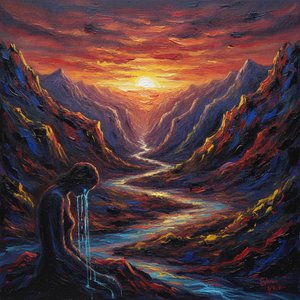
Capturing Emotion: A Journey Through the Soul of Expressionist Landscapes
Explore the profound emotional depth of Expressionist landscapes. Discover how Post-Impressionist masters moved beyond light to capture the soul through vibrant color and form. A curated journey for true art lovers seeking the beauty of expressive mastery.
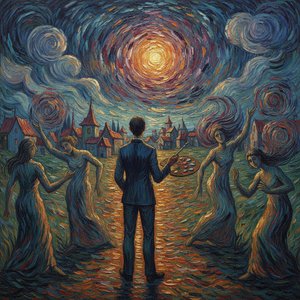
Beyond the Light: Capturing Emotion Through the Expressive Soul of Post-Impressionism
Explore the profound emotional depth of Post-Impressionism. Discover how masters like Van Gogh and Cézanne moved beyond light to capture raw feeling through color and texture. A journey into art history for the true connoisseur.