


 Voorvertoning
 Verstuur
 Delen
Delen
 Details bekijken
 Gids
Gids

 Download
 Vergelijkbare items
 Röntgenonderzoek
 Diavoorstelling
 Statistieken
Loch Katrine


Sir John Lavery’s ‘Loch Katrine’ captures an Impressionistic moment of serene tranquility with its vast loch and hazy mountains. This 1913 oil painting evokes Edwardian beauty through loose brushwork and subtle color, perfect for art lovers.
 Lees meer
Sir John Lavery (1856-1941): Een Brits schilder van portretten en maatschappelijke scènes, sterk beïnvloed door Whistler. Hij gaf een uniek beeld van zijn tijd.
Giclée / Kunstafdrukken
Giclée- of canvasafdruk van museumkwaliteit met een snelle productie en flexibele afwerkingsmogelijkheden. ( Bestel handgeschilderde reproductie Schakel over naar digitale afbeeldingen)




P118B €10

P118H €10

P118W €10

P438Z €10

P508JH €12

P508YH €12

P805H €10

P805Z €10

P919BZ €10

P919G €10

P919XJ €10

P959ZH €10

P968JZ €12

W106C €8

W218G €10

W218JH €8

W218Y €10

W307PJ €10

W316G €10

W316PJ €8

W316Y €10

W398PJ €8

W4111J €10

W500HY €15

W500JH €15

W692G €12

W849H €8

W940BG €15

W953PJ €8




Standaardformaat
op maat gemaakt
CM
INCH
Kies uit onze vooraf ingestelde maten die overeenkomen met de originele verhoudingen van het kunstwerk.
Loading sizes...

breedte
hoogte
Voer de gewenste breedte en hoogte in, passend bij uw lijst of muur. Een afdruk kan alleen worden ingekort en nooit groter worden gemaakt dan het origineel; een formaat met andere verhoudingen zal daarom een deel van de afbeelding verliezen. Wij sturen u een digitaal mockup ter goedkeuring voordat we tot drukwerk overgaan. De afbeelding op deze pagina toont niet de werkelijke uitsnede — dit is alleen te zien op het mockup.
Wereldwijde levering () binnen 2 weken in plaats van de standaard 4/5 weken. (25 oktober)

Gratis wereldwijde expressverzending

Hoogwaardig linnen canvas

Volledige verzendverzekering

Garantie op terugbetaling van invoerrechten

Garantie op exacte kleurweergave

Retourbeleid van 100 dagen (alleen bij defecten)

100% Geld-terug-garantie

Korting bij meerdere afnames
 De optie voor glas is alleen beschikbaar bij een formaat kleiner dan 110 cm.

Loch Katrine
Giclée / Kunstafdrukken
Afmetingen reproductie
-


Eindtotaal
€ 61
Loch Katrine: A Moment Frozen in Impressionistic Light
Sir John Lavery’s “Loch Katrine” isn't merely a depiction of a Scottish landscape; it’s an embodiment of the Edwardian spirit—a yearning for beauty amidst societal change and a fascination with capturing fleeting impressions. Painted in 1913, this oil on canvas masterpiece exemplifies Lavery’s signature style: Impressionistic brushwork combined with meticulous attention to atmospheric perspective and subtle tonal shifts. The painting transports viewers back to a time of aristocratic leisure and artistic experimentation, offering a glimpse into the visual language of its era.Composition & Technique – Embracing Fluidity
The canvas is dominated by the tranquil expanse of Loch Katrine, occupying approximately two-thirds of the frame—a deliberate choice that underscores Lavery’s desire to convey grandeur and serenity. The mountains rising in the background serve as a grounding element, receding into hazy distance thanks to atmospheric perspective – a technique perfected during Lavery's Parisian studies. Notice how the artist eschews sharp lines; instead, he employs loose brushstrokes to create an undulating surface that mimics the movement of water and reflects the sky’s muted hues. This impasto technique—thickly applied paint—adds textural richness and enhances the realism of the scene, particularly evident in the rougher surfaces of the trees. Furthermore, Lavery skillfully utilizes “broken color,” applying small touches of complementary hues alongside each other to achieve luminous vibrancy and capturing the ephemeral quality of light.Color Palette & Emotional Resonance – Shades of Tranquility
The painting’s color palette is deliberately restrained, favoring cool shades of grey, blue-grey, brown, and olive green—a masterful reflection of the overcast Scottish Highlands. These muted tones contribute to an overall mood of contemplative peace, mirroring the solitary figure seated beside the loch. The subtle variations in tone across the water surface subtly convey the interplay between sky and landscape, creating a harmonious visual experience. Lavery’s careful consideration of color isn't simply aesthetic; it serves to evoke feelings of solitude and wonder—themes prevalent throughout Impressionistic art.Historical Context & Artistic Influences – Whistler’s Legacy
Lavery’s artistic journey was profoundly shaped by his exposure to Whistler’s pioneering explorations into tonal harmony and optical illusion. Like Whistler, Lavery sought to capture the essence of a moment rather than striving for photographic accuracy—a hallmark of Impressionism itself. The painting speaks to the broader cultural preoccupation with landscape as a source of inspiration and spiritual contemplation during the Edwardian period. It represents a pivotal contribution to British art history, cementing Lavery’s reputation as one of Scotland's foremost portraitists and securing his place among the artistic luminaries of his time.Symbolism – A Reflection of Victorian Idealism
The solitary figure with an umbrella embodies Victorian ideals of gentlemanly contemplation—a quiet observer absorbing the beauty of nature. This deliberate inclusion adds a human element to the landscape, prompting viewers to consider their own relationship with the natural world and inviting reflection on themes of solitude and serenity. “Loch Katrine” remains a testament to Lavery’s artistic vision and his ability to distill complex emotions into a single, unforgettable image—a timeless masterpiece that continues to inspire admiration for its beauty and technical prowess.Veelgestelde vragen
Wat is de kunsthistorische betekenis van "Loch Katrine" door Sir John Lavery?
Historisch gezien is "Loch Katrine" een Impressionistic Landscape werk uit het bredere 19th Century tijdperk.
Wie is de kunstenaar achter "Loch Katrine"?
De kunstenaar achter "Loch Katrine" is Sir John Lavery. Het werk is gecatalogiseerd onder de naam van Sir John Lavery.
Is "Loch Katrine" een van de meest populaire werken van Sir John Lavery?
"Loch Katrine" wordt geclassificeerd als Recognized.


Biografie kunstenaar
A Life Immersed in Portraiture and Society
Sir John Lavery, geboren in Belfast in 1856, was een schilder die de geest van zijn tijd moeiteloos vastlegde – een tijd gekenmerkt door zowel uitbundige Edwardiaanse maatschappij als de sombere realiteit van oorlogstijd. Zijn reis van bescheiden begin tot het worden van een van Groot-Brittannië’s meest gevraagde portretkunstenaars is een getuigenis van zijn talent, ambitie en vermogen om zich te bewegen door de complexe sociale stromingen van zijn tijd. Orfan geworden in een vroege leeftijd, werd Lavery overgebracht naar Schotland, waar hij tijdens de jaren 70 fundamentele training ontving aan de Haldane Academy in Glasgow. Deze initiële blootstelling ontstondde een passie die zou leiden tot verdere studies aan de Académie Julian in Parijs in de vroege jaren 80, waardoor hij zich midden in het hart van Europese artistieke innovatie bewaakte.Na zijn terugkeer naar Glasgow werd Lavery snel geassocieerd met de invloedrijke Glasgow School beweging, waarbij hij haar esthetische principes opnam en connecties sloot die zijn vroege ontwikkeling vormden. Een cruciale gebeurtenis was in 1888 toen hij een prestigieuze opdracht kreeg: het schilderen van het staatsbezoek van Koningin Victoria aan de Glasgow International Exhibition. Dit markeerde een keerpunt, waardoor hij werd opgeroepen tot de kring van de hogere wereld en kort daarna verhuisd naar Londen. De opdracht was niet alleen een professionele triomf; het signaliseerde Lavery’s aankomst als een kunstenaar in staat om niet alleen gelijkenis maar ook de grandeur en autoriteit van zijn onderwerpen vast te leggen.
Invloeden en Artistieke Ontwikkeling
Lavery’s artistieke zintuigen werden diep beïnvloed door verschillende sleutelinvloeden, met name James McNeill Whistler. Hij bewonderde Whistler’s nadruk op tonale harmonie, atmosferische effecten en een verfijnde esthetische gevoeligheid – kwaliteiten die kenmerken van zijn eigen stijl zouden worden. De invloed is zichtbaar in de delicate penseelstreken en subtiele kleurenpaletten die door zijn oeuvre lopen. Naast Whistler absorbeerde Lavery lessen uit het Franse Impressionisme, waarbij hij elementen van het gebroken kleurgebruik en de nadruk op het vastleggen van flitsende momenten van licht integreerde. Echter, hij omarmde volledig de radicale afwijking van traditionele vorm die Impressionisme kenmerkte; in plaats daarvan synthetiseerde hij deze invloeden tot een uniek persoonlijk stijl die elegantie combineerde met moderniteit.
Zijn vroege werk toonde vaak scènes uit het dagelijks leven en landschappen, maar zijn meesterschap in portrettering was de sleutel tot zijn reputatie. Lavery bezat een buitengewone vaardigheid om de essentie van zijn onderwerpen – hun persoonlijkheid, sociale status en innerlijke levens – op doek vast te leggen. Hij combineerde op een bekwame manier Impressionistische technieken met een scherp oog voor detail, waardoor portretten ontstonden die zowel esthetisch aantrekkelijk als psychologisch inzichtelijk waren. Hij registreerde niet alleen verschijningsbeelden; hij interpreteerde karakter.
Oorlogsdokumentatie en Nationale Erkendheid
De uitbraak van de Eerste Wereldoorlog bracht een nieuwe dimensie aan Lavery’s artistieke praktijk. Net als William Orpen werd hij benoemd tot officiële oorlogskunstenaar, belast met het documenteren van het conflict. Ondanks voortdurende gezondheidsproblemen en een traumatische auto-ongeluk – een gevolg van een Zeppelin-aanval – kon hij niet dienen aan de Westelijke Fronten. Onverstoord richtte Lavery zijn aandacht op scènes in Groot-Brittannië, waarbij hij de sfeer van oorlogstijd vastlegde door middel van beelden van schepen, vliegtuigen en luchtschepen. Deze werken bieden een uniek perspectief op het oorlogsproces, met de focus op technologische ontwikkelingen en logistieke uitdagingen die kenmerkend waren voor de oorlog thuisfront.
Na de oorlog werd Lavery’s bijdragen formeel erkend met een eretitel en benoeming tot de Royal Academy. Zijn leven werd steeds meer verweven met de sociale en politieke elite, in het bijzonder de Asquith-familie. Hij bracht veel tijd door in hun Thames-kant woning, waarbij hij portretten creëerde en idyllische scènes vastlegde die een glimp gaven van hun bevoorrechte wereld. Hij werd ook betrokken bij de turbulente gebeurtenissen rondom de Ierse onafhankelijkheid, waardoor zijn Londense huis een neutrale plek werd voor cruciale verdragsonderhandelingen.
Erfgoed en Duurzaam Impact
Sir John Lavery’s nalatenschap strekt zich uit verder dan zijn indrukwekkende oeuvre. Hij was een charismatische figuur die moeiteloos tussen artistieke kringen en de hogere wereld heen ging, waardoor hij een symbool werd van de dynamiek van die tijd. Zijn portretten worden nog steeds hoog aangeschreven om hun elegantie, technische vaardigheid en inzichtelijke karakterisaties. Opmerkelijk genoeg verscheen zijn allegorische figuur van Ierland op Ierse bankbiljetten van 1928 tot 1975 – een getuigenis van zijn blijvende nationale betekenis.
Lavery’s artistieke stijl, gekenmerkt door een combinatie van Impressionistische technieken en nauwkeurig detail, inspireert kunstenaars nog steeds. Zijn vermogen om de essentie van zijn onderwerpen vast te leggen, in combinatie met zijn meesterschap in licht en kleur, zorgt ervoor dat zijn werk voor generaties naar voren zal worden gekeken. Hij was een kunstenaar die niet alleen zijn tijd documenteerde maar ook een deel ervan vormde, waardoor hij een onuitwisbare stempel op de Britse kunstgeschiedenis heeft nagelaten.
Belangrijkste Kenmerken van Zijn Kunst
- Impressionistische Technieken: Integreerde elementen van het Impressionisme in zijn werk, met name in het gebruik van licht en kleur.
- Portrettering Expertise: Bekend om zowel fysieke gelijkenis als psychologische diepgang vast te leggen in zijn portretten.
- Belangrijke thema’s: Portretten, maatschappelijke scènes, oorlogsdokumentatie, landschappen.
- Elegante stijl: Zijn schilderijen worden vaak gekenmerkt door hun elegantie, levendigheid en verfijnde esthetische gevoeligheid.

Sir John Lavery
1856 - 1941 , Ierland
Belangrijkste feiten
- Artistic Movement Or Style: Impressionisme, Portretkunst
- Artists Who Influenced This Artist: ['James McNeill Whistler']
- Date Of Birth: 1856
- Date Of Death: 1941
- Full Name: Sir John Lavery
- Nationality: Iers
- Notable Artworks:
- Mrs Lavery
- Michael Collins
- Sommer op de rivier
- Place Of Birth: Belfast, Ierland
Gerelateerde artikelen

Capturing the Soul: The Most Emotionally Moving Impressionist and Post-Impressionist Masterpieces
Discover the profound emotional depth of Impressionist and Post-Impressionist masterpieces. Explore how legends like Monet, Van Gogh, and Gauguin captured light and soul through evocative landscapes and vibrant brushwork for a timeless connection to art history.

The Beauty of Impermanence: Capturing Decay through Impressionist Eyes
Explore the profound beauty of impermanence through Impressionist and Post-Impressionist eyes. Discover how masters like Monet and Van Gogh captured fleeting light and the poetic essence of nature's transitions in our deep dive into art history and emotional landscapes.

Beyond the Light: Capturing Raw Emotion and Subjective Vision in Post-Impressionist Landscapes
Explore the profound emotional depth of Post-Impressionist landscapes. Discover how masters like Van Gogh moved beyond light to capture raw human feeling through vibrant color and expressive texture in this expert art history retrospective.

The Magic of Lithography: Capturing Light and Texture in Every Impressionist Print
Discover the enchanting world of lithography through an Impressionist lens. Explore how this timeless technique captures the luminous light and delicate textures of masters like Monet and Renoir, offering a profound way to bring art history into your home with elegance and soul.
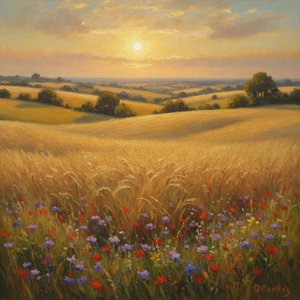
Golden Fields & Sun-Drenched Meadows: Capturing the Soul of Impressionist Landscapes
Immerse yourself in the luminous world of Impressionist landscapes. Discover how masters like Monet and Gauguin captured ephemeral light through plein air painting, and learn to bring the soul of sun-drenched meadows into your home with exquisite, hand-painted oil reproductions.
Ontdek kunstwerken georganiseerd op thema, stijl en kenmerk.


