
Getoond: · Inclusief lijst:
 Voorvertoning
 Verstuur
 Delen
Delen
 Details bekijken
 Gids
Gids

 Download
 Vergelijkbare items
 Röntgenonderzoek
 Diavoorstelling
 Vraag & antwoord
 Statistieken

€ 240
Handgemaakte olieverfreproductie
Met de hand geschilderd in olieverf op canvas in uw gewenste maat en lijst, op bestelling gemaakt door onze kunstenaars. ( Schakel over naar print Schakel over naar digitale afbeeldingen)
Formaat
·Standaardformaat
op maat gemaakt
CM
INCH
Kies uit onze vooraf ingestelde maten die overeenkomen met de originele verhoudingen van het kunstwerk.
Afmetingen laden...

breedte
hoogte
Voer de breedte en hoogte in die u nodig heeft, passend bij uw lijst of uw muur. Omdat dit handgeschilderd is, kan de kunstenaar bij een afmeting met een andere beeldverhouding iets meer rondom het schilderij schilderen of juist iets meer weglaten — u kiest zelf. Wij sturen u een digitaal mockup ter goedkeuring voordat het schilderwerk begint. De afbeelding die op deze pagina wordt getoond, is niet het uiteindelijke resultaat — alleen de mockup geeft dit weer.
 Lees meer over
Afronden
·
Wit €1

Vervagende randen €1

Doorlopende rand €1

P118B €10

P118H €10

P118W €10

P438Z €10

P508JH €12

P508YH €12

P805H €10

P805Z €10

P919BZ €10

P919G €10

P919XJ €10

P959ZH €10

P968JZ €12

W106C €8

W218G €10

W218JH €8

W218Y €10

W307PJ €10

W316G €10

W316PJ €8

W316Y €10

W398PJ €8

W4111J €10

W500HY €15

W500JH €15

W692G €12

W849H €8

W940BG €15

W953PJ €8

H24-GOLD €30

H24-SILVER €30

H36-GOLD €45

H36-SILVER €45
Verzonden in een beschermende koker, klaar om door uw eigen frameur te worden ingelijst.
Extra's
optioneelWat zijn de extra's precies?
Voorbeelden van wat aangepast kan worden: Vervang het gezicht door een foto van de klant; Voeg een huisdier toe (bijv. vervang de kat door een hond); Voeg een verborgen boodschap toe aan de achtergrond; Wijzig het landschap of de elementen in de achtergrond.
Na de bestelling zal het team van TopImpressionists.com per e-mail contact opnemen met de klant voor instructies en een mockup-voorbeeld verstrekken
Na de bestelling zal het team van TopImpressionists.com per e-mail contact opnemen met de klant voor instructies en een mockup-voorbeeld verstrekken
Wereldwijde levering () binnen 3 tot 4 weken in plaats van de standaard 5 weken. (4 november). Zonder concessies aan de kwaliteit.
Beschermende vernislaag
Naamplaatje
Details van de gegraveerde bronzen plaat
This elegant plaque features the artist's name and the title of the artwork, finely engraved for a timeless presentation.
It is made from bronze with a refined, elegant finish. The text is precisely laser-engraved for a sharp and permanent result. Measuring 9x2 cm, the plaque is compact yet easy to read. It's built to be durable and scratch-resistant, offering a professional, museum-quality look. Mounting is simple thanks to the included adhesive backing.
Details transparante acrylplaat
The plaque includes essential engraved details such as the artist's name, the title of the artwork, the date it was created, the type of media used-like oil on canvas or watercolor-a brief description of the piece, and a QR code that links to the complete artwork information.
It is crafted from clear acrylic, offering a sleek, modern appearance. The text is UV-engraved in black to ensure strong visual contrast. With a size of 10x15 cm, it ensures optimal readability. It comes equipped with two metal hooks for secure wall mounting. The plaque is designed to be weather-resistant, making it suitable for various environments, and it includes interactive features that work seamlessly with smartphone scanning.
Details zwarte acrylplaat
This elegant plaque includes engraved information such as the artist's name, the title of the artwork, the date it was created, the type of media used (like oil on canvas or watercolor), a short description of the artwork, and a QR code for quick access to more information.
The plaque itself is made from refined black acrylic with a premium finish. The text is laser-engraved in white for high contrast and readability. Its size is 10x15 cm, designed to be easy to read. It comes with two metal hooks for professional mounting. The design is sleek and fits any interior style. It is also weather-resistant and durable, with built-in digital integration for mobile compatibility.
De optie voor glas is alleen beschikbaar bij een formaat kleiner dan 110 cm.
 De optie voor glas is alleen beschikbaar bij een formaat kleiner dan 110 cm.
- Gratis wereldwijde expressverzending
- Hoogwaardig linnen canvas
- Volledige verzendverzekering
- Garantie op terugbetaling van invoerrechten
- Garantie op exacte kleurweergave
- Retourbeleid van 100 dagen (alleen bij defecten)
- 100% Geld-terug-garantie
- Korting bij meerdere afnames


Beschrijving verzamelobject
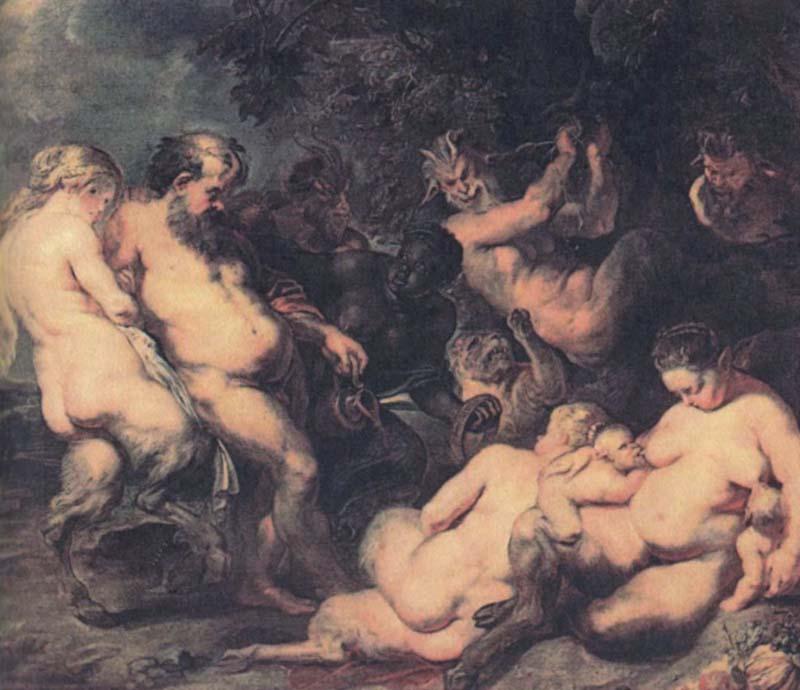
Experience the raw energy of Rubens' "Bacchanale"! This Baroque masterpiece captures a wild celebration with nude figures, vibrant colors, and dynamic movement – a captivating glimpse into 17th-century ecstasy.
Biografie kunstenaar
Peter Paul Rubens: Een meester van de Barok! Bekend om dynamische composities, levendige kleuren & iconische werken zoals 'De Kruisafname'. Ontdek zijn leven & kunst.
Over het schilderij
The Frenzied Dance of Divinity: Peter Paul Rubens’s “Bacchanale”
Peter Paul Rubens' "Bacchanale," painted around 1615, isn’t merely a depiction of revelry; it’s a visceral embodiment of the Baroque spirit—a tempestuous collision of classical mythology, raw emotion, and dynamic movement. This monumental oil on canvas transports us to a moonlit forest, teeming with figures caught in an ecstatic dance before Bacchus, the god of wine and fertility. The painting pulsates with life, demanding our attention and inviting us into its chaotic, intoxicating world. It’s a work that speaks not just to the eye but directly to the senses, capturing the very essence of unbridled joy and primal instinct.
Rubens, a master of color and composition, was deeply influenced by the Counter-Reformation's need for dramatic religious imagery. Yet, he skillfully blended this influence with his own exuberant style, creating works that were both profoundly spiritual and intensely sensual. “Bacchanale” exemplifies this duality perfectly. The figures, rendered in Rubens’ signature glowing palette of reds, golds, and deep blues, are not idealized heroes but deeply human—prone to lust, intoxication, and a complete abandonment of restraint. This departure from the more restrained styles of earlier periods was revolutionary, reflecting a shift towards embracing earthly pleasures within a framework of religious devotion.
A Symphony of Form and Color
Technically, “Bacchanale” is a tour de force. Rubens’s brushwork is loose and energetic, creating an immediate sense of movement and dynamism. Notice how he uses rapid, short strokes to depict the swirling fabrics and the frenzied gestures of the dancers. The figures are not meticulously rendered with anatomical precision; instead, they are captured in moments of intense emotion, their forms simplified and exaggerated to heighten the drama. The use of *chiaroscuro* – the dramatic contrast between light and dark – further emphasizes this sense of movement and adds a layer of theatricality to the scene. The lighting seems to emanate from within the figures themselves, bathing them in an otherworldly glow.
Rubens’s mastery of color is equally remarkable. He employs a vibrant, almost overwhelming palette, using rich reds and golds to represent the intoxicating effects of wine and revelry. These warm tones are juxtaposed with cooler blues and greens, creating a dynamic visual tension that mirrors the emotional turmoil of the scene. The sheer intensity of the colors contributes significantly to the painting’s overall impact, drawing the viewer into its chaotic embrace.
Mythological Roots and Symbolic Layers
The subject matter itself—the bacchanal—is steeped in classical mythology. The Bacchanalia were wild festivals held in honor of Dionysus (Bacchus), where participants indulged in wine, music, dance, and ecstatic rituals. These celebrations represented a temporary escape from the constraints of civilized society, a return to primal instincts and a celebration of life’s fleeting pleasures. In “Bacchanale,” Rubens transforms this ancient myth into a powerful allegory for human nature—a reminder of our capacity for both joy and excess.
Beyond the mythological narrative, the painting is rich in symbolic detail. The abundance of food and drink symbolizes fertility and prosperity, while the nudity of the figures represents freedom from shame and social constraints. Even the forest setting itself can be interpreted symbolically—representing a wild, untamed space where human desires are unleashed without restraint. The inclusion of satyrs and nymphs further reinforces the painting’s connection to pagan traditions, adding another layer of complexity to its meaning.
A Legacy of Baroque Grandeur
“Bacchanale” stands as one of Rubens' most celebrated works, a testament to his artistic genius and his ability to capture the spirit of the Baroque era. Its dramatic composition, vibrant colors, and powerful emotional impact continue to resonate with viewers today. Reproductions of this masterpiece offer a remarkable opportunity to experience the intensity and dynamism of Rubens’s vision—a chance to step into a world of ecstatic revelry and witness the raw beauty of human passion. It's a painting that invites contemplation, sparking questions about our own relationship to pleasure, excess, and the enduring power of myth.
Veelgestelde vragen
Hoe wordt de stemming van "Bacchanale" door Peter Paul Rubens beschreven?
De algehele stemming van "Bacchanale" door Peter Paul Rubens is Dramatic. De stemming beschrijft de algemene atmosfeer van het werk.
Kan ik "Bacchanale" in meer detail bekijken?
De Röntgenanalyse-pagina van "Bacchanale" door Peter Paul Rubens is een interactieve viewer waarmee u door elf optische lagen van het kunstwerk kunt glijden, inclusief een weergave in röntgenstijl.
Welke afmeting van "Bacchanale" door Peter Paul Rubens past in de aanbevolen kamer?
Voor een Living Room is de aanbevolen afmeting voor de print van "Bacchanale" door Peter Paul Rubens Large.
Snelle feiten en kunstquiz
Over Peter Paul Rubens

Peter Paul Rubens
1577 - 1640, Duitsland
Biografie kunstenaar
A Life Forged in Baroque Splendor
Sir Peter Paul Rubens, een naam die resoneert met de essentie van Barokse dynamiek, was veel meer dan simpelweg een schilder. Hij was een diplomaat, een geleerde en een culturele architect die de artistieke landschap van 17e-eeuwse Europa fundamenteel veranderde. Geboren in Siegen, Duitsland, in 1577, werd zijn jeugd gekenmerkt door verplaatsing – een vormende ervaring die subtiel een onderliggende spanning en emotionele diepte zou introduceren in latere werken. Zijn vader, Jan Rubens, een advocaat op de vlucht voor religieuze vervolging vanwege zijn calvinistische overtuigingen, trok het gezin weg uit Antwerpen, toen onder Spaanse heerschappij. Deze initiële ballingschap instilledde een gevoel van veerkracht en aanpassingsvermogen in jonge Peter Paul, kwaliteiten die hem gedurende zijn veelzijdige carrière goed zouden dienen. Na de dood van zijn vader in 1587 keerden de familie terug naar Antwerpen, waar hij een humanistische opleiding genoot voordat hij rond 1590 begon met zijn artistieke training, onder supervisie van Tobias Verhaecht en Adam van Noort, waarbij hij fundamentele vaardigheden in tekenen en schilderen ontwikkelde. Echter, zijn tijd met Otto van Veen bleek cruciaal te zijn, waardoor hij de rijke erfenis van Italiaanse Renaissance kunst werd blootgesteld – een wereld die hij snel zou omarmen.De Italiaanse Opwekking en Artistieke Synthese
In 1600 verliet Rubens op zoek naar inspiratie een transformatieve reis naar Italië, een pelgrimstocht die zijn artistieke visie onherstelbaar vormde. Gedurende acht jaar dompelde hij zich onder in de meesterwerken van Michelangelo, Raphael en Titiaan, waardoor hij hun beheersing van vorm, kleur en compositie opnam. De invloed van deze Renaissance-grootheden is direct zichtbaar in zijn vroege Italiaanse werken, gekenmerkt door klassieke thema’s en geïdealiseerde figuren. Rubens kopieerde echter niet simpelweg; hij synthetiseerde deze invloeden met zijn eigen talent, waardoor een kenmerkende stijl ontstond die gedomineerd werd door levendige kleuren, dynamische composities en een sensuele weergave van de menselijke vorm. Hij bestudeerde anatomie nauwkeurig, wat resulteerde in figuren die zowel fysieke realisme als emotionele kracht vertoonden – stevige lichamen gevuld met leven en beweging. Deze periode was niet alleen gericht op artistische ontwikkeling; het was een diepe intellectuele ontdekking, die een diepe waardering voor klassieke mythologie en literatuur bevorderde, thema’s die herhaaldelijk terug zouden komen in zijn oeuvre. Na zijn terugkeer naar Antwerpen in 1608 vestigde Rubens zich snel als de leidende kunstenaar van zijn tijd, waarbij hij werd overspoeld met opdrachten die zijn groeiende reputatie en positie aan de vooravond van Vlaamse kunst bevestigden.Een Meester van Veel Vormen: Schilderen Buiten Grenzen
Rubens’s artistieke output was ongelooflijk divers en productief. Hij beperkte zich niet tot één genre; in plaats daarvan excelleerde hij in geschiedenisschilderingen, mythologische scènes, portretten, landschappen en religieuze werken – een getuigenis van zijn veelzijdigheid en grenzeloze creativiteit. Zijn grote doeken, vaak bedoeld voor kerken, paleizen en openbare ruimtes, waren adembenemende demonstraties van technische meesterschap en dramatische storytelling. De Afdaling van het Kruis (c. 1612-1614) illustreert zijn meesterlijke gebruik van licht en schaduw om een scène te creëren vol diepgaande emotionele intensiteit, waardoor de toeschouwer in het hart van het verhaal wordt getrokken. Het Oostenigen van het Kruis (1610-1611), met zijn draaiende figuren en dynamische compositie, laat zien hoe hij beweging en energie kan overbrengen – een kenmerk van zijn Barokke stijl. Zelfs in statische onderwerpen zoals De Judgement van Paris (c. 1636) voegde Rubens een gevoel van leven en vitaliteit toe door zijn levendige kleurenpalet en sensuele weergave van de menselijke vorm. Zijn techniek was even indrukwekkend – een meesterlijke beheersing van olieverf, waarbij hij impasto gebruikte om textuur en diepte te creëren, in combinatie met delicate glazuurtechnieken om levendige effecten te bereiken. Hij gebruikte vaak allegorische figuren en symbolische beelden, waardoor complexe betekenissen werden toegevoegd aan de werken die tot nadenken aanzetten.Diplomatie, Erfgoed en Duurzame Invloed
Rubens’s invloed strekte zich ver buiten het kunstgebied uit. Zijn diplomatieke vaardigheden waren zeer gewild in de Zuidelijke Nederlanden (moderne België), en hij voerde verschillende missies uit naar Engeland, Frankrijk en Spanje, waarbij hij verdragen onderhandelde en politieke allianties bevorderde – een unieke dubbele rol die hem een genuanceerd perspectief op Europese aangelegenheden opleverde en zijn reputatie als een man van intellect en invloed verder versterkte. In 1622 werd hij door Maria de Medici, weduwe van koning Hendrik IV van Frankrijk, aangesteld om een enorm project uit te voeren in Parijs. Twee hele galerijen waren bedoeld om met scènes uit het leven van de vorst te worden versierd. De opdracht was een getraumatiserende onderneming. Maria was onhandig en veranderlijk; haar favoriete, kardinaal Richelieu, zag Rubens als een politieke bedreiging. Na jarenlange onderhandelingen werd de opdracht geannuleerd half voltooid toen Maria uit Parijs werd verbannen. In 1625 raakte Antwerpen getroffen door de pest. Rubens verplaatste zijn familie naar Brussel totdat het ergste voorbij was, maar toen keerde hij terug naar Antwerpen waar zijn vrouw, helaas, ziek werd en stierf. Hij was meestal een man die zichzelf stoïcijns probeerde te houden, maar de verlies van ‘iemand whom I must love and cherish as long as I live’ trok hem diep in elkaar. Hij stortte zich in zijn diplomatieke werk om zichzelf te vermaken. Hij bracht verschillende maanden door in Engeland waar hij Charles I, koning van Engeland, een opdracht gaf. In zowel Frankrijk als Engeland arriveerde Rubens als kunstenaar en verliet hij als vertrouweling van de machtige en gevaarlijke. Tijdens zijn reizen onderhandelde hij allianties voor Isabella Clara Eugenia, de gouverneur van het Spaanse Nederland. In ruil daarvoor schonk Isabella een ridderorden aan haar loyale schilder, en de kunstenaar werd Sir Peter Paul Rubens.Belangrijkste Kenmerken van Rubens’ Stijl
- Dynamische Compositie: Rubens' schilderijen staan bekend om hun energieke en dramatische opstellingen van figuren.
- Levendige Kleurenpalet: Hij gebruikte een rijke, warme kleurenschema dat zijn doeken tot leven bracht.
- Sensuele Figuren: Zijn weergave van de menselijke vorm was gekenmerkt door volheid, vitaliteit en vaak, open sensualiteit.
- Meesterlijk Gebruik van Licht en Schaduw: Rubens manipuleerde licht en schaduw meesterlijk om diepte, drama en emotionele impact te creëren.
- Allegorische Symboliek: Zijn werken bevatten vaak allegorische figuren en symbolische beelden, waardoor complexe betekenissen werden toegevoegd aan de werken die tot nadenken aanzetten.
Snelle feiten over Peter Paul Rubens
- Artistic Movement Or Style: Barok
- Artists Or Movements Influenced By This Artist: ['Anthony van Dyck']
- Artists Who Influenced This Artist:
- Michelangelo
- Titian
- Date Of Birth: 28 juni 1577
- Date Of Death: 30 mei 1640
- Full Name: Sir Peter Paul Rubens
- Nationality: Vlaming
- Notable Artworks:
- Afdaling Kruis
- Vier Hoekpunten Wereld
- Place Of Birth: Siegen, Duitsland
Ontdek kunstwerken georganiseerd op thema, stijl en kenmerk.


Peter Paul Rubens
Bacchanale
() ·
Inclusief lijst: · Met de hand geschilderd in olieverf op linnen
Totaal