

 Voorvertoning
 Verstuur
 Delen
Delen
 Details bekijken
 Gids
Gids

 Download
 Vergelijkbare items
 Röntgenonderzoek
 Diavoorstelling
 Vraag & antwoord
 Statistieken
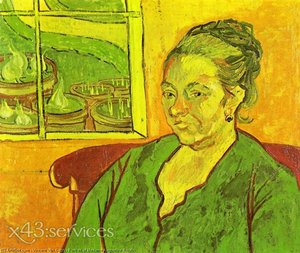
Portrait d


 Lees meer
Giclée / Kunstafdrukken
Giclée- of canvasafdruk van museumkwaliteit met een snelle productie en flexibele afwerkingsmogelijkheden. ( Bestel handgeschilderde reproductie Schakel over naar digitale afbeeldingen)




P118B €10

P118H €10

P118W €10

P438Z €10

P508JH €12

P508YH €12

P805H €10

P805Z €10

P919BZ €10

P919G €10

P919XJ €10

P959ZH €10

P968JZ €12

W106C €8

W218G €10

W218JH €8

W218Y €10

W307PJ €10

W316G €10

W316PJ €8

W316Y €10

W398PJ €8

W4111J €10

W500HY €15

W500JH €15

W692G €12

W849H €8

W940BG €15

W953PJ €8




Standaardformaat
op maat gemaakt
CM
INCH
Kies uit onze vooraf ingestelde maten die overeenkomen met de originele verhoudingen van het kunstwerk.
Loading sizes...

breedte
hoogte
Voer de gewenste breedte en hoogte in, passend bij uw lijst of muur. Een afdruk kan alleen worden ingekort en nooit groter worden gemaakt dan het origineel; een formaat met andere verhoudingen zal daarom een deel van de afbeelding verliezen. Wij sturen u een digitaal mockup ter goedkeuring voordat we tot drukwerk overgaan. De afbeelding op deze pagina toont niet de werkelijke uitsnede — dit is alleen te zien op het mockup.
Wereldwijde levering () binnen 2 weken in plaats van de standaard 4/5 weken. (6 november)

Gratis wereldwijde expressverzending

Hoogwaardig linnen canvas

Volledige verzendverzekering

Garantie op terugbetaling van invoerrechten

Garantie op exacte kleurweergave

Retourbeleid van 100 dagen (alleen bij defecten)

100% Geld-terug-garantie

Korting bij meerdere afnames
 De optie voor glas is alleen beschikbaar bij een formaat kleiner dan 110 cm.

Portrait d
Giclée / Kunstafdrukken
Afmetingen reproductie
-


Eindtotaal
€ 62
A Glimpse into Arlesian Life: Van Gogh's Portrait of Armand Roulin
Vincent van Gogh’s Portrait of Armand Joseph Desire Roulin, painted in December 1888 during his time in Arles, offers a remarkably intimate window into the everyday life of a working-class family. More than just a likeness, this painting embodies Van Gogh's burgeoning empathy and his deliberate attempt to capture not merely appearance but also character – a quality he relentlessly pursued throughout his tragically short career. The subject, Armand Roulin, the eldest son of postmaster Joseph Roulin, is presented with an uncommon directness, meeting the viewer’s gaze with a thoughtful, almost melancholic expression. This isn't the flamboyant self-portraiture that would later define Van Gogh’s style; instead, it’s a quiet observation, a moment frozen in time.
The painting’s composition is deceptively simple yet profoundly effective. The young man, dressed in a vibrant yellow jacket – a color often associated with optimism and energy within Van Gogh's palette – stands against a backdrop of ‘Veronese green,’ a rich, verdant hue that evokes the landscapes of Southern France. This carefully chosen background subtly elevates Armand’s presence, suggesting a connection to the land and its people. The lighting is soft and diffused, highlighting the planes of his face and emphasizing the seriousness in his eyes. Notice how Van Gogh utilizes short, broken brushstrokes – a hallmark of his impasto technique – to build texture and depth onto the surface of the canvas, creating a palpable sense of physicality.
The Painter’s Intimacy: A Friendship Forged in Observation
This particular portrait holds significant weight within Van Gogh's oeuvre. It was created shortly after he established a close friendship with Joseph Roulin and his family, who lived near the Yellow House in Arles where Van Gogh had hoped to establish an artist’s colony. The Roulins became frequent subjects of Van Gogh’s work; he painted numerous portraits of them, capturing their personalities and daily routines. Armand's preference for this version – it is believed to be the second iteration of a similar composition – suggests that Van Gogh had successfully connected with the young man, achieving a level of rapport rarely seen in his commissioned works. This intimacy is crucial to understanding the painting’s emotional resonance; it transcends mere representation and becomes a genuine expression of human connection.
Interestingly, this portrait predates the more turbulent period of Van Gogh's life, marked by increasing mental instability and artistic experimentation. It represents a time when his focus was primarily on observing and documenting the lives around him with a gentle, almost reverent approach. The deliberate simplicity of the pose and the directness of Armand’s gaze speak to this early phase of his development – a period characterized by a profound desire to understand and portray the world through honest observation.
Symbolism and Emotional Resonance
While seemingly straightforward, Portrait of Armand Joseph Desire Roulin is rich in subtle symbolism. The yellow jacket, as mentioned earlier, represents hope and vitality, but it also subtly hints at the potential for change and growth – a characteristic often associated with youth. Armand’s serious expression isn't one of defiance or anger; rather, it conveys a quiet thoughtfulness, perhaps reflecting the burdens and responsibilities of his age. The background, with its verdant hues, connects him to the land and the community he belongs to, grounding him in a tangible reality.
Ultimately, this portrait is a testament to Van Gogh’s ability to capture not just physical likeness but also the essence of a person's character. It’s a poignant reminder of his dedication to portraying the dignity and humanity of ordinary individuals – a commitment that continues to resonate with viewers today. A reproduction of this work offers a beautiful opportunity to bring a piece of Arlesian life into your home, capturing the quiet strength and thoughtful gaze of a young man caught in the currents of history.
Veelgestelde vragen
Welke emotie straalt het Post-Impressionism-werk "Portrait d" uit?
Binnen de Post-Impressionism-stroming is "Portrait d" vastgelegd met een Reflective toon.
Hoe harmonieus zijn de kleuren van "Portrait d" door Vincent Van Gogh?
"Portrait d" door Vincent Van Gogh vertoont een Discordant Palette kleurharmonie.
Voor welke ruimte en welk gebruik wordt "Portrait d" aanbevolen?
"Portrait d" door Vincent Van Gogh wordt aanbevolen voor Reflective, bij voorkeur in een Living Room. Gebruik en ruimte bepalen samen waar een reproductie het beste tot zijn recht komt.
Vergelijkbare kunstwerken




Biografie kunstenaar
Een leven geschilderd in passie: Vincent van Gogh
Vincent Willem van Gogh, een naam die synoniem staat voor levendige kleur en rauwe emotie, blijft een van de meest herkenbare en geliefde figuren uit de kunstgeschiedenis. Geboren op 30 maart 1853 in Zundert, Nederland, is zijn reis van een getroebleerde jonge man op zoek naar een doel tot een artistiek visionair een ontroerend verhaal van toewijding, strijd en uiteindelijk een blijvende erfenis. Hoewel hij tijdens zijn leven weinig commercieel succes behaalde – hij verkocht slechts één schilderij, Het rode wijngaard, voor zijn dood – is de impact van Van Gogh op de moderne kunst onmetelijk; hij plaveide de weg voor het expressionisme en beïnvloedde talloze kunstenaars die hem volgden. Zijn verhaal gaat niet alleen over penseelstreken en canvas; het is een getuigenis van de kracht van menselijke expressie in het aangezicht van tegenspoed.
De vroege jaren en artistieke ontwaking
Van Goghs vroege leven werd gekenmerkt door een reeks onvervulde ambities. Hij probeerde verschillende beroepen – kunsthandelaar, leraar en zelfs missionaris – voordat hij zich op relatief late leeftijd van 27 jaar volledig aan de schilderkunst wijdde. Deze eerdere ervaringen vormden zijn wereldbeeld diepgaand en vonden hun weg naar zijn kunst. Zijn eerste werken, waarin scènes uit het boerenleven in het landelijke België werden afgebeeld, weerspiegelen een diepe empathie voor de arbeidersklasse en een somber palet dat hun ontberingen reflecteerde. Beïnvloed door kunstenaars als Jean-François Millet, zocht Van Gogh naar een manier om de waardigheid en veerkracht van deze mensen vast te leggen door middel van rauw realisme. Het was echter zijn verhuizing naar Parijs in 1886 die transformatief bleek te zijn. Daar maakte hij kennis met het impressionisme en postimpressionisme, waarbij hij de technieken van meesters als Monet, Renoir en Pissarro absorbeerde. Deze blootstelling verbredde zijn artistische horizon en leidde hem tot experimenten met helderdere kleuren en lossere penseelstreken, hoewel hij een duidelijke emotionele intensiteit behield die bij veel van zijn tijdgenoten ontbrak. Zijn broer Theo, een kunsthandelaar, speelde een cruciale rol in deze periode door financiële steun te bieden en als een vitale schakel naar de Parijse kunstwereld te fungeren. Hun uitgebreide correspondentie biedt onschatbare inzichten in Van Goghs artistieke ontwikkeling en persoonlijke strijd.
loosHet zuidelijke licht en explosieve creativiteit
Op zoek naar een levendiger landschap en een gevoel van vernieuwing, verhuisde Van Gogh in 1888 naar Arles in Zuid-Frankrijk. Deze verhuizing markeerde een periode van intense creatieve productie, gekenmerkt door een explosie van kleur en een kenmerkende impasto-techniek – het dik aanbrengen van verf op het canvas, waardoor een textuur ontstaat die lijkt te pulseren met energie. Het was hier dat hij enkele van zijn meest iconische werken produceerde: Zonnebloemen, Het nachtcafé en De sterrennacht. Het intense zonlicht van de Provence leek zijn verbeelding aan te wakkeren, waardoor hij landschappen en stillevens met een ongekende levendigheid kon afbeelden. Zijn verlangen naar artistieke samenwerking leidde ertoe dat hij Paul Gauguin uitnodigde om zich bij hem in Arles te voegen, in de hoop een utopische kunstenaarskolonie te stichten. Hun relatie bleek echter stormachtig en culmineerde in een dramatische confrontatie die resulteerde in het verminken van zijn eigen oor. Deze gebeurtenis onderstreepte de kwetsbaarheid van zijn mentale toestand en markeerde het begin van een periode van institutionalisering en toenemende psychologische nood.
De latere jaren en een blijvende erfenis
Na zijn inzinking trad Van Gogh vrijwillig een inrichting binnen in Saint-Rémy, waar hij productief bleef schilderen en de omringende landschappen met zowel schoonheid als onrust vastlegde. Werken zoals De sterrennacht, geschilderd tijdens deze tijd, zijn doordrenkt van een gevoel van kosmisch wonder en diepe emotionele gelaagdheid. Later verhuisde hij naar Auvers-sur-Oise onder de zorg van Dr. Paul Gachet, maar zijn strijd hield aan. Op 29 juli 1890 stierf Van Gogh op 37-jarige leeftijd tragisch aan een zelfveroorzaakt schotwond. Ondanks het feit dat hij tijdens zijn leven weinig erkenning kreeg, begon zijn werk na zijn dood lof te oogsten, grotendeels dankzij de onvermoeibare inspanningen van zijn schoonzus, Johanna van Gogh-Bonger, die zijn nalatenschap erfde en zich wijdde aan het promoten van zijn kunst. Vandaag de dag worden de schilderijen van Van Gogh wereldwijd gevierd om hun emotionele intensiteit, innovatieve technieken en blijvende schoonheid. Zijn nalatenschap reikt veel verder dan het canvas; hij is een symbool geworden van artistieke passie, doorzettingsvermogen in tijden van tegenspoed en de kracht van kunst om de diepste menselijke emoties uit te drukken.
Belangrijke invloeden en artistieke ontwikkeling
- Vroeg realisme: De afbeeldingen van het boerenleven door Jean-François Millet beïnvloedden Van Goghs vroege werken.
- Impressionisme & Postimpressionisme: Blootstelling aan Monet, Renoir, Pissarro en anderen in Parijs verbreedden zijn palet en techniek.
- Japanse prenten: Van Gogh werd diep beïnvloed door Japanse houtsneden, die hij met passie verzamelde. Hun gedurfde composities en vlakke kleurvlakken hadden een grote impact op zijn eigen stijl.
- Emotionele expressie: Bovenal probeerde Van Gogh emotie over te brengen via zijn kunst, waarbij hij de subjectieve ervaring boven de objectieve representatie stelde. Deze focus op emotionele intensiteit werd een bepalend kenmerk van zijn werk en plaveide de weg voor het expressionisme.

Vincent Van Gogh
1853 - 1890 , Nederland
Belangrijkste feiten
- Artistic Movement Or Style: Post-Impressionisme
- Artists Or Movements Influenced By This Artist:
- Expressionisme
- Fauvisme
- Artists Who Influenced This Artist:
- Rembrandt
- Millet
- Date Of Birth: 30 maart 1853
- Date Of Death: 29 juli 1890
- Full Name: Vincent Willem van Gogh
- Nationality: Nederlands
- Notable Artworks:
- Pommes de terre
- Zonnebloemen
- Sterrennacht
- Place Of Birth: Zundert, Nederland
Gerelateerde artikelen

The Soul of the Brushstroke: Decoding Van Gogh's Emotional Impasto
Explore the profound emotional depth of Van Gogh's impasto technique. Discover how his sculptural brushstrokes and textured oil layers define Post-Impressionism through an expert art-historical lens, perfect for discerning collectors and fine art enthusiasts.
Ontdek kunstwerken georganiseerd op thema, stijl en kenmerk.


