

 Voorvertoning
 Verstuur
 Delen
Delen
 Details bekijken
 Gids
Gids

 Download
 Vergelijkbare items
 Röntgenonderzoek
 Diavoorstelling
 Vraag & antwoord
 Statistieken
School Boy

- 56.0 x 48.0 cm


A tranquil portrait of a young boy in contemplative repose by Harlem Renaissance master William H. Johnson captures a soulful moment of stillness that invites you to bring this piece of American history into your home.
 Lees meer
William H. Johnson (1901-1970) was een invloedrijke Amerikaanse schilder van de Harlem Renaissance, bekend om zijn expressieve portretten en folk art stijl weergaven van het Afro-Amerikaanse leven. Ontdek zijn krachtige modernistische werken!
De kunstwerken die op deze pagina worden weergegeven, zijn beschermd door de auteursrechtwetgeving, wat betekent dat het ons wettelijk niet is toegestaan om identieke reproducties te maken of te verkopen. Deze bescherming wordt gehandhaafd onder internationale overeenkomsten zoals de Conventie van Bern en door nationale wetgeving, waaronder de bepalingen van de Amerikaanse auteurswet - Titel 17. Alle rechten voorbehouden. Reproduceren of distribueren van afbeeldingen is niet toegestaan zonder uitdrukkelijke schriftelijke toestemming van WahooArt.com en de rechthebbenden.
Deze methode voldoet volledig aan de auteursrechtwetgeving, omdat het niet gaat om het kopiëren of dupliceren van het beschermde kunstwerk. In plaats daarvan is er sprake van een creatieve herinterpretatie — een nieuw schilderij dat door het origineel wordt geïnspireerd, maar er niet identiek aan is.
Giclée / Kunstafdrukken
Giclée- of canvasafdruk van museumkwaliteit met een snelle productie en flexibele afwerkingsmogelijkheden. ( Bestel handgeschilderde reproductie Schakel over naar digitale afbeeldingen)




P118B €10

P118H €10

P118W €10

P438Z €10

P508JH €12

P508YH €12

P805H €10

P805Z €10

P919BZ €10

P919G €10

P919XJ €10

P959ZH €10

P968JZ €12

W106C €8

W218G €10

W218JH €8

W218Y €10

W307PJ €10

W316G €10

W316PJ €8

W316Y €10

W398PJ €8

W4111J €10

W500HY €15

W500JH €15

W692G €12

W849H €8

W940BG €15

W953PJ €8




Standaardformaat
op maat gemaakt
CM
INCH
Kies uit onze vooraf ingestelde maten die overeenkomen met de originele verhoudingen van het kunstwerk.
Loading sizes...

breedte
hoogte
Voer de gewenste breedte en hoogte in, passend bij uw lijst of muur. Een afdruk kan alleen worden ingekort en nooit groter worden gemaakt dan het origineel; een formaat met andere verhoudingen zal daarom een deel van de afbeelding verliezen. Wij sturen u een digitaal mockup ter goedkeuring voordat we tot drukwerk overgaan. De afbeelding op deze pagina toont niet de werkelijke uitsnede — dit is alleen te zien op het mockup.
Wereldwijde levering () binnen 2 weken in plaats van de standaard 4/5 weken. (6 november)

Gratis wereldwijde expressverzending

Hoogwaardig linnen canvas

Volledige verzendverzekering

Garantie op terugbetaling van invoerrechten

Garantie op exacte kleurweergave

Retourbeleid van 100 dagen (alleen bij defecten)

100% Geld-terug-garantie

Korting bij meerdere afnames
 De optie voor glas is alleen beschikbaar bij een formaat kleiner dan 110 cm.

School Boy
Giclée / Kunstafdrukken
Afmetingen reproductie
-


Eindtotaal
€ 62
A Moment of Quietude: The Soulful Presence of School Boy
In the quiet corners of mid-century American portraiture, few works capture the tender vulnerability of childhood as poignantly as William H. Johnson’s School Boy. Painted in 1945, this intimate masterpiece invites the viewer into a private sanctuary of rest and reflection. The subject, a young boy seated with a composed yet contemplative posture, rests upon a chair characterized by its striking red frame and vibrant yellow cushion. This deliberate use of color does more than merely decorate the scene; it provides a rhythmic pulse to the composition, contrasting the warmth of the furniture against the soft, perhaps even weary, presence of the child. Clad in what appears to as pajamas, the boy exists in that liminal space between the structured demands of the school day and the restorative embrace of home, offering a glimpse into a moment of profound stillness.
Johnson’s technique in this piece serves as a bridge between the raw honesty of folk art and the sophisticated structural elements of modernism. The artist employs a meticulous attention to detail that breathes life into the boy's facial expression and body language. His hands, placed firmly and symmetrically in his lap, anchor the composition, suggesting a sense of groundedness and internal calm. Through deliberate brushwork, Johnson captures the texture of fabric and the weight of the child's limbs, creating a tactile reality that pulls the observer into the room. The painting does not merely depict a person; it captures an atmosphere—a heavy, beautiful tranquility that resonates with anyone who has ever sought solace in the quietude of a long afternoon.
The Legacy of a Visionary: Context and Emotional Resonance
To understand the depth of School Boy, one must look toward the profound cultural landscape from which William H. Johnson emerged. As a pivotal figure of the Harlem Renaissance, Johnson’s work was deeply informed by his roots in South Carolina and his connection to the spiritual and oral traditions of African American life. While this specific painting leans into a more intimate, portrait-driven style, it carries the unmistakable DNA of his larger mission: to find the extraordinary within the ordinary. The painting serves as a testament to the resilience and dignity of the human spirit, finding monumental importance in the simple act of a child sitting in repose.
For the discerning collector or interior designer, this reproduction offers more than just a visual centerpiece; it provides an emotional anchor for a room. The piece possesses a unique ability to harmonize with diverse decor styles, from contemporary minimalist settings to classic, traditional interiors, due to its balanced palette and emotive power. It acts as a window into a period of American history marked by both struggle and profound artistic rebirth. Bringing School Boy into a living space invites a sense of introspection and peace, making it an ideal selection for those looking to curate an environment that celebrates heritage, quiet strength, and the timeless beauty of the human narrative.
Veelgestelde vragen
Hoe harmonieren de kleuren van "School Boy" met elkaar?
De kleuren van "School Boy" door William H. Johnson vertonen een Unified Palette harmonie. Harmonie beschrijft de onderlinge relatie tussen de kleuren.
Welke emotionele toon gaat gepaard met de Harlem Renaissance-stijl van "School Boy"?
De Reflective emotie van "School Boy" gaat samen met de Harlem Renaissance stijl.
Wat is de aanbevolen afdrukmaat voor "School Boy"?
De aanbevolen afmeting voor de print van "School Boy" door William H. Johnson is Small.


Biografie kunstenaar
Een Pionier van de Harlem Renaissance: Het Leven en Werk van William H. Johnson
William Henry Johnson (1901-1970) is een sleutelfiguur in de Amerikaanse kunstgeschiedenis, met name binnen het bruisende panorama van de Harlem Renaissance. Geboren in Florence, South Carolina, begon zijn artistieke reis te midden van de complexiteit van Jim Crow Amerika, wat zijn wereldbeeld vormde en diepgaand invloed had op zijn kenmerkende visuele taal – een samensmelting van modernistische abstractie en diepgewortelde volkstradities die tot op de dag van vandaag resoneert. Zijn jeugdjaren prenten hem een diepe verbondenheid met de Afro-Amerikaanse cultuur en spiritualiteit in, gevoed door invloeden uit gospelmuziek, verhalen die generaties lang werden doorgegeven, en de iconografie van de Yoruba religie. Deze basis in orale traditie vertaalde zich naar doeken vol symbolische beelden – geesten, dieren en geometrische patronen – die verhalen over strijd, veerkracht en spirituele transcendentie overbrachten.Van Europa tot Mexico: De Vorming van een Unieke Stijl
Johnsons artistieke ontwikkeling ontvouwde zich op meerdere continenten. Hij reisde naar Europa en vervolgens naar Mexico, waar hij zijn vaardigheden aanscherpte door te experimenteren met verschillende media, waaronder olieverf, aquarel en collage. In deze periode omarmde hij technieken zoals impasto – het aanbrengen van dikke lagen verf – om zijn schilderijen een tastbare textuur en emotionele intensiteit mee te geven. Deze benadering weerspiegelde de expressieve kracht die kenmerkend is voor het Expressionisme, maar Johnson behield een unieke esthetiek geworteld in zijn persoonlijke erfgoed. Hij liet zich inspireren door kunstenaars als John Wollaston, en ontwikkelde zo een stijl die zowel modern was als doordrenkt van Afro-Amerikaanse tradities. Zijn reizen waren cruciaal voor het verfijnen van zijn techniek en het ontwikkelen van een eigen visuele taal, vrij van beperkingen en vol persoonlijke expressie.Een Oeuvre Vol Diversiteit: Portretten van Veerkracht en Spirituele Zoektochten
Johnsons oeuvre wordt gekenmerkt door een verbazingwekkende diversiteit aan onderwerpen – portretten die de waardigheid en veerkracht van Afro-Amerikaanse individuen vastleggen, landschappen die de schoonheid van het rurale South Carolina weergeven, en fantastische visies die thema's als mythologie en spiritualiteit verkennen. Zijn werk is niet alleen een weerspiegeling van zijn persoonlijke ervaringen, maar ook een krachtige getuigenis van de Afro-Amerikaanse levenswereld in de 20e eeuw. Belangrijke werken omvatten “The Black Christ” (1938), een monumentaal canvas doordrenkt van Yoruba symboliek dat op indringende wijze geloof en compassie communiceert; "The Great Spirit" (1964), die Johnsons verkenning van sjamanistische beelden belichaamt, en “Black Boy” (1937), een ontroerende weergave van jeugdige onschuld geconfronteerd met tegenspoed. Zijn portretten zijn bijzonder opvallend door hun directe blik en de emotionele diepgang waarmee hij zijn modellen weergeeft.Een Erfenis van Onderwijs en Inspiratie
Naast zijn artistieke prestaties strekt William H. Johnsons nalatenschap zich uit tot zijn rol als educator en mentor, waarbij hij de talenten van jongere kunstenaars bevorderde die vergelijkbare stilistische exploraties omarmden. Zijn invloed is zichtbaar in latere generaties Afro-Amerikaanse schilders die ernaar streefden ervaringen van identiteit en cultureel erfgoed te articuleren door middel van innovatieve visuele vocabulaire. Johnson was een pionier in het gebruik van symboliek en abstractie om complexe sociale en spirituele thema's aan te kaarten. Hij liet een diepe indruk achter op de kunstwereld, niet alleen door zijn unieke stijl, maar ook door zijn toewijding aan het bevorderen van Afro-Amerikaanse artistieke expressie.Een Blijvende Impact: Werken in Vooraanstaande Musea
Vandaag de dag worden Johnsons schilderijen bewaard in prestigieuze musea over de hele wereld – waaronder het Smithsonian American Art Museum en het Hampton University Museum – als bewijs van hun blijvende artistieke waarde en historische betekenis als symbolen van Harlems Renaissances toewijding aan het eerlijk en waardig portretteren van het Afro-Amerikaanse leven. Zijn werk blijft resoneren met een breed publiek, en inspireert tot reflectie over thema's als identiteit, spiritualiteit en de kracht van veerkracht. Johnson’s bijdrage aan de Amerikaanse kunst is onmiskenbaar, en zijn schilderijen blijven een bron van inspiratie voor kunstenaars en kunstliefhebbers wereldwijd.
William H. Johnson
1901 - 1970 , Verenigde Staten van Amerika
Belangrijkste feiten
- Artistieke Stroming: Harlem Renaissance
- Bekende Werken:
- The Black Christ
- The Great Spirit
- Beïnvloed Door: ['John Wollaston']
- Geboortedatum: 1901
- Geboorteplaats: Florence, VS
- Heeft Beïnvloed: ['Expressionisme']
- Nationaliteit: Amerikaans
- Overlijdensdatum: 1970
- Volledige Naam: William Henry Johnson
Gerelateerde artikelen

Mark Rothko's Top 25 Meesterwerken: Kleur, Emotie & Abstracte Kunst voor uw Interieur
Ontdek de top 25 meesterwerken van Mark Rothko! Duik diep in zijn emotionele kleurveldschilderijen en abstract expressionisme. Vind museumkwaliteit Rothko reproducties & interieurinspiratie op TopImpressionists.com.
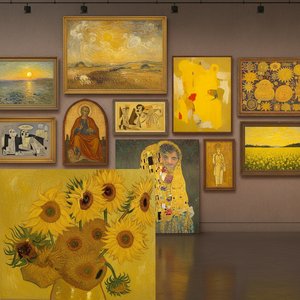
Top 10 Meesterwerken Gedomineerd door 'Chrome Geel': Kunst voor uw Interieur
Ontdek de top 10 beroemde schilderijen gedomineerd door 'Chrome Geel'! Van Gogh, Monet en meer. Leer over kunststijlen & technieken. Museumkwaliteit reproducties voor uw interieur op TopImpressionists.com

Crimson Threads of Narrative: Exploring Symbolism & Representation in Artworks Featuring the Red Dress
Explore the rich symbolism of the red dress in art history! From ancient power displays to iconic portraits like Cézanne’s 'Madame Cezanne', discover the cultural and artistic significance behind this captivating color. Expert analysis & insights.

The Golden Hue: Exploring Symbolism & Emotion in Yellow Art
Explore the rich symbolism & emotional power of yellow in art history! From Van Gogh to Kandinsky, discover how artists used this vibrant hue. Expert analysis & high-quality reproductions at TopImpressionists.
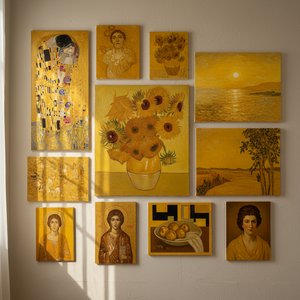
Top 10 Meesterwerken Gedomineerd door Okergeel: Kunst voor uw Interieur
Ontdek de top 10 beroemde schilderijen gedomineerd door okergeel! Van Gogh, Rembrandt & Vermeer – leer hun verhaal en bewonder warme kleuren in kunst. Vind museumkwaliteit reproducties voor uw interieur op TopImpressionists.com.