Atelier — Gratis verzending wereldwijd — Levertijd 2–6 weken
      Azteekse Rijk, 1300 – 1521

      De 70 bekendste schilderijen van Azteekse Rijk

      Mosaic of a Double-headed Serpent (1521) is het schilderij waar Azteekse Rijk het meest om bekendstaat; het maakt deel uit van de collectie van het British Museum, Londen. Head from a Figure, Xochipilli Macuilxochitl (1521) en Figure (1521) maken het trio van meest geliefde doeken compleet. Onze catalogus bevat 70 werken van Azteekse Rijk. Hier zijn de 70 bekendste, inclusief het jaar, het museum en het verhaal achter elk canvas.

      Gerangschikt op basis van onze populariteitsscore, die de zoekopdrachten, bezoeken en bestellingen voor elk werk combineert. Bijgewerkt in oktober 2026. Elk schilderij op deze pagina kan worden besteld als een handgeschilderde oliereductie op linnen canvas, of als een fine art print, uitgevoerd in de door u gekozen afmeting.

      Portret van Azteekse Rijk
      Azteekse Rijk · 1300 – 1521
      Geboren · overleden
      1300 – 1521, Tenochtitlan
      Werken in onze catalogus
      70
      Meest bekend
      Mosaic of a Double-headed Serpent (1521)
      Meeste werken in
      Metropolitan Museum of Art

      De tien meest geliefde schilderijen van Azteekse Rijk

      Mosaic of a Double-headed Serpent (1521) door Azteekse Rijk
      1

      Mosaic of a Double-headed Serpent

      1521 · Mosaic · British Museum, Londen

      To gaze upon this mosaic of a double-headed serpent is to step directly into the vibrant, myth-laden heart of the Aztec Empire. It is not merely an object of decoration; it is a captured echo of profound belief, a testament to a civilization whose artistry wove the sacred into the very fabric of daily existence. The serpentine form dominates the composition, its sinuous body rendered in breathtaking detail across countless…

      Head from a Figure, Xochipilli Macuilxochitl (1521) door Azteekse Rijk
      2

      Head from a Figure, Xochipilli Macuilxochitl

      1521 · Sculpture · Metropolitan Museum of Art, New York

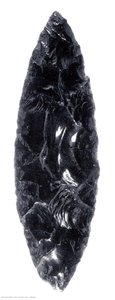
      The obsidian head before us—a dark, almost brooding presence—isn’t merely a sculpture; it's a portal into the vibrant and complex world of the Aztec Empire. Carved in the early 16th century, just decades before the arrival of the Spanish conquistadors, this intimate portrait of Xochipilli Macuilxochitl offers a rare and compelling glimpse into the beliefs, artistry, and ultimately, the fleeting beauty of a vanished civilization. The piece speaks not only…

      Figure (1521) door Azteekse Rijk
      3

      Figure

      1521 · Stone · Metropolitan Museum of Art, New York

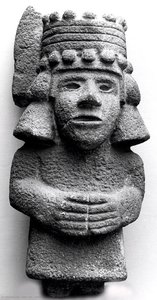
      Before you stands an echo from a civilization whose very name whispers tales of empire and profound spiritual depth: the magnificent "Figure" sculpture. Carved from enduring stone, this piece is not merely an object of antiquity; it is a frozen moment of sacred contemplation. The overall impression is one of solemn power, a tangible connection to the sophisticated worldview of the Aztec people who flourished in the heart of Mesoamerica.…

      Kneeling Male Figure (1521) door Azteekse Rijk
      4

      Kneeling Male Figure

      1521 · Stone · Metropolitan Museum of Art, New York

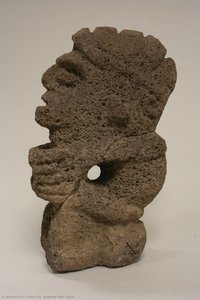
      To gaze upon this fragment is to reach across the vast chasm of five centuries, touching the solemn breath of an empire long dissolved into myth and archaeological wonder. This kneeling male figure, carved from a dark, porous stone—perhaps basalt itself—is more than mere sculpture; it is a captured moment of profound spiritual engagement. The very texture of the material speaks of time, bearing the patina of ritual smoke and…

      Serpent Labret met Articulated Tongue door Azteekse Rijk
      5

      Serpent Labret met Articulated Tongue

      Acryl op canvas · Metropolitan Museum of Art, New York

      Een Serpent Labret met Articulated Tongue: Een Symbool van Macht en Eloquentie uit het Laatste Koninkrijk De serpent labret met articulated tongue is een prachtige gouden Aztec lip plug die teruggaat naar de tweede mijlennium AD. Het stuk werd geplaatst door een piercing onder de onderste lip, en staat centraal om het complexe vormgeving van de slangkop en lichaam, wat domineert het beeld. Het wordt gepresenteerd tegen een eenvoudige zwarte…

      Pendent in the Shape of a Warrior (1350) door Azteekse Rijk
      6

      Pendent in the Shape of a Warrior

      1350 · Metalwork · Cleveland Museum of Art, Cleveland

      To hold this piece in your mind is to encounter the quiet strength of the Post-classic period. This small, metallic figure, likely worn close to the body, captures a warrior in a moment of poised readiness. The figure is rendered with a striking sense of presence, characterized by a prominent nose, wide eyes, and a slightly protruding mouth that gives the face a distinct, human character. There is a certain…

      Figure (1521) door Azteekse Rijk
      7

      Figure

      1521 · Stone · Metropolitan Museum of Art, New York

      This monochrome photograph captures an ancient Aztec sculpture titled Figure. The piece presents a stylized representation of a human figure, likely a deity or important individual within the Aztec culture. Set against a dark background that emphasizes its intricate details, the sculpture is positioned slightly off-center towards the right of the frame.

      Vulture Vessel (1521) door Azteekse Rijk
      8

      Vulture Vessel

      1521 · Ceramic · Metropolitan Museum of Art, New York

      This ceramic vessel, produced around 1521 by Aztec artists, takes the shape of a stylized vulture. The object is constructed from earthenware with a robust, cylindrical body. Four curved legs support the structure, positioned to suggest a sense of movement or a bird prepared to perch. The surface is primarily covered in a reddish-brown hue, likely derived from iron oxide pigments. Black glaze defines specific areas, creating bands that outline…

      Standard Bearer (1521) door Azteekse Rijk
      9

      Standard Bearer

      1521 · Stone · Metropolitan Museum of Art, New York

      The Aztec sculpture titled "Standard Bearer," a remarkable testament to the artistry and symbolic depth of the pre-Columbian civilization, stands as more than just a carved stone figure. It’s a window into a complex society—a warrior, a leader, a conduit between the earthly realm and the divine. Dating back to approximately 1450-1521 CE, this piece, originating from the region of Veracruz, offers a tangible connection to a world both familiar…

      Crested Figure (Macuilxochitl) (1521) door Azteekse Rijk
      10

      Crested Figure (Macuilxochitl)

      1521 · Metropolitan Museum of Art, New York

      Crested Figure (Macuilxochitl): Echoes of Aztec Cosmology The photograph presents a striking depiction of an Aztec sculpture titled “Crested Figure (Macuilxochitl),” originating from the 15th–early 16th century during the height of the Mexica Empire. This artwork embodies the artistic spirit of Mesoamerica, reflecting profound religious beliefs and political authority—a testament to the enduring legacy of a civilization that captivated imaginations for centuries. Overall Impression: The image captures a sculpture crafted…

      Azteekse Rijk: doeken 11 tot 70 van de ranglijst

      Seated Male Deity (1521) door Azteekse Rijk
      #12

      Seated Male Deity

      1521 · Metropolitan Museum of Art

      In the quiet presence of the Seated Male Deity, one does not merely observe a sculpture; one encounters a profound fragment of a lost cosmos. Carved during the…

      Kneeling Female Figure (1521) door Azteekse Rijk
      #13

      Kneeling Female Figure

      1521 · Metropolitan Museum of Art

      In the quiet halls of art history, few objects command as much silent reverence as the Kneeling Female Figure. Carved from the dark, enduring strength of basalt, this…

      Labret, Eagle Head (1521) door Azteekse Rijk
      #14

      Labret, Eagle Head

      1521 · Metropolitan Museum of Art

      To gaze upon this artifact is to be transported across the vast expanse of time, directly into the heart of the mighty Aztec Empire. This exquisite labret, fashioned…

      Haal dit licht in huis →
      Miniature Bowl (1521) door Azteekse Rijk
      #15

      Miniature Bowl

      1521 · Metropolitan Museum of Art

      To gaze upon this miniature bowl is to hold a fragment of deep time in one's hands. It is not merely an object, but a tangible whisper from…

      Fragment of An Anthropomorphic Brazier (1300) door Azteekse Rijk
      #16

      Fragment of An Anthropomorphic Brazier

      1300

      This ceramic fragment presents a vertical arrangement of human-like faces. The central feature is a large, sculpted head, upon which smaller faces are positioned in a stacked, layered…

      Ear Spool (1521) door Azteekse Rijk
      #18

      Ear Spool

      1521 · Metropolitan Museum of Art

      Before us lies a fragment of a vanished world, a tangible link to the ingenuity and ritualistic practices of the Aztec Empire. This meticulously crafted ear spool, fashioned…

      Laat het met de hand schilderen →
      Seated Female Deity (1521) door Azteekse Rijk
      #19

      Seated Female Deity

      1521 · Metropolitan Museum of Art

      In the quiet shadows of history, certain objects possess the power to bridge the gap between the mortal realm and the eternal. The Seated Female Deity, a profound…

      Aztec Sun Stone (Calendar Stone) (1427) door Azteekse Rijk
      #20

      Aztec Sun Stone (Calendar Stone)

      1427

      The Aztec Sun Stone (Calendar Stone) is a significant work attributed to the Aztec Empire. Carved by the Mexica at the end of the Mesoamerican Postclassic Period, this…

      Mictlantecuhtl (1480) door Azteekse Rijk
      #21

      Mictlantecuhtl

      1480

      A weathered, pale-grey statue of a child figure emerges from a void of absolute black. The surface is heavily eroded, marked by deep cracks and fissures that trace…

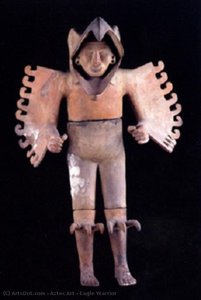
      Eagle Warrior (1469) door Azteekse Rijk
      #22

      Eagle Warrior

      1469

      The artwork titled Eagle Warrior is a terracotta sculpture created by the Aztec Empire. This piece dates to about 1469. The subject of the work is an Aztec…

      Seated Male Deity (1521) door Azteekse Rijk
      #31

      Seated Male Deity

      1521 · Metropolitan Museum of Art

      Before us stands a testament to the profound artistry and spiritual depth of the Aztec Empire – a weathered stone sculpture known as the “Seated Male Deity,” or…

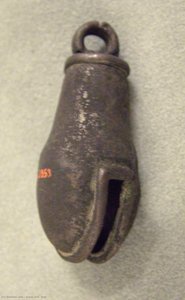
      Bell (1521) door Azteekse Rijk
      #32

      Bell

      1521 · Metropolitan Museum of Art

      Imagine holding a piece of history – not just an artifact, but a tangible echo of a vanished empire. This bronze bell, unearthed from the ruins of Tenochtitlan…

      Haal dit licht in huis →
      Spider Monkey (1521) door Azteekse Rijk
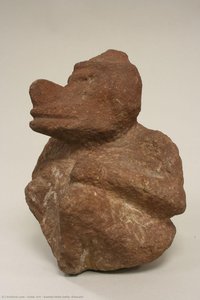
      #33

      Spider Monkey

      1521 · Rhode Island School of Design Museum of Art

      This exceptional hand-painted reproduction captures a pivotal moment in Aztec artistic expression – the creation of a remarkably detailed sculpture depicting a spider monkey, dating back to 1521.…

      Cihuateotl (1521) door Azteekse Rijk
      #34

      Cihuateotl

      1521 · Metropolitan Museum of Art

      The stone sculpture known as “Cihuateotl,” a formidable figure emerging from the heart of the Aztec Empire, offers more than just a visual representation; it’s a window into…

      Laat het met de hand schilderen →
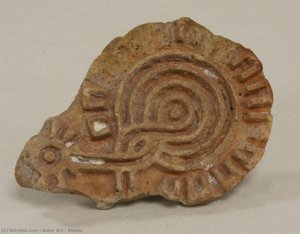
      Stamp (1521) door Azteekse Rijk
      #35

      Stamp

      1521 · Metropolitan Museum of Art

      Before us lies a terracotta fragment, not merely an artifact but a window into the heart of the Aztec Empire. Designated simply as “Stamp,” this weathered ceramic seal…

      Haal dit licht in huis →
      Feathered Serpent Ornament (1521) door Azteekse Rijk
      #36

      Feathered Serpent Ornament

      1521 · Metropolitan Museum of Art

      In the quiet, hallowed halls of the Metropolitan Museum of Art, there exists a treasure that transcends the boundaries of time and geography. The Feathered Serpent Ornament is…

      Relief (1521) door Azteekse Rijk
      #37

      Relief

      1521 · Metropolitan Museum of Art

      “Relief,” a meticulously crafted stone carving from the heart of the Aztec Empire, stands as more than just an artistic object; it's a window into a vanished world.…

      Haal dit licht in huis →
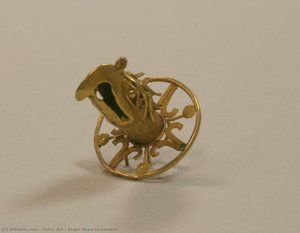
      Eagle Head Ornament door Azteekse Rijk
      #38

      Eagle Head Ornament

      Metropolitan Museum of Art

      Before us lies a captivating artifact – an Aztec Eagle Head Ornament, a tangible link to one of Mesoamerica's most formidable empires. More than just a decorative object,…

      Haal dit licht in huis →
      Skull Pendant door Azteekse Rijk
      #39

      Skull Pendant

      Metropolitan Museum of Art

      Gazing upon this black and white photograph, one is immediately drawn to the stark simplicity and profound symbolism of the Aztec skull pendant. More than a mere decorative…

      Bestel dit canvas →
      Stamp (1521) door Azteekse Rijk
      #40

      Stamp

      1521 · Metropolitan Museum of Art

      Within the realm of ancient Mesoamerica lies a deceptively simple object – a terracotta stamp, often referred to as a “stamp” in modern parlance. Yet, this unassuming artifact…

      Bestel dit canvas →
      Female Deity door Azteekse Rijk
      #41

      Female Deity

      Metropolitan Museum of Art

      The photograph before you offers an arresting window into the heart of Aztec spirituality – a sculpted representation of a female deity, rendered with a profound sense of…

      Laat het met de hand schilderen →
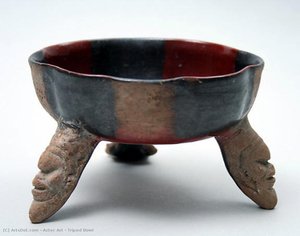
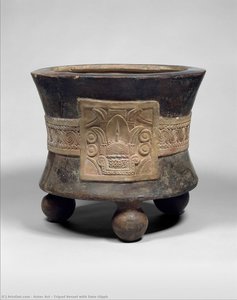
      Tripod Bowl door Azteekse Rijk
      #42

      Tripod Bowl

      Metropolitan Museum of Art

      To gaze upon this Tripod Bowl is to reach across the vast expanse of time, directly into the vibrant heart of the Aztec Empire. It is not merely…

      Maize Deity (Chicomecoatl) door Azteekse Rijk
      #43

      Maize Deity (Chicomecoatl)

      Metropolitan Museum of Art

      Carved from basalt, this sculpture represents Chicomecoatl, the Mexica goddess of maize. The figure is rendered in a frontal, upright posture with arms raised in a gesture of…

      Seated Female Deity door Azteekse Rijk
      #44

      Seated Female Deity

      Metropolitan Museum of Art

      Seated Female Deity: A Reflection of Aztec Spirituality The image presents a grayscale photograph of an Aztec sculpture depicting a seated female deity. The sculpture is rendered in…

      Kneeling Male Figure door Azteekse Rijk
      #45

      Kneeling Male Figure

      Metropolitan Museum of Art

      To gaze upon the Kneeling Male Figure is to reach across the vast chasm of five centuries, touching the solemn breath of an empire long dissolved into myth…

      Seated Male door Azteekse Rijk
      #46

      Seated Male

      Metropolitan Museum of Art

      is a stone sculpture created by the Aztec Empire. Originating from Mexico, Mesoamerica, the work belongs to the Mexica (Aztec) culture. It dates to the 15th–early 16th century.

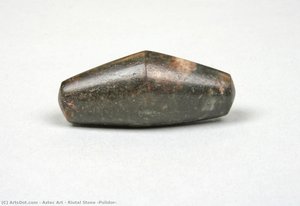
      Ritueel Steen (pulidor) (1521) door Azteekse Rijk
      #47

      Ritueel Steen (pulidor)

      1521 · Metropolitan Museum of Art

      Ritual Stone (Pulidor): Echoes of Aztec Majesty De ‘Ritual Stone’ (pulidor), een fascinerende artefact uit het Laatste Oudheidse tijdperk van het Aztekenrijk, biedt een unieke kijk op de…

      Bestel dit canvas →
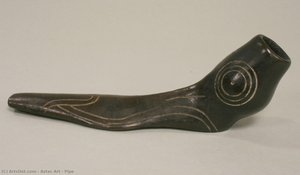
      Pipe (1521) door Azteekse Rijk
      #50

      Pipe

      1521 · Metropolitan Museum of Art
      Seated Male Deity door Azteekse Rijk
      #51

      Seated Male Deity

      Metropolitan Museum of Art

      The Aztec Empire, a civilization that flourished in Mesoamerica for centuries, left behind a legacy of breathtaking artistry and profound spiritual belief. Among its most compelling creations stands…

      Laat het met de hand schilderen →
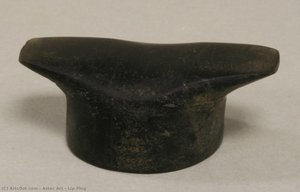
      Lip Plug door Azteekse Rijk
      #52

      Lip Plug

      Metropolitan Museum of Art

      To gaze upon this artifact is to reach across the vast expanse of time, touching the cool, dark permanence of an ancient civilization. This piece, an Aztec Lip…

      Laat het met de hand schilderen →
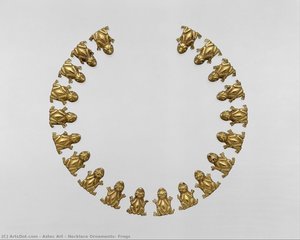
      Necklace Ornaments, Frogs door Azteekse Rijk
      #53

      Necklace Ornaments, Frogs

      Metropolitan Museum of Art

      To gaze upon these meticulously crafted golden frog ornaments is to step directly into the vibrant heart of the ancient Aztec world. They are not merely decorative beads;…

      Haal dit licht in huis →
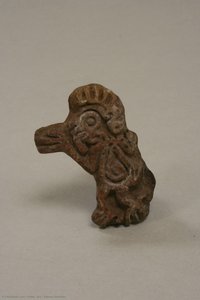
      Uilacapitztli (Pottery Flute) door Azteekse Rijk
      #54

      Uilacapitztli (Pottery Flute)

      Metropolitan Museum of Art

      To gaze upon the Uilacapitztli is not merely to observe an artifact; it is to reach across the vast expanse of centuries and touch the very breath of…

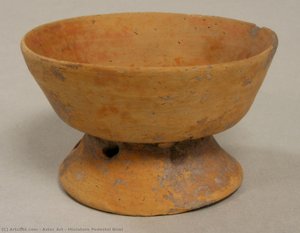
      Miniature Pedestal Bowl door Azteekse Rijk
      #55

      Miniature Pedestal Bowl

      Metropolitan Museum of Art

      To gaze upon this miniature pedestal bowl is to reach across the vast expanse of time, to hold in one's hands a tangible whisper from the heart of…

      Drum (Teponaztli) door Azteekse Rijk
      #58

      Drum (Teponaztli)

      Metropolitan Museum of Art

      To gaze upon this representation of an Aztec Teponaztli is not merely to observe an artifact; it is to listen for a silence that holds echoes. This magnificent…

      Tripod Vessel with Date Glyph door Azteekse Rijk
      #59

      Tripod Vessel with Date Glyph

      Metropolitan Museum of Art

      The image before us presents more than just a ceramic object; it’s a tangible fragment of the Aztec Empire, a silent chronicle etched in clay and imbued with…

      Bowl door Azteekse Rijk
      #60

      Bowl

      Metropolitan Museum of Art

      Gazing upon this meticulously rendered reproduction of an Aztec bowl is akin to stepping back in time, directly into the heart of Tenochtitlan, the magnificent capital city of…

      Bestel dit canvas →
      Maize Deity (Chicomecoatl) door Azteekse Rijk
      #61

      Maize Deity (Chicomecoatl)

      Metropolitan Museum of Art

      Standing before this weathered stone sculpture, one is immediately transported to the heart of ancient Mexico – a realm where the divine intertwined seamlessly with the rhythms of…

      Stamp, Butterfly door Azteekse Rijk
      #62

      Stamp, Butterfly

      Metropolitan Museum of Art

      Stamp, Butterfly - A Fragment of Aztec Cosmology The image presents a captivating glimpse into the artistic heritage of the Aztec Empire—specifically, a ceramic stamp depicting a butterfly…

      Haal dit licht in huis →
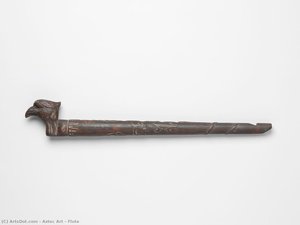
      Flute door Azteekse Rijk
      #63

      Flute

      Metropolitan Museum of Art

      Within the vast tapestry of Aztec artistry lies a deceptively simple instrument – the flute, often referred to as *uilacapitztli* (meaning “flute-head”). More than just a musical device,…

      Bestel dit canvas →
      Miniature Pedestal Bowl door Azteekse Rijk
      #64

      Miniature Pedestal Bowl

      Metropolitan Museum of Art

      Gazing upon this exquisite miniature pedestal bowl offers more than just an appreciation of its delicate form; it’s a portal into the heart of the Aztec Empire, a…

      Ear Ornament door Azteekse Rijk
      #65

      Ear Ornament

      Metropolitan Museum of Art

      To hold an object from the heart of the Aztec Empire is to touch the very pulse of Mesoamerican history. This exquisite ear ornament, a masterwork of the…

      Miniature Tripod Vase door Azteekse Rijk
      #66

      Miniature Tripod Vase

      Metropolitan Museum of Art

      The world of ancient Mesoamerica pulses with an undeniable energy – a vibrant blend of ritual, conquest, and breathtaking artistry. Within this rich tapestry, the miniature tripod vase…

      Laat het met de hand schilderen →
      Stamp, Monkey door Azteekse Rijk
      #67

      Stamp, Monkey

      Metropolitan Museum of Art

      Imagine holding a tangible piece of history – a small, unassuming ceramic stamp from the heart of the Aztec Empire. This particular artifact, depicting a stylized monkey in…

      Haal dit licht in huis →
      Bowl door Azteekse Rijk
      #68

      Bowl

      Metropolitan Museum of Art

      In the quiet presence of this ancient Aztec bowl, one can almost hear the rhythmic pulse of a civilization that once commanded the heart of Mesoamerica. This ceramic…

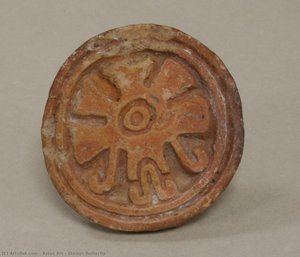
      Flat Stamp with Geometric Flower door Azteekse Rijk
      #69

      Flat Stamp with Geometric Flower

      Metropolitan Museum of Art

      This striking ceramic stamp, a relic of the Aztec Empire, isn’t merely an artifact; it's a portal to a civilization brimming with intricate symbolism and profound artistic skill.…

      De doeken van Azteekse Rijk, periode voor periode

      Wat Azteekse Rijk het meest schilderde

      De vier onderwerpen die het meest voorkomen op deze doeken, elk met zijn meest geliefde voorbeeld.

      Waar de doeken van Azteekse Rijk hangen

      De 5 musea met de meeste schilderijen op deze pagina.

      Museum Stad Werken van Azteekse Rijk Schilderijen uit deze lijst
      Metropolitan Museum of Art, New YorkMetropolitan Museum of Art New York 51 Head from a Figure, Xochipilli Macuilxochitl, Figure, Kneeling Male Figure
      British Museum, LondenBritish Museum Londen 1 Mosaic of a Double-headed Serpent
      Cleveland Museum of Art, ClevelandCleveland Museum of Art Cleveland 1 Pendent in the Shape of a Warrior
      Rhode Island School of Design Museum of Art, ProvidenceRhode Island School of Design Museum of Art Providence 1 Spider Monkey
      Dumbarton Oaks Research Library and Collection, Washington, D.C.Dumbarton Oaks Research Library and Collection Washington, D.C. 1 Tlazolteotl (Birthing Figure)

      Het beroemdste canvas van Azteekse Rijk, decennium na decennium

      1. 1350s
        Pendent in the Shape of a Warrior (1350) door Azteekse Rijk
        Op nummer 6 van 70

        Pendent in the Shape of a Warrior

        Leeftijd 50 – 59 · Cleveland Museum of Art

        To hold this piece in your mind is to encounter the quiet strength of the Post-classic period. This small, metallic figure, likely worn close to the body, captures…

      2. 1420s
        Aztec Sun Stone (Calendar Stone) (1427) door Azteekse Rijk
        Op nummer 20 van 70

        Aztec Sun Stone (Calendar Stone)

        Leeftijd 120 – 129

        The Aztec Sun Stone (Calendar Stone) is a significant work attributed to the Aztec Empire. Carved by the Mexica at the end of the Mesoamerican Postclassic Period, this…

      3. 1460s
        Eagle Warrior (1469) door Azteekse Rijk
        22 van 70

        Eagle Warrior

        Leeftijd 160 – 169

        The artwork titled Eagle Warrior is a terracotta sculpture created by the Aztec Empire. This piece dates to about 1469. The subject of the work is an Aztec…

      4. 1480s
        Mictlantecuhtl (1480) door Azteekse Rijk
        21 van 70

        Mictlantecuhtl

        Leeftijd 180 – 189

        A weathered, pale-grey statue of a child figure emerges from a void of absolute black. The surface is heavily eroded, marked by deep cracks and fissures that trace…

      5. 1500s
        Coyote (1500) door Azteekse Rijk
        Canvas 23 van 70

        Coyote

        Leeftijd 200 – 209
      6. 1510s
        Standard-Bearer (1519) door Azteekse Rijk
        Canvas 57 van 70

        Standard-Bearer

        Leeftijd 210 – 219

        This stark figure displays the minimalism and monumentality of Aztec stone sculpture. The rigid pose resembles the block of stone from which it was carved. In contrast, the…

      7. 1520s
        Mosaic of a Double-headed Serpent (1521) door Azteekse Rijk
        Op nummer 1 van 70

        Mosaic of a Double-headed Serpent

        Leeftijd 220 – 221 · British Museum

        To gaze upon this mosaic of a double-headed serpent is to step directly into the vibrant, myth-laden heart of the Aztec Empire. It is not merely an object…

      De doeken van Azteekse Rijk, vraag voor vraag

      Waarom wordt Azteekse Rijk het meest herinnerd om welk canvas?Lees het antwoord

      Mosaic of a Double-headed Serpent (1521), British Museum, Londen. Head from a Figure, Xochipilli Macuilxochitl (1521) en Figure (1521) volgen.

      Mosaic of a Double-headed Serpent: hoe oud was Azteekse Rijk toen dit werd geschilderd?Lees het antwoord

      Azteekse Rijk, geboren in 1300, was 221 jaar oud: Mosaic of a Double-headed Serpent dateert uit 1521.

      Wat zijn de tien beroemdste doeken van Azteekse Rijk?Lees het antwoord

      Mosaic of a Double-headed Serpent, Head from a Figure, Xochipilli Macuilxochitl, Figure, Kneeling Male Figure, Serpent Labret met Articulated Tongue, Pendent in the Shape of a Warrior, Figure, Vulture Vessel, Standard Bearer en Crested Figure (Macuilxochitl). Elk canvas in de bovenstaande ranglijst is voorzien van het jaartal en het museum.

      Hoeveel schilderijen heeft Azteekse Rijk gemaakt?Lees het antwoord

      70 werken van Azteekse Rijk zijn opgenomen in onze catalogus, gedateerd van 1350 tot 1521.

      Waar hangen de beroemdste doeken van Azteekse Rijk tegenwoordig?Lees het antwoord

      Voornamelijk in Metropolitan Museum of Art (New York), British Museum (Londen) en Cleveland Museum of Art (Cleveland); de bovenstaande lijst vermeldt elk museum en de bijbehorende doeken.

      Wanneer schilderde Azteekse Rijk de beroemdste doeken?Lees het antwoord

      In 1520s, die 29 van de 70 werken op deze pagina vertegenwoordigt, waaronder Mosaic of a Double-headed Serpent.

      Welk beroemd canvas van Azteekse Rijk was het eerst, en welke was het laatst?Lees het antwoord

      Het oudste canvas hier is Pendent in the Shape of a Warrior (1350); het nieuwste is Mosaic of a Double-headed Serpent (1521).

      Welke onderwerpen schilderde Azteekse Rijk het meest?Lees het antwoord

      Mesoamerica (20), Aztec (16) en Sculpture (13), verspreid over de 70 werken op deze pagina.

      Welk medium komt het meest voor in de schilderijen van Azteekse Rijk?Lees het antwoord

      Stone, gebruikt in 15 van de 70 werken op deze pagina.

      Welke schilderijen van Azteekse Rijk zijn in de collectie van het Metropolitan Museum of Art?Lees het antwoord

      Het Metropolitan Museum of Art, New York herbergt 51 van de werken op deze pagina, waaronder Head from a Figure, Xochipilli Macuilxochitl, Figure en Kneeling Male Figure.

      Waar kan ik een reproductie van een schilderij van Azteekse Rijk kopen?Lees het antwoord

      Ja. Elk schilderij op deze pagina kan via de eigen pagina worden besteld als een handgeschilderd olieverfreproductie, of als een fine art print, in de door u gekozen afmeting.

      Maak kennis met de schilder: Azteekse Rijk

      De Echo's van Steen: Een Verkenning van de Kunst en Erfenis van het Azteekse Rijk

      De naam “Azteek” – afgeleid van het Nahuatl-woord ātl-ce-tlācati–tlān, wat "volk van vele vormen" betekent – roept beelden op van een uitgestrekt, complex rijk dat Mesoëmerica eeuwenlang domineerde. Meer dan alleen krijgers en veroveraars, waren de Azteken diepgaande kunstenaars die een verfijnde schoonheid weefden in elk aspect van hun leven – van monumentale architectuur tot delicaat verenwerk, van heilige rituelen tot alledaagse objecten. Hun kunst was niet louter decoratief; het was een levendige taal die religieuze overtuigingen, politieke macht, historische verhalen en sociale hiërarchieën communiceerde binnen een samenleving die zowel rigide gestructureerd als opmerkelijk innovatief was.

      De artistieke tradities van de Azteken, die in de vroege 14e eeuw ontstonden in Tenochtitlan, het hart van het Azteekse Rijk, waren diep geworteld in de nalatenschap van eerdere Meso-Amerikaanse beschavingen. De Olmeken, met hun kolossale hoofden en geavanceerde kalendersystemen, de Teotihuacanos, beroemd om hun massieve piramides en stadsplanning, en de Tolteken, meesters in metaalbewerking en beeldhouwkunst, droegen allemaal bij aan het rijke artistieke weefsel dat de Azteken erfden. De Azteken waren echter geen eenvoudige imitators; zij versmolten deze invloeden met hun eigen unieke esthetische gevoel, waardoor een kenmerkende stijl ontstond die werd gekenmerkt door gewaagde kleuren, complexe geometrische patronen en symbolische representaties.

      Een Palet van Macht: Materialen en Technieken

      De Azteekse kunst was opmerkelijk divers en maakte gebruik van een verbazingwekkend scala aan materialen en technieken. Steenhouwen nam een prominente plaats in, belichaamd door monumentale sculpturen die godheden, heersers en mythische wezens uitbeelden. De massieve Zonnesteen (Kalendersteen), ontdekt in 1946, staat als een testament van hun meesterschap over dit medium – een complex, gelaagd stenen reliëf dat kalenderinformatie combineerde met kosmologische symboliek. Bekwame ambachtslieden werkten ook met hout, klei, veren – in het bijzonder de levendige quetzal-veren – jade, turquoise, obsidiaan en goud, wat zowel rijkdom als status weerspiegelde.

      Het verenwerk was misschien wel het meest visueel aangrijpende aspect van de Azteekse kunst. Verfijnd vervaardigde hoofdtoooien, mantels, schilden en andere decoratieve voorwerpen werden gemaakt met behulp van duizenden zorgvuldig gerangschikte veren – een proces dat enorme vaardigheid en geduld vereiste. Deze objecten waren niet alleen mooi; ze dienden als krachtige symbolen van autoriteit, religieuze devotie en sociale rang. De kleuren zelf hadden specifieke betekenissen: blauw vertegenwoordigde de hemel, groen symboliseerde vruchtbaarheid, rood stond voor oorlog en geel representeerde de zon.

      Bovendien waren Azteekse kunstenaars meesters in de mozaïekkunst, waarbij ze prachtige decoratieve panelen creëerden met behulp van kleine, precies gesneden stenen tegels. Deze mozaïeken versierden tempels, paleizen en particuliere woningen, wat een laag van visuele rijkdom toevoegde aan de gebouwde omgeving. Hun aardewerk was even indrukwekkend, met complexe geometrische ontwerpen en afbeeldingen van dieren en godheden.

      De Taal van Symbolen: Thema's en Motieven

      De Azteekse kunst is doordrenkt van symboliek, waarbij elk beeld lagen van betekenis bevat die een zorgvuldige interpretatie vereisten door priesters, schrijvers en heersers. De centrale godheid, Huitzilopochtli, de god van de oorlog en de zon, werd vaak afgebeeld in uitgebreide hoofdtoooien versierd met veren en edelstenen. Quetzalcoatl, de gevederde slangengod die geassocieerd wordt met kennis, wijsheid en schepping, nam een prominente plaats in hun pantheon in en verscheen in talrijke artistieke representaties.

      Het kalendersysteem – een opmerkelijk geavanceerde combinatie van zonne- en rituele cycli – was een ander terugkerend motief. Beelden van kalenders, hiërogliefen en astronomische symbolen werden verwerkt in sculpturen, mozaïeken en codices (geïllustreerde boeken), wat het diepe begrip van de Azteken voor tijd en kosmologie weerspiegelde. Voorstellingen van maïs, het basisvoedsel van hun dieet, symboliseerden levensonderhoud en vruchtbaarheid. Dierlijke beeldspraak – in het bijzonder jaguars, adelaars, slangen en kolibries – droeg een symbolische betekenis met zich mee die gerelateerd was aan macht, moed en goddelijkheid.

      Een Erfenis in Fragmenten: Kunst en Historisch Belang

      De plotselinge ineenstorting van het Azteekse Rijk in de handen van Spaanse conquistadores in 1521 leidde tot een verwoestend verlies voor de Meso-Amerikaanse cultuur. Tragisch genoeg werd een groot deel van hun artistieke erfgoed vernietigd tijdens de verovering – tempels werden platgebrand, sculpturen verbrijzeld en codices verbrand. Ondanks deze verliezen overleven fragmenten van de Azteekse kunst vandaag de dag nog steeds, wat onschatbare inzichten biedt in deze bijzondere beschaving.

      Opmerkelijke voorbeelden zijn de Zonnesteen, een monumentaal beeldhouwwerk dat de geavanceerde kennis van de Azteken op het gebied van astronomie en wiskunde toont; verfijnde veren hoofdtoooien en mantels die in musea over de hele wereld bewaard zijn gebleven; en de overgebleven codices – handgeschreven boeken met historische verslagen, religieuze overtuigingen en kalenderinformatie. De Colección Andrés Blaisten in Mexico herbergt een belangrijke collectie Latijns-Amerikaanse kunst, waaronder voorbeelden die de Azteekse artistieke tradities verhelderen.

      De invloed van de artistieke erfenis van het Azteekse Rijk is nog steeds zichtbaar in de hedendaagse tijd en inspireert zowel moderne kunstenaars als ontwerpers. Hun innovatieve technieken, symbolische beeldspraak en diepe verbondenheid met de natuur blijven resoneren bij een wereldwijd publiek. Het verkennen van de kunst van de Azteken is niet louter een oefening in historische waardering; het is een reis naar het hart van een complexe en fascinerende beschaving – een testament tot menselijke creativiteit, vindingrijkheid en spirituele diepgang.

      Om meer kunstwerken uit het Azteekse Rijk en andere opmerkelijke kunstenaars te ontdekken, bezoek TopImpressionists.com.

      Alle 70 werken van Azteekse Rijk →