


 Forhåndsvisning
 Send
Send Del med andre
 Vis detaljer
 Veiledning

 Last ned bildet
 Liknende objekter
 Røntgenundersøkelse
 Lysbildefremvisning
 Statistikk
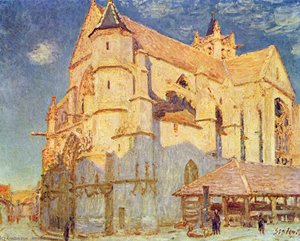
The Church at Moret, Rainy Morning
 Oil On Canvas
- WallArt
- Impressionist Landscape
 1893
1893 81.0 x 65.0 cm
Alfred Sisley’s Impressionist masterpiece captures a tranquil rainy morning scene at Moret Church, France—a luminous depiction of faith and fleeting light, inviting you to explore this serene beauty.
 Vis hele teksten
Alfred Sisley: En rolig impresjonist som fanget lys og landskap i Frankrike med enestående følsomhet og stillhet.
Håndlaget oljereproduksjon
Håndmalt olje på lerret i din valgte størrelse og ramme, laget på bestilling av våre kunstnere. ( Bytt til trykk Bytt til digitalt bilde)




P118B $10

P118H $10

P118W $10

P438Z $10

P508JH $12

P508YH $12

P805H $10

P805Z $10

P919BZ $10

P919G $10

P919XJ $10

P959ZH $10

P968JZ $12

W106C $8

W218G $10

W218JH $8

W218Y $10

W307PJ $10

W316G $10

W316PJ $8

W316Y $10

W398PJ $8

W4111J $10

W500HY $15

W500JH $15

W692G $12

W849H $8

W940BG $15

W953PJ $8




Standardformat
skreddersydd
CM
INCH
Velg mellom våre forhåndsdefinerte størrelser som bevarer kunstverkets opprinnelige proporsjoner.
Loading sizes...

bredde
høyde
Du kan angi egne mål for å tilpasse en spesifikk ramme eller plass. Dersom den valgte størrelsen ikke samsvarer med originalbildets proporsjoner, vil vi enten beskjære kunstverket eller utvide maleriet med ytterligere håndmalte elementer. En digital mockup vil bli sendt til din godkjenning før produksjonen starter.
Vennligst merk at forhåndsvisningen på skjermen ikke gjenspeiler den faktiske beskjæringen eller utvidelsen. Kun mockuppen vil vise den endelige komposisjonen nøyaktig.
Selv om tilpassede størrelser er tilgjengelige, anbefaler vi å velge et mål fra den forhåndsdefinerte listen for å bevare de originale proporsjonene.
Eksempler på hva som kan endres: Erstatt ansikt med bilde av kunden; Legg til kjæledyr (f.eks. bytt ut katt med hund); Inkluder en skjult melding i bakgrunnen; Endre bakgrunnslandskap eller elementer.
Etter bestilling vil TopImpressionists.com-teamet sende e-post til kunden for instruksjoner og sende et utkast (mockup) som forhåndsvisning.
Etter bestilling vil TopImpressionists.com-teamet sende e-post til kunden for instruksjoner og sende et utkast (mockup) som forhåndsvisning.
Verdensomspennende levering () på 3–4 uker i stedet for standard 5 uker. (23 September). Ingen kompromisser med kvaliteten.

Gratis ekspressfrakt over hele verden

Lerretsduk av høykvalitets lin

Full forsikring under transport

Garanti for refusjon av toll og importavgifter

Garantert korrekt fargegjengivelse

100 dagers returrett (kun ved mangler)

100% pengene tilbake-garanti

Rabatt ved flere kjøp
 Glassalternativet er kun tilgjengelig i størrelser under 110 cm

The Church at Moret, Rainy Morning
Teknikk for reproduksjon
Størrelse på reproduksjon
-


Endelig pris
$ 269
A Moment Captured in Watercolor Light
Alfred Sisley’s “The Church at Moret, Rainy Morning,” painted in 1893, stands as a quintessential emblem of Impressionist art—a testament to the movement's dedication to portraying fleeting impressions rather than meticulously rendered details. Held within the Museum Langmatt in Switzerland, this canvas (81 x 65 cm) isn’t merely a depiction of a church; it’s an embodiment of atmosphere and emotion, skillfully conveyed through Sisley’s masterful use of watercolor.
The Essence of Impressionism: Light and Atmosphere
Sisley's artistic philosophy revolved around capturing the ephemeral qualities of light—a preoccupation shared with Monet and Renoir. He sought to convey not what he *saw*, but how it *felt*. “The Church at Moret, Rainy Morning” exemplifies this approach perfectly. The overcast sky casts a diffused glow upon the stone façade of Saint-Sulpice church, highlighting its architectural grandeur while simultaneously softening its contours. This deliberate blurring of lines is characteristic of Impressionism’s rejection of academic conventions and embraces spontaneity.
Technique and Composition: Broken Brushstrokes
Sisley achieved this luminous effect through a technique rooted in broken brushstrokes—a hallmark of Impressionist painting. Rather than blending colors smoothly, he applied pigment in short, irregular dashes that allowed individual strokes to retain their vibrancy and texture. These visible marks contribute significantly to the painting’s dynamism, mirroring the subtle movement of raindrops glistening on the church roof and surrounding buildings. The composition is balanced by the inclusion of an old building with a pointed roof—a deliberate choice reflecting Sisley's fascination with rural landscapes and architectural forms.
Historical Context: Monet's Fellow Traveler
Painted during a period of artistic experimentation, “The Church at Moret” aligns itself closely with the broader Impressionist movement. Sisley collaborated extensively with Claude Monet on numerous projects, sharing a similar vision for capturing the beauty of nature and experimenting with innovative painting methods. Like Monet’s works—particularly his series depicting Rouen Cathedral—Sisley aimed to distill the essence of a particular scene into a single moment in time, prioritizing sensory experience over precise representation.
Symbolism and Emotional Resonance
Beyond its technical brilliance, “The Church at Moret” possesses a subtle symbolic depth. The church itself represents faith and tradition—values that resonated deeply within the Impressionist artists’ worldview. However, Sisley's focus isn’t on conveying religious dogma; instead, he invites viewers to contemplate the serenity of a rainy day and the quiet contemplation afforded by simple surroundings. The painting evokes feelings of peace, tranquility, and nostalgia—capturing not just what was seen but how it felt to be present in that particular place and time.
Lignende kunstverk




Om kunstneren
A Life Immersed in Light and Landscape
Alfred Sisley, et navn ofte hvisket sammen med de av Monet, Renoir og Pissarro, okkuperer en unik og dypt vakker plass innenfor Impressionismens bevegelse. Han ble født i Paris 30. oktober 1839, til britiske foreldre – William Sisley, en silkemann, og Felicia Sell, en musikkentusiast – og bar et dobbelt kulturbelag som subtilt påvirket hans kunstneriske visjon. Selv om han brukte nesten hele livet i Frankrike, beholdt Sisley britisk statsborgerskap, noe som senere førte til personlig skuffelse da han søkte fransk naturalisasjon uten å bli akseptert. Hans tidlige år var komfortabelt velstående, og ga ham muligheten til å forfølge studier som opprinnelig var ment for en kommersiell karriere i London, da han bare var 18 år gammel. Men kunstens lokkende kraft viste seg å være for sterk, og han returnerte til Paris i 1861, hvor han begynte formell utdannelse under den sveitsiske kunstneren Marc-Charles-Gabriel Gleyre ved École des Beaux-Arts. Her, midt i den blomstrende kunstneriske fermenteringen av tiden, dannet han avgjørende vennskap med Monet, Renoir og Bazille – forhold som dypt ville forme hans kunstneriske bane. Disse følgesvennene delte en rebelsk ånd, og nektet de strenge konvensjonene til akademisk maleri for å fange det flyktige lyset og atmosfæren direkte fra naturen.Den stille mesteren av Impressionismen
Sisleys dedikasjon til *plein air* -maleri – å male utendørs, observere den naturlige verden direkte – var urokkelig. I motsetning til noen av sine samtidige som eksperimenterte med forskjellige sjangre, forble Sisley fast bestemt på landskap gjennom hele sin karriere. Denne fokuserte dedikasjonen tillot ham å perfeksjonere en distinkt stil preget av ro, delikate fargepaletter og en subtil fremstilling av lys. Hans lerretter er ofte badet i bleke nyanser av grønt, rosa, lilla, støvete blått og krem, og skaper en atmosfære av fredelig kontemplasjon. Selv om de tidlige verkene stort sett har gått tapt til historien, avslører hans modne malerier en nøye observasjon av naturen kombinert med en poetisk sans for estetikk. Han var ikke interessert i store narrativer eller dramatiske gest; heller fant han skjønnhet i det vanlige – i den myke strømmen av elver, lyset som filtreres gjennom trær og den stille sjarmen til landsbygda. Hans tidlige vanskeligheter med å oppnå anerkjennelse ble forsterket av farens økonomiske problemer etter Franco-Prussisk krig i 1870, noe som tvang Sisley til å stole utelukkende på salget av sine kunstverk for å forsørge seg. Han var en ekte Impressionist, men en som ofte arbeidet i relativt obskuritet i løpet av sin levetid.Elver, kanaler og essensen av sted
Gjentakende temaer gjennomsyrer Sisleys verk, spesielt hans fascinasjon med vann. Landskap ved elver ble et signaturmotiv, eksemplifisert av en serie malerier han skapte under en reise til England i 1874 langs Thames nær Molesey. Disse arbeidene, som fanger den rolige skjønnheten i elven og dens omgivelser, er ansett som blant hans beste prestasjoner – et “perfekt øyeblikk av Impressionisme”, slik kunsthistoriker Kenneth Clark beskrev dem. Han utviklet også en dyp forbindelse med Moret-sur-Loing, hvor han bodde i mange år, og immortaliserte dens kanaler, broer og omkringliggende landskap i utallige lerretter. Malerier som "Watermill near Moret", "Barges on the Loing Canal, Spring" og “Fields around the Forest” viser hans evne til å innånde en poetisk grasiøshet i vanlige scener. Han beskrev ikke bare disse stedene; han fanget deres *essens*, formidlet ikke bare hvordan de så ut, men også hvordan de føltes – den milde brisen, varmen fra solen og den stille hviskingen av vannet. Denne følsomheten for atmosfære og stemning er kanskje Sisleys mest vedvarende arv.Innflytelser og en varig arv
Sisleys kunstneriske innflytelser var mangefasetterte. Gleyres akademiske utdannelse ga et grunnlag i teknikk, mens vennskapet med Monet, Renoir og Bazille fremmet en felles forpliktelse til Impressionistprinsipper. Han absorberte deres vektlegging av å fange flyktende øyeblikk av lys og atmosfære, men utviklet sin egen unike stemme – en preget av restfullhet og subtilitet. Selv om han ofte arbeidet i relativt obskuritet i løpet av sin levetid, er hans verk nå feiret for sin skjønnhet, følsomhet og urokkelige dedikasjon til å fremstille naturen. Hans innflytelse kan sees i verkene til senere landskapsmalere som søkte å fange de flyktende kvalitetene av lys og atmosfære med lignende nyanserthet. Han var en nøkkelfigur i overgangen fra Barbizon-skolen, med vektleggingen på realistisk landskapsmaling, til den fulle blomstringen av Impressionismen. Han døde 29. januar 1899, i alder av 59 år, i Moret-sur-Loing. Alfred Sisley står som et vitnesbyrd om kunstens makt til å avsløre det ekstraordinære skjønnheten som kan finnes i den mest ydmyke av landskapene. Han representerer en viktig lenke mellom Barbizon-skolen, med vektleggingen på realistisk landskapsmaling, og den fulle blomstringen av Impressionismen.Vedvarende betydning
Sisleys historiske betydning strekker seg utover hans tekniske dyktighet og estetiske sans. Hans urokkelige dedikasjon til *plein air* -maleri, selv i møte med økonomisk vanskeligheter og kritisk likegyldighet, banet veien for fremtidige generasjoner av kunstnere som søkte å bryte fri fra akademiske konvensjoner og omfavne en mer direkte engasjement med naturen. Hans malerier gir et innblikk i en raskt skiftende verden – en verden på randen av modernitet – og minner oss om kunstens vedvarende kraft til å fange skjønnheten og roen som kan finnes selv i de mest ydmyke landskapene. Han var, og er, en mester over lys, atmosfære og den stille poesi i den naturlige verden.
Alfred Sisley
1839 - 1899 , Frankrike
Kort om kunstneren
- Artistic Movement Or Style: Impressionisme
- Artists Or Movements Influenced By This Artist: ['Senere landskapsmalere']
- Artists Who Influenced This Artist:
- Gleyre
- Monet
- Bazille
- Date Of Birth: 1839-10-30
- Date Of Death: 1899-01-29
- Full Name: Alfred Sisley
- Nationality: Britisk-Fransk
- Notable Artworks:
- Vannmølle nær Moret
- Båter på Loing kanal
- Place Of Birth: Paris, Frankrike
Relaterte artikler

Oljemaleri på plate: 10 mesterverk som revolusjonerte kunsten | TopImpressionists
Oppdag 10 legendariske oljemalerier på plate som forandret kunsthistorien! Lær om impresjonisme, ekspresjonisme og kjente kunstnere. Finn inspirasjon til interiørdesign & kjøp reproduksjoner av høy kvalitet på TopImpressionists.com.

Oil on Canvas: A Historical & Technical Exploration of a Timeless Artistic Medium
Explore the rich history & enduring techniques of oil painting on canvas. Discover the science behind its longevity, conservation practices, and contemporary relevance. Expert insights for art enthusiasts.

Alfred Sisley: Capturing the Ephemeral Essence of Impressionist Landscape
Explore the life & art of Alfred Sisley, a master of Impressionist landscape painting. Discover his dedication to 'en plein air' techniques and serene depictions of nature. Learn about his legacy & find high-quality reproductions at TopImpressionists.

Paul Cézannes 25 Mesterverk: En Kunstnerisk Reise for Ditt Hjem
Utforsk Paul Cézannes 25 mest ikoniske malerier! Oppdag historien bak impresjonismens mesterverk, fra stilleben til landskap. Finn kunsttrykk av høy kvalitet og interiørinspirasjon på TopImpressionists.com.

The Enduring Legacy of Oil on Canvas: Technique, History & Aesthetic Impact
Explore the rich history & techniques of oil painting – from Renaissance masters to Impressionism. Discover pigments, layering methods, and why this timeless medium endures. Expert insights for artists & art enthusiasts.
Utforsk kunstverk organisert etter temaer, stiler og kjennetegn.


