


 Se i rommet
 Del som digitalt kort
 Del
Del
 Detaljer
 Studentguide

 Last ned
 Liknende objekter
 Røntgen
 Lysbildefremvisning
 Besøksstatistikk
Amor Victorious
 Olje på lerret
- Veggkunst
- Baroque
 1602
1602- Tidlig moderne tid
 156.0 x 113.0 cm
Oppdag Caravaggios «Amor Victorious»! Et barokk mesterverk som viser Cupid og symboler på kunst og krig. Utforsk dette ikoniske maleriet fra 1602 hos Gemäldegalerie Berlin.
 Les mer
Oppdag Caravaggio (1571-1610): Barokkmester av realisme & tenebrisme. Dramatiske religiøse scener, intens chiaroscuro og en revolusjonerende stil!
Giclée / Kunsttrykk
Giclée- eller lerretsprint av museumskvalitet med rask produksjon og fleksible valgmuligheter for etterbehandling. ( Bestill håndmalt reproduksjon Gå til digitalt bilde)




P118B Nkr10

P118H Nkr10

P118W Nkr10

P438Z Nkr10

P508JH Nkr12

P508YH Nkr12

P805H Nkr10

P805Z Nkr10

P919BZ Nkr10

P919G Nkr10

P919XJ Nkr10

P959ZH Nkr10

P968JZ Nkr12

W106C Nkr8

W218G Nkr10

W218JH Nkr8

W218Y Nkr10

W307PJ Nkr10

W316G Nkr10

W316PJ Nkr8

W316Y Nkr10

W398PJ Nkr8

W4111J Nkr10

W500HY Nkr15

W500JH Nkr15

W692G Nkr12

W849H Nkr8

W940BG Nkr15

W953PJ Nkr8




Standardformat
tilpasset
CM
INCH
Velg mellom våre forhåndsdefinerte størrelser som bevarer kunstverkets opprinnelige proporsjoner.
Loading sizes...

bredde
høyde
Skriv inn bredden og høyden du trenger, slik at den passer til din ramme eller vegg. Et trykk kan kun beskjæres, aldri gjøres større enn bildet, så et format med en annen form vil miste en del av motivet. Vi sender deg en digital mockup for godkjenning før vi trykker noe som helst. Bildet som vises på denne siden viser ikke den faktiske beskjæringen — det er kun mockuppen som gjør det.
Verdensomspennende levering () på 2 uker i stedet for standard 4/5 uker. (25 October)

Gratis ekspressfrakt over hele verden

Lerretsduk av høykvalitets lin

Full transportforsikring

Garanti for refusjon av toll og importavgifter

Garantert fargeekthet

100 dagers returrett ved fabrikasjonsfeil

100% pengene tilbake-garanti

Mengderabatt
 Glassalternativet er kun tilgjengelig i størrelser under 110 cm

Amor Victorious
Giclée / Kunsttrykk
Format på reproduksjon
-


Totalpris
Nkr 656
A Triumph of Love: Unveiling Caravaggio’s *Amor Victorious*
Caravaggio's *Amor Victorious*, painted in 1602, is a breathtaking embodiment of the Baroque period – a moment in art history defined by drama, realism, and intense emotion. Measuring 156 x 113 cm, this oil on canvas currently resides at the Gemäldegalerie in Berlin, captivating viewers with its audacious depiction of Cupid’s dominion.The Allegory Unfolded: A God Above All
This is not your typical cherubic Cupid. Caravaggio presents a powerfully built, almost boyish god of love standing triumphantly amidst the discarded symbols of earthly pursuits. Love conquers all, as proclaimed by Virgil’s line that inspired the work, and here, it's visually asserted. At Cupid’s feet lie a lute, violin, musical score, a military helmet, and regal emblems of governance – all rendered powerless before his might. The composition is dynamic, triangular in form, drawing the eye upwards to Cupid’s confident stance. His slightly crooked grin and tousled hair lend him an approachable humanity, a deliberate departure from idealized representations common at the time.Masterful Technique: Chiaroscuro & Realism
Caravaggio's signature technique – *tenebrism*, a dramatic use of light and shadow (chiaroscuro) – is on full display. A strong, unseen light source illuminates Cupid’s body, highlighting his musculature and creating a palpable sense of depth. This stark contrast intensifies the emotional impact and draws attention to every detail, from the texture of the instruments to the glint in Cupid's eye. The artist’s commitment to realism is striking; he doesn’t shy away from portraying Cupid as a physically robust figure, grounding the allegorical subject matter in tangible reality. He meticulously renders skin tones with astonishing accuracy, capturing subtle nuances that would have been impossible for earlier artists.Historical Context & Patronage
Commissioned by the discerning collector Vincenzo Giustiniani, *Amor Victorious* quickly became a prized possession within his collection. The painting’s immediate acclaim speaks to its innovative approach and powerful message. It emerged during a period of intense artistic rivalry in 17th-century Rome, with Caravaggio often challenging established conventions. Interestingly, the pose of Cupid bears a striking resemblance to Michelangelo's *Victory*, suggesting Caravaggio’s admiration for Renaissance masters while simultaneously forging his own distinct style. This bold gesture reflects the broader spirit of Baroque art—a desire to shock and inspire audiences through dramatic visual narratives.Symbolism & Interpretation
Beyond its literal depiction, *Amor Victorious* invites deeper interpretation. While some historical analyses have proposed controversial readings related to the artist’s personal life, modern scholarship largely dismisses these claims. The painting's core message remains clear: love transcends all earthly concerns and holds dominion over intellect, power, and artistic expression. It is a celebration of passion, desire, and the irresistible force that shapes human experience. The scattered objects surrounding Cupid – lute, violin, musical score, military helmet, regal emblems – serve as potent symbols representing the spheres of influence subjugated by love’s triumph. Consider how this artwork resonates with themes of aspiration, vulnerability, and the transformative potential inherent in embracing emotion.Emotional Resonance & Lasting Legacy
*Amor Victorious* isn't merely a beautiful painting; it's an emotionally charged statement. The work evokes feelings of both exhilaration and melancholy—the grandeur of love is undeniable, yet its presence disrupts established order. Caravaggio’s masterful manipulation of light and shadow elevates the scene beyond mere representation, conveying profound psychological depth. As a cornerstone of Baroque art, Caravaggio’s masterpiece continues to inspire artists and captivate audiences centuries later. Its dynamic composition, meticulous technique, and enduring symbolism solidify its place as one of the most influential artworks of the era—a testament to the power of visual storytelling and artistic innovation. ## Considerations for Collectors & Designers- Color Palette: The rich warm tones – browns, reds, and golds – create a sense of intimacy and passion, making it suitable for dining rooms, libraries or bedrooms.
- Stylistic Harmony: Pairs beautifully with Baroque furniture, dramatic lighting schemes, and richly textured fabrics.
- Focal Point: Its dynamic composition makes it an ideal focal point in a room, drawing the eye and sparking conversation.
- Reproduction Quality: When considering a reproduction, prioritize high-resolution printing on canvas to capture the nuances of Caravaggio’s brushwork and chiaroscuro effect.
Spørsmål og svar
Hvor plasseres "Amor Victorious" av Caravaggio i kunsthistorien?
Den kunsthistoriske klassifiseringen av "Amor Victorious" av Caravaggio er Baroque, fra Tidlig moderne tid-perioden.
Hva handler "Amor Victorious" om, og hvilken atmosfære formidler den?
"Amor Victorious" viser cupid, love, religion, drama, light, shadow, allegory, og den formidlede stemningen er Dramatisk intensitet.
Hvor gammel var Caravaggio da hen laget "Amor Victorious"?
Caravaggio var 31 år gammel da Amor Victorious ble skapt i 1602. Alderen er beregnet ut fra kunstnerens fødselsår, 1571.
Kunstnerbiografi
Et Liv Smidd i Skygge og Lys
Michelangelo Merisi da Caravaggio, et navn synonymt med barokkmaleriets dramatiske intensitet, ble født i Milano i 1571, en periode preget av både kunstnerisk blomstring og samfunnsmessige omveltninger. Hans tidlige liv var merket av tap; pest herjet hjembyen hans, og krevde livet til faren og bestefaren da han bare var seks år gammel. Oppdratt i relativ fattigdom, innplantet de formative årene en skarp bevissthet om menneskelig lidelse og motstandskraft – temaer som senere skulle dominere hans lerret. Han begynte sin kunstneriske utdannelse i Milano under Simone Peterzano, en tidligere elev av Tizian, absorberte grunnleggende renessanseteknikker, men antydet allerede et opprørsk sinn som snart skulle knuse konvensjonelle normer. Denne lærlingtiden ga et solid fundament, men det var i Roma, rundt 1592, at Caravaggio virkelig fant sin stemme, om enn ikke uten innledende kamp og vanskeligheter. Byen, et pulserende sentrum for kunstnerisk beskyttelse og religiøs glød, viste seg både forlokkende og nådeløs for den ambisiøse unge maleren.En Revolusjonerende Visjon: Teknikk og Stil
Caravaggios ankomst til Roma varslet et seismisk skifte i det italienske kunstlandskapet. Han forkastet den rådende manierismestilen – preget av dens kunstige eleganse og forlengede former – til fordel for en kompromissløs realisme som sjokkerte og fengslet publikum. Hans mest definerende innovasjon var hans mesterlige bruk av chiaroscuro, den dramatiske kontrasten mellom lys og mørke, som han hevet til et nytt nivå av uttrykksfull kraft. Denne teknikken, ofte referert til som tenebrisme, var ikke bare et estetisk valg; det var et middel for å intensivere emosjonell innvirkning, trekke seerne inn i hjertet av scenen og gi figurene hans en håndgripelig følelse av nærvær. Han forkastet idealiserte fremstillinger, befolket i stedet sine malerier med vanlige mennesker – ofte hentet fra gatene i Roma – som modeller for religiøse figurer. Denne radikale tilnærmingen utfordret tradisjonelle forestillinger om skjønnhet og hellighet, og gjorde det hellige relatert og dypt menneskelig. Hans komposisjoner var ofte nakne og direkte, med fokus på kritiske øyeblikk av intens drama, enten det var den brutale realismen i «Peters fangst» eller den stille kontemplasjonen i "Sankt Frans av Assisi i ekstase".Nøkkelverk og Varig Innflytelse
Gjennom sin relativt korte karriere produserte Caravaggio et verk som fortsetter å resonere med publikum i dag. Tidlige arbeider som «Spåkonen» (1594) demonstrerer hans spirende talent for å fange realistisk detalj og psykologisk nyansering. «Supperen i Emmaus» (1601-1602), som finnes på National Gallery i London, eksemplifiserer hans mestring av chiaroscuro og evnen til å formidle dyp emosjonell dybde innenfor en bibelsk fortelling. «David med Goliat hode» (ca. 1610) er spesielt hjemsøkende, ofte tolket som et selvportrett som gjenspeiler Caravaggios egen problematiske tilstand. Hans innflytelse strakte seg langt utover Italia og inspirerte en generasjon kunstnere kjent som Caravaggistene, eller «skyggemalerne», som adopterte hans stil i hele Europa. Bemerkelsesverdige etterfølgere inkluderte Peter Paul Rubens, Jusepe de Ribera og Gerrit van Honthorst, som hver tilpasset Caravaggios teknikker til sine egne unike kunstneriske visjoner.En Tumultarisk Eksistens og Vedvarende Arv
Caravaggios liv var like dramatisk og turbulent som kunsten hans. Et ustabilt temperament og en forkjærlighet for slagsmål førte ham ofte i trøbbel med loven, kulminerende i en mordtiltale i 1606 som tvang ham til å flykte fra Roma. Han tilbrakte de neste fire årene på vandring gjennom Napoli, Malta og Sicilia, fortsatte å male mens han desperat søkte pavelig benådning. Til tross for sine anstrengelser forble han en lovløs mann, hjemsøkt av fortiden sin og plaget av personlige konflikter. Han døde i Porto Ercole, Italia, i 1610 under mystiske omstendigheter – årsaken til hans død er fortsatt omdiskutert, med teorier som spenner fra feber til forgiftning. Selv om livet hans ble kortsluttet, varer Caravaggios kunstneriske arv som et vitnesbyrd om hans revolusjonerende visjon og urokkelige engasjement for realisme. Han utfordret konvensjonene i sin tid, banet vei for en mer moderne tilnærming til maleri og satte et uutslettelig preg på vestlig kunsthistorie. Hans arbeid fortsetter å inspirere ærefrykt og provosere kontemplasjon, og minner oss om kraften i kunsten til å belyse de mørkeste hjørnene av den menneskelige opplevelsen.
Caravaggio
1571 - 1610 , Spania
Kort om kunstneren
- Artistic Movement Or Style: Barokk, Tenebrisme
- Artists Or Movements Influenced By This Artist:
- Rubens
- Ribera
- Artists Who Influenced This Artist:
- Titian
- Leonardo da Vinci
- Date Of Birth: 29. september 1571
- Date Of Death: 18. juli 1610
- Full Name: Michelangelo Merisi da Caravaggio
- Nationality: Italiensk
- Notable Artworks:
- Fortune Teller
- Supper at Emmaus
- David med Goliat
- Place Of Birth: Milano, Spania
Relaterte artikler

The Dramatic Flourish: Exploring the Baroque Movement's Enduring Legacy in Art History
Explore the dramatic world of Baroque art! Discover iconic artists like Caravaggio & Rubens, defining techniques, and its lasting impact on art history. Expert insights for collectors & enthusiasts at TopImpressionists.
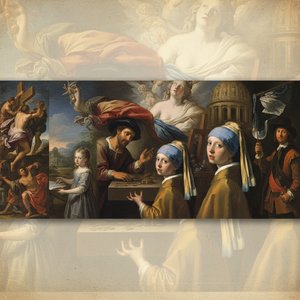
Barokkens Mesterverk: Topp 10 Kunstverk som Definerte en Epoke | TopImpressionists.no
Opplev barokkens prakt! Utforsk Rembrandts, Caravaggios og Rubenses mest ikoniske verk. Lær om historien bak disse mesterverkene og finn inspirasjon til din interiørdekor på TopImpressionists.com. Museums kvalitet kunsttrykk.

Michelangelo Buonarottis 25 Mesterverk: Kunst, Historie og Skjønnhet for Ditt Hjem
Oppdag Michelangelos 25 mest ikoniske kunstverk! Fordyp deg i renessansens mesterverk – fra David til Pietà. Historier, teknikker og inspirasjon for ditt hjem. Finn museumskvalitets reproduksjoner på TopImpressionists.com.

The Visceral Stage: Exploring Dramatic Narratives & Emotional Intensity in Baroque Art
Explore the dramatic world of Baroque art! Discover iconic masters like Caravaggio & Rembrandt, their techniques, and the movement's lasting impact. Expert insights for collectors & enthusiasts at TopImpressionists.

Caravaggio's Revolutionary Realism: A Study of Light, Shadow, and the Human Condition
Explore the revolutionary realism of Caravaggio! Discover his mastery of light & shadow (tenebrism), dramatic religious scenes, and lasting influence on Baroque art history. A comprehensive guide for art enthusiasts.
Utforsk kunstverk organisert etter temaer, stiler og kjennetegn.


