Forhåndsvisning
 Send
Send Del
Del
 Vis detaljer
 Utskriftsvennlig guide

 Last ned bilde
 Liknende objekter
 Røntgenundersøkelse
 Lysbildefremvisning
 Spørsmål og svar
 Statistikk
The Annunciation


 Vis hele teksten
Oppdag Caravaggio (1571-1610): Barokkmester av realisme & tenebrisme. Dramatiske religiøse scener, intens chiaroscuro og en revolusjonerende stil!
Giclée / Kunsttrykk
Giclée- eller lerretsprint av museumskvalitet med rask produksjon og fleksible valgmuligheter for etterbehandling. ( Kjøp håndmalt maleri Bytt til digitalt bilde)




































Standardformat
skreddersydd
CM
INCH
Velg mellom våre forhåndsdefinerte størrelser som bevarer kunstverkets opprinnelige proporsjoner.
Loading sizes...

bredde
høyde
Skriv inn ønsket bredde og høyde for å tilpasse trykket til din ramme eller vegg. Et trykk kan kun beskjæres, aldri skaleres opp utover motivets opprinnelige størrelse, noe som betyr at et format med andre proporsjoner vil føre til tap av deler av bildet. Vi sender deg en digital mockup for godkjenning før vi starter trykkeprosessen. Bildet som vises på denne siden viser ikke den faktiske beskjæringen — det er kun mockuppen som viser dette.
Verdensomspennende levering () på 2 uker i stedet for standard 4/5 uker. (7 November)

Gratis ekspressfrakt over hele verden

Lerretsduk av lin av høy kvalitet

Full transportforsikring

Garanti for refusjon av toll og importavgifter

Garantert fargegjengivelse

100 dagers returrett ved fabrikasjonsfeil

100% pengene tilbake-garanti

Rabatt ved flere kjøp
 Glassalternativet er kun tilgjengelig i størrelser under 110 cm

The Annunciation
Giclée / Kunsttrykk
Størrelse på reproduksjon
-


Totalpris for valgte alternativer
Nkr 669
Introduction
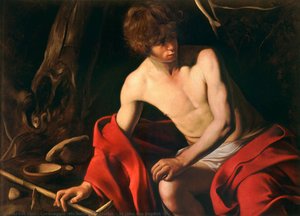
The Annunciation is an oil painting by the Italian master Michelangelo Merisi da Caravaggio, finished around 1608. It is housed in the Musée des Beaux-Arts de Nancy. The painting has been considerably damaged and retouched, but what remains of Caravaggio's brushwork is the angel, who bears a resemblance to the figure in John the Baptist at the Fountain.Artist: Caravaggio (Michelangelo Merisi)
Caravaggio was an Italian maestro who left an indelible mark on Baroque painting. He spent the bulk of his career in Rome before his tumultuous life led him across Naples, Malta, and Sicily until his untimely death in 1610. Known for his acute observation of human nature, Caravaggio's paintings are characterized by their dramatic use of light and shadow, as well as their naturalistic depiction of the human form.Media
The Annunciation is an oil painting on canvas. Oil paint is a slow-drying medium that allows artists to create rich, vibrant colors and smooth, blended transitions between tones. It was a popular choice for Italian painters during the Renaissance and Baroque periods due to its versatility and ability to capture fine details.Style
The Annunciation is an example of Baroque painting, which emerged in Italy in the early 17th century as a reaction against the restrained naturalism of the Renaissance. The style is characterized by its dynamic compositions, dramatic use of light and shadow (known as chiaroscuro), and intense emotional expression.Historical Context
The Annunciation was painted during the Baroque period in Florence, which saw a decline in artistic significance compared to the High Renaissance. However, Caravaggio's innovative style and masterful technique made him one of the most important painters of his time. The painting was given by Henry II, Duke of Lorraine, to his primatial church in Nancy as the main altarpiece, and was perhaps acquired by one of the Duke's sons in the course of a visit to Malta in 1608.Conclusion
The Annunciation is a powerful and evocative painting that showcases Caravaggio's masterful technique and innovative style. Its dramatic use of light and shadow, naturalistic depiction of the human form, and intense emotional expression make it a quintessential example of Baroque painting. If you are interested in owning a hand-made oil painting reproduction of this masterpiece, please visit our website at https://TopImpressionists.com. Musée des Beaux-Arts de NancySpørsmål og svar
Hvilken fargetone dominerer i "The Annunciation"?
"The Annunciation" har en tendens til en Green to Violet Spectrum tone.
Hva er "The Annunciation" laget med, og i hvilken stil?
"The Annunciation" av Caravaggio kombinerer Acrylic On Canvas-teknikken med Baroque Painting-stilen. Teknikk og stilretning beskriver verkets utførelse og estetiske uttrykk.
Hvordan finner jeg kunstverk som ligner på "The Annunciation" av Caravaggio?
Siden Lignende verk for "The Annunciation" av Caravaggio viser relaterte kunstverk.
Om kunstneren
Et Liv Smidd i Skygge og Lys
Michelangelo Merisi da Caravaggio, et navn synonymt med barokkmaleriets dramatiske intensitet, ble født i Milano i 1571, en periode preget av både kunstnerisk blomstring og samfunnsmessige omveltninger. Hans tidlige liv var merket av tap; pest herjet hjembyen hans, og krevde livet til faren og bestefaren da han bare var seks år gammel. Oppdratt i relativ fattigdom, innplantet de formative årene en skarp bevissthet om menneskelig lidelse og motstandskraft – temaer som senere skulle dominere hans lerret. Han begynte sin kunstneriske utdannelse i Milano under Simone Peterzano, en tidligere elev av Tizian, absorberte grunnleggende renessanseteknikker, men antydet allerede et opprørsk sinn som snart skulle knuse konvensjonelle normer. Denne lærlingtiden ga et solid fundament, men det var i Roma, rundt 1592, at Caravaggio virkelig fant sin stemme, om enn ikke uten innledende kamp og vanskeligheter. Byen, et pulserende sentrum for kunstnerisk beskyttelse og religiøs glød, viste seg både forlokkende og nådeløs for den ambisiøse unge maleren.En Revolusjonerende Visjon: Teknikk og Stil
Caravaggios ankomst til Roma varslet et seismisk skifte i det italienske kunstlandskapet. Han forkastet den rådende manierismestilen – preget av dens kunstige eleganse og forlengede former – til fordel for en kompromissløs realisme som sjokkerte og fengslet publikum. Hans mest definerende innovasjon var hans mesterlige bruk av chiaroscuro, den dramatiske kontrasten mellom lys og mørke, som han hevet til et nytt nivå av uttrykksfull kraft. Denne teknikken, ofte referert til som tenebrisme, var ikke bare et estetisk valg; det var et middel for å intensivere emosjonell innvirkning, trekke seerne inn i hjertet av scenen og gi figurene hans en håndgripelig følelse av nærvær. Han forkastet idealiserte fremstillinger, befolket i stedet sine malerier med vanlige mennesker – ofte hentet fra gatene i Roma – som modeller for religiøse figurer. Denne radikale tilnærmingen utfordret tradisjonelle forestillinger om skjønnhet og hellighet, og gjorde det hellige relatert og dypt menneskelig. Hans komposisjoner var ofte nakne og direkte, med fokus på kritiske øyeblikk av intens drama, enten det var den brutale realismen i «Peters fangst» eller den stille kontemplasjonen i "Sankt Frans av Assisi i ekstase".Nøkkelverk og Varig Innflytelse
Gjennom sin relativt korte karriere produserte Caravaggio et verk som fortsetter å resonere med publikum i dag. Tidlige arbeider som «Spåkonen» (1594) demonstrerer hans spirende talent for å fange realistisk detalj og psykologisk nyansering. «Supperen i Emmaus» (1601-1602), som finnes på National Gallery i London, eksemplifiserer hans mestring av chiaroscuro og evnen til å formidle dyp emosjonell dybde innenfor en bibelsk fortelling. «David med Goliat hode» (ca. 1610) er spesielt hjemsøkende, ofte tolket som et selvportrett som gjenspeiler Caravaggios egen problematiske tilstand. Hans innflytelse strakte seg langt utover Italia og inspirerte en generasjon kunstnere kjent som Caravaggistene, eller «skyggemalerne», som adopterte hans stil i hele Europa. Bemerkelsesverdige etterfølgere inkluderte Peter Paul Rubens, Jusepe de Ribera og Gerrit van Honthorst, som hver tilpasset Caravaggios teknikker til sine egne unike kunstneriske visjoner.En Tumultarisk Eksistens og Vedvarende Arv
Caravaggios liv var like dramatisk og turbulent som kunsten hans. Et ustabilt temperament og en forkjærlighet for slagsmål førte ham ofte i trøbbel med loven, kulminerende i en mordtiltale i 1606 som tvang ham til å flykte fra Roma. Han tilbrakte de neste fire årene på vandring gjennom Napoli, Malta og Sicilia, fortsatte å male mens han desperat søkte pavelig benådning. Til tross for sine anstrengelser forble han en lovløs mann, hjemsøkt av fortiden sin og plaget av personlige konflikter. Han døde i Porto Ercole, Italia, i 1610 under mystiske omstendigheter – årsaken til hans død er fortsatt omdiskutert, med teorier som spenner fra feber til forgiftning. Selv om livet hans ble kortsluttet, varer Caravaggios kunstneriske arv som et vitnesbyrd om hans revolusjonerende visjon og urokkelige engasjement for realisme. Han utfordret konvensjonene i sin tid, banet vei for en mer moderne tilnærming til maleri og satte et uutslettelig preg på vestlig kunsthistorie. Hans arbeid fortsetter å inspirere ærefrykt og provosere kontemplasjon, og minner oss om kraften i kunsten til å belyse de mørkeste hjørnene av den menneskelige opplevelsen.
Caravaggio
1571 - 1610 , Spania
Kort om kunstneren
- Artistic Movement Or Style: Barokk, Tenebrisme
- Artists Or Movements Influenced By This Artist:
- Rubens
- Ribera
- Artists Who Influenced This Artist:
- Titian
- Leonardo da Vinci
- Date Of Birth: 29. september 1571
- Date Of Death: 18. juli 1610
- Full Name: Michelangelo Merisi da Caravaggio
- Nationality: Italiensk
- Notable Artworks:
- Fortune Teller
- Supper at Emmaus
- David med Goliat
- Place Of Birth: Milano, Spania
Relaterte artikler

Chiaroscuro & Emotion: Capturing the Dramatic Soul of Baroque Art
Explore the profound drama of Baroque art. Discover how masters used chiaroscuro and intense emotion to capture the soul of the 17th century through light, shadow, and spiritual grandeur in this expert art history guide.

The Drama of Light: Capturing Emotion and Spiritual Fervor in Baroque Portraiture
Explore the breathtaking drama of Baroque portraiture. Discover how masters like Caravaggio used chiaroscuro to capture profound emotion, spiritual fervor, and psychological depth through the revolutionary interplay of light and shadow.

Drama and Light: Discover the Captivating Grandeur of Baroque Art
Immerse yourself in the dramatic splendor of Baroque art. Explore the profound impact of light, shadow, and the Counter-Reformation through an expert historical lens, celebrating the masters who defined an era of unparalleled grandeur and emotional intensity.
Utforsk kunstverk organisert etter temaer, stiler og kjennetegn.