


 Se i rommet
 Del som digitalt kort
 Del
Del
 Detaljer
 Studentguide

 Last ned
 Liknende objekter
 Røntgen
 Lysbildefremvisning
 Besøksstatistikk
Veivann (8)


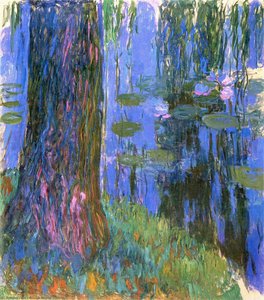
Claude Monets «Veivann (8)» er et gripende maleri som fanger sorg og minne gjennom lys og farger. Opplev den vakre, melankolske stemningen i en tidlig impressionistisk verk.
 Les mer
Utforsk Claude Monets verden, impresjonismens mester kjent for å fange flyktig lys og farge gjennom ikoniske landskap som vannliljer og høyballer.
Giclée / Kunsttrykk
Giclée- eller lerretsprint av museumskvalitet med rask produksjon og fleksible valgmuligheter for etterbehandling. ( Bestill håndmalt reproduksjon Gå til digitalt bilde)




P118B Nkr10

P118H Nkr10

P118W Nkr10

P438Z Nkr10

P508JH Nkr12

P508YH Nkr12

P805H Nkr10

P805Z Nkr10

P919BZ Nkr10

P919G Nkr10

P919XJ Nkr10

P959ZH Nkr10

P968JZ Nkr12

W106C Nkr8

W218G Nkr10

W218JH Nkr8

W218Y Nkr10

W307PJ Nkr10

W316G Nkr10

W316PJ Nkr8

W316Y Nkr10

W398PJ Nkr8

W4111J Nkr10

W500HY Nkr15

W500JH Nkr15

W692G Nkr12

W849H Nkr8

W940BG Nkr15

W953PJ Nkr8




Standardformat
tilpasset
CM
INCH
Velg mellom våre forhåndsdefinerte størrelser som bevarer kunstverkets opprinnelige proporsjoner.
Loading sizes...

bredde
høyde
Skriv inn bredden og høyden du trenger, slik at den passer til din ramme eller vegg. Et trykk kan kun beskjæres, aldri gjøres større enn bildet, så et format med en annen form vil miste en del av motivet. Vi sender deg en digital mockup for godkjenning før vi trykker noe som helst. Bildet som vises på denne siden viser ikke den faktiske beskjæringen — det er kun mockuppen som gjør det.
Verdensomspennende levering () på 2 uker i stedet for standard 4/5 uker. (22 October)

Gratis ekspressfrakt over hele verden

Lerretsduk av høykvalitets lin

Full transportforsikring

Garanti for refusjon av toll og importavgifter

Garantert fargeekthet

100 dagers returrett ved fabrikasjonsfeil

100% pengene tilbake-garanti

Mengderabatt
 Glassalternativet er kun tilgjengelig i størrelser under 110 cm

Veivann (8)
Giclée / Kunsttrykk
Format på reproduksjon
-


Totalpris
Nkr 654
Claude Monet’s Melancholy Embrace: “Weeping Willow (8)”
Claude Monet's "Weeping Willow (8)" isn’t merely a depiction of a tree; it’s a profound meditation on loss, a poignant echo of grief rendered in the shimmering, ethereal language of Impressionism. Painted in 1918, a year steeped in sorrow for the artist – following the untimely deaths of his beloved wife, Alice, and his son, Jean, amidst the horrors of World War I – this work transcends its subject matter to become a universal symbol of mourning and remembrance. It’s a piece that speaks not just to the eye but directly to the heart, capturing an atmosphere of quiet contemplation and enduring sadness. The painting isn't about simply showing a willow; it’s about conveying the *feeling* of loss, the weight of memory, and the beauty found even within sorrow.
Monet, deeply affected by these personal tragedies, channeled his emotions into his art with an unprecedented intensity. He sought to capture not just the physical form of the willow but also the emotional resonance it carried – a reflection of his own internal struggles. The painting’s genesis lies in a period of immense national mourning in France, and “Weeping Willow (8)” can be interpreted as a direct response to this collective grief, a visual embodiment of the nation's shared sorrow. The willow tree itself carries significant symbolic weight in Western culture; its drooping branches have long been associated with mourning and remembrance, mirroring the downward trajectory of despair while simultaneously hinting at resilience and enduring beauty.
A Masterclass in Impressionist Technique
At the heart of “Weeping Willow (8)” lies Monet’s masterful command of Impressionistic technique. He abandons traditional representational painting in favor of capturing a fleeting *impression* – the way light dances through the leaves, the shifting hues of the sky, and the overall atmosphere of the moment. This is achieved through loose, broken brushstrokes, a hallmark of his style, creating an effect of shimmering movement and atmospheric depth. Notice how Monet doesn’t meticulously detail each leaf; instead, he uses dabs and dashes of paint to suggest their form and texture, evoking a sense of vitality despite the underlying melancholy. The painting is dominated by a diffused, almost ethereal light, suggesting both beauty and fragility.
Technically, “Weeping Willow (8)” was executed in oil on panel – a medium that allowed Monet to achieve remarkable luminosity and expressive brushstrokes. The texture of the panel surface subtly contributes to the painting’s overall effect, adding another layer of visual interest. The composition is carefully balanced, with the tree occupying a central position while the surrounding landscape provides context and depth. Subtle details, such as the suggestion of a distant figure observing the tree, add a sense of narrative and invite contemplation.
Symbolism and the Weight of Memory
Beyond its technical brilliance, “Weeping Willow (8)” is rich in symbolism. The willow tree itself represents mourning, loss, and remembrance – themes that resonated deeply with Monet during this period of personal tragedy. Its drooping branches evoke a sense of vulnerability and sorrow, while its vibrant colors suggest the enduring beauty of nature even in the face of adversity. The painting’s title – “Weeping Willow (8)” – hints at a larger body of work exploring this subject, suggesting a deliberate and sustained engagement with the tree's symbolic power. It’s not just a single image; it’s part of a series, each capturing a slightly different perspective on the same poignant theme.
Furthermore, the painting can be interpreted as a reflection on the passage of time and the inevitability of loss. The willow’s ancient roots symbolize the enduring nature of memory, while its delicate branches represent the fragility of life. Monet's ability to capture these complex emotions with such sensitivity is what makes “Weeping Willow (8)” a truly remarkable work – a poignant reminder of the beauty and sorrow that coexist in the human experience. The painting invites us to contemplate not just the loss itself, but also the enduring power of memory and the quiet dignity of grief.
Reproductions and Artistic Legacy
Handmade oil painting reproductions of Monet’s works, including “Weeping Willow (8),” are available on platforms like TopImpressionists.com, offering art enthusiasts and collectors a chance to own a piece of this iconic masterpiece. These reproductions meticulously capture the essence and beauty of the original painting, faithfully recreating Monet’s distinctive style and emotional depth. They serve as an accessible way to experience the power of Impressionism and appreciate Monet's profound artistic vision. These high-quality reproductions allow you to bring the evocative atmosphere of Giverny into your home or office, offering a connection to one of art history’s most beloved figures.
For those seeking further information on Claude Monet and his work, resources such as the Claude Monet page on TopImpressionists.com provide a wealth of biographical details, images, and scholarly articles. Additionally, museums like the Columbus Museum of Art (/art/list/?Filter=8YE8P6-Claude-Monet-Weeping-Willow) and the Allen Memorial Art Museum (/art/list/?Filter=A@D3C4WT-The-Allen-Memorial-Art-Museum-(United-States)) offer valuable collections and exhibitions dedicated to Monet’s legacy.
Spørsmål og svar
Kan jeg se et røntgenbilde av "Veivann (8)" av Claude Monet?
Røntgen-siden til "Veivann (8)" av Claude Monet er en interaktiv visning som lar deg bla gjennom elleve optiske lag av kunstverkets bilde, inkludert en visning i røntgenstil.
Hvordan forenes medium og bevegelse i "Veivann (8)"?
"Veivann (8)" av Claude Monet kombinerer Olje på treplate-teknikken med Impressionist Painting-stilen. Teknikk og stilretning beskriver verkets utførelse og estetiske uttrykk.
Hvor mange ser på "Veivann (8)"?
Statistikk for "Veivann (8)" av Claude Monet finnes på verkets Statistikk-side: månedlige visninger av verket, visninger av kunstnerens andre verk, samt en oversikt over nylige besøkende fordelt på land og språk.
Relaterte kunstverk



Kunstnerbiografi
Et liv fordypet i lys: Claude Monets verden
Oscar-Claude Monet, et navn synonymt med impresjonismen, var ikke bare en maler av landskap; han var en kronikør av flyktige øyeblikk, en poet av lys og farge. Han ble født i Paris den 14. november 1840, og hans tidlige liv tok en uventet vending da familien flyttet til Le Havre i Normandie da han var fem år gammel. Selv om faren opprinnelig hadde planlagt en kommersiell karriere for ham, dukket den unge Claudes medfødte kunstneriske talent raskt opp, først manifestert gjennom kulltegninger solgt lokalt – et bevis på både hans ferdigheter og entreprenørånd. Det var imidlertid møtet med Eugène Boudin som viste seg å være avgjørende. Boudin lærte ikke bare Monet *hvordan* han skulle male; han plantet den revolusjonerende ideen om å male en plein air—direkte fra naturen—en praksis som skulle definere hele hans kunstneriske reise.
Monets formelle utdanning begynte i Paris, først kort ved Académie Suisse og senere under Charles Gleyre. Det var her han knyttet varige vennskap med andre kunstnere som Auguste Renoir, et bånd bygget på felles kunstneriske frustrasjoner og et ønske om å bryte fri fra de tradisjonelle akademiske maleriets begrensninger. Hans tidlige verk viste teknisk dyktighet, men manglet den særegne stemmen som snart skulle kjennetegne hans stil. En periode med uro fulgte – den fransk-prøyssiske krigen tvang Monet til å søke tilflukt i London, hvor han fordypet seg i arbeidet til engelske landskapsmestre som J.M.W. Turner, og absorberte deres atmosfæriske effekter og innovative bruk av farge.
Fødselen av en estetisk revolusjon
Ved sin retur til Frankrike ble Monet en sentral skikkelse i et spirende kunstnerisk opprør. Misfornøyd med de konservative standardene ved Salongen, slo han seg sammen med andre likesinnede kunstnere for å organisere uavhengige utstillinger. Utstillingen i 1874 viste seg å være et vendepunkt, ikke bare for Monet, men for hele kunstverdenen. Det var her hans maleri «Impression, soleil levant» (Inntrykk, soloppgang) – en tåkete skildring av havnen i Le Havre ved daggry – ble vist frem, og det var fra dette verket det hånlig omtalte begrepet "impresjonisme" oppstod. Navnet festet seg imidlertid, og utviklet seg til et hedersmerke for en bevegelse som søkte å fange den subjektive *inntrykket* av en scene, snarere enn dens nøyaktige representasjon.
Monets signaturstil blomstret i denne perioden: løse, synlige penselstrøk, vibrerende og ofte ublandede farger påført side om side (en teknikk kjent som «brutt farge»), og et urokkelig fokus på å fange lysets flyktige kvaliteter. Han forfulgte utrettelig sin plein air-praksis, og arbeidet raskt for å registrere sine umiddelbare sanseinntrykk før de skiftende forholdene endret motivet. Denne dedikasjonen handlet ikke bare om å avbilde det han *så*, men snarere hvordan han *følte* i møte med det – et radikalt brudd med kunstneriske konvensjoner.
Giverny: Et paradis av lys og refleksjon
I 1883 slo Monet seg ned i Giverny, nordvest for Paris, og etablerte et hjem og en hage som skulle bli både hans fristed og hans største kilde til inspirasjon. Han transformerte eiendommen metodisk til et forseggjort paradis, komplett med eksotiske blomster, hengepil og, mest berømt, en vannliljedam spennet over av en japansk bro. Dette var ikke bare en dekorativ hage; det var et levende laboratorium hvor Monet kunne studere effektene av lys på vann, løvverk og refleksjoner under kontrollerte forhold.
De siste tiårene av hans liv var nesten utelukkende viet til å male vannliljedammen i Giverny. Han la ut på den monumentale vannliljeserien (Nymphéas), hvor han skapte enorme lerreter som fremstilte dammens overflate som et stadig skiftende teppe av farge og lys. Dette var ikke bare malerier av blomster; de var oppslukende opplevelser, designet for å omslutte betrakteren i en verden av seremoniell skjønnhet og kontemplativ stillhet. Skalaen på disse verkene er pustløs, og de presset grensene for tradisjonelt maleri mens de varslet den abstrakte ekspresjonismen.
Arv: En varig innvirkning på kunsthistorien
Claude Monets innvirkning på kunsthistorien er uendelig. Han var ikke bare grunnleggeren av impresjonismen; han endret fundamentalt måten kunstnere oppfattet og representerte verden rundt seg på. Hans vektlegging av subjektiv erfaring, hans omfavnelse av plein air-maling og hans innovative teknikker beredte vei for den moderne kunstens utforskning av abstraksjon og ikke-representasjonsformer.
Monet oppnådde betydelig kommersiell suksess i sin levetid – en sjeldenhet for avantgarde-kunstnere i hans tid. Hans arbeid fortsetter å inspirere ærefrykt og fange publikum over hele verden, noe som befester hans plass som en av de viktigste skikkelsene i vestlig kunst. Han døde 5. desember 1926 og etterlot seg en arv som resonnerer gjennom generasjoner av både kunstnere og kunstelskere. Betydelige samlinger av hans mesterverk finnes ved prestisjetunge institusjoner som Musée d'Orsay og Musée Marmottan Monet i Paris, noe som sikrer at hans visjon fortsetter å lyse opp verden.
Sentrale kunstneriske teknikker
- Plein Air-maling: Sentralt for hans utvikling, noe som muliggjorde direkte observasjon av lys og atmosfære.
- Brutt farge: Påføring av små strøk med ren farge side om side for optisk blanding.
- Seriemaling: Fremstilling av det samme motivet under ulike lys- og værforhold – som demonstrerer tidens og lysets transformative kraft.

Claude Monet
1840 - 1926 , Frankrike
Kort om kunstneren
- Artistic Movement Or Style: Impresjonismen
- Artists Or Movements Influenced By This Artist: ['Moderne kunst']
- Artists Who Influenced This Artist:
- Eugène Boudin
- J.M.W. Turner
- Date Of Birth: 14. november 1840
- Date Of Death: 5. desember 1926
- Full Name: Oscar-Claude Monet
- Nationality: Fransk
- Notable Artworks:
- Impresjon, soloppgang
- Nymfeer
- Høystakker
- Place Of Birth: Paris, Frankrike
Relaterte artikler

Impressionismens Mesterverk: Topp 10 Kunstverk for Ditt Hjem
Oppdag impressionismens magi! Utforsk 10 ikoniske kunstverk av Monet, Renoir & Degas. Lær om historien bak maleriene og finn inspirasjon til din egen veggkunst på TopImpressionists.com – museumskvalitet for hjemmet ditt.

Impresjonistiske landskap: 10 mesterverk som definerte en kunstbevegelse | TopImpressionists.no
Opplev impresjonismens magi! Utforsk 10 ikoniske landskapsmalerier av Monet, Renoir og Degas. Lær historien bak mesterverkene & finn din perfekte kunsttrykk på TopImpressionists.com.

Claude Monet: Topp 25 Maler – Impressionisme for Ditt Hjem | TopImpressionists.no
Oppdag Claude Monets 25 mest ikoniske malerier! Fordyp deg i impressionismens verden, fra vannliljer til soleiloppgang. Historien bak kunsten & eksklusive reproduksjoner på TopImpressionists.no – for et kunstfullt hjem.

Evocations of Place: A Historical Journey Through Landscape Art
Explore the rich history of landscape art with TopImpressionists. Discover renowned artists, movements like Impressionism & tonalism, and expert guidance for collecting timeless pieces. Find your perfect serene escape today!

Impressionismens landskapskunst: Topp 10 mesterverk som definerte en epoke | TopImpressionists.no
Opplev impressionismens magi! Utforsk 10 ikoniske landskapsmalerier av Monet, Renoir og Van Gogh. Lær om kunsthistorien bak mesterverkene & finn din perfekte veggkunst på TopImpressionists.com – museumskvalitet for ditt hjem.
Utforsk kunstverk organisert etter temaer, stiler og kjennetegn.


