

 Forhåndsvisning
 Send
Send Del med andre
 Vis detaljer
 Veiledning

 Last ned bildet
 Liknende objekter
 Røntgenundersøkelse
 Lysbildefremvisning
 Statistikk
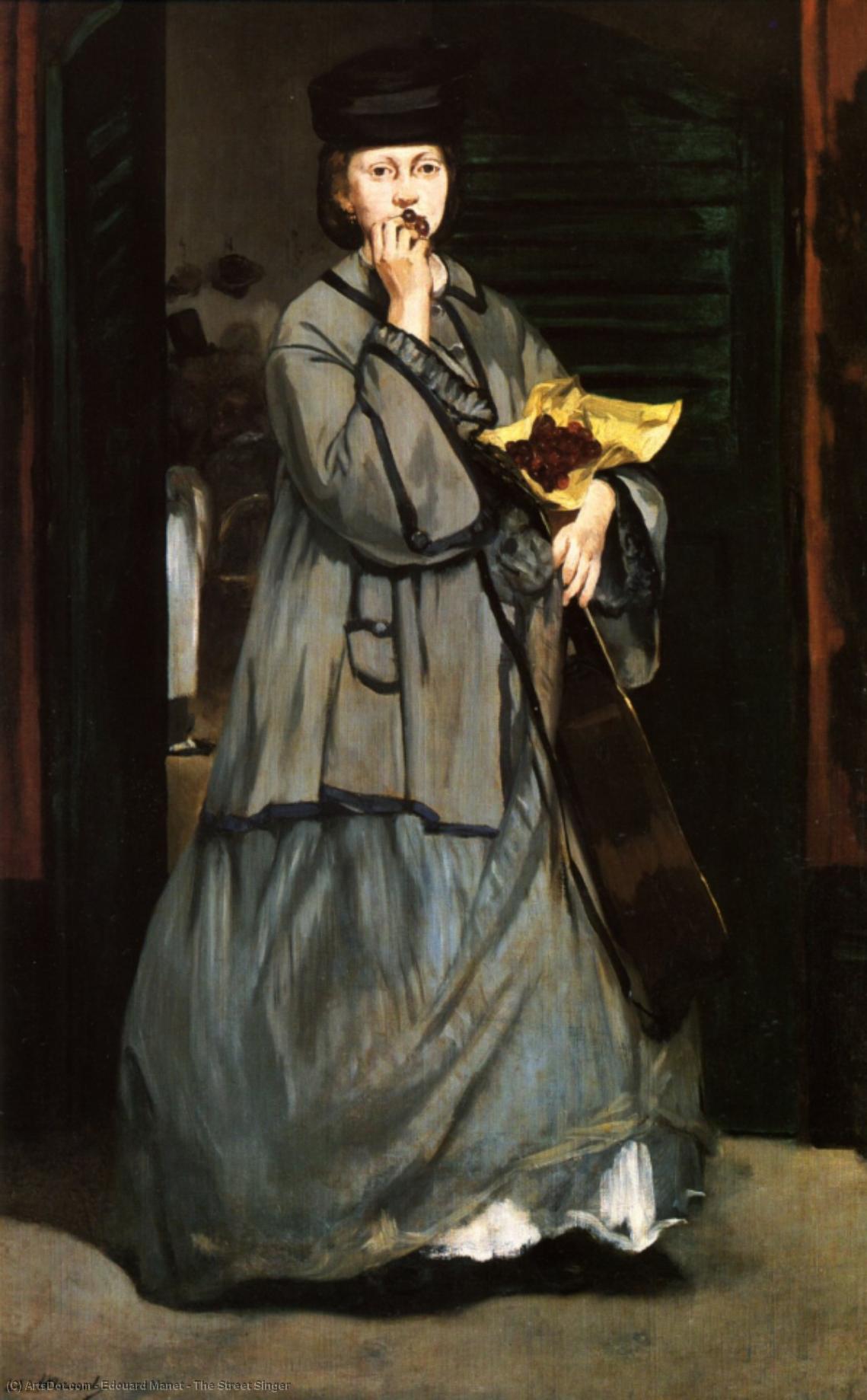
Sangstress på Gata


Oppdag Édouard Manet’s ikoniske «Sangstress på Gata» (1862)! Et revolusjonerende kunstverk som fanger parisisk atmosfære og sosial kritikk – nå tilgjengelig som håndmalt reproduksjon.
 Vis hele teksten
Oppdag Édouard Manet (1832-1883), en revolusjonær fransk kunstner! Utforsk hans ikoniske verk, fra 'Le Déjeuner' til 'Olympia', og innflytelsen på moderne kunst.
Håndlaget oljereproduksjon
Håndmalt olje på lerret i din valgte størrelse og ramme, laget på bestilling av våre kunstnere. ( Bytt til trykk Bytt til digitalt bilde)




P118B $10

P118H $10

P118W $10

P438Z $10

P508JH $12

P508YH $12

P805H $10

P805Z $10

P919BZ $10

P919G $10

P919XJ $10

P959ZH $10

P968JZ $12

W106C $8

W218G $10

W218JH $8

W218Y $10

W307PJ $10

W316G $10

W316PJ $8

W316Y $10

W398PJ $8

W4111J $10

W500HY $15

W500JH $15

W692G $12

W849H $8

W940BG $15

W953PJ $8




Standardformat
skreddersydd
CM
INCH
Velg mellom våre forhåndsdefinerte størrelser som bevarer kunstverkets opprinnelige proporsjoner.
Loading sizes...

bredde
høyde
Du kan angi egne mål for å tilpasse en spesifikk ramme eller plass. Dersom den valgte størrelsen ikke samsvarer med originalbildets proporsjoner, vil vi enten beskjære kunstverket eller utvide maleriet med ytterligere håndmalte elementer. En digital mockup vil bli sendt til din godkjenning før produksjonen starter.
Vennligst merk at forhåndsvisningen på skjermen ikke gjenspeiler den faktiske beskjæringen eller utvidelsen. Kun mockuppen vil vise den endelige komposisjonen nøyaktig.
Selv om tilpassede størrelser er tilgjengelige, anbefaler vi å velge et mål fra den forhåndsdefinerte listen for å bevare de originale proporsjonene.
Eksempler på hva som kan endres: Erstatt ansikt med bilde av kunden; Legg til kjæledyr (f.eks. bytt ut katt med hund); Inkluder en skjult melding i bakgrunnen; Endre bakgrunnslandskap eller elementer.
Etter bestilling vil TopImpressionists.com-teamet sende e-post til kunden for instruksjoner og sende et utkast (mockup) som forhåndsvisning.
Etter bestilling vil TopImpressionists.com-teamet sende e-post til kunden for instruksjoner og sende et utkast (mockup) som forhåndsvisning.
Verdensomspennende levering () på 3–4 uker i stedet for standard 5 uker. (23 September). Ingen kompromisser med kvaliteten.

Gratis ekspressfrakt over hele verden

Lerretsduk av høykvalitets lin

Full forsikring under transport

Garanti for refusjon av toll og importavgifter

Garantert korrekt fargegjengivelse

100 dagers returrett (kun ved mangler)

100% pengene tilbake-garanti

Rabatt ved flere kjøp
 Glassalternativet er kun tilgjengelig i størrelser under 110 cm

Sangstress på Gata
Teknikk for reproduksjon
Størrelse på reproduksjon
-


Endelig pris
$ 269
The Enigmatic Street Singer: A Window into Parisian Life
Édouard Manet’s “The Street Singer,” painted in 1862, isn't merely a portrait; it’s a carefully constructed tableau vivant—a snapshot of urban life brimming with quiet observation and subtle social commentary. This captivating work, currently residing within the esteemed Museum of Fine Arts in Boston, offers a rare glimpse into the burgeoning modernism that was reshaping the art world at the time. It's a piece that invites prolonged contemplation, revealing layers of meaning beneath its seemingly simple composition.
At first glance, the painting presents a straightforward depiction: a young woman, Victorine Meurent, stands before a nondescript doorway, her hand delicately touching her face, a guitar case resting at her feet. The scene unfolds outdoors, subtly suggested by the presence of a stray cat nestled on the left side of the canvas – a detail that anchors the image firmly within the realities of Parisian streets. However, Manet’s genius lies in his masterful manipulation of light and shadow, creating an atmosphere of both intimacy and detachment. He employs a loose, expressive brushstroke—a hallmark of his style—that eschews the smooth, polished surfaces favored by academic painters. Instead, he uses visible strokes to build form and texture, imbuing the scene with a palpable sense of immediacy.
A Revolutionary Approach to Portraiture
“The Street Singer” represents a pivotal shift in Manet’s artistic trajectory and, more broadly, in the course of Western painting. Moving away from the idealized depictions prevalent in earlier portraiture, Manet presents his subject with an unvarnished honesty. Victorine's face is not meticulously rendered; instead, it possesses a certain weariness, a hint of melancholy that speaks to her life as a street performer. Her gaze is averted, suggesting a private world beyond the viewer’s perception. This deliberate choice challenged the conventions of the Salon, where idealized beauty and heroic narratives were typically prioritized.
Manet's technique further underscores this revolutionary approach. He utilizes a muted color palette—primarily browns, grays, and ochres—to create a sense of atmospheric depth. The light, diffused by the overcast sky, casts soft shadows across Victorine’s face and clothing, highlighting her features without resorting to dramatic contrasts. This subtle illumination is reminiscent of the work of Velázquez, one of Manet’s admired influences, yet he adapts this technique to suit his own modern sensibility.
Historical Context and Social Commentary
“The Street Singer” was painted during a period of rapid social and economic change in Paris. Street musicians like Victorine were an integral part of Parisian life, providing music for passersby in exchange for coins. Manet’s decision to depict her in such a candid manner—without romanticizing or idealizing her situation—was a bold statement about the realities of working-class existence.
Furthermore, the painting can be interpreted as a commentary on the changing role of women in society. Victorine's position as a street performer challenges traditional notions of female virtue and domesticity. She is an independent figure, navigating the complexities of urban life with resilience and dignity. The inclusion of the cat adds another layer of symbolism—a reminder of the animalistic instincts that persist beneath the veneer of civilization.
A Legacy of Modernism
“The Street Singer” stands as a cornerstone of modern art, paving the way for Impressionists like Monet and Renoir. Manet’s emphasis on capturing fleeting moments, his use of unconventional subjects, and his rejection of academic conventions profoundly influenced subsequent generations of artists. The painting's enduring appeal lies in its ability to evoke a sense of nostalgia for a bygone era while simultaneously offering a poignant reflection on the human condition. It is a testament to Manet’s artistic vision—a window into Parisian life, a celebration of urban beauty, and a powerful statement about the complexities of modern society.
Lignende kunstverk


Om kunstneren
En parisisk rebel: Livet og kunsten til Édouard Manet
Édouard Manet, født i 1832 inn i en komfortabel borgerlig familie i Paris, var knapt forutbestemt for livet som en revolusjonerende kunstner. Hans far, en respektert dommer, så for seg en trygg fremtid for sønnen innen jus eller kanskje marineoffiserstjeneste – respektable yrker verdig deres sosiale status. Likevel, selv som ung gutt, tilhørte Manets hjerte kunsten. Allerede i elleveårsalderen begynte han med formell tegneundervisning, og selv om han en kort tid var lærling hos den akademiske maleren Thomas Couture, fant han raskt Coutures rigide metoder kvelende. Denne tidlige motstanden varslet et livslangt engasjement i å utfordre kunstneriske konvensjoner. Manet var ikke interessert i simpelthen å gjenskape fortiden; han søkte å fange vibrasjonen – og noen ganger de urovekkende realitetene – i det moderne parisiske livet. Han frekventerte Louvre, ikke bare for å kopiere gamle mestere, men for å dissekere deres teknikker, lære av kunstnere som Caravaggio og Velázquez hvordan lys og skygge kunne forme formen og fremkalle følelser. Det var imidlertid et skifte i kunstneriske strømninger, særlig fremveksten av realismen ledet av Gustave Courbet, som virkelig satte fyr på Manets kreative bane. Courbets insistering på å skildre hverdagen uten idealisering resonerte dypt med Manet og frigjorde ham fra begrensningene i historiske eller mytologiske emner.Brudd med tradisjonen: Skandale og innovasjon
1860-tallet markerte en periode med intens kunstnerisk uro i Paris, og Manet befant seg midtpunktet i det hele. Ankomsten av japanske trykk – *ukiyo-e* – påvirket hans estetiske følsomhet dypt. Han ble fascinert av deres flate perspektiver, dristige komposisjoner og slående bruk av farge, elementer som skulle bli kjennetegn på hans egen stil. Denne innflytelsen, kombinert med hans voksende avvisning av akademisk polering, førte til verk som sjokkerte og skandaliserte den parisiske kunstverdenen. Le Déjeuner sur l'herbe (Frokosten i det grønne), utstilt på Salon des Refusés i 1863 – en utstilling for verk avvist av den offisielle Salongen – ble et lynavleder for kontroverser. Maleriet, som viser en naken kvinne som uformelt piknikerer med to fullt kledde menn, handlet ikke bare om nakenhet; det handlet om *hvordan* denne nakenheten ble presentert. Manets figurer manglet de idealiserte formene og mytologiske kontekstene til tradisjonelle nakne kropper. De var utvilsomt moderne, konfronterende betrakteren med en urovekkende direktehet. Skandalen rundt Le Déjeuner ble bare intensivert med hans mesterverk fra 1865, Olympia. Dette maleriet, en bevisst omskriving av Titians *Venus of Urbino*, presenterte en moderne prostituert som stirret utfordrende på betrakteren. Den kompromissløse realismen og provoserende tematikken ble møtt med utbredt fordømmelse. Kritikere anklaget Manet for vulgaritet og kunstnerisk inkompetanse, men under indignasjonen lå en erkjennelse av at han fundamentalt endret maleriets språk.En bro til impresjonismen: Lys, penselstrøk og moderne liv
Selv om Manet aldri fullt ut omfavnet betegnelsen «impresjonist», var hans innflytelse på bevegelsen ubestridelig. Han delte deres avvisning av akademiske konvensjoner og deres engasjement for å fange lysets flyktige effekter og atmosfære. Han stilte ut sammen med Monet, Renoir, Degas og andre på impresjonistenes uavhengige utstillinger, og befestet sin posisjon som en nøkkelfigur i avantgarden. Manets teknikk utviklet seg mot et løsere penselstrøk, prioritering av inntrykket av form fremfor presise detaljer. Han eksperimenterte med farge, ofte brukte han skarpe kontraster for å skape dramatiske effekter. Utover de skandaløse nakenbildene utforsket Manet et bredt spekter av emner: portretter – inkludert slående fremstillinger av sin kone Suzanne og medkunstner Émile Zola; scener fra det parisiske nattelivet, som En bar på Folies-Bergère, som mesterlig fanger fremmedgjøringen og spektaklet i moderne urbant liv; og intime sceneskildringer. Han dokumenterte ikke bare disse emnene; han undersøkte dem, stilte spørsmål ved samfunnsnormer og utfordret konvensjonelle forestillinger om skjønnhet.Arv og varig innvirkning
Édouard Manets tidlige død i 1883 av syfilis avsluttet en karriere som allerede hadde forandret kunsthistorien uopprettelig. Selv om hans rykte vokste betydelig etter hans bortgang, ble hans innvirkning umiddelbart følt av yngre kunstnere som kjente ham igjen som en frigjører. Han brøt ned barrierer, utfordret tradisjonelle forestillinger om emnevalg, teknikk og kunstnerisk formål. Hans vektlegging på å fange moderne liv banet vei for impresjonismen og postimpresjonismen. Hans innovative bruk av penselstrøk og farge påvirket generasjoner av malere. Hans vilje til å konfrontere ubehagelige sannheter om samfunnet tvang betrakterne til å stille spørsmål ved sine egne antakelser. Manets malerier fortsetter å resonnere i dag, ikke bare for deres estetiske skjønnhet, men også for deres varige relevans. Han er fortsatt en sentral figur i overgangen fra realismen til impresjonismen og feires med rette som en av modernismens grunnleggere – en parisisk rebel som våget å male verden slik han så den, med all dens kompleksitet og motsetninger. Hans arbeid fungerer som en kraftig påminnelse om at ekte kunstnerisk innovasjon ofte kommer på bekostning av å utfordre etablerte normer og omfavne tidens ubehagelige sannheter.
Édouard Manet
1832 - 1883 , Frankrike
Kort om kunstneren
- Artistic Movement Or Style: Realisme, Impresjonisme
- Artists Or Movements Influenced By This Artist:
- Claude Monet
- Pierre-Auguste Renoir
- Edgar Degas
- Artists Who Influenced This Artist:
- Caravaggio
- Diego Velázquez
- Gustave Courbet
- Date Of Birth: 23. januar 1832
- Date Of Death: 30. april 1883
- Full Name: Édouard Manet
- Nationality: Fransk
- Notable Artworks:
- Le Déjeuner sur l'herbe
- Olympia
- A Bar at the Folies-Bergère
- Place Of Birth: Paris, Frankrike
Relaterte artikler

The Unvarnished Truth: A Cultural Journey Through the Soul of American Realism
Explore the profound beauty of American Realism. From the Ashcan School's urban grit to intimate portraits, discover how artists captured the authentic soul of a nation through unvarnished truth and masterful observation.
Utforsk kunstverk organisert etter temaer, stiler og kjennetegn.


