Forhåndsvisning
 Send
Send Del
Del
 Vis detaljer
 Utskriftsvennlig guide

 Last ned bilde
 Liknende objekter
 Røntgenundersøkelse
 Lysbildefremvisning
 Spørsmål og svar
 Statistikk
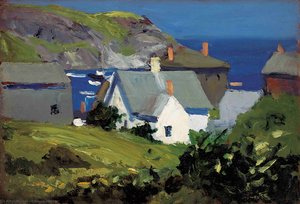
Corn Hill

- 72.0 x 107.0 cm


Explore Edward Hopper’s ‘Corn Hill’ (1930). A serene landscape painting of dunes & houses, showcasing American Impressionism's beauty & solitude. Discover this evocative artwork.
 Vis hele teksten
Edward Hopper: En mester i amerikansk realisme, fanger ensomhet og byliv med kraftfullt lys & skygge. Oppdag ikoniske malerier som Nighthawks! Kvalitetsreproduksjoner fra TopImpressionists.
Kunstverket som vises på denne siden er beskyttet av opphavsretten, noe som betyr at vi ikke har juridisk tillatelse til å lage eller selge identiske reproduksjoner. Denne beskyttelsen håndheves i henhold til internasjonale avtaler som for eksempel Bernerkonvensjonen og av nasjonale lover, inkludert de som er fastsatt i Amerikansk lov om opphavsrett – Tittel 17.
Denne metoden er i fullt samsvar med opphavsrettslige regler, da den ikke innebærer kopiering eller duplisering av det beskyttede kunstverket. I stedet er det snakk om en kreativ nytolkning – et nytt maleri som er inspirert av originalen, men ikke identisk med den.
Giclée / Kunsttrykk
Giclée- eller lerretsprint av museumskvalitet med rask produksjon og fleksible valgmuligheter for etterbehandling. ( Kjøp håndmalt maleri Bytt til digitalt bilde)




P118B Nkr10

P118H Nkr10

P118W Nkr10

P438Z Nkr10

P508JH Nkr12

P508YH Nkr12

P805H Nkr10

P805Z Nkr10

P919BZ Nkr10

P919G Nkr10

P919XJ Nkr10

P959ZH Nkr10

P968JZ Nkr12

W106C Nkr8

W218G Nkr10

W218JH Nkr8

W218Y Nkr10

W307PJ Nkr10

W316G Nkr10

W316PJ Nkr8

W316Y Nkr10

W398PJ Nkr8

W4111J Nkr10

W500HY Nkr15

W500JH Nkr15

W692G Nkr12

W849H Nkr8

W940BG Nkr15

W953PJ Nkr8




Standardformat
skreddersydd
CM
INCH
Velg mellom våre forhåndsdefinerte størrelser som bevarer kunstverkets opprinnelige proporsjoner.
Loading sizes...

bredde
høyde
Skriv inn ønsket bredde og høyde for å tilpasse trykket til din ramme eller vegg. Et trykk kan kun beskjæres, aldri skaleres opp utover motivets opprinnelige størrelse, noe som betyr at et format med andre proporsjoner vil føre til tap av deler av bildet. Vi sender deg en digital mockup for godkjenning før vi starter trykkeprosessen. Bildet som vises på denne siden viser ikke den faktiske beskjæringen — det er kun mockuppen som viser dette.
Verdensomspennende levering () på 2 uker i stedet for standard 4/5 uker. (8 November)

Gratis ekspressfrakt over hele verden

Lerretsduk av lin av høy kvalitet

Full transportforsikring

Garanti for refusjon av toll og importavgifter

Garantert fargegjengivelse

100 dagers returrett ved fabrikasjonsfeil

100% pengene tilbake-garanti

Rabatt ved flere kjøp
 Glassalternativet er kun tilgjengelig i størrelser under 110 cm

Corn Hill
Giclée / Kunsttrykk
Størrelse på reproduksjon
-


Totalpris for valgte alternativer
Nkr 669
A Solitary Gaze: Edward Hopper’s “Corn Hill”
Edward Hopper's "Corn Hill," painted in 1930, isn’t merely a depiction of a rural landscape; it’s a poignant meditation on isolation and the quiet dignity of human existence within the vastness of nature. This oil-on-canvas masterpiece, currently residing at the McNay Art Museum in San Antonio, Texas, captures a fleeting moment along the Cape Cod coast, yet resonates with an enduring sense of melancholy that has captivated viewers for decades. Hopper, a master of American Realism, skillfully employs light and shadow to evoke not just a scene, but a feeling—a subtle yearning for connection amidst a world often defined by solitude.
Composition and Technique: A Study in Light and Perspective
The painting’s composition is deceptively simple. A cluster of modest houses, rendered with Hopper's signature precision and restraint, nestles upon the crest of a rolling dune. The perspective isn’t aggressively linear; instead, it’s subtly flattened, creating an almost dreamlike quality. This deliberate avoidance of strict realism contributes to the painting’s emotional impact, suggesting a world viewed through a contemplative lens. Hopper's masterful use of light is particularly noteworthy. A diffused sunlight streams down upon the houses and the surrounding landscape, casting long shadows that emphasize their isolation. The color palette—primarily ochre, yellow, and muted blues—is restrained yet evocative, lending a sense of quiet dignity to the scene. Notice how he uses variations in tone to create depth and texture, from the smooth expanse of the dunes to the rougher contours of the buildings.
Symbolism and Narrative Resonance
“Corn Hill” is rich with symbolic meaning. The isolated houses represent not just dwellings but also the human need for connection—a desire that often goes unfulfilled in a modern world. The vastness of the dune field underscores this sense of isolation, suggesting a vulnerability against the power of nature. The painting’s title itself, “Corn Hill,” subtly references the historical significance of the site – the location where Pilgrims stole corn from the Nauset tribe, highlighting themes of survival and adaptation. Hopper's inclusion of these details invites viewers to contemplate the relationship between humanity and its environment, as well as the enduring legacy of past events.
Hopper’s Legacy: A Portrait of Modern America
“Corn Hill” is a quintessential example of Edward Hopper's artistic vision. Painted during a period of significant social and economic change in America, it reflects the growing sense of alienation and uncertainty that characterized the era. Hopper’s work resonated deeply with audiences because it captured the quiet realities of everyday life—the loneliness, the unspoken desires, and the subtle beauty found within the mundane. His paintings continue to be studied and admired for their ability to evoke powerful emotions through deceptively simple compositions and masterful use of light and color. “Corn Hill” stands as a testament to Hopper’s enduring legacy as one of America's most important artists, offering a timeless reflection on the human condition.
Spørsmål og svar
Hvilken størrelse anbefales for "Corn Hill" i et Living Room?
For et Living Room anbefales det å trykke "Corn Hill" i størrelsen Large.
Er "Corn Hill" av Edward Hopper et portrett, landskap eller en kvadratisk komposisjon?
"Corn Hill" av Edward Hopper er en Landscape komposisjon. Det er lurt å sjekke proporsjonene før du velger trykkstørrelse.
Hvilken bruk og hvilket rom anbefales for "Corn Hill" av Edward Hopper?
Anbefalt bruk (Reflective) og plass (Living Room) er de to anbefalingene som er oppgitt for "Corn Hill" av Edward Hopper.


Om kunstneren
A Solitude Observed: The Life and Art of Edward Hopper
Edward Hopper, et navn uomgitt av stillhet og subtil melankoli som preget amerikansk liv i det 20. århundre, var langt mer enn bare en maler av scener; han var en poet av lys og skygge, en skildrer av moderne isolasjon. Født i Nyack, New York, i 1882, til middelklasse foreldre med nederlandsk arv, ga Hopper sitt tidlige liv et stabilt oppvekstmiljø som pleiet hans kunstneriske innfall. Fra barndomseskisser nøye datert og signert, ble det tydelig at skarpt observasjonsevne og en iboende talent for tegning var sentrale for hans vesen. Selv om han i utgangspunktet ble oppmuntret til å følge en karriere innen kommersiell illustrasjon – et pragmatisk forslag fra foreldrene sine – hadde Hopper’s ambisjoner en tendens mot fin kunst, noe som førte ham til New York School of Art hvor han studerte under William Merritt Chase og Robert Henri. Disse formative årene innlærte ikke bare teknisk ferdighet, men også en verdsettelse av realisme og et engasjement for å skildre verden slik han så den – usminket og ærlig. Ralph Waldo Emersons skrifter resonerte dypt med Hopper, og understreket hans individualisme og skarpe observasjonsevne – kvaliteter som ville bli kjennetegn på hans kunstneriske visjon. Tidlige reiser til Paris introduserte ham for impresjonismen, men Hopper avviste raskt dens flyktige penselstrøk, og skapte en vei unikt for seg selv.Finding His Voice: Realisme and the American Scene
Hopper’s kunstneriske reise var ikke umiddelbar eller enkel. Han kjempet med å finne sin distinkte stemme, eksperimenterte med forskjellige stiler før han etablerte realismen som ville definere hans karriere. Dette var ikke bare en gjengivelse av virkeligheten; det var en destillasjon av dens essens, fjerning av unødvendige detaljer for å avsløre underliggende følelsesmessige sannheter. Hans malerier begynte å fokusere på hverdagsscener – hus, spisesteder, kontorer, hotellrom – preget av en følelse av stillhet og ofte, ensomhet. Han hadde en ekstraordinær evne til å fange de psykologiske tilstandene til sine motiver, antydende narrativer uten å uttrykke dem eksplisitt. Den nøyaktige gjengivelsen av lys og skygge ble avgjørende – ikke bare som beskrivende elementer, men som følelsesmessige ledetråder, skaper atmosfærer som var både fengslende og ubehagelige. *House by the Railroad* (1925), et tidlig mesterverk, illustrerer dette tilnærmingen – en tilsynelatende enkel komposisjon som utstraler en dyp følelse av isolasjon og mystikk. Hoppers trykkmaking, ofte oversett, gikk parallelt med hans maleri, delte lignende temaer og stilistiske kvaliteter, demonstrerte hans mestring på tvers av medier. Han var ikke interessert i store historiske narrativer eller allegorisk symbolikk; han fokuserte på det vanlige, og hevet det gjennom nøye observasjon og følelsesmessig resonans.Iconic Visions: Nighthawks and Beyond
Selv om Hoppers karriere utviklet seg gradvis, løftet visse verk ham til allment kjennskap. *Nighthawks* (1942), kanskje hans mest berømte maleri, ble umiddelbart et ikon av amerikansk kultur. Den sene nattens spisestedsbilde, badet i skarpt fluorescerende lys, fanger perfekt den urbane isolasjonen og anonymiteten i det moderne livet. Figurene innenfor er fortapt i sine egne tanker, koblet fra hverandre til tross for nærhet – en hjerteskjærende kommentar til den menneskelige tilstanden. *Gas* (1940), med sin slående fremstilling av en bensinstasjon ved veien, viser Hoppers fascinasjon med det amerikanske landskapet og den voksende bilkulturen. Andre merknadsvrdige verk som *Automat*, *Office in a Small City*, og *Summertime* hver gir unike innsikter i kompleksiteten i det 20. århundres amerikanske samfunn. Disse maleriene var ikke bare skildringer av steder; de var utforskninger av stemning, psykologi og de subtile dramatiske hendelsene som utspiller seg i vanlige omgivelser. Hans kone, *Josephine Nivison Hopper*, spilte en viktig rolle ikke bare som hans livslange følgesvenn, men også som en hyppig modell, bidro betydelig til karakteriseringen av hans kvinnelige figurer.Themes and Legacy: A Lasting Influence
Flere gjentagende temaer gjennomstrømmer Hoppers verk. Urban isolasjon er kanskje det mest fremtredende – følelsen av ensomhet opplevd av individer til tross for mengder. Han utforsket det amerikanske landskapet, både landsbygda og byen, ofte understreker dets hardhet og tomhet. Hans arbeid dykker ned i psykologisk realisme, undersøker de indre livene til sine motiver med en følelse av sensitivitet som overgår bare representasjon. Det er også en underliggende nostalgi for en enklere fortid, satt opp mot en erkjennelse av kompleksiteten og bekymringene i det moderne livet. Hoppers innflytelse på etterfølgende kunstnere er uomtvistelig. Hans unike stil har inspirert utallige malere, inkludert Pierre Sanford Ross, og fortsetter å resonere med samtidskunstnere som søker å fange essensen av menneskelig erfaring. Hans malerier er fortsatt høyt ettertraktet av samlere og utstilles i store museer over hele verden, og befester dermed hans plass som en sentral figur i amerikansk kunsthistorie. Mer enn bare en kunstner, var Edward Hopper en visuell filosof, og ga dype innsikter i den menneskelige tilstanden gjennom sin mesterskapelige bruk av lys, skygge og komposisjon.- Hans arv ligger ikke bare i skjønnheten i hans malerier, men også i deres vedvarende evne til å vekke tanken, utløse følelser og minne oss om den stille ensomhet som ofte definerer våre liv.
- Hoppers arbeid fortsetter å fange oppmerksomheten fordi det taler til universelle temaer om ensomhet, isolasjon og søken etter mening i en raskt skiftende verden.
- Hans malerier har blitt ikoniske representasjoner av amerikansk kultur, ofte brukt til å symbolisere bekymringene og ambisjonene til det 20. århundre – og utover.
- Hoppers estetikk har hatt en dyptgripende innflytelse på filmskapere (som Alfred Hitchcock) og forfattere, og inspirert utallige verk som utforsker lignende temaer om isolasjon og psykologisk spenning.

Edward Hopper
1931 - 1967 , USA
Kort om kunstneren
- Artistic Movement Or Style: Realisme
- Artists Or Movements Influenced By This Artist: ['Pierre Ross']
- Artists Who Influenced This Artist:
- William Chase
- Robert Henri
- Date Of Birth: 22. juli 1882
- Date Of Death: 15. mai 1967
- Full Name: Edward Hopper
- Nationality: Amerikansk
- Notable Artworks:
- Nighthawks
- House by the Railroad
- Gas
- Place Of Birth: Nyack, USA
Relaterte artikler

Capturing the Soul of Nature: A Journey Through the Sublime Majesty of American Romanticism
Explore the breathtaking beauty of American Romanticism. Discover how Hudson River School masters captured the sublime spirit of the wilderness through luminous oil landscapes and emotional depth. A journey into the soul of nature for the true art enthusiast.

Capturing the Light: A Journey Through the Soul of American Impressionism and the Hudson River School
Explore the luminous beauty of American Impressionism and the Hudson River School. Discover a curated journey through light, landscape, and history, celebrating the enduring legacy of masters through exquisite, hand-painted oil reproductions for the discerning art lover.
Utforsk kunstverk organisert etter temaer, stiler og kjennetegn.