


 Se i rommet
 Del som digitalt kort
 Del
Del
 Detaljer
 Studentguide

 Last ned
 Liknende objekter
 Røntgen
 Lysbildefremvisning
 Besøksstatistikk
Laocoön (El Greco)
 Akryl på lerret
- Veggkunst
- Mannerist
 1608
1608- Renessansen
 112.0 x 92.0 cm
 Metropolitan Museum of Art
Utforsk El Greco's Laocoön - en dramatisk oljemaleri inspirert av klassisk mytologi og skulpturkunst! Opplev følelser og detaljer i Toledo Museum of Art.
 Les mer
Utforsk El Greco's Laocoön - en dramatisk oljemaleri inspirert av klassisk mytologi og skulpturkunst! Opplev følelser og detaljer i Toledo Museum of Art.
Giclée / Kunsttrykk
Giclée- eller lerretsprint av museumskvalitet med rask produksjon og fleksible valgmuligheter for etterbehandling. ( Bestill håndmalt reproduksjon Gå til digitalt bilde)




P118B $10

P118H $10

P118W $10

P438Z $10

P508JH $12

P508YH $12

P805H $10

P805Z $10

P919BZ $10

P919G $10

P919XJ $10

P959ZH $10

P968JZ $12

W106C $8

W218G $10

W218JH $8

W218Y $10

W307PJ $10

W316G $10

W316PJ $8

W316Y $10

W398PJ $8

W4111J $10

W500HY $15

W500JH $15

W692G $12

W849H $8

W940BG $15

W953PJ $8




Standardformat
tilpasset
CM
INCH
Velg mellom våre forhåndsdefinerte størrelser som bevarer kunstverkets opprinnelige proporsjoner.
Loading sizes...

bredde
høyde
Du kan oppgi egne mål for å tilpasse en spesifikk ramme eller et bestemt område. Dersom den valgte størrelsen ikke samsvarer med det originale bildets proporsjoner, vil vi enten beskjære kunstverket eller utvide bildet med en speilet eller ensfarget kant. En digital mockup vil bli sendt til din godkjenning før produksjonen starter.
Vennligst merk at forhåndsvisningen på skjermen ikke gjenspeiler den faktiske beskjæringen eller utvidelsen. Kun mockuppen vil vise den endelige komposisjonen nøyaktig.
Selv om tilpassede størrelser er tilgjengelige, anbefaler vi å velge et mål fra den forhåndsdefinerte listen for å bevare de originale proporsjonene.
Verdensomspennende levering () på 2 uker i stedet for standard 4/5 uker. (26 September)

Gratis ekspressfrakt over hele verden

Lerretsduk av høykvalitets lin

Full transportforsikring

Garanti for refusjon av toll og importavgifter

Garantert fargeekthet

100 dagers returrett ved fabrikasjonsfeil

100% pengene tilbake-garanti

Mengderabatt
 Glassalternativet er kun tilgjengelig i størrelser under 110 cm

Laocoön (El Greco)
Giclée / Kunsttrykk
Format på reproduksjon
-


Totalpris
$ 69
The Opening of the Fifth Seal (The Vision of Saint John)
El Greco’s “The Opening of the Fifth Seal,” completed in 1608 for the Hospital of Saint John the Baptist in Toledo, Spain, stands as a monumental testament to Mannerist artistry and profound spiritual contemplation. More than just an illustration of biblical prophecy—Revelation 6:9–11—it embodies El Greco’s singular vision of divine judgment and human suffering, capturing the essence of his artistic philosophy. The painting's fragmentary state – only approximately half completed when it was begun – adds to its mystique and underscores the artist’s relentless pursuit of expressive intensity.- Provenance: Commissioned for Cardinal Juan de Tavera and his successors, reflecting the fervent piety prevalent in Toledo during a period marked by political upheaval.
- Dimensions: Measuring 112 x 92 cm., it resides at the Metropolitan Museum of Art in New York City, where its preservation continues to inspire scholarly debate.
- Material: Executed on canvas with oil paint—a medium El Greco skillfully manipulated to achieve unprecedented luminosity and emotional resonance.
Composition and Symbolism
The painting’s central figure is a man, positioned dramatically at the apex of the composition, his arms outstretched in supplication towards heaven. This posture immediately establishes a connection with the theological narrative—the cry for justice from martyrs persecuted on Earth—and speaks to El Greco's preoccupation with conveying spiritual experience through visual form. Surrounding him are angels and saints, rendered in luminous blues and golds, creating a celestial counterpoint to the earthly drama unfolding below. The artist meticulously crafted each element of the scene, prioritizing symbolic representation over strict anatomical accuracy—a hallmark of Mannerist style. Notably, the man’s hands symbolize openness and vulnerability, embodying humanity's yearning for divine grace.- Color Palette: Dominantly dominated by shades of blue—representing heaven and divine majesty—El Greco employed sfumato—a subtle blending of tones—to soften contours and generate an ethereal atmosphere.
- Symbolic Figures: The angels and saints represent divine compassion and protection, reinforcing the painting’s overarching theme of spiritual redemption.
- Gesture: The outstretched arms of the central figure convey a palpable sense of devotion and pleading for deliverance—a gesture that resonates powerfully with viewers today.
Artistic Style
El Greco's technique is characterized by an extraordinary mastery of oil paint, pushing beyond Renaissance conventions to achieve unparalleled levels of luminosity and expressive force. His elongated figures defy anatomical realism, prioritizing spiritual impact over precise representation—a deliberate choice that aligns perfectly with the painting’s core message: a rejection of earthly limitations in favor of transcendence. The artist's meticulous attention to detail—from the folds of drapery to the expressions on the faces of the participants—creates a visual experience rich in nuance and emotional depth.- Elongated Figures: Departing from Renaissance ideals, El Greco’s figures are stretched and distorted, emphasizing spiritual fervor over physical form.
- Sfumato Technique: Employing sfumato—a technique pioneered by Leonardo da Vinci—El Greco achieved a hazy, atmospheric effect that enhances the painting's otherworldly beauty.
- Dramatic Lighting: The artist skillfully utilized dramatic lighting to heighten emotional intensity and guide the viewer’s gaze toward key focal points within the composition.
Historical Context
“The Opening of the Fifth Seal” reflects the spiritual fervor of its patrons—Cardinal Juan de Tavera and his successors—who sought solace and inspiration from religious imagery during a turbulent era marked by political instability and social upheaval. The painting’s original intention was to serve as part of a larger altarpiece, intended for the Hospital of Saint John the Baptist—a testament to Toledo's enduring devotion to faith. However, tragedy struck in 1880 when the upper portion of the canvas was cut away during an attempt to restore it—leaving only the lower section intact. Despite this loss, “The Opening of the Fifth Seal” remains a captivating masterpiece—a poignant reminder of El Greco’s artistic genius and his unwavering commitment to conveying profound spiritual truths.- Patronage: Commissioned by Cardinal Juan de Tavera and his successors, reflecting the religious sensibilities of Toledo during the Spanish Renaissance.
- Restoration Attempt: The removal of approximately 69 inches from the top of the canvas resulted in a significant loss of artistic integrity—yet it also preserved El Greco’s distinctive style for posterity.
- Legacy: Considered one of El Greco's most important works, “The Opening of the Fifth Seal” continues to inspire admiration and scholarly study—a testament to its enduring power as an expression of spiritual contemplation.
Kunstnerbiografi
Doménikos Theotokópoulos, kjent som El Greco – “the Greek”
Doménikos Theotokópoulos, kjent for verden som El Greco – “the Greek” – var en maler hvis liv og verk utfordret lett kategorisering. Han ble født i Kreta, Hellas (1541), under veneziansk styre, og hans kunstneriske reise førte ham gjennom Venezia og Roma før han fant sitt endelige uttrykk i den åndelige hjertet av Spania: Toledo. El Greco var ikke bare et produkt av disse stedene; han syntetiserte deres innflytelse til noe helt unikt, en stil som varslet følelsesmessig intensitet av Ekspressionisme og fragmenterte former av Kubisme århundrer senere. Hans tidlige trening innenfor den bysantinske tradisjonen la vekt på nøye detalj og en dyp forståelse av religiøs ikonografi. Dette grunnlaget ville imidlertid ikke begrense ham. Han signerte sine verk på gresk, ofte ved å legge til “Krḗs” – Kreta – som en stolt erklæring om sine opprinnelser, selv om han våget seg inn i nye kunstneriske territorier. Frøene av hans distinkte stil ble sådd ikke bare i teknikk men også i den lidenskapelige religiøse atmosfæren til hans hjemland og den rike tekstil av veneziansk kunst.Fra Venezia til Toledo: En Transformasjon
Flyttingen til Venezia rundt 1567 markerte et avgjørende øyeblikk. Omringet av det pulserende kunstneriske miljøet studerte El Greco mesterne – Titian, Tintoretto, Veronese – og absorberte deres mestringsdyktighet innenfor fargebruk, komposisjon og dramatisk lyssetting. Han lærte å løsne penselstrøkene sine, omfavne sensualiteten til oljemaling og male figurer med en nyfunnet dynamikk. Denne venezianske innflytelsen er synlig i tidlige verk som *St. Sebastian* (1600), hvor anatomi smelter sømløst sammen med nesten teatral bruk av lys og skygge. En etterfølgende opphold i Roma eksponerte ham for Mannerisme, en stil karakterisert av forlente former, deformerte perspektiver og sofistikert komposisjon. Selv om han viste betydelig talent fant El Greco det vanskelig å oppnå bred anerkjennelse i den konkurransedyktige romerske kunstverdenen. Det var hans lokalisering til Toledo i 1577 som endelig tillot hans unike visjon å blomstre. Byen, da et sentrum for religiøs lidenskap under Kontrepidasjonen ga både støtte og atmosfære egnet for hans intenst åndelige malerier.En Stil Som Ingen Andre
El Greco’s kunstneriske stil er umiddelbart gjenkjennelig – og helt fengslende. Hans figurer er ofte dramatisk forlente, kroppen deres strukket og vridd i poseringer som uttrykker følelser av åndelig ekstase eller dyptgående angst. Dette var ikke bare kunstnerisk effekt; det var et forsøk på å male det usynlige, de følelsesmessige og åndelige virkelighetene som ligger utenfor overflaten av tingene. Han mestret fargebruk – ikke nødvendigvis realistisk fargebruk men levende, ofte unaturlige nyanser – for å øke den følelsesmessige effekten av sitt verk. Dramatisk lyssetting, med skarpe kontraster mellom lys og skygge skaper en teatral effekt som trekker publikum inn i hjertet av scenen. The Burial of the Count of Orgaz (1586-1588) er hans mest utsøkte verk og illustrerer disse kvalitetene perfekt. Maleriet skildrer et mirakel – nedstigningen av helgener til å begrave en from adelsmann – med imponerende realismen i gjengivelsen av samtidige figurer satt sammen mot ærefulle, forlente former som representerer guddommelig innblanding. Han blandet bysantinske tradisjoner med italiensk renessanse teknikker og skapte en stil som var både innovativ og dypt personlig. Hans senere verk ble stadig mer mystisk og reflekterte hans egen dype religiøse tro og økende distansering fra konvensjonelle kunstneriske normer.Arv og Oppdagelse
Til tross for å oppnå betydelig suksess under sitt liv – mottatt viktig støtte fra kirker og klostre i Toledo – ble hans verk relativt oversett etter sin død i 1614. I århundrer var han stort sett ignorert av kunsthistorikere, avvist som en eksentrisk eller en provinskunstner. Det var først på begynnelsen av det 20. århundre at hans geni ble fullt satt pris på. Kunstnere som Picasso og Braque erkjente ham som en forkunnelse til moderne kunst, spesielt Kubisme, og beundret hans deformerte former og ukonvensjonelle perspektiver. Hans ekspressive stil resonnerte med Ekspressionistene som søkte å uttrykke følelsesmessig intensitet gjennom kraftige farger og dramatisk komposisjon. Hans verk er ikke bare bilder av religiøse scener; de er vinduer inn i sjelen, vitnesbyrd om menneskehetens evne til transcendens. Han ble en pioner innenfor kunsthistorien og hans stil vil fortsette å inspirere kunstnere i fremtiden.
El Greco
1541 - 1614 , Gresland
Kort om kunstneren
- Artistic Movement Or Style: Mannerisme og Barokken
- Artists Who Influenced This Artist:
- Titian
- Tintoretto
- Date Of Birth: 1541
- Date Of Death: 1614
- Full Name: Doménikos Theotokópoulos
- Nationality: Gresk-Spansk
- Notable Artworks:
- Begravelsen av Comte Orgaz
- Toledos utsikt
- El Espolio
- St. Sebastian
- Place Of Birth: Crete, Greece
Relaterte artikler

Mannerism Explained: The Dramatic Evolution of Renaissance Art and the Rise of El Greco
Explore the dramatic evolution of Mannerism from High Renaissance perfection to El Greco's spiritual intensity. Discover the history, techniques, and enduring legacy of this transformative era through an expert art-history lens.

Prados Mesterverk: Topp 25 Kunstverk for Din Inspirasjon | TopImpressionists.no
Opplev Prado museets 25 mest ikoniske kunstverk! Fra Velázquez' Las Meninas til Goyas dramatiske malerier. Lær om historien, teknikken og inspirasjonen bak hvert mesterverk. Finn din perfekte reproduksjon på TopImpressionists.com.
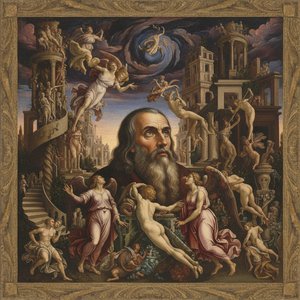
Mannerism Unveiled: The Dramatic Evolution of Renaissance Art and the Visionary Legacy of El Greco
Explore the dramatic transition from High Renaissance harmony to Mannerist tension. Discover how masters like El Greco redefined art through distortion and spiritual intensity. An expert guide for art enthusiasts seeking deep historical context and museum-quality inspiration.

El Greco: Spirituality, Style & Innovation – A Renaissance Master's Legacy
Explore the captivating world of El Greco! Discover his unique style, spiritual intensity, and lasting impact on art history. Learn about this Renaissance master's life, iconic paintings & legacy.

El Grecos 25 Mesterverk: Kunst, Historie og Inspirasjon for Ditt Hjem
Utforsk El Grecos 25 mest ikoniske malerier! Oppdag historien bak spansk renessanses mesterverk, fra 'Gravleggelsen av grev Orgaz' til dramatiske portretter. Finn kunsttrykk og reproduksjoner for ditt hjem på TopImpressionists.com.
Utforsk kunstverk organisert etter temaer, stiler og kjennetegn.


