


 Forhåndsvisning
 Send
Send Del
Del
 Vis detaljer
 Utskriftsvennlig guide

 Last ned bilde
 Liknende objekter
 Røntgenundersøkelse
 Lysbildefremvisning
 Q&A
Q&A Statistikk
Nevermore
 Oil
Oil- WallArt
- Post-Impressionism
 1897
1897- 19th Century
 60.0 x 116.0 cm
An intimate Post-Impressionist scene of quiet companionship by Paul Gauguin captures a cozy, sunlit moment in this 1897 masterpiece, inviting you to bring the soulful essence of his legendary style into your home.
 Vis hele teksten
Paul Gauguin: En revolusjonerende post-impressionist maler kjent for dristige farger, eksotiske motiver og symbolske temaer. Utforsk hans reise fra finans til kunstlegendar!
Giclée / Kunsttrykk
Giclée- eller lerretsprint av museumskvalitet med rask produksjon og fleksible valgmuligheter for etterbehandling. ( Kjøp håndmalt maleri Bytt til digitalt bilde)




P118B Nkr10

P118H Nkr10

P118W Nkr10

P438Z Nkr10

P508JH Nkr12

P508YH Nkr12

P805H Nkr10

P805Z Nkr10

P919BZ Nkr10

P919G Nkr10

P919XJ Nkr10

P959ZH Nkr10

P968JZ Nkr12

W106C Nkr8

W218G Nkr10

W218JH Nkr8

W218Y Nkr10

W307PJ Nkr10

W316G Nkr10

W316PJ Nkr8

W316Y Nkr10

W398PJ Nkr8

W4111J Nkr10

W500HY Nkr15

W500JH Nkr15

W692G Nkr12

W849H Nkr8

W940BG Nkr15

W953PJ Nkr8




Standardformat
skreddersydd
CM
INCH
Velg mellom våre forhåndsdefinerte størrelser som bevarer kunstverkets opprinnelige proporsjoner.
Loading sizes...

bredde
høyde
Skriv inn ønsket bredde og høyde for å tilpasse trykket til din ramme eller vegg. Et trykk kan kun beskjæres, aldri skaleres opp utover motivets opprinnelige størrelse, noe som betyr at et format med andre proporsjoner vil føre til tap av deler av bildet. Vi sender deg en digital mockup for godkjenning før vi starter trykkeprosessen. Bildet som vises på denne siden viser ikke den faktiske beskjæringen — det er kun mockuppen som viser dette.
Verdensomspennende levering () på 2 uker i stedet for standard 4/5 uker. (30 October)

Gratis ekspressfrakt over hele verden

Lerretsduk av lin av høy kvalitet

Full transportforsikring

Garanti for refusjon av toll og importavgifter

Garantert fargegjengivelse

100 dagers returrett ved fabrikasjonsfeil

100% pengene tilbake-garanti

Rabatt ved flere kjøp
 Glassalternativet er kun tilgjengelig i størrelser under 110 cm

Nevermore
Giclée / Kunsttrykk
Størrelse på reproduksjon
-


Totalpris for valgte alternativer
Nkr 664
An Intimate Encounter in Color
In the quiet, sun-drenched corners of 1897, Eugène Henri Paul Gauguin captured a moment of profound stillness and domestic intimacy with his evocative work, Nevermore. The painting invites the viewer into a private sanctuary, where the boundaries between the physical world and the psychological realm begin to blur. At its heart, the composition depicts a woman reclining in a state of vulnerable repose upon a bed, her form bathed in the soft, natural light filtering through a nearby window. Beside her, the presence of another figure adds a layer of quiet companionship, creating an atmosphere that is simultaneously cozy and deeply contemplative. This is not merely a scene of rest; it is a carefully orchestrated tableau of human connection, where every element—from the scattered books to the delicate placement of a vase—contributes to a narrative of shared solitude.
The technique employed in Nevermore showcases Gauguin’s mastery of the Post-Impressionist style, moving away from the fleeting light of his predecessors toward something more permanent and symbolic. His use of color is both bold and emotive, utilizing flat planes of pigment to define shapes and create a sense of rhythmic harmony. The interplay of light and shadow does not just illuminate the room; it sculpts the emotional weight of the scene, casting a gentle glow over the subjects that suggests a fleeting moment of peace in an ever-changing world. For the collector or interior designer, this piece offers a sophisticated balance of warmth and complexity, making it a centerpiece capable of anchoring a room with its rich, saturated tones and profound sense of presence.
Symbolism and the Post-Impressionist Spirit
Beyond the immediate visual charm lies a deeper, more enigmatic layer of meaning characteristic of Gauguin’s late career. The title itself, Nevermore, evokes a sense of melancholy and the inexorable passage of time, perhaps alluding to the ephemeral nature of the intimacy captured on canvas. The inclusion of birds perched near the bed and the scattered books suggests a world where nature and intellect coexist within the domestic sphere, yet there is an underlying tension—a reminder that such moments of tranquility are precious and transient. Gauguin’s ability to weave these symbolic threads into a cohesive visual experience allows the painting to function as both a beautiful decorative object and a profound meditation on existence.
For those seeking to adorn a space with art that inspires conversation and reflection, Nevermore serves as an exquisite choice. Its large-scale dimensions of 60 x 116 cm allow the sweeping narrative of the composition to unfold across a wall, commanding attention through its unique blend of exoticism and domesticity. Whether placed in a contemporary gallery setting or a classic study, this reproduction brings with it the rebellious spirit and the soulful depth of one of history's most influential masters, offering a timeless window into the heart of Post-Impressionist emotion.
Spørsmål og svar
Kan jeg bruke utvidet virkelighet (AR) for å se "Nevermore" av Paul Gauguin i mitt eget rom?
"Nevermore" har en forhåndsvisning med utvidet virkelighet: Se i AR-siden til kunstverket viser det i ditt eget rom på en kompatibel enhet.
Hvordan forenes kunstretning og epoke i "Nevermore" av Paul Gauguin?
"Nevermore" tilhører Post-Impressionism-retningen, og kunstneren virket i tallet-epoken.
Hvor plasserer "Nevermore" seg i Paul Gauguin sitt samlede kunstnerskap?
"Nevermore" deler med Paul Gauguins andre verk sin Post-Impressionism-stil og de gjentakende temaene: post-impressionist style, symbolist themes, exoticism and tahitian life, primitivism influences, transition to modern art.
Lignende kunstverk


Om kunstneren
A Life Painted in Bold Strokes: The World of Paul Gauguin
Eugène Henri Paul Gauguin, et navn som runger med livfull farge og opprørsk ånd, står som en sentral figur i overgangen fra impresjonismen til moderne kunst. Han ble født i Paris i 1848, og livet hans var langt ifra konvensjonell. Hans tidlige år ble formet av et uvanlig barndomsliv; faren hans var journalist, og moren hans nedstammet fra peruansk aristokrati – bestemorenen hennes, Flora Tristan, en banebrytende feminist og sosialistisk forfatter hvis idealer utvilsomt gjenspeilet seg i familien. Dette arvet ville dypt påvirke Gauguins kunstneriske visjon, og gi ham en fascinasjon for kulturer utenfor Europa. En dannelsestid brukt i Peru som barn, etterfulgt av familiens flytting i 1850, fordypet ham i en verden svært forskjellig fra parisisk samfunn, en opplevelse som hang igjen og til syvende og sist drev ham med å søke autentisitet i kunsten. Etter hjemkomst til Frankrike etter farens død, mottok Gauguin formell utdanning, men fant seg tiltrukket av verdenen til finansverdenen, og begynte en karriere som aksjehandler – en vei som virket i strid med den kunstneriske skjebnen som ventet ham.Fra Finans til Kunstnerisk Kall
I mange år ledet Gauguin et dobbeltliv, ivrig etter å forfølge sine forretningsinteresser samtidig som han hemmelig pleide en lidenskap for maling. I utgangspunktet ble han påvirket av impresjonistene og begynte å eksperimentere med farge og lys i sin fritid, men følte snart at de var begrenset av deres dedikasjon til å fange flyktige øyeblikk av virkeligheten. Den økonomiske krisen i 1882 viste seg som et vendepunkt, og tvang ham til å forlate sin lønningsomme karriere og helhjertet omfavne sin kunstneriske kall. Dette var ikke bare en endring i yrke; det var en fundamental endring i verdenssyn. Han søkte veiledning fra Camille Pissarro, som oppmuntret ham og introduserte ham for de avantgarde-kretsene i Paris. Likevel begynte Gauguin raskt å avvike fra impresjonistiske prinsipper, lengtet etter noe mer uttrykksfullt, noe mer symbolsk – et middel til å formidle ikke bare det han *så*, men det han *følte*. Dette ønsket førte ham på en reise for kunstnerisk utforskning som ville ta ham langt utenfor parisiske salonger og inn i hjertet av «primitiv» kultur. Han var ikke bare interessert i å forestille seg disse kulturene; han søkte å absorbere deres essens, og mente at de holdt en renhet som var tapt i vestlig sivilisasjon.Kall til Bretagne og Tahiti
Gauguins kunstneriske utvikling var uatskillelig knyttet til hans reiser. Han brukte tid i Bretagne, fascinert av landskapenes robuste uttrykk og de dype røttene til tradisjonene i dets folk. Denne perioden så han eksperimentere med flate former, kraftige konturer og forenkling av komposisjonen – teknikker som drev ham lenger fra naturalismen og nærmere en mer symbolsk språk. Men hans reise til Tahiti i 1891 løsnet virkelig hans kreative potensial. Søkende et fristed fra det han oppfattet som de kvalmende begrensningene i europeisk sivilisasjon, håpet Gauguin å finne inspirasjon i polynesisk kultur, og mente at den tilbød en renere, mer autentisk livsform. Dette var ikke bare en kunstnerisk søken; det var en åndelig søken. Han fordypet seg i lokale skikker og tro, og forestilte polynesiske kvinner, landskap og religiøse praksiser gjennom sitt unike perspektiv. Påvirket av japanske trykk – *Japonisme* – og middelalderkunst, utviklet han en distinkt estetikk preget av livlige farger, eksotisk motivmateriale og et preg av mystikk. Ikoniske malerier som «Vahine no te miti» (Kvinne med mango), «Manao Tupapau» (Overvåket av den døde ånd) og «Dagen til gudene» oppsto i denne perioden, og solidifiserte hans rykte som en visjonær kunstner. Hans bruk av farger ble stadig mer dristig og ikke-naturlig, tjente ikke til å reprodusere virkeligheten, men for å uttrykke følelser og åndelig mening.Arv og Kontrovers
Til tross for sine kunstneriske gjennombrudd var Gauguins liv ofte preget av vanskeligheter. Han kjempet med økonomiske problemer og svekkende helse under oppholdet i Tahiti og senere på Marquesasøyene, hvor han til slutt etablerte seg. Likevel fortsatte han å male produktivt, utrettelig utforsket temaer om liv, død og åndelighet. Han døde i 1903 på Hiva Oa, en avsidesliggende øy i Marquesasarkipelaget, stort sett ukjent for sin genialitet. Det var først etter hans død at Gauguins verk begynte å motta den anerkjennelsen det fortjente. I dag feires han som en sentral figur i utviklingen av moderne kunst, og forbinder gapet mellom impresjonismen og symbolismen, og baner vei for bevegelser som fauvisme. Hans bruk av farger, forenklede former og symbolske bilder har hatt en dyp innflytelse på kunstnere som Pablo Picasso, Henri Matisse og utallige andre. Likevel er Gauguin fortsatt en kontroversiell figur på grunn av aspekter ved hans personlige liv – spesielt hans forhold til unge polynesiske kvinner – som fortsetter å bli debattert og tolket i lys av samtidige etiske hensyn. Likevel er hans kunstneriske bidrag ubestridelige, og hans arv inspirerer fortsatt kunstnere og kunstelskere over hele verden. Han var en ekte innovatør, en opprører som torde utfordre konvensjoner og forme sin egen vei, og etterlot seg et verk som er like fengslende og gåtfullt som mannen selv.Nøkkelpåvirkninger & Kunstneriske Karakteristikker
- Impresjonisme: Tidlig påvirkning av farge og lys, senere forkastet for sin fokus på flyktige øyeblikk.
- Japonisme: Inspirert til flate perspektiver, kraftige konturer og dekorative mønstre.
- Middelalderkunst: Påvirket symbolske bilder og en avvisning av streng realisme.
- Syntetisme: En stil utviklet av Gauguin som legger vekt på å skape kunst basert på subjektiv opplevelse snarere enn objektiv observasjon.
- Primitivism: Fascinasjon med ikke-vestlige kulturer, og mente at de tilbød en renere og mer åndelig livsform. Dette gjenspeiles i motivmaterialet hans og stilvalgene.

Paul Gauguin
1848 - 1903 , Frankrike
Kort om kunstneren
- Artistic Movement Or Style: Post-Impressionisme
- Artists Or Movements Influenced By This Artist:
- Picasso
- Matisse
- Artists Who Influenced This Artist: ['Camille Pissarro']
- Date Of Birth: 1848
- Date Of Death: 1903
- Full Name: Eugène Henri Paul Gauguin
- Nationality: Fransk
- Notable Artworks:
- Når vil du gifte deg?
- To kvinner på stranden
- Place Of Birth: Paris, Frankrike
Relaterte artikler

Beyond the Light: Discovering the Soul and Emotional Depth of Post-Impressionism
Embark on a cultural journey through Post-Impressionism. Discover the profound emotional depth of masters like Van Gogh and Cézanne, exploring how they moved beyond light to capture the very soul of human experience through vibrant color and symbolic form.
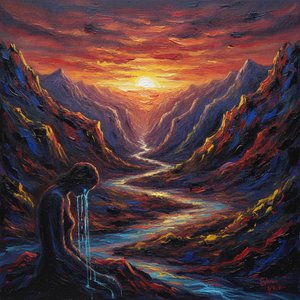
Capturing Emotion: A Journey Through the Soul of Expressionist Landscapes
Explore the profound emotional depth of Expressionist landscapes. Discover how Post-Impressionist masters moved beyond light to capture the soul through vibrant color and form. A curated journey for true art lovers seeking the beauty of expressive mastery.
Utforsk kunstverk organisert etter temaer, stiler og kjennetegn.


