


 Se i rommet
 Del som digitalt kort
 Del
Del
 Detaljer
 Studentguide

 Last ned
 Liknende objekter
 Røntgen
 Lysbildefremvisning
 Besøksstatistikk
Notre Dame

 Les mer
Giclée / Kunsttrykk
Giclée- eller lerretsprint av museumskvalitet med rask produksjon og fleksible valgmuligheter for etterbehandling. ( Bestill håndmalt reproduksjon Gå til digitalt bilde)




P118B Nkr10

P118H Nkr10

P118W Nkr10

P438Z Nkr10

P508JH Nkr12

P508YH Nkr12

P805H Nkr10

P805Z Nkr10

P919BZ Nkr10

P919G Nkr10

P919XJ Nkr10

P959ZH Nkr10

P968JZ Nkr12

W106C Nkr8

W218G Nkr10

W218JH Nkr8

W218Y Nkr10

W307PJ Nkr10

W316G Nkr10

W316PJ Nkr8

W316Y Nkr10

W398PJ Nkr8

W4111J Nkr10

W500HY Nkr15

W500JH Nkr15

W692G Nkr12

W849H Nkr8

W940BG Nkr15

W953PJ Nkr8




Standardformat
tilpasset
CM
INCH
Velg mellom våre forhåndsdefinerte størrelser som bevarer kunstverkets opprinnelige proporsjoner.
Loading sizes...

bredde
høyde
Skriv inn bredden og høyden du trenger, slik at den passer til din ramme eller vegg. Et trykk kan kun beskjæres, aldri gjøres større enn bildet, så et format med en annen form vil miste en del av motivet. Vi sender deg en digital mockup for godkjenning før vi trykker noe som helst. Bildet som vises på denne siden viser ikke den faktiske beskjæringen — det er kun mockuppen som gjør det.
Verdensomspennende levering () på 2 uker i stedet for standard 4/5 uker. (22 October)

Gratis ekspressfrakt over hele verden

Lerretsduk av høykvalitets lin

Full transportforsikring

Garanti for refusjon av toll og importavgifter

Garantert fargeekthet

100 dagers returrett ved fabrikasjonsfeil

100% pengene tilbake-garanti

Mengderabatt
 Glassalternativet er kun tilgjengelig i størrelser under 110 cm

Notre Dame
Giclée / Kunsttrykk
Format på reproduksjon
-


Totalpris
Nkr 651
A Symphony of Color Against Parisian Stone
Henri Matisse’s “Notre Dame,” painted in 1914, isn't merely a depiction of Paris; it’s an embodiment of the artist’s revolutionary approach to painting—a bold assertion of Fauvist principles that continues to resonate with audiences today. Captured on paper mounted on canvas and housed within the Albright-Knox Art Gallery collection, this artwork stands as a testament to Matisse’s unwavering belief in color as the primary vehicle for artistic expression.
The Bold Strokes of Fauvism
Matisse's stylistic choices immediately distinguish “Notre Dame” from academic traditions. Abandoning naturalistic representation, he embraced vibrant hues—dominantly blues and yellows—that prioritized emotional impact over accurate depiction. This technique aligns perfectly with the tenets of Fauvist art, a movement spearheaded by Matisse himself and Picasso, which sought to liberate color from its subservient role in portraying reality.
A Vision of Parisian Life
The painting portrays a bustling Parisian street scene centered around Notre Dame Cathedral. The cathedral’s imposing silhouette anchors the composition, rendered with meticulous detail despite Matisse's stylistic liberties. Scattered figures populate the foreground, conveying a sense of everyday life amidst the grandeur of the cityscape. Notably, a horse adds dynamism to the tableau, capturing movement and contributing to the overall atmosphere.
Symbolism Within Color
Matisse’s masterful use of color isn't accidental; it serves as a conduit for conveying emotion and spiritual contemplation. The dominant blues evoke feelings of serenity and solemnity, reflecting the cathedral’s religious significance. Simultaneously, splashes of yellow inject warmth and optimism, symbolizing hope and vitality—a deliberate contrast that underscores Matisse’s artistic intention.
Influence Beyond Canvas
“Notre Dame” exemplifies Matisse's enduring legacy as a pioneer of modern art. His groundbreaking exploration of color paved the way for subsequent generations of artists, inspiring them to prioritize expressive qualities over photographic realism. Reproductions of this iconic artwork offer collectors and interior designers alike an opportunity to experience the transformative power of Fauvist aesthetics—a celebration of pure color and form that continues to captivate viewers worldwide.
Spørsmål og svar
Hvilken metning og intensitet har "Notre Dame" av Henri Matisse?
Fargene i "Notre Dame" av Henri Matisse viser en Balanced Soft metning med en Balanced intensitet.
Hvor kan jeg finne statistikk om "Notre Dame" av Henri Matisse?
En Statistikk-side eksisterer for "Notre Dame". Den viser månedlige besøkstall for kunstverket og kunstnerens andre verk, med oppdeling etter land og språk.
Hva er "Notre Dame" laget med?
"Notre Dame" er utført i Acrylic On Canvas.
Relaterte kunstverk


Kunstnerbiografi
En Pioner i Fargens Tjeneste: Henri Matisse og Modernismens Ånd
Henri Émile Benoît Matisse, født 31. desember 1869 i den lille nordfranske byen Le Cateau-Cambrésis, var ikke forutbestemt til et liv dypt forankret i pigment og form. Etter avsluttet skolegang begynte han å studere jus i Paris, men hans vei tok en dramatisk vending etter et blindtarmbetennelses anfall i 1889. Sengeliggende oppdaget han en skjult lidenskap tent av den enkle handlingen å male med et sett kunstmateriell moren hadde gitt ham. Dette var ikke bare en tidsfordriv; det var en åpenbaring – et vendepunkt som ledet ham bort fra juridiske dokumenter og inn i en verden der farge skulle bli hans språk og lerretet hans domene. Oppvokst i Bohain-en-Vermandois, som sønn av kornhandlere, virket Matisse i utgangspunktet lite tilbøyelig til å omfavne bohemens livsstil, men frøet var sådd, pleiet av rekonvalesens og blomstret til en livslang dedikasjon. Han meldte seg inn ved Académie Julian, senere ved École Nationale des Beaux-Arts, hvor han studerte under William-Adolphe Bouguereau og Gustave Moreau, absorberte klassiske teknikker som skulle danne grunnlaget for hans fremtidige nyskapninger. Tidlige arbeider gjenspeilet denne akademiske bakgrunnen, demonstrerte dyktighet, men manglet den særegne stemmen som snart skulle definere ham.Gjennombruddet med Fauvismen og Fargenes Revolusjon
Et avgjørende øyeblikk kom i 1896 under et besøk til Belle-Île med australske maleren John Russell. Dette møtet viste seg å være transformativt. Russell introduserte Matisse for Impressionismens livlige verden, og viktigst av alt, for Vincent van Goghs emosjonelt ladede lerret. Virkningen var dypgripende. Van Goghs ekspressive bruk av farge knuste Matisses tidligere tilbakeholdne palett, og presset ham mot en mer subjektiv tilnærming. Han begynte å bevege seg bort fra jordfarger, omfavnet nyanser som resonerte med følelser snarere enn streng representasjon. Denne utforskningen kulminerte i fremveksten av Fauvismen rundt 1905 – en bevegelse der Matisse ble en ledende skikkelse. Navnet selv, som betyr «ville dyr», var opprinnelig nedsettende, gitt av en kritiker til gruppens sjokkerende livlige og ikke-naturalistiske malerier utstilt på Salon d'Automne. Matisse, sammen med kunstnere som André Derain og Maurice de Vlaminck, fremmet intens farge som et selvstendig ekspressive element, forenklet former for å forsterke dens virkning. Maleriet The Gourds (1905) er et eksempel på denne stilen – en eksplosjon av rødt, grønt og gult brukt med en frihet som ignorerte tradisjonelt perspektiv og mimetisk nøyaktighet. Nøkkelkjennetegn inkluderte intenst mettede farger, forenklede former, uttrykksfulle penselstrøk og en bevisst avvisning av konvensjonell representasjon til fordel for emosjonell resonans.Modningen og Dekorative Harmoni
Etter den første entusiasmen rundt Fauvismen gjennomgikk Matisses stil en subtil, men betydelig utvikling. Selv om han aldri forlot sin kjærlighet til farge, ble hans arbeid mer raffinert, med helling mot en dekorativ estetikk som fremhevet flatere former og intrikate mønstre. Han utforsket temaer som fritid, hjemmeliv og menneskeskikkelsen i rolige omgivelser, skapte komposisjoner som føltes både harmoniske og emosjonelt resonante. En flytting til Nice på den franske rivieraen i 1917 påvirket denne endringen ytterligere, preget hans arbeid med en følelse av ro og klassisk balanse. Han begynte å fokusere på å skape miljøer – malerier, skulpturer og dekorative objekter – som omsluttet betrakteren i en atmosfære av skjønnhet og ro. Denne perioden så ham eksperimentere med forskjellige media, inkludert keramikk og tekstiler, utvidet hans kunstneriske visjon utover det tradisjonelle lerretet. Han malte ikke bare scener; han konstruerte verdener designet for å fremkalle en bestemt emosjonell respons.Senere År: Innovasjon Gjennom Begrensning
Etter hvert som svekkende helse begrenset Matisses evne til å male på konvensjonell måte, begav han seg ut på et ekstraordinært nytt kapittel i sin kunstneriske reise – skapelsen av papirklippskollasjer, eller *découpage*. Fra rundt 1947 ble disse verkene født ut av nødvendighet. Sengeliggende kunne han ikke stå og male fysisk, men han kunne fortsatt manipulere papir med saks. Det som begynte som en praktisk løsning utviklet seg til en banebrytende kunstnerisk teknikk. Han ville male store ark med papir i livlige farger, deretter klippe dem ut i former – organiske former, blader, figurer – og arrangere dem på lerretet, skape komposisjoner som var både dynamiske og bedragerisk enkle. Disse *découpage*-verkene var ikke bare erstatninger for maleri; de representerte en ny måte å tenke om farge, form og komposisjon. De fortsatte hans livslange utforskning av disse elementene, viste en vedvarende kunstnerisk visjon selv i møte med fysiske begrensninger.- Papirklippsteknikken tillot ham å oppnå en renhet i form og farge som var vanskelig å oppnå med maling.
- Disse verkene refererte ofte til tidligere temaer og motiver fra hans malerier, men presentert dem på en frisk og nyskapende måte.
- De demonstrerte hans evne til å tilpasse seg og utvikle seg som kunstner gjennom hele karrieren.
En Varig Arv: Matisses Innvirkning På Moderne Kunst
Henri Matisse døde i Nice i 1954, etterlot seg et omfattende arbeid som fortsetter å inspirere og fascinere publikum over hele verden. Hans innvirkning på kunstverdenen er ubestridelig; han utfordret konvensjonelle forestillinger om representasjon, fremmet den ekspressive kraften i farge og banet vei for fremtidige generasjoner av kunstnere. Ofte ansett sammen med Pablo Picasso som en av de mest innflytelsesrike figurene i det 20. århundres kunst, formet Matisse modernismen fundamentalt. Hans arv strekker seg utover selve kunstverkene hans – den omfatter en filosofi som feirer glede, skjønnhet og fargens transformative potensial. Han malte ikke bare det han så; han skapte en emosjonell opplevelse for betrakteren, inviterte dem til å dele hans visjon om en verden badet i lys og livlige nyanser. Matisses innflytelse kan sees i utallige verk av kunstnere på tvers av ulike disipliner, som befester hans plass som en sann mester i moderne kunst – en maler som våget å se verden ikke slik den er, men slik den kunne være, fylt med farge, harmoni og grenseløs mulighet.
Henri Matisse
1869 - 1954 , Frankrike
Kort om kunstneren
- Artistic Movement Or Style: Fauvisme
- Artists Or Movements Influenced By This Artist:
- Modernisme
- Ekspresjonisme
- Artists Who Influenced This Artist:
- Van Gogh
- Chardin
- Russell
- Date Of Birth: 31. desember 1869
- Date Of Death: 1954
- Full Name: Henri Émile Benoît Matisse
- Nationality: Fransk
- Notable Artworks:
- The Gourds
- Laurette in a White Turban
- Place Of Birth (City And Country): Le Cateau-Cambrésis, Frankrike
Relaterte artikler
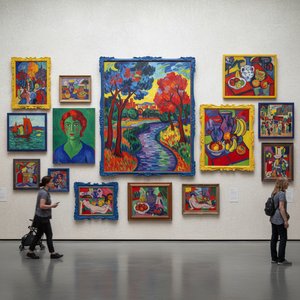
Fauvismens 10 Mesterverk: Kunst som Revolusjonerte Farger – TopImpressionists.no
Opplev fauvismens revolusjonerende farger! Utforsk 10 mesterverk av Matisse, Derain og andre. Lær om historien bak disse ikoniske maleriene og finn din perfekte kunst til hjemmet på TopImpressionists.com – museumskvalitet reproduksjoner & inspirasjon.

Fauvismens 10 Mesterverk: Kunst som Definerte en Epoke | TopImpressionists.no
Oppdag fauvismens 10 mest ikoniske malerier! Lær historien bak Matisse, Derain og andre ekspresjonistiske mestere. Finn kunsttrykk av høy kvalitet & inspirasjon til ditt hjem på TopImpressionists.com.

Fauvism Unveiled: The Wild Revolution of Color and Emotion in Modern Art
Explore the vibrant revolution of Fauvism. Discover how masters like Henri Matisse liberated color from reality to express pure emotion. An expert guide into the 'Wild Beasts' of modern art history for collectors and enthusiasts.
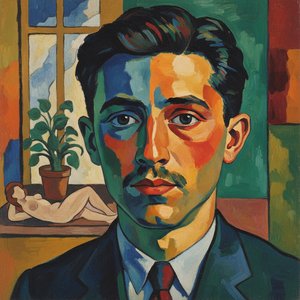
Henri Matisse: A Revolutionary Use of Color and Form in Modern Art
Explore the revolutionary art of Henri Matisse! Discover his bold use of color, Fauvist origins, and lasting impact on modern painting. A comprehensive guide for art enthusiasts.

Henri Matisse' Mesterverk: Topp 25 Kunstverk for Din Vegg – TopImpressionists.no
Utforsk 25 ikoniske malerier av Henri Matisse! Oppdag historien bak fauvismens fargerike mesterverk, fra 'The Dance' til 'Red Studio'. Finn kunsttrykk og reproduksjoner i museumskvalitet for din interiørdesign på TopImpressionists.com.
Utforsk kunstverk organisert etter temaer, stiler og kjennetegn.


