

Vist: · Med ramme:
 Forhåndsvisning
 Send
Send Del
Del
 Vis detaljer
 Utskriftsvennlig guide

 Last ned bilde
 Liknende objekter
 Røntgenundersøkelse
 Lysbildefremvisning
 Spørsmål og svar
 Statistikk

Nkr 2574
Håndlaget oljereproduksjon
Håndmalt olje på lerret i din valgte størrelse og ramme, laget på bestilling av våre kunstnere. ( Bytt til trykk Bytt til digitalt bilde)
Størrelse
·Standardformat
skreddersydd
CM
INCH
Velg mellom våre forhåndsdefinerte størrelser som bevarer kunstverkets opprinnelige proporsjoner.
Laster inn størrelser...

bredde
høyde
Skriv inn ønsket bredde og høyde for å tilpasse bildet til din ramme eller vegg. Siden dette er håndmalt, kan kunstneren male litt mer rundt motivet eller beskjære det noe dersom du velger et annet format — valget er ditt. Vi sender deg en digital mockup til godkjenning før maleriet påbegynnes. Bildet som vises på denne siden representerer ikke det faktiske resultatet — kun mockuppen viser det endelige uttrykket.
 Les mer om dette
Fullfør
·
Hvit kant Nkr1

Uskarp kantfinish Nkr1

Fortsatt motiv Nkr1

P118B Nkr10

P118H Nkr10

P118W Nkr10

P438Z Nkr10

P508JH Nkr12

P508YH Nkr12

P805H Nkr10

P805Z Nkr10

P919BZ Nkr10

P919G Nkr10

P919XJ Nkr10

P959ZH Nkr10

P968JZ Nkr12

W106C Nkr8

W218G Nkr10

W218JH Nkr8

W218Y Nkr10

W307PJ Nkr10

W316G Nkr10

W316PJ Nkr8

W316Y Nkr10

W398PJ Nkr8

W4111J Nkr10

W500HY Nkr15

W500JH Nkr15

W692G Nkr12

W849H Nkr8

W940BG Nkr15

W953PJ Nkr8

H24-GOLD Nkr30

H24-SILVER Nkr30

H36-GOLD Nkr45

H36-SILVER Nkr45
Sendes i et beskyttende rør, klar til å rammes inn av din egen innrammer.
Over 105 cm sendes rammen som et sett til en profesjonell rammemaker — les detaljene.
Tilleggstjenester
valgfrittHva inkluderer ekstratjenestene?
Eksempler på hva som kan endres: Erstatt ansikt med kundens eget bilde; Legg til kjæledyr (f.eks. bytt ut katt med hund); Inkluder en skjult melding i bakgrunnen; Endre landskap eller elementer i bakgrunnen.
Etter bestilling vil TopImpressionists.com-teamet sende e-post til kunden for instruksjoner og sende et utkast som forhåndsvisning
Etter bestilling vil TopImpressionists.com-teamet sende e-post til kunden for instruksjoner og sende et utkast som forhåndsvisning
Verdensomspennende levering () på 3–4 uker i stedet for standard 5 uker. (6 November). Ingen kompromisser med kvaliteten.
Beskyttende ferniss
Navneskilt
Detaljer om gravert bronseplate
This elegant plaque features the artist's name and the title of the artwork, finely engraved for a timeless presentation.
It is made from bronze with a refined, elegant finish. The text is precisely laser-engraved for a sharp and permanent result. Measuring 9x2 cm, the plaque is compact yet easy to read. It's built to be durable and scratch-resistant, offering a professional, museum-quality look. Mounting is simple thanks to the included adhesive backing.
Detaljer om gjennomsiktig akrylplate
The plaque includes essential engraved details such as the artist's name, the title of the artwork, the date it was created, the type of media used-like oil on canvas or watercolor-a brief description of the piece, and a QR code that links to the complete artwork information.
It is crafted from clear acrylic, offering a sleek, modern appearance. The text is UV-engraved in black to ensure strong visual contrast. With a size of 10x15 cm, it ensures optimal readability. It comes equipped with two metal hooks for secure wall mounting. The plaque is designed to be weather-resistant, making it suitable for various environments, and it includes interactive features that work seamlessly with smartphone scanning.
Detaljer om plakett i svart akryl
This elegant plaque includes engraved information such as the artist's name, the title of the artwork, the date it was created, the type of media used (like oil on canvas or watercolor), a short description of the artwork, and a QR code for quick access to more information.
The plaque itself is made from refined black acrylic with a premium finish. The text is laser-engraved in white for high contrast and readability. Its size is 10x15 cm, designed to be easy to read. It comes with two metal hooks for professional mounting. The design is sleek and fits any interior style. It is also weather-resistant and durable, with built-in digital integration for mobile compatibility.
Glassalternativet er kun tilgjengelig i størrelser under 110 cm
 Glassalternativet er kun tilgjengelig i størrelser under 110 cm
- Gratis ekspressfrakt over hele verden
- Lerretsduk av lin av høy kvalitet
- Full transportforsikring
- Garanti for refusjon av toll og importavgifter
- Garantert fargegjengivelse
- 100 dagers returrett ved fabrikasjonsfeil
- 100% pengene tilbake-garanti
- Rabatt ved flere kjøp


Beskrivelse av objektet
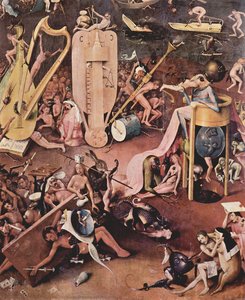
Utforsk Hieronymus Bosch’s uhyggelige fremstilling av Jesu korsfestelse, og undersøk dens renessanse stil, symbolske dybde og varige innflytelse på kunsthistorien. Oppdag dens kontekst i det bredere kunstneriske landskapet.
Om kunstneren
Hieronymus Bosch (1450-1516): En mystisk nederlandsk maler kjent for surrealistiske, symbolfylte og ofte skremmende bilder av synd, helvete og menneskelige svakheter. En varig kunstner.
Om maleriet
A Window Into Faith and Fear: Exploring Hieronymus Bosch’s “Christ Carrying The Cross”
Malereniet "Christ Carrying The Cross" av Hieronymus Bosch er et forstyrrende mesterverk som fortsatt fanger seere århundrer etter at den ble skapt, med en blanding av metettleger detalj og dyp psykologisk innsikt. Mer enn bare en fremstilling av korsfestelsen – en hjørnestein i kristen tro – er det en visuell utforskning av menneskelig sårbarhet konfrontert med guddommelig dom, gjengitt i en stil som forutser surrealismen og etablerer Bosch som en av de mest distinkte stemmene i den tidlige flamlanske renessansen.Komposisjon og Teknikk: En Symfoni av Detaljer
Boschs mesterskap er umiddelbart åpenbar ved observasjon. Maleriets utførelse på et eget panel med oljefarger – en relativt ny medium på den tiden – viser et bemerkelsesverdig nivå av realisme kombinert med fantastiske elementer. Kunstneren bruker chiaroscuro, dyktig manipulerer lys og skygge for å forme figurer og skape en dramatisk atmosfære. Legg merke til hvordan Bosch nøye gjengir teksturer – fra det ru barket på treet som bærer Jesu kors til svetten som glimter på Jesu panne – og formidler en håndgripelig fysisk tilstedeværelse. Videre er maleriets perspektiv subtilt forvrengt, trekker betrakteren inn i scenen og forsterker dens emosjonelle effekt. Kunstnerens bruk av farger er begrenset, men målrettet, foretrekker jordfarger som er aksentrert med strålene av livlige røde og blåtoner som øker følelsen av hastverk og sorg.Historisk Kontekst: Renessansemoral og Religiøs Bekymring
Malt verket ble skapt rundt 1490-1500 i ’s-Hertogenbosch under en periode preget av intens religiøs feber – kanten på Martin Luthers reformasjon – gjenspeiler Bosch’s maleri bekymringene som var utbredt i europeisk samfunn på den tiden. Den katolske kirken hadde enorm innflytelse, formet kunstnerisk uttrykk og moralske sanser. Boschs visjon var ikke bare opptatt av å fremstille bibelske hendelser; han ønsket å kommunisere en dypere teologisk melding om synd, frelse og konsekvensene av jordiske ønsker. Fremstillingen av folkemengden som omgir Kristus – en blanding av pilegrimsfolk og groteske figurer – representerer menneskehetens ambivalente respons på guddommelig nåde. Det taler til den utbredte frykten for død og dom som kjennetegnet epoken, og gjenspeiler bekymringer som ble uttrykt i andre kunstneriske bestrebelser fra samme periode.Symbolikk: Lag med Betydning Utover Overflaten
“Christ Carrying The Cross” er full av symbolsk bilde designet for å fremkalle refleksjon. Korset selv representerer offer og soning – den sentrale doktrinen i kristendommen – men Bosch løfter det over bare religiøst ikonografi. Vurder figurene som omgir Jesus: De inneholder ulike aspekter av menneskelig natur – pietetsfullhet, fortvilelse, brutalitet, dumskap – hver bidrar til en kompleks vevd sammen av moralsk dom. Treet som bærer Jesu kors symboliserer liv og død sammenvevd, gjenspeiler den bibelske fortellingen om Genesis og varsler Jesu oppstigning. Selv ansiktsuttrykkene til betrakterne formidler dyp psykologisk dybde, antyder indre uro og konfrontere ens egen dødelighet. Boschs bruk av groteske bilder – spesielt de demoniske figurene – tjener som en påminnelse om at ondskap lurer under overflaten av pietetsfullhet og rettferdighet.Arv i Dagens Tid: En Varig Innflytelse på Kunsthistorien
I dag fortsetter “Christ Carrying The Cross” å fascinere kunsthistorikere og samlere. Dens forstyrrende skjønnhet – et vitnesbyrd om Boschs uovertrufne kunstneriske visjon – har inspirert utallige kunstnere gjennom historien, inkludert surrealister som Salvador Dalí og René Magritte. Maleriet befinner seg på The Graphische Sammlung Albertina Museum i Østerrike, en av de mest betydningsfulle trykkstuerne i verden, noe som sikrer at dets bilde forblir tilgjengelig for et globalt publikum. Reproduksjoner gir muligheten til å oppleve Boschs geni først og fremst, bringer denne ekstraordinære kunsten inn i hjemmene og inspirerer pågående dialog om kunstens evne til å belyse den menneskelige tilstand. søkeord: Renessanse Maleri, Hieronymus Bosch, Nederlandsk Kunst, Religiøs Symbolikk, Middelalder Bildebruk, Ghent Altarpiece, Olje på Panel, Surrealistisk Kunst, Kristelig Ikonografi, Bosch Stil, Sen Middelalder Kunst, Psykologisk Maling, Marerittbilder, Symbolsk Dybde, Europeisk KunsthistorieSpørsmål og svar
Hvilken palett og hvilken dominerende farge definerer "Kristus som bærer korset"?
"Kristus som bærer korset" av Hieronymus Bosch bruker en Mørke toner-palett, med Svart (#211005) som den dominerende fargen.
Hvem selger håndmalte kopier av "Kristus som bærer korset" av Hieronymus Bosch?
"Kristus som bærer korset" er tilgjengelig som en håndmalt oljereproduksjon på linlerret. Du kan bestille på siden Håndmalt oljereproduksjon, hvor du kan velge mellom ulike størrelser.
Hvilken trykkstørrelse av "Kristus som bærer korset" av Hieronymus Bosch passer til det anbefalte rommet?
For et Stue og oppholdsrom anbefales det å trykke "Kristus som bærer korset" i størrelsen Storformat.
Kort om verket og kunstquiz
Om Hieronymus Bosch

Hieronymus Bosch
1450 - 1516, Nederland
Om kunstneren
A Netherlandish Enigma: The Life and Art of Hieronymus Bosch
Born around 1450 in the vibrant, bustling town of ’s-Hertogenbosch in the Netherlands—then part of Brabant—Hieronymus Bosch, originally Jheronimus van Aken, remains one of art history’s most compelling and mysterious figures. His world was steeped in late medieval religious fervor, folklore, and a growing sense of societal unease, all of which would profoundly shape his uniquely unsettling artistic vision. Coming from a family with a long tradition of painting—his grandfather, Jan van Aken, and father, Anthonius van Aken, were both artists—Bosch likely received his earliest training within the family workshop, absorbing the techniques and conventions of Netherlandish painting. However, even in his formative years, he began to diverge from established norms, hinting at the extraordinary imagination that would define his career. Biographical details are frustratingly scarce; records are fragmented, leaving much open to speculation and interpretation, adding to the aura of mystique surrounding both the man and his work. He married Aleyt Goyaerts van den Meerveen sometime before 1481, a union that provided him with some financial security through her family’s holdings, but little else is known about their personal life.Fantastical Visions and Symbolic Depths
Bosch's artistic style is instantly recognizable—a captivating blend of meticulous detail and wildly imaginative imagery. He primarily worked with oil on oak panels, demonstrating a masterful command of the medium, achieving luminous colors and intricate textures. While his early works show influences from traditional Netherlandish painting, particularly in their realism and attention to detail, he quickly moved beyond mere imitation, developing a profoundly original vision. His paintings are not simply representations of reality; they are allegorical landscapes populated by bizarre creatures, hybrid beings, and unsettling scenes that seem plucked from dreams—or nightmares. Religious themes form the core of much of his work, but these are rarely straightforward depictions of biblical stories. Instead, Bosch uses symbolism to explore complex moral and theological concepts, often focusing on the dangers of sin, the fragility of earthly pleasures, and the inevitability of divine judgment. His creatures—grotesque demons, fantastical animals, and strangely human figures—are not merely decorative elements; they are embodiments of vice, temptation, and spiritual corruption. The blending of the sacred and the profane, the beautiful and the grotesque, creates a uniquely unsettling effect that continues to captivate viewers centuries later.Masterpieces of Moral Allegory
Among Bosch’s most celebrated achievements is The Garden of Earthly Delights (c. 1490-1510), a triptych that remains one of the most enigmatic and debated works in art history. When opened, it presents a panoramic vision of paradise, earthly life, and hell—a complex allegorical representation of humanity’s fall from grace. The left panel depicts the Garden of Eden, teeming with fantastical creatures and lush vegetation; the central panel portrays a world consumed by sensual pleasure and unrestrained desire; and the right panel offers a terrifying glimpse into the torments of hell. The Triptych of the Last Judgement (c. 1480-1490) is another powerful example of his skill in portraying both heavenly bliss and infernal torment, while The Ascent of the Blessed (c. 1480-1490) demonstrates his ability to create ethereal and dreamlike scenes. Even smaller works like Epiphany (c. 1495) showcase his innovative use of oil on wood and complex symbolism, revealing a mind constantly grappling with profound questions about faith, morality, and the human condition.Influences and Artistic Development
Identifying Bosch’s direct influences is a challenging task, given the originality of his vision. Scholars suggest possible connections to medieval folklore, religious texts—particularly those emphasizing apocalyptic themes—and the prevailing anxieties of the time, including fears of heresy and social upheaval. However, it's clear that he synthesized these elements into something entirely new and uniquely his own. His early works show a clear debt to traditional Netherlandish painting, particularly in their realism and attention to detail. Yet, as he matured, Bosch began to experiment with bolder colors, more dynamic compositions, and increasingly surreal imagery. He drew inspiration from the work of other artists, including Jan van Eyck and Rogier van der Weyden, but ultimately forged his own distinctive style—one characterized by its unsettling atmosphere, complex symbolism, and profound psychological depth. The influence of contemporary woodcuts and engravings is also evident in some of his works, suggesting that he was familiar with a wider range of visual sources than previously thought.Legacy and Enduring Influence
Hieronymus Bosch’s work continues to fascinate and provoke debate centuries after its creation. His paintings offer valuable insights into the religious, social, and psychological climate of the late 15th and early 16th centuries, challenging conventional norms and paving the way for new forms of artistic expression. Artists like Pieter Bruegel the Elder directly followed in his footsteps, adopting similar themes and compositional techniques, while later movements, such as Surrealism, also drew inspiration from Bosch’s dreamlike imagery and exploration of the subconscious. His unsettling visions have resonated with audiences across generations, solidifying his place as a master of Netherlandish painting and a visionary artist whose influence extends far beyond his own time. He died in 1516, leaving behind a body of work that continues to haunt and inspire, ensuring his enduring legacy as one of art history’s most singular and unforgettable voices.Kort om Hieronymus Bosch
- Artistic Movement Or Style: Surrealisme, Symbolikk
- Artists Or Movements Influenced By This Artist: ['Pieter Bruegel']
- Date Of Birth: c. 1450
- Date Of Death: 1516
- Full Name: Hieronymus Bosch
- Nationality: Nederlands
- Notable Artworks:
- Hagens gleder
- Sju synder
- Helbredelse
- Place Of Birth: Den Bosch, Nederland
Utforsk kunstverk organisert etter temaer, stiler og kjennetegn.




Hieronymus Bosch
Kristus som bærer korset
() ·
Med ramme: · Håndmalt med olje på lin
Totalt