Se i rommet
 Del som digitalt kort
 Del
Del
 Detaljer
 Studentguide

 Last ned
 Liknende objekter
 Røntgen
 Lysbildefremvisning
 Besøksstatistikk
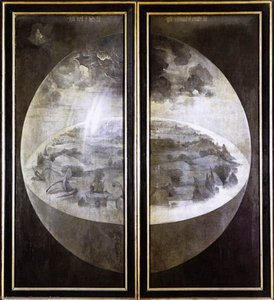
Triptyket til Antonius fristelse
 Olje på treplate
- Northern Renaissance
 1506
1506- Renessansen
 131.0 x 119.0 cm
 Museu Nacional de Arte Antiga
Oppdag Hieronymus Bosch’s «Triptyket til Antonius fristelse» – et surrealistisk mesterverk fra den nordlige renessansen fylt med symbolikk og uhyggelige fantasifulle bilder. Perfekt kunst for å inspirere samtale!
 Les mer
Hieronymus Bosch (1450-1516): En mystisk nederlandsk maler kjent for surrealistiske, symbolfylte og ofte skremmende bilder av synd, helvete og menneskelige svakheter. En varig kunstner.
Giclée / Kunsttrykk
Giclée- eller lerretsprint av museumskvalitet med rask produksjon og fleksible valgmuligheter for etterbehandling. ( Bestill håndmalt reproduksjon Gå til digitalt bilde)




P118B Nkr10

P118H Nkr10

P118W Nkr10

P438Z Nkr10

P508JH Nkr12

P508YH Nkr12

P805H Nkr10

P805Z Nkr10

P919BZ Nkr10

P919G Nkr10

P919XJ Nkr10

P959ZH Nkr10

P968JZ Nkr12

W106C Nkr8

W218G Nkr10

W218JH Nkr8

W218Y Nkr10

W307PJ Nkr10

W316G Nkr10

W316PJ Nkr8

W316Y Nkr10

W398PJ Nkr8

W4111J Nkr10

W500HY Nkr15

W500JH Nkr15

W692G Nkr12

W849H Nkr8

W940BG Nkr15

W953PJ Nkr8




Standardformat
tilpasset
CM
INCH
Velg mellom våre forhåndsdefinerte størrelser som bevarer kunstverkets opprinnelige proporsjoner.
Loading sizes...

bredde
høyde
Skriv inn bredden og høyden du trenger, slik at den passer til din ramme eller vegg. Et trykk kan kun beskjæres, aldri gjøres større enn bildet, så et format med en annen form vil miste en del av motivet. Vi sender deg en digital mockup for godkjenning før vi trykker noe som helst. Bildet som vises på denne siden viser ikke den faktiske beskjæringen — det er kun mockuppen som gjør det.
Verdensomspennende levering () på 2 uker i stedet for standard 4/5 uker. (25 October)

Gratis ekspressfrakt over hele verden

Lerretsduk av høykvalitets lin

Full transportforsikring

Garanti for refusjon av toll og importavgifter

Garantert fargeekthet

100 dagers returrett ved fabrikasjonsfeil

100% pengene tilbake-garanti

Mengderabatt
 Glassalternativet er kun tilgjengelig i størrelser under 110 cm

Triptyket til Antonius fristelse
Giclée / Kunsttrykk
Format på reproduksjon
-


Totalpris
Nkr 656
Fascinerende motiv og narrativ dybde
Dette ekstraordinære triptyket fanger på en levende måte de åndelige og moralske kampene til Sankt Antonius midt i et surrealistisk, kaotisk landskap fylt med fantastiske skapninger og symbolske elementer. Sentralt i komposisjonen står selve Sankt Antonius, avbildet i et øyeblikk av intens bønn og kontemplasjon, der han konfronterer fristelsene og lastene som truer hans åndelige renhet. Verket utforsker temaer som tro, fristelse og guddommelig utholdenhet, og inviterer betrakteren inn i en dyp meditasjon over menneskelig moral og den evige kampen mellom dyd og last.Imaginativ stil og kunstnerisk teknikk
Skapt i 1506 av Hieronymus Boschs mesterlige hånd, er dette maleriet et kroneksempel på den nordlige renessansens fascinasjon for detaljert symbolisme og fantasifull historiefortelling. Boschs nitidige oljemalingsteknikk på trepanel muliggjør intrikate detaljer, levende fargebruk og en lagdelt komposisjon som drar betraktteren inn i sin komplekse fortelling. Bruken av buede linjer, organiske former og teksturerte overflater forsterker den surrealistiske, utenomjordiske atmosfæren, slik at hvert blikk avslører nye symbolske detaljer og fantastiske figurer.Historisk kontekst og kunstnerisk betydning
Dette verket ble produsert under høydepunktet av den nordlige renessansen og reflekterer Boschs fascinasjon for religiøse temaer og moralsk allegori. Triptykon-formatet ble ofte brukt til andaktsformål for å oppmuntre til kontemplasjon og åndelig refleksjon. Boschs særegne stil, preget av uhyggelige, marerittaktige visjoner av helvete og guddommelig dom, var banebrytende og innflytelsesrik, og foregrep elementer av surrealismen flere århundrer før sin tid. Dette verket fungerte ikke bare som en moralsk advarsel, men også som et vitnesbyrd om Boschs oppfinnsomme fantasi og hans mesterskap innen symbolsk historiefortelling.Rik symbolikk og moralsk allegori
Hvert element i dette verket er ladet med symbolikk, fra de groteske skapningene som representerer synder og laster, til den flammende bakgrunnen som symboliserer guddommelig dom og helvetisk pine. De kontrasterende scenene på tvers av panelene skildrer den pågående kampen mellom åndelig frelse og verdslig fristelse, noe som understreker betydningen av tro og moralsk motstandskraft. Boschs allegoriske språk inviterer betrakteren til å tolke de moralske lærdommene som ligger skjult i det fantastiske bildespråket, noe som gjør verket til en fengslende visuell forelesning om menneskelig moral.Emosjonell påvirkning og visuell kraft
Maleriets intense og kaotiske komposisjon fremkaller en instinktiv emosjonell respons og omslutter betrakteren i fristelsens og den åndelige prøvelsens tumult. De levende fargene, det dramatiske lyset og de intrikate detaljene skaper en følelse av hastverk og ærefrykt, som inspirerer til refleksjon over menneskets tilstand. Enten det er utstilt i en privat samling eller i et elegant interiør, krever dette verket oppmerksomhet og vekker samtale; det fungerer som et kraftfullt midtpunkt som forener kunstnerisk briljans med dyp åndelig symbolikk.Et tidløst mesterverk for samling og inspirasjon
Dette triptyket er perfekt for kunstelskere, samlere og interiørdesignere som søker en reproduksjon av høy kvalitet, og tilbyr en sjelden mulighet til å eie en del av kunsthistorien. Det intrikate håndverket, den lagdelte symbolismen og den emosjonelle dybden gjør det til et inspirerende tilskudd i ethvert rom, og løfter interiøret med sin tidløse skjønnhet og tankevekkende narrativ. En investering i dette mesterverket er en investering i en visuell arv som fortsetter å fenge og inspirere på tvers av århundrer.Spørsmål og svar
Hvor kan jeg kjøpe et trykk av "Triptyket til Antonius fristelse" av Hieronymus Bosch?
For å bestille et trykk av "Triptyket til Antonius fristelse" av Hieronymus Bosch, kan du enkelt gjøre det på siden for Kunsttrykk i høy kvalitet: et kunsttrykk på bomullslerret eller arkivbestandig lerretspapir.
Hvilken farge dominerer komposisjonen i "Triptyket til Antonius fristelse" av Hieronymus Bosch?
Ftalogrønn (#2e1c1d) er den dominerende fargen i "Triptyket til Antonius fristelse" av Hieronymus Bosch.
Hvilken palett og hvilken hovedfarge definerer "Triptyket til Antonius fristelse"?
Fargeidentiteten til "Triptyket til Antonius fristelse" av Hieronymus Bosch: en Jordnær-palett, dominert av Ftalogrønn (#2e1c1d).
Kunstnerbiografi
A Netherlandish Enigma: The Life and Art of Hieronymus Bosch
Born around 1450 in the vibrant, bustling town of ’s-Hertogenbosch in the Netherlands—then part of Brabant—Hieronymus Bosch, originally Jheronimus van Aken, remains one of art history’s most compelling and mysterious figures. His world was steeped in late medieval religious fervor, folklore, and a growing sense of societal unease, all of which would profoundly shape his uniquely unsettling artistic vision. Coming from a family with a long tradition of painting—his grandfather, Jan van Aken, and father, Anthonius van Aken, were both artists—Bosch likely received his earliest training within the family workshop, absorbing the techniques and conventions of Netherlandish painting. However, even in his formative years, he began to diverge from established norms, hinting at the extraordinary imagination that would define his career. Biographical details are frustratingly scarce; records are fragmented, leaving much open to speculation and interpretation, adding to the aura of mystique surrounding both the man and his work. He married Aleyt Goyaerts van den Meerveen sometime before 1481, a union that provided him with some financial security through her family’s holdings, but little else is known about their personal life.Fantastical Visions and Symbolic Depths
Bosch's artistic style is instantly recognizable—a captivating blend of meticulous detail and wildly imaginative imagery. He primarily worked with oil on oak panels, demonstrating a masterful command of the medium, achieving luminous colors and intricate textures. While his early works show influences from traditional Netherlandish painting, particularly in their realism and attention to detail, he quickly moved beyond mere imitation, developing a profoundly original vision. His paintings are not simply representations of reality; they are allegorical landscapes populated by bizarre creatures, hybrid beings, and unsettling scenes that seem plucked from dreams—or nightmares. Religious themes form the core of much of his work, but these are rarely straightforward depictions of biblical stories. Instead, Bosch uses symbolism to explore complex moral and theological concepts, often focusing on the dangers of sin, the fragility of earthly pleasures, and the inevitability of divine judgment. His creatures—grotesque demons, fantastical animals, and strangely human figures—are not merely decorative elements; they are embodiments of vice, temptation, and spiritual corruption. The blending of the sacred and the profane, the beautiful and the grotesque, creates a uniquely unsettling effect that continues to captivate viewers centuries later.Masterpieces of Moral Allegory
Among Bosch’s most celebrated achievements is The Garden of Earthly Delights (c. 1490-1510), a triptych that remains one of the most enigmatic and debated works in art history. When opened, it presents a panoramic vision of paradise, earthly life, and hell—a complex allegorical representation of humanity’s fall from grace. The left panel depicts the Garden of Eden, teeming with fantastical creatures and lush vegetation; the central panel portrays a world consumed by sensual pleasure and unrestrained desire; and the right panel offers a terrifying glimpse into the torments of hell. The Triptych of the Last Judgement (c. 1480-1490) is another powerful example of his skill in portraying both heavenly bliss and infernal torment, while The Ascent of the Blessed (c. 1480-1490) demonstrates his ability to create ethereal and dreamlike scenes. Even smaller works like Epiphany (c. 1495) showcase his innovative use of oil on wood and complex symbolism, revealing a mind constantly grappling with profound questions about faith, morality, and the human condition.Influences and Artistic Development
Identifying Bosch’s direct influences is a challenging task, given the originality of his vision. Scholars suggest possible connections to medieval folklore, religious texts—particularly those emphasizing apocalyptic themes—and the prevailing anxieties of the time, including fears of heresy and social upheaval. However, it's clear that he synthesized these elements into something entirely new and uniquely his own. His early works show a clear debt to traditional Netherlandish painting, particularly in their realism and attention to detail. Yet, as he matured, Bosch began to experiment with bolder colors, more dynamic compositions, and increasingly surreal imagery. He drew inspiration from the work of other artists, including Jan van Eyck and Rogier van der Weyden, but ultimately forged his own distinctive style—one characterized by its unsettling atmosphere, complex symbolism, and profound psychological depth. The influence of contemporary woodcuts and engravings is also evident in some of his works, suggesting that he was familiar with a wider range of visual sources than previously thought.Legacy and Enduring Influence
Hieronymus Bosch’s work continues to fascinate and provoke debate centuries after its creation. His paintings offer valuable insights into the religious, social, and psychological climate of the late 15th and early 16th centuries, challenging conventional norms and paving the way for new forms of artistic expression. Artists like Pieter Bruegel the Elder directly followed in his footsteps, adopting similar themes and compositional techniques, while later movements, such as Surrealism, also drew inspiration from Bosch’s dreamlike imagery and exploration of the subconscious. His unsettling visions have resonated with audiences across generations, solidifying his place as a master of Netherlandish painting and a visionary artist whose influence extends far beyond his own time. He died in 1516, leaving behind a body of work that continues to haunt and inspire, ensuring his enduring legacy as one of art history’s most singular and unforgettable voices.
Hieronymus Bosch
1450 - 1516 , Nederland
Kort om kunstneren
- Artistic Movement Or Style: Surrealisme, Symbolikk
- Artists Or Movements Influenced By This Artist: ['Pieter Bruegel']
- Date Of Birth: c. 1450
- Date Of Death: 1516
- Full Name: Hieronymus Bosch
- Nationality: Nederlands
- Notable Artworks:
- Hagens gleder
- Sju synder
- Helbredelse
- Place Of Birth: Den Bosch, Nederland
Relaterte artikler

Divine Light & Golden Splendor: A Journey Through the Sacred Grandeur of High Medieval Art
Embark on a soulful journey through High Medieval art. Explore the divine light of Gothic cathedrals, Byzantine splendor, and sacred masterpieces that shaped Western history with our expert-led cultural reflections.

Whispers of the Soul: Discovering the Sacred Beauty and Intricate Devotion of Early Medieval Art
Embark on a soulful journey through Early Medieval art. Explore the sacred beauty of illuminated manuscripts, Byzantine gold leaf, and the profound spiritual symbolism that shaped history. Discover the timeless devotion captured in every intricate detail.
Utforsk kunstverk organisert etter temaer, stiler og kjennetegn.